


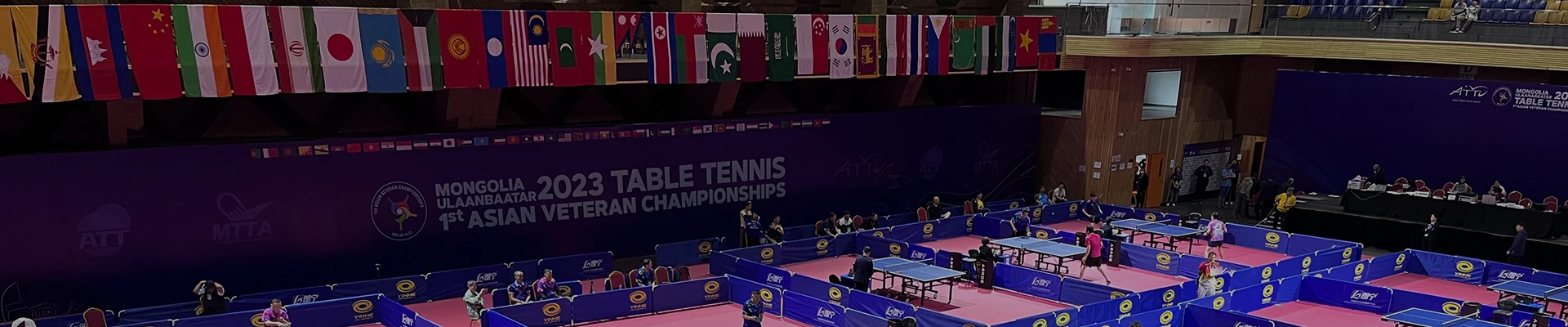
What Is a Tennis Floor? Essential Guide to Tennis Court Surfaces, Benefits & Global Use
Understanding the Tennis Floor: A Key Component in Modern Sports Infrastructure
Tennis courts are ubiquitous—from local parks to grand slam arenas—but have you ever stopped to think about what makes the “tennis floor” so essential? Beyond just a surface to bounce balls on, the tennis floor influences playability, safety, durability, and even athlete performance worldwide. As tennis continues to flourish globally, understanding tennis floors isn’t just for turf specialists or facility managers; it’s essential for sports planners, architects, and even enthusiastic players.
Introduction: Why the Tennis Floor Matters Globally
Tennis, as a sport, has exploded in popularity with over 87 million players globally, according to the International Tennis Federation (ITF). Facilities range from high-end stadiums to grassroots courts in emerging nations. The “tennis floor” or court surface plays a pivotal role in the game’s experience and accessibility. It must withstand tremendous wear, varying climates, and ensure player safety—factors that are increasingly challenging in today’s world of fluctuating budgets and sustainability demands.
Globally, sports infrastructure investments are expected to grow by 3.5% annually, according to industry reports, with a significant chunk dedicated to surface technology. The right tennis flooring can reduce injury rates by up to 30%, increase player satisfaction, and significantly extend court lifespan.
Yet, many venues struggle with the problem of balancing cost, durability, and performance. That means the tennis floor is not just about the game—it’s about community access, economic efficiency, and even environmental impact.
What Is a Tennis Floor?
Simply put, a tennis floor is the playing surface on which tennis matches occur. It’s designed with specific materials and structure to provide ball bounce, player traction, and shock absorption. Tennis floors can be made of various materials—hard courts with acrylic overlays, clay, grass, or synthetic compounds.
Its design connects closely to modern sports architecture and broader human needs: durability with low maintenance, sustainability by reducing environmental footprint, and the capacity to host world-class events or local games alike.
Core Components of Tennis Floors
1. Durability
Since tennis courts endure constant foot traffic, ball impacts, and weather exposure, durability is non-negotiable. High-quality acrylic or polyurethane coatings protect the base and resist cracking or fading. Durability directly impacts maintenance costs and court availability.
2. Playability
The tennis floor needs to ensure consistent ball bounce and player grip. Different surfaces create different game speeds – clay slows down the ball, hard courts are medium-paced, and grass is generally fast. This factor shapes player strategy profoundly.
3. Safety
Court surfaces must minimize injury risks by providing shock absorption and optimal traction to prevent slips. Advanced cushioning layers can reduce joint impact by 20–30%, protecting athletes during intense matches.
4. Cost Efficiency
While some high-performance floors come with higher upfront costs, their lifespan and maintenance savings often justify the investment. Budget courts may sacrifice some performance but must still conform to safety standards.
5. Environmental Sustainability
With growing eco-consciousness, manufacturers are innovating with recyclable materials and low-VOC coatings. Sustainable tennis floors lower carbon footprints and align with global green building certifications.
Global Applications of Tennis Floors
From the green clay courts in Europe to hard courts in North America, tennis floors adapt globally based on climate, player preferences, and available resources. For example:
- In Europe, clay courts dominate in recreational and professional tiers, valued for their classic play and player comfort.
- US tennis centers mostly feature acrylic hard courts, prized for year-round durability.
- In developing countries, modular tennis floor systems allow rapid installation even in remote areas, expanding access.
- Sports organizations like the ITF certify and regulate tennis floor standards globally, ensuring consistency and quality.
One fascinating case: post-natural disaster zones have leveraged portable tennis floor kits to rebuild community sports spaces fast, restoring social ties and psychological well-being.
Advantages & Long-Term Value
Investing in quality tennis floors pays dividends over time. Benefits include:
- Reduced Maintenance: Durable floors minimize downtime and costly repairs.
- Enhanced Player Experience: Optimized surfaces reduce fatigue and injuries.
- Sustainability: Eco-friendly materials contribute to greener sports facilities.
- Community Impact: Accessible, safe courts promote healthy lifestyles and social cohesion.
Emotionally, players often describe a “perfect surface” as one that feels just right—stable yet responsive—inviting confidence and enjoyment. Facilities with trusted tennis floors develop reputations for hosting quality events and nurturing talent.
Future Trends & Innovations in Tennis Floors
Looking ahead, tennis floors are evolving with technology:
- Smart Surfaces: Embedded sensors track court usage and wear, enabling predictive maintenance.
- Eco-Materials: Biodegradable polymers and recycled rubber reduce ecological impact.
- Climate-Adaptive Designs: Surfaces that adjust to humidity or temperature to maintain consistent play.
- Modular Systems: Easy-to-install tiles speed up construction and reduce waste.
These innovations promise tennis floors that are not only performance-optimized but also aligned with global sustainability goals (ISO 14001 standards, for example).
Challenges & Solutions
Common challenges include:
- Weather Damage: UV rays, rain, and freeze-thaw cycles degrade surfaces over time.
- Cost Barriers: High-performance floors can be unaffordable in low-budget facilities.
- Installation Complexity: Poor installation leads to uneven surfaces and early failures.
Expert advice? Employ certified installers, choose region-adapted materials, and embrace emerging modular technologies for cost-effective upgrades.
FAQ: Frequently Asked Questions About Tennis Floors
- What is the typical lifespan of a tennis floor?
- Depending on materials and maintenance, a quality tennis floor can last between 8 to 15 years. Regular upkeep significantly extends this period.
- Are hard courts better than clay for amateur players?
- Hard courts tend to be easier to maintain and offer consistent bounce, which many amateurs prefer. Clay courts are softer on joints but require more upkeep.
- Can tennis floors be installed outdoors in extreme climates?
- Yes, specially formulated materials accommodate temperature swings and UV exposure, though climate-specific designs are recommended.
- How does the tennis floor affect player safety?
- Cushioned surfaces reduce impact forces on knees and ankles, decreasing injury risk, especially for frequent players.
- Is it possible to retrofit existing courts with new tennis floor technology?
- Absolutely. Many manufacturers offer overlay or modular solutions that can upgrade older courts without full reconstruction.
Product Specifications: Popular Tennis Floor Types
| Surface Type | Material | Average Lifespan (years) | Play Speed | Maintenance Level |
|---|---|---|---|---|
| Hard Court | Acrylic / Asphalt or Concrete | 10–15 | Medium | Low |
| Clay Court | Crushed Brick / Stone | 8–12 | Slow | High |
| Grass Court | Natural Grass | 4–6 | Fast | Very High |
| Synthetic Turf | Polyurethane / Rubber | 10–14 | Medium-Fast | Medium |
Vendor Comparison: Leading Tennis Floor Manufacturers
| Brand | Material Options | Sustainability Focus | Installation Time | Typical Clients |
|---|---|---|---|---|
| SurfacePlus | Acrylic, Synthetic Turf | High (recycled content) | 2–4 weeks | Public parks, schools |
| EcoCourt Systems | Clay, Eco-friendly Composite | Very High (ISO 14001) | 3–5 weeks | Pro venues, NGOs |
| ProPlay Surfaces | Hard Courts, Modular Tiles | Medium | 1–3 weeks | Clubs, event organizers |
Conclusion
In the end, the tennis floor is much more than just the ground beneath our feet during a match. It embodies years of material science, engineering, and community priorities—balancing performance, safety, and sustainability. Whether for a national stadium or a community park, getting the tennis floor right means investing in years of enjoyment and player health.
Curious to explore top-tier tennis floors tailored for your project? Visit our website: tennis floor solutions with comprehensive options and expert advice.
A good tennis floor is truly the silent partner behind every match's success.
References
-
Premium Outdoor Dance Floor for Sale Professional Event SurfacesNewsApr.16,2026
-
Premium Professional White Dance Floor for Sale and Buying GuideNewsApr.09,2026
-
Find Your Perfect Portable Dance Floor for Sale and Create Unforgettable EventsNewsApr.07,2026
-
Find High Quality Dance Flooring for Sale and Expert GuidanceNewsApr.04,2026
-
Comprehensive Guide to Durable Commercial Vinyl Solutions for BusinessesNewsMar.31,2026
-
Comprehensive Commercial Flooring Management for Business LongevityNewsMar.28,2026
-
Comprehensive Guide to Selecting the Right Commercial Flooring MaterialsNewsMar.26,2026