


Comprehensive Commercial Flooring Management for Business Longevity
Commercial Flooring Management: A Comprehensive Guide
Effective commercial flooring management is vital for maintaining a safe, aesthetically pleasing, and cost-effective environment in any business. From selecting the right flooring materials to implementing proactive maintenance schedules, a well-structured approach can significantly extend the lifespan of your floors, reduce long-term costs, and enhance the overall impression of your commercial space. This article will explore the key aspects of commercial flooring management, providing practical insights for business owners, facility managers, and property professionals. Understanding these principles is crucial for maximizing your flooring investment.
Understanding Your Flooring Needs
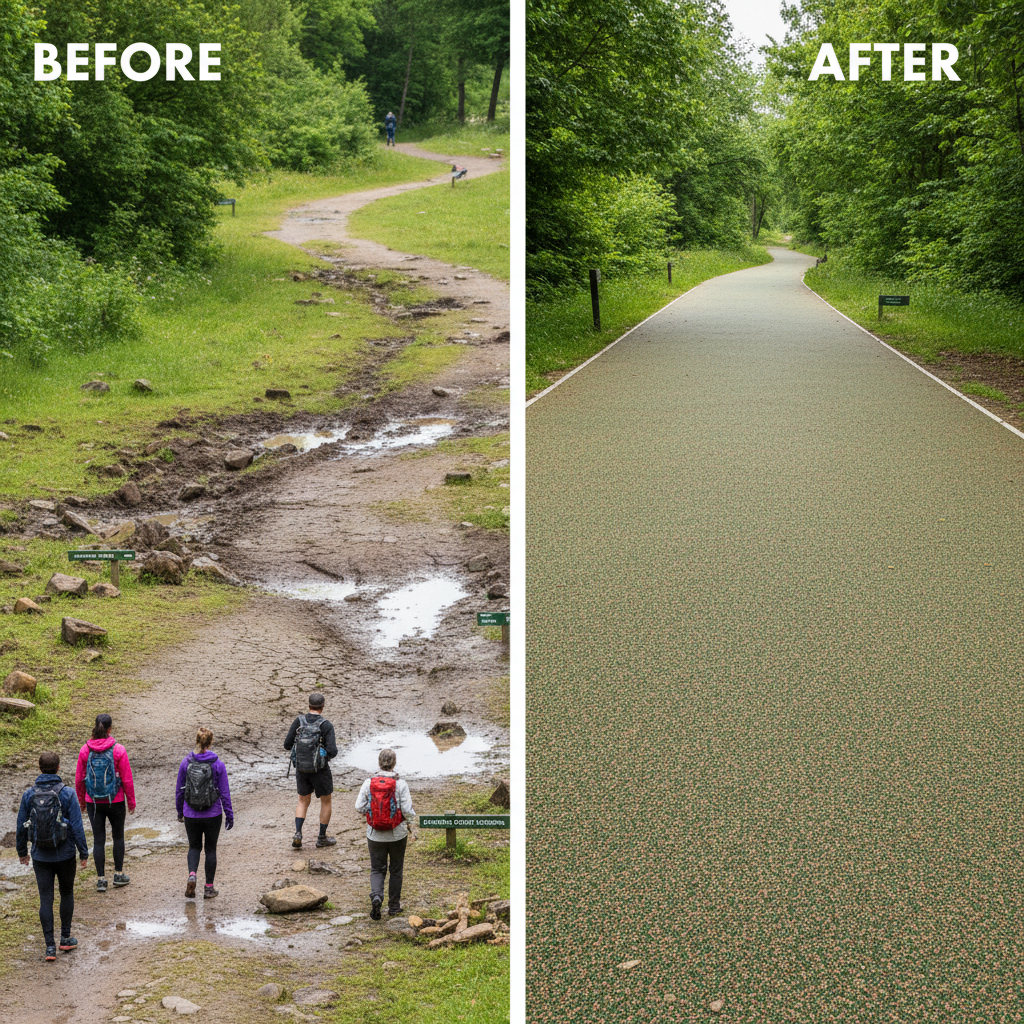
Before diving into management strategies, it’s essential to understand the specific needs of your commercial space. Consider factors like foot traffic, the type of business, potential for spills or moisture, and aesthetic requirements. High-traffic areas demand durable, resilient flooring options such as Luxury Vinyl Tile (LVT) or commercial-grade carpets. Businesses dealing with liquids, like restaurants or healthcare facilities, require waterproof or water-resistant solutions like epoxy or sheet vinyl. A thorough assessment of these needs will guide your flooring selection and subsequent management plan.
Key Considerations: Foot traffic, type of business, potential for spills, aesthetic requirements.
Selecting the Right Commercial Flooring
The choice of flooring significantly impacts long-term management costs and effectiveness. Common commercial flooring options include: carpet tiles, vinyl flooring (LVT/LVP and sheet vinyl), epoxy, polished concrete, and hardwood. Each option has its pros and cons regarding durability, maintenance, and cost. For instance, carpet tiles offer excellent noise reduction and are easy to replace individually, while epoxy provides a seamless, durable, and chemical-resistant surface. Carefully evaluating these options based on your specific needs and budget is critical for a successful flooring management strategy.
Commercial Flooring Options:
• Carpet Tiles: Noise reduction, easy replacement
• Vinyl Flooring (LVT/LVP): Durable, water-resistant
• Epoxy: Seamless, chemical-resistant
• Polished Concrete: Durable, modern aesthetic
Commercial Flooring Maintenance: A Proactive Approach
Proactive maintenance is the cornerstone of effective commercial flooring management. This includes regular sweeping, mopping, and deep cleaning. The frequency of these tasks depends on the foot traffic and type of flooring. Implementing a schedule and assigning responsibilities ensures consistent upkeep. Furthermore, consider using entrance mats to trap dirt and moisture, protecting your floors from excessive wear and tear. Promptly addressing spills and stains prevents permanent damage and maintains a professional appearance.
Comparing Flooring Maintenance Costs
Understanding the long-term maintenance costs associated with different flooring types is crucial for informed decision-making. Here's a comparison based on estimated annual costs per square foot:
Professional Assistance for Commercial Flooring Management
For larger commercial spaces or complex flooring systems, consider engaging professional flooring maintenance services. These companies offer specialized cleaning, refinishing, and repair services, extending the life of your floors and maintaining their appearance. They can also provide expert advice on optimal maintenance schedules and product recommendations. Investing in professional services can often be more cost-effective in the long run than attempting to handle all maintenance in-house. Langning Sports provides a suite of flooring solutions tailored to commercial needs.
Conclusion: Maximizing Your Flooring Investment
Effective commercial flooring management is a strategic investment that yields significant returns. By understanding your flooring needs, selecting the right materials, implementing a proactive maintenance plan, and seeking professional assistance when needed, you can protect your investment, create a safe and appealing environment, and minimize long-term costs. A well-maintained floor is a reflection of your commitment to quality and professionalism.
Frequently Asked Questions (FAQs)
What is the best flooring option for a high-traffic retail store?
For high-traffic retail stores, LVT (Luxury Vinyl Tile) is often the best choice. It's incredibly durable, resistant to scratches and wear, water-resistant, and offers a wide range of aesthetic options. Polished concrete is another excellent choice, providing extreme durability and a modern look. Carpet tiles are less ideal in this scenario due to their susceptibility to wear and tear under heavy foot traffic. The key is to choose a flooring material specifically designed to withstand constant use and maintain its appearance over time. Consider the ease of cleaning and maintenance as well.
How often should commercial carpets be professionally cleaned?
The frequency of professional carpet cleaning depends on foot traffic and soiling levels. Generally, commercial carpets should be professionally deep cleaned every 12-18 months. However, high-traffic areas may require cleaning every 6-12 months. Regular vacuuming and spot cleaning are essential between professional cleanings. Professional cleaning removes embedded dirt and allergens, revitalizes the carpet fibers, and extends the lifespan of the flooring.
What are the benefits of using entrance mats?
Entrance mats are a crucial component of commercial flooring management. They trap up to 85% of dirt and moisture brought in from outside, preventing it from being tracked across your floors. This significantly reduces wear and tear, minimizes cleaning costs, and improves indoor air quality. Using both recessed and surface mats provides the best protection. Selecting mats with durable construction and attractive designs enhances the overall appearance of your entranceway.
How can I prevent scratches on polished concrete floors?
Polished concrete is durable but can be susceptible to scratches. To prevent this, use floor protectors under furniture legs, avoid dragging heavy objects across the floor, and implement a regular cleaning schedule using pH-neutral cleaning products. Consider applying a protective sealant to enhance the concrete's resistance to scratches and stains. Regularly sweeping or dust mopping the floor removes abrasive particles that can cause scratches.
-
Premium Outdoor Dance Floor for Sale Professional Event SurfacesNewsApr.16,2026
-
Premium Professional White Dance Floor for Sale and Buying GuideNewsApr.09,2026
-
Find Your Perfect Portable Dance Floor for Sale and Create Unforgettable EventsNewsApr.07,2026
-
Find High Quality Dance Flooring for Sale and Expert GuidanceNewsApr.04,2026
-
Comprehensive Guide to Durable Commercial Vinyl Solutions for BusinessesNewsMar.31,2026
-
Comprehensive Guide to Selecting the Right Commercial Flooring MaterialsNewsMar.26,2026
-
Comprehensive Guide to Selecting Durable Commercial Floor SystemsNewsMar.24,2026