


Comprehensive Guide to Selecting the Right Commercial Flooring Materials
Choosing the Right Commercial Flooring Materials for Your Business
Selecting the ideal commercial flooring materials is a crucial decision for any business owner. Your flooring isn't just about aesthetics; it impacts safety, durability, maintenance costs, and the overall impression you create for customers. This article will explore various commercial flooring options, their pros and cons, and guide you through the process of choosing the best fit for your specific needs. Investing in quality flooring is an investment in the long-term success of your business. We’ll examine factors like traffic levels, industry requirements, and budget to provide a comprehensive overview.
Understanding Your Flooring Needs: Key Considerations
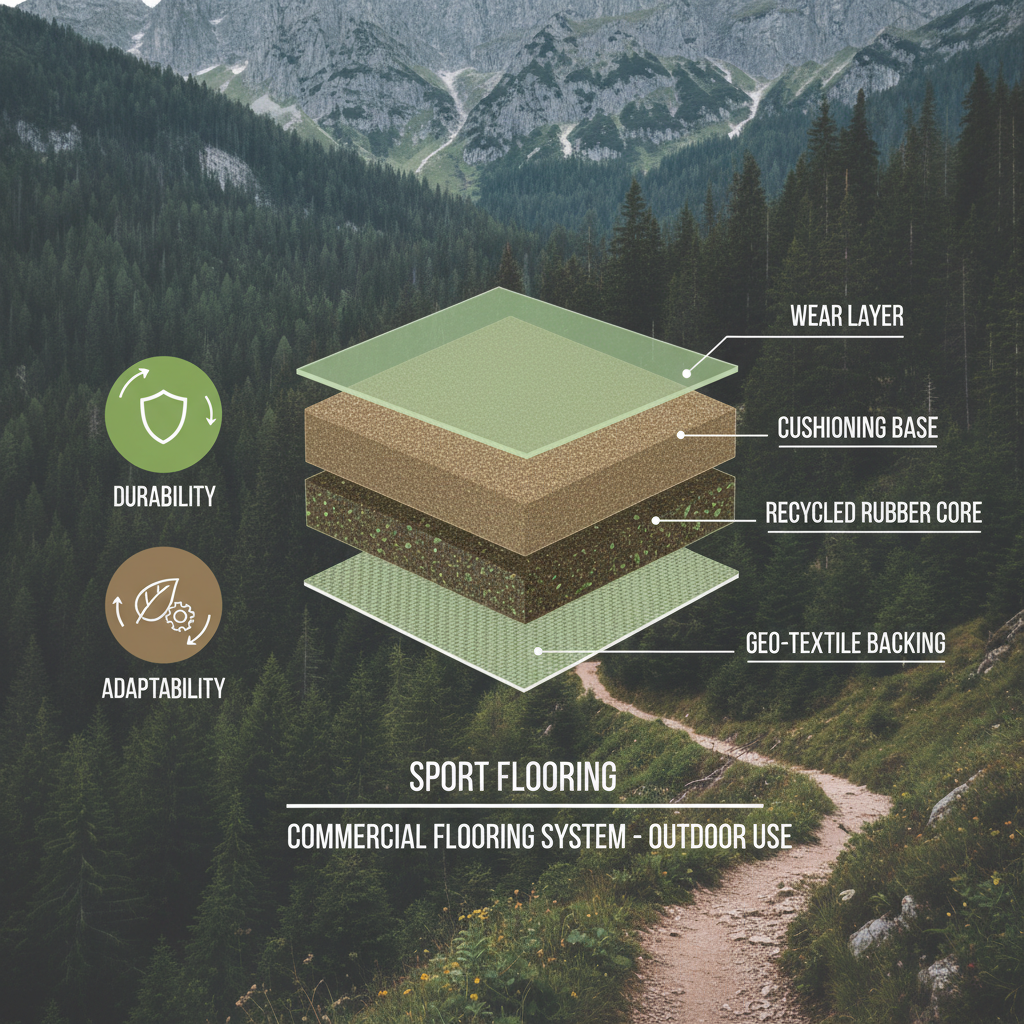
Before diving into specific materials, it’s essential to assess your business’s unique requirements. Consider the volume of foot traffic the flooring will endure. A high-traffic retail space demands different characteristics than a low-traffic office. The industry you're in also plays a significant role. Healthcare facilities require flooring that's hygienic and easy to sanitize, while industrial settings need flooring that can withstand heavy loads and potential chemical spills. Finally, your budget will naturally influence your choices. It’s wise to weigh the upfront cost against the long-term durability and maintenance expenses of each option. Langning Sports offers a diverse range of commercial flooring solutions to meet diverse needs.
Key Considerations: Foot traffic, industry requirements, budget, maintenance needs, and aesthetic preferences.
Popular Commercial Flooring Materials: A Detailed Overview
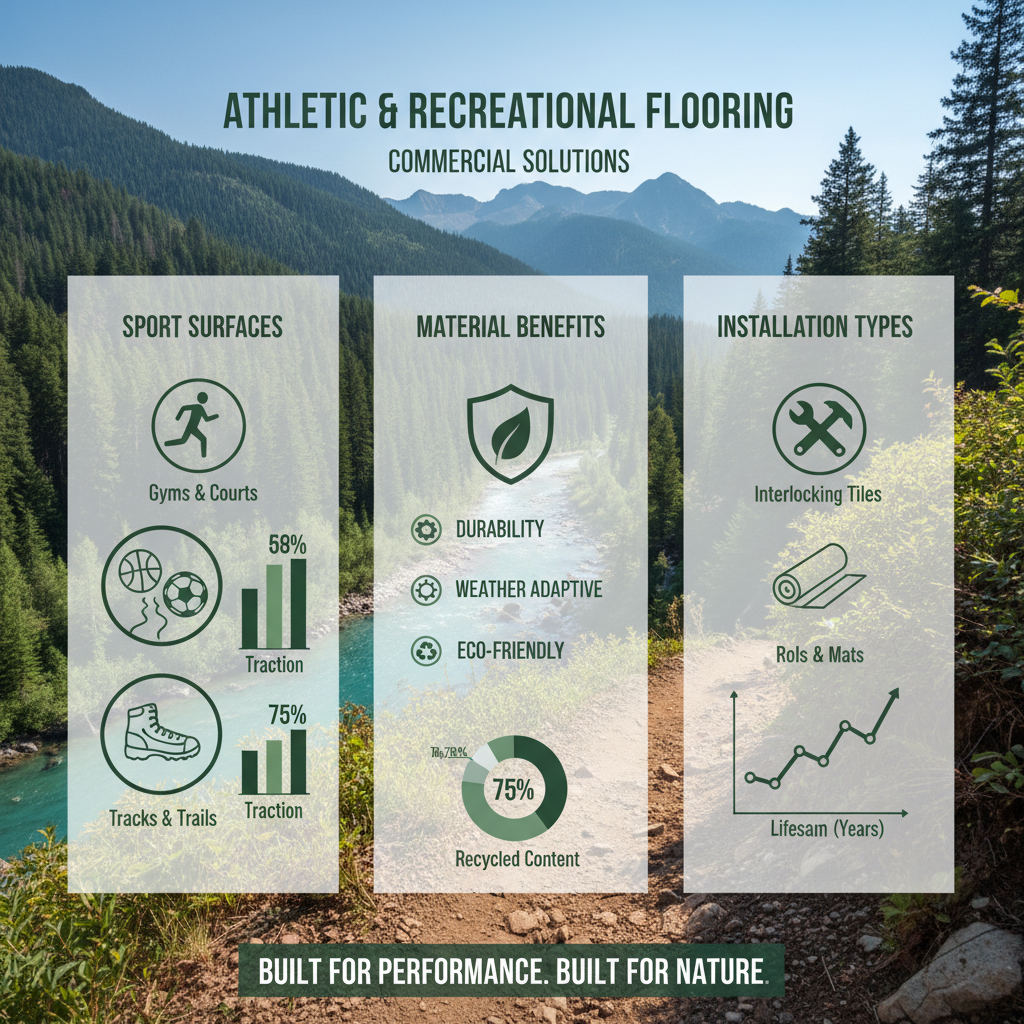
Several materials stand out as popular choices for commercial applications. Luxury Vinyl Tile (LVT) is known for its durability, water resistance, and realistic appearance. Carpet tiles offer comfort and noise reduction but require regular cleaning. Epoxy flooring is a seamless, durable option ideal for industrial settings. Ceramic and porcelain tiles are incredibly durable and easy to maintain, though they can be cold and hard underfoot. Concrete flooring is becoming increasingly popular for its modern aesthetic and durability. Finally, rubber flooring is a great choice for gyms and areas where slip resistance is paramount. Explore the extensive selection at Langning Sports to find the perfect material.
Material Benefits:
• LVT: Durability, water resistance, aesthetic appeal.
• Carpet Tiles: Comfort, noise reduction.
• Epoxy: Seamless, chemical resistance.
• Ceramic/Porcelain: Durability, low maintenance.
Commercial Flooring Materials Comparison: Key Features
Choosing the best material requires a direct comparison of their key features. The table below provides a side-by-side look at common commercial flooring options, outlining their durability, cost, maintenance requirements, and suitability for different environments.
The Importance of Professional Installation
While some flooring options are DIY-friendly, professional installation is highly recommended for commercial properties. Proper installation ensures the longevity and performance of your flooring. Experienced installers will correctly prepare the subfloor, meticulously lay the materials, and address any potential issues. This can prevent costly repairs and replacements down the line. Langning Sports provides expert installation services alongside its flooring products.
Conclusion: Investing in Quality Commercial Flooring
Choosing the right commercial flooring materials is a critical decision that impacts your business’s safety, aesthetics, and bottom line. By carefully considering your needs, comparing available options, and investing in professional installation, you can ensure a durable, attractive, and functional flooring solution that will serve your business for years to come.
Don’t hesitate to contact Langning Sports for expert advice and a wide selection of high-quality commercial flooring.
Frequently Asked Questions (FAQs)
What is the best commercial flooring for high-traffic areas?
For high-traffic areas, LVT (Luxury Vinyl Tile) and epoxy flooring are excellent choices. LVT offers impressive durability, water resistance, and a comfortable feel underfoot. Epoxy flooring is incredibly robust and can withstand heavy loads and constant use. Both options are relatively easy to maintain, making them ideal for busy commercial environments. Consider the aesthetic you're aiming for – LVT can mimic the look of wood or stone, while epoxy provides a sleek, modern appearance. The lifespan and cost-effectiveness of both are good, making them popular choices.
How do I clean and maintain different types of commercial flooring?
Cleaning and maintenance vary depending on the flooring material. LVT and epoxy generally require regular sweeping and mopping with a mild detergent. Carpet tiles need frequent vacuuming and occasional deep cleaning. Ceramic and porcelain tiles are easy to clean with a damp mop. Rubber flooring requires regular scrubbing to remove dirt and grime. Always follow the manufacturer's recommendations for specific cleaning products and procedures to avoid damaging the flooring. Protecting your investment with proper care extends its life and maintains its appearance.
What factors affect the cost of commercial flooring installation?
Several factors influence the cost of commercial flooring installation. The size of the area, the complexity of the installation, the type of flooring material, and the cost of labor all contribute to the overall price. Subfloor preparation, such as leveling or repairing damage, can also add to the cost. Professional installation typically includes material costs, labor, and any necessary preparatory work. Getting multiple quotes from reputable installers is recommended to ensure you're getting a competitive price.
Is it necessary to seal commercial flooring?
Whether or not to seal commercial flooring depends on the material. Epoxy flooring requires sealing to enhance its durability and chemical resistance. Concrete flooring benefits from sealing to protect against staining and moisture damage. LVT and carpet tiles generally don't require sealing. The manufacturer's recommendations should always be followed regarding sealing procedures and appropriate sealants. Sealing extends the life of the flooring and reduces maintenance costs.
-
Premium Outdoor Dance Floor for Sale Professional Event SurfacesNewsApr.16,2026
-
Premium Professional White Dance Floor for Sale and Buying GuideNewsApr.09,2026
-
Find Your Perfect Portable Dance Floor for Sale and Create Unforgettable EventsNewsApr.07,2026
-
Find High Quality Dance Flooring for Sale and Expert GuidanceNewsApr.04,2026
-
Comprehensive Guide to Durable Commercial Vinyl Solutions for BusinessesNewsMar.31,2026
-
Comprehensive Commercial Flooring Management for Business LongevityNewsMar.28,2026
-
Comprehensive Guide to Selecting Durable Commercial Floor SystemsNewsMar.24,2026