


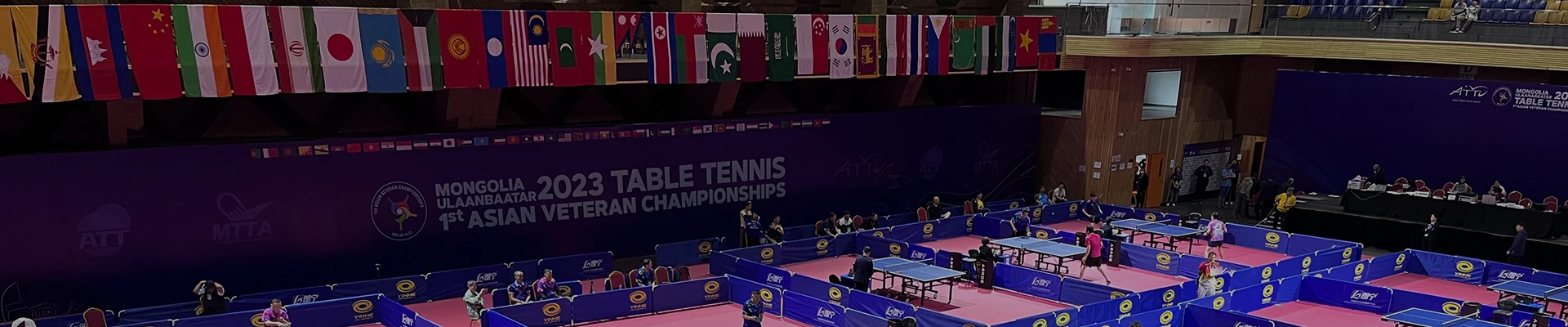
Tennis Floor Mats: Benefits, Specifications, and Industry Insights
Understanding Tennis Floor Mats: A Key to Performance and Safety
If you've ever played tennis indoors or checked out sports centers, you’ve probably walked on tennis floor mats, even if that term didn’t pop in your head immediately. These mats are often subtle but incredibly important components of a safe and competitive playing environment. Globally, as tennis courts rise in number and variety—from community centers in Europe to professional arenas in the US and Asia—knowing how the right court flooring can influence the game and players’ wellbeing is simply essential.
Tennis floor mats matter not just for grip and bounce, but for reducing injury risk, promoting sustainability, and even enhancing the aesthetics and durability of a sports venue. This article explores why tennis floor mats are more than just a cushion underfoot—they're an intersection of engineering, materials science, and athlete performance.
Global Context: Why Tennis Floor Mats Matter Worldwide
Tennis is a globally popular sport. The International Tennis Federation (ITF) estimates over 87 million players worldwide. With this scale, court construction and maintenance become thorny, often expensive issues. According to Wikipedia, indoor courts are especially prone to surface wear, moisture, and uneven bounce—problems often mitigated by good floor mats. Facilities spend thousands annually to keep their floors consistent and safe. Here, tennis floor mats fill a crucial need by balancing cost-efficiency with performance and safety.
Oddly enough, many small clubs and school gyms overlook the significance of well-engineered mats, resulting in accelerated wear, injuries, or player dissatisfaction. Also, sustainability concerns are growing—sports venues seek eco-friendly materials reducing waste and emissions through the life cycle of flooring solutions.
What Are Tennis Floor Mats?
Simply put, tennis floor mats are specialized flooring layers designed specifically for tennis courts to optimize playability and safety. Unlike generic mats or tiles, these are engineered for the sport’s unique demands—consistent ball bounce, traction, shock absorption, and durability under high traffic and weather exposure.
They integrate into surfaces like synthetic turf, acrylic, or hardwood, providing cushioning and non-slip properties. From recreational players to professionals, these mats improve comfort as well as performance while reducing strain on knees and ankles. Moreover, industries that build and maintain courts rely on tennis floor mats as a core component in delivering consistent quality.
Key Features of Tennis Floor Mats
Durability and Wear Resistance
Thinking practically, durability is king. Tennis courts endure relentless footwork, rolling balls, and temperature changes. High-quality mats withstand millions of foot strikes and UV rays without crumbling or warping. Materials like reinforced polyurethane or rubber composites often come into play here. In real terms, a durable mat saves money and headaches over years.
Traction and Safety
You want your players to be confident in their footing. Mats with optimized grip reduce slips, especially during quick lateral moves. This lowers injury risk markedly—something coaches appreciate deeply. Many engineers focus on texturing and material blends that maintain grip in wet or dusty conditions.
Shock Absorption and Player Comfort
Tennis floor mats often act like tiny springs beneath the surface. This cushioning reduces the impact on joints and muscles. Over a long match or training season, this can mean fewer strains or overuse injuries. This is where sport science and material design really meet.
Easy Maintenance and Installation
A bonus that sometimes gets overlooked: good mats are modular or easy to clean—imperative for venues hosting tournaments or events with quick changeovers. They’re often designed for fast installation and replacement.
Sustainability
Green credentials are increasingly demanded. Manufacturers now use recycled materials or recyclable designs for floor mats. This ties into broader ISO environmental standards in the sporting goods industry, reducing landfill waste and carbon footprints.
Product Specifications Compared
| Spec | Material | Thickness | Shock Absorption | Estimated Lifespan | Eco-Friendly |
|---|---|---|---|---|---|
| Model Alpha | Recycled Rubber Polymer | 8mm | 25% | 7 Years | Yes |
| Model Beta | Polyurethane Composite | 10mm | 30% | 10 Years | No |
| Model Gamma | Thermoplastic Elastomers | 9mm | 28% | 8 Years | Partially |
Global Applications & Use Cases
Tennis floor mats aren’t confined to fancy stadiums. In places like Europe, North America, and increasingly in Asia-Pacific, schools, private clubs, and public sports centers invest in quality mats to boost safety and player satisfaction. Community sports programs in urban areas (think London or New York) benefit from mats that reduce noise and improve play consistency indoors.
Oddly enough, humanitarian athletes in remote areas also use tennis floor mats—portable mats enable temporary but effective tennis zones in post-disaster recreation programs, aiding mental health and social cohesion. For industrial zones with harsh weather, mats ensure youthful players have consistent experiences despite humidity or dust.
Vendor Comparison: Tennis Floor Mat Suppliers
| Vendor | Product Range | Customization | Price Range | Global Shipping | Sustainability Programs |
|---|---|---|---|---|---|
| SportSurfacePro | High-end mats and rollers | Yes | $$$ | Worldwide | Recycling program |
| TennisMatCo | Entry-to-mid level mats | Limited | $ | North America & Europe | None noted |
| GreenPlay Flooring | Eco-friendly, recycled mats | Yes | $$ | Worldwide | Comprehensive sustainability |
Advantages & Long-Term Value of Tennis Floor Mats
- Cost Efficiency: Reduce frequent surface repairs and injury liabilities over time.
- Sustainability: Use of recycled materials can lower environmental impact significantly.
- Player Safety and Comfort: Lessening joint stress, promoting longer playing careers.
- Aesthetic and Branding: Customizable colors and logos add marketing impact.
- Reliability: Consistent bounce and traction build player trust and tournament credibility.
On a more emotional note, providing safe and well-maintained courts reflects care for athletes’ wellbeing, a subtle yet powerful message sports clubs send to their community and customers.
Future Trends & Innovations in Tennis Floor Mats
Looking ahead, the industry is leaning heavily into sustainability—bio-based polymers replacing petroleum ones, mats with built-in sensors to monitor wear or player impact, and integration of digital tech for easier maintenance scheduling. Some manufacturers even talk about smart mats that can adjust shock absorption in real-time or capture data on player movement for coaches.
Automation in installation and recycling methods is expected, maybe even rental models for temporary courts. Plus, governing bodies like ITF might begin certifying mats not just for play standards but also energy efficiency and lifecycle emissions.
Challenges & Solutions
That said, tennis floor mats face limitations—costs can be prohibitive for smaller clubs, and some eco-friendly options may sacrifice durability. Also, improper installation or maintenance voids many benefits. Experts advise investing in certified products and professional installation, considering lifecycle costs not just initial price.
Innovative solutions like hybrid materials or modular designs improve adaptability, while ongoing R&D aims to lower costs without compromising quality. Importantly, education on selecting and caring for mats needs boosting among stakeholders.
FAQ: Frequently Asked Questions About Tennis Floor Mats
- What types of materials are best for tennis floor mats?
- The most common are rubber composites, polyurethane, and thermoplastic elastomers, offering a balance of shock absorption, durability, and traction. Eco-friendly recycled options are gaining ground but should be checked for performance standards.
- How long do tennis floor mats typically last?
- Depending on material quality and maintenance, good tennis floor mats last 7 to 10 years. Factors like heavy use, climate, and cleaning methods affect longevity.
- Can tennis floor mats be customized for branding or colors?
- Yes, many vendors offer color options and logo imprints, allowing clubs to reflect their branding on the court surface without sacrificing performance.
- Are tennis floor mats suitable for both indoor and outdoor courts?
- Generally, yes. However, outdoor mats need UV resistance and weatherproofing. Always confirm specifications for the intended environment.
- How do I maintain tennis floor mats to prolong their life?
- Regular cleaning, avoiding harsh chemicals, and ensuring proper drainage on courts are key. Also, periodic inspections and repairs help catch damages early.
Conclusion
Tennis floor mats serve as unsung heroes in sports facilities, blending engineering, comfort, and environmental thoughtfulness. Their well-chosen application improves playability and safety while championing long-term cost savings and sustainability. If you’re looking to enhance your tennis courts—whether for a local club or a professional arena—investing in quality tennis floor mats is a smart, forward-thinking step.
For more detailed information and to explore top-rated options, visit https://www.langningsportsfloor.com. You’ll find a curated selection designed to meet diverse needs and budgets.
Mini takeaway: Tennis floor mats aren’t just about rubber and foam—they’re about player well-being, sustainability, and ensuring the beautiful game is played at its best, every time.
References:
1. Wikipedia - Tennis
2. International Tennis Federation
3. ISO Environmental Management Standards
-
Premium Outdoor Dance Floor for Sale Professional Event SurfacesNewsApr.16,2026
-
Premium Professional White Dance Floor for Sale and Buying GuideNewsApr.09,2026
-
Find Your Perfect Portable Dance Floor for Sale and Create Unforgettable EventsNewsApr.07,2026
-
Find High Quality Dance Flooring for Sale and Expert GuidanceNewsApr.04,2026
-
Comprehensive Guide to Durable Commercial Vinyl Solutions for BusinessesNewsMar.31,2026
-
Comprehensive Commercial Flooring Management for Business LongevityNewsMar.28,2026
-
Comprehensive Guide to Selecting the Right Commercial Flooring MaterialsNewsMar.26,2026