


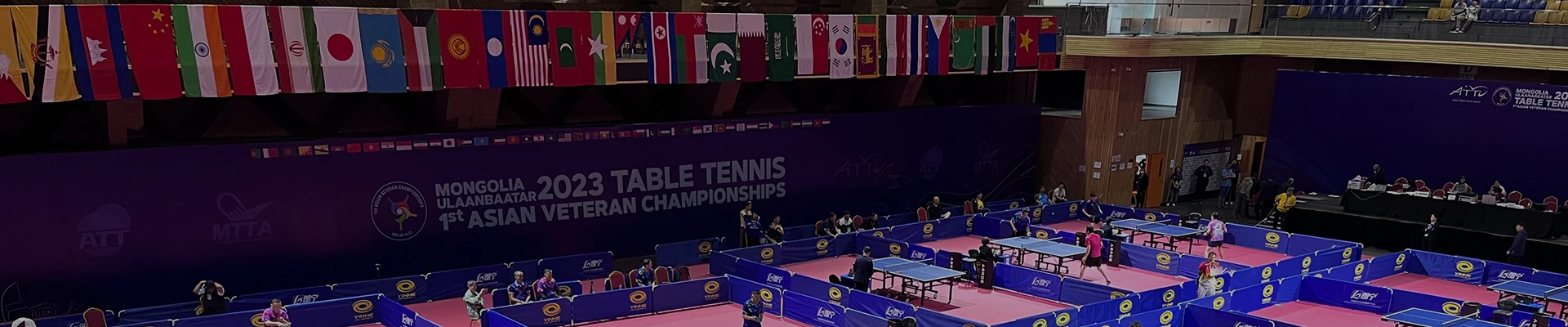
The Ultimate Guide to Table Tennis Court Flooring: Materials, Benefits & Trends
The Unsung Hero of Competitive Play: Table Tennis Court Flooring
When we think about table tennis, most of us picture rapid-fire rallies, flicks of the wrist, and the little orange ball bouncing back and forth like it’s got a scoreboard of its own. But beneath all that excitement is something quieter yet crucial — the table tennis court flooring. Oddly enough, it’s the foundation that shapes not only game performance but also safety, longevity of courts, and the overall player experience. Globally, as table tennis surges in popularity both recreationally and professionally, understanding the ins and outs of this specialized flooring has become more important than ever.
Why does this matter on a wider scale? According to the International Table Tennis Federation (ITTF), table tennis courts have expanded in venues globally by approximately 30% over the past decade, driven especially by Asia and Europe. That kind of growth demands a deeper look at what makes a good playing surface — because in sports, the floor is as much a player as the athletes themselves. The right court flooring improves agility, minimizes injuries, and can even reduce maintenance costs for sports facilities.
A Quick Takeaway
- The foundation of excellent gameplay.
- Important for player safety and injury prevention.
- Has rising global demand and diverse material needs.
Setting the Stage: Why Table Tennis Court Flooring Matters Globally
Sporting infrastructure is more than just bricks and mortar. It’s about enabling people to play, to compete fairly, and to grow the sport's footprint. The table tennis court flooring is no exception — it addresses key challenges such as impact absorption, grip, and surface wear resistance. Globally, urbanization and wellness trends push recreational sports facilities to invest in durable yet player-friendly materials. Forecasts by the International Organization for Standardization (ISO) stress quality standards as essential for indoor sports flooring to accommodate a broad variety of athletes, from weekend players to Olympians.
One often overlooked challenge is striking the balance between cost and quality. Especially in emerging markets, sports centers want flooring that lasts yet fits tight budgets. Plus, environmental concerns push manufacturers towards sustainable materials that don’t compromise performance — a modern puzzle requiring ingenuity.
Mini Takeaway
- Sustainability and cost-efficiency are contemporarily key.
- International standards guide quality benchmarks.
- Flooring impacts athlete wellbeing and facility reputation.
Table Tennis Court Flooring: What Does it Really Mean?
In straightforward terms, table tennis court flooring is the specially designed surface layer that players stand and move on during matches. It’s not just any floor; it’s engineered to provide the right traction, shock absorption, and consistency. The surface influences player speed, balance, and even ball behavior indirectly by affecting how players react.
The flooring must comply with criteria set by bodies like the ITTF — such as anti-slip characteristics, controlled ball bounce, and durability under constant foot traffic. Its design riffs on trends from broader sports flooring industries but adapts to the specific movements and safety demands of table tennis.
It’s also a piece of the bigger picture in sports infrastructure that supports everything from grassroots initiatives to large-scale tournaments. And by meeting international standards, it supports humanitarian goals of inclusive sports access worldwide, highlighting sport as a global connector.
Quick Summary
- Specially engineered, performance-enhancing floor layer.
- Designed for safety, durability, and consistency.
- Supports wide-ranging sports and community initiatives.
Core Factors Defining Quality Table Tennis Court Flooring
1. Durability
One of the main considerations is how well the floor resists wear, dents, and abrasions. With often hundreds of matches and countless practice hours, a quality surface maintains its integrity rather than loosening or becoming dangerously slippery. High-grade vinyl and polyurethane are common due to their tough yet flexible profiles.
2. Shock Absorption
Player joints take a pounding during those quick foot adaptations. A good flooring system reduces impact forces, minimizing fatigue and preventing long-term injury. Most manufacturers layer soft backing materials under the hard surface, an insight many pro coaches swear by.
3. Traction & Grip
It might sound odd, but too much grip or too little can ruin performance. The ideal surface allows swift directional changes without slipping—a bitter irony if that balance isn’t hit. Modern flooring includes microtexture finishes to optimize this subtle but vital aspect.
4. Maintenance & Cost Efficiency
Facility operators want floors that don’t demand constant upkeep but also aren’t cheaply made. Moderate upfront costs combined with inexpensive, low-effort cleaning regimes usually win out. That’s why even though hardwood is classic, many prefer synthetic alternatives for cost reasons.
5. Environmental Impact
With sporting bodies pushing sustainability, low-VOC, recyclable materials and production processes with minimal emissions rank high on decision checklists. Some recent products even embed recycled plastics and bio-based materials.
Table: Typical Material Specifications for Table Tennis Court Flooring
| Specification | Details | Benefit |
|---|---|---|
| Material | Vinyl, PU, Hardwood variants | Durability & grip |
| Shock absorption | 4-8 mm cushion layer | Joint safety |
| Surface texture | Micro-textured finish | Optimizes player traction |
| VOC emissions | Low or zero | Health & environment |
| Installation type | Interlocking or glue-down | Ease of deployment |
Mini Summary
- Durability and shock absorption top the list.
- Traction must finely balance safety and agility.
- Environmental concerns increasingly shape raw materials.
Where Does Table Tennis Court Flooring Make Its Mark Worldwide?
Sports centers in Asia — especially China and South Korea — lead in adopting advanced table tennis court flooring due to the sport’s cultural significance and competitive emphasis. Europe, with its robust club systems, also invests in top flooring that meets ITTF standards.
In emerging regions such as Southeast Asia and parts of Africa, table tennis court flooring supports youth programs and school sports. NGOs and community centers often select modular and cost-effective flooring to build multipurpose courts, sometimes with surprisingly quick turnaround times.
Even in post-disaster reconstruction contexts, where community rebuilding includes sports as part of psychosocial recovery, versatile flooring options allow affected populations to engage safely in recreation.
Mini Takeaway
- Strong presence in competitive and recreational venues alike.
- Vital for community development and health initiatives.
- Modularity offers speedy deployment in emergency settings.
The Benefits Keep Coming: Why Invest in Quality Table Tennis Court Flooring?
Beyond the obvious — improved play and injury prevention — the correct floor choice reinforces social cohesion by fostering comfortable environments for all ages and levels. There’s real dignity in playing on a well-crafted surface: it signals care, investment, and professionalism. Facility managers also save money thanks to minimal repairs and extended service life.
On a sustainability level, newer flooring solutions reduce environmental footprints without losing performance. Emotionally, players feel safer and more confident, which can translate into better game quality and enjoyment.
Looking Ahead: New Horizons in Court Flooring
Modern innovations include embedding sensors into flooring to analyze player movement and improve training feedback — a kind of digital transformation quietly reshaping athlete development. Eco-certified materials derived from natural sources like cork or bio resins are set to rise, aligning with global green energy trends.
Automation in installation through modular, interlocking plank systems also shortens downtime for venues, a small but important operational relief.
Common Problems and How They’re Being Tackled
One persistent challenge is balancing cost with high performance. While hardwood floors have aesthetic and tactile appeal, their maintenance expense and environmental cost push many towards vinyl or polyurethane composites. These materials can sometimes feel less “premium” but ongoing R&D is closing that gap.
Another issue: uneven subfloors causing surface inconsistencies or premature wear. Here, expert designers advocate for integrated floor leveling systems combined with professional installation workflows — quality control is king.
FAQ: Your Top Questions on Table Tennis Court Flooring
- Q: What makes vinyl flooring preferable for table tennis courts?
- Vinyl offers a superb balance of durability, ease of maintenance, and customizable traction. It can absorb shocks without being too soft, making it popular for both clubs and schools. Plus, it's usually easier on budgets compared to hardwood.
- Q: How often should table tennis court flooring be replaced?
- Most quality floors last 8-15 years depending on usage. High-traffic venues may need replacement sooner, but regular cleaning and care can extend lifespans significantly.
- Q: Are eco-friendly flooring options effective for competitive play?
- Yes. Advances in bio-based composites and recycled-material floors are closing performance gaps rapidly. Many meet or exceed ITTF criteria while reducing environmental footprints.
- Q: Can table tennis flooring be installed over existing surfaces?
- In many cases, yes—especially with modular interlocking systems designed for quick overlays. Still, proper subfloor preparation is essential to avoid issues.
Vendor Comparison: How Leading Brands Stack Up
| Brand | Material Options | Shock Absorption | Installation Type | Sustainability |
|---|---|---|---|---|
| SportFlex Pro | PU, Vinyl | Excellent (6 mm cushion) | Glue-down / Interlocking | Low VOC, recyclable |
| EcoPlay Courts | Bio-based composites | Good (5 mm cushion) | Modular interlocking | 100% renewable material |
| Classic Hardwood | Natural hardwood | Moderate (variable) | Nail-down / Glue | Non-renewable |
Wrapping It Up: Why Flooring Is More Than Just Part of the Court
So, when you’re next watching a fierce table tennis match or knocking around with friends, spare a thought for the court beneath your feet. It’s a sophisticated component silently impacting every pivot, lunge, and smash. The world’s growing interest in healthy, accessible sports spaces means table tennis court flooring will keep evolving — becoming greener, smarter, and friendlier to players and planet alike.
Fancy exploring your flooring options or looking for professional-grade surfaces? Visit Langning Sports to discover tailored solutions designed for players and venues around the globe.
Final mini takeaway
- Choosing the right flooring pays dividends in safety, playability, and sustainability.
- Technological and eco innovations are transforming flooring design.
- Global demand means more communities can experience quality sports.
References & Further Reading
-
Premium Outdoor Dance Floor for Sale Professional Event SurfacesNewsApr.16,2026
-
Premium Professional White Dance Floor for Sale and Buying GuideNewsApr.09,2026
-
Find Your Perfect Portable Dance Floor for Sale and Create Unforgettable EventsNewsApr.07,2026
-
Find High Quality Dance Flooring for Sale and Expert GuidanceNewsApr.04,2026
-
Comprehensive Guide to Durable Commercial Vinyl Solutions for BusinessesNewsMar.31,2026
-
Comprehensive Commercial Flooring Management for Business LongevityNewsMar.28,2026
-
Comprehensive Guide to Selecting the Right Commercial Flooring MaterialsNewsMar.26,2026