


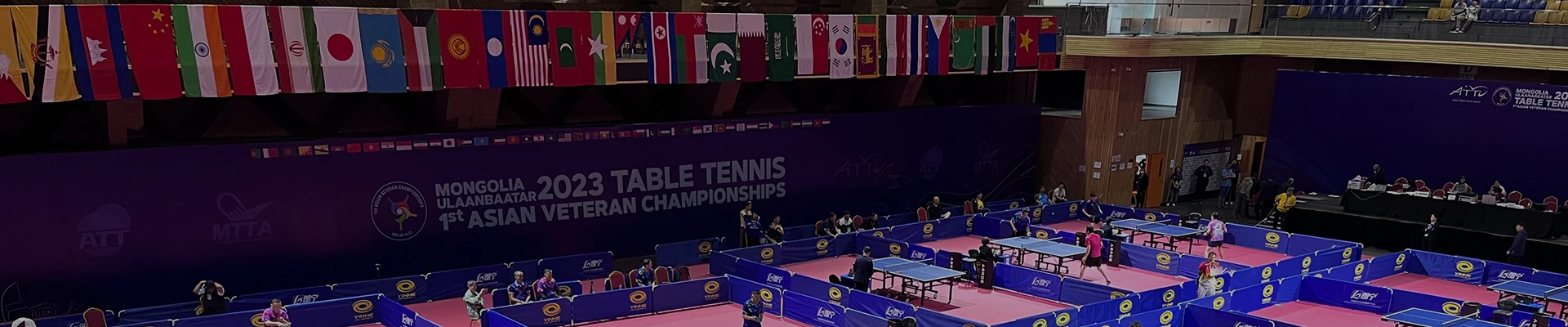
The Complete Guide to Ping Pong Flooring: Performance, Safety, and Trends
Understanding Ping Pong Flooring: Why It Matters in Sports and Beyond
If you’ve ever played or watched table tennis, you might not immediately think about the surface beneath your feet. Yet, the right ping pong flooring can make all the difference — for players’ performance, safety, and even the longevity of the venue. Globally, table tennis is one of the most popular sports, with millions of participants from Olympic arenas to school gymnasiums. As the sport grows worldwide, so does the focus on optimal flooring solutions that elevate the game and protect its advocates.
Beyond just sports halls, ping pong flooring often transcends its obvious uses—schools, community centers, and even multi-purpose event venues rely on it. Knowing the ins and outs of this specialized flooring isn’t just for athletes and coaches; architects, facility managers, and sport equipment suppliers are increasingly keen to understand what makes a floor fit-for-purpose in this arena.
Mini takeaway: Choosing the right ping pong flooring affects not only player comfort and the quality of gameplay but also long-term investment in sports infrastructure.
A Global View: The Rising Demand for Specialized Ping Pong Flooring
Table tennis saw a surge in global popularity, especially in Asia and Europe, with millions of players and fans alike. The International Table Tennis Federation (ITTF) notes that the sport is now practiced by over 300 million people worldwide. Thanks to this growth, proper ping pong flooring has become a critical piece of sports facilities everywhere — indoor arenas, schools, even recreational centers.
But here’s the challenge: many existing venues struggle with subpar flooring that causes injuries or disrupts play quality. According to data from the World Health Organization (WHO), sports-related injuries have climbed slightly in indoor court sports over the past decade — many due to inadequate surfaces.
Ping pong flooring specifically addresses this problem by combining grip, resilience, and shock absorption optimized for table tennis movements. Improved flooring reduces joint strain injuries and enhances player agility, showing a domino effect of benefits on public health and sport engagement worldwide.
Mini takeaway: As table tennis grows globally, so does the demand for flooring solutions that support safety, performance, and longevity — a triad that benefits players and venues alike.
What Exactly Is Ping Pong Flooring?
Simply put, ping pong flooring is a sports surface designed specifically to enhance the game of table tennis. Unlike generic gym floors—think hardwood or concrete—ping pong floors combine materials that provide optimal grip, slight cushioning, and bounce control. These factors ensure players have the right foot traction without risking slips, while also reducing the impact on ankles and knees.
In modern industry terms, this type of flooring is often made from synthetic vinyl, polyurethane, or rubber compounds with multiple layered construction. The design focuses on balance: tough enough to last thousands of game hours, yet refined enough to dampen noise and provide player comfort.
In humanitarian or education-related contexts, for example in community centers or schools in developing nations, ping pong flooring can be a relatively low-cost upgrade that fosters engagement, healthy activity, and social cohesion — making it a more inclusive space for youth programs.
Key Features That Make Ping Pong Flooring Tick
1. Durability
Durability is non-negotiable. Given the continuous footwork, sliding, and quick pivots of table tennis, the floor must withstand heavy use without cracking or warping. Manufacturers often incorporate UV-resistant materials and reinforced backing layers to maintain the floors’ integrity over years.
2. Shock Absorption
A well-crafted ping pong floor absorbs impact to protect players’ joints. This is often achieved through a multi-layer design including foam or rubber padding beneath the surface. It’s not just about comfort — it reduces injury risk, which is crucial in youth and competitive sports alike.
3. Traction and Grip
The surface must strike a fine balance: enough grip to prevent slips but smooth enough to allow quick footwork without sticking or drag. Usually, finishes are matte with slight texture. This may sound trivial, but for players shifting rapidly side to side, the feel underfoot can make or break performance.
4. Easy Maintenance
Floors see everything from spilled drinks to dust and scuffs. Having a surface that’s easy to clean and maintain — resistant to fading and staining — keeps venues looking and performing their best with minimal cost.
5. Safety Standards Compliance
Many manufacturers design flooring to meet ISO 9001 or European EN standards linked to sports surfaces. This ensures tested safety, environmental friendliness, and sometimes fire-retardant properties.
Mini takeaway:
- Durability, shock absorption, grip, ease of maintenance, and safety form the core pillars of effective ping pong flooring.
- These features together nurture a higher level of play while protecting venues and participants.
Real-World Applications and Success Stories
Globally, ping pong flooring finds its use across diverse contexts:
- Asia and Europe: Professional sports arenas hosting international tournaments insist on high-grade vinyl and polyurethane floors tailored for ITTF standards.
- Schools across the US and Canada: Many have upgraded from plain hardwood or gym tiles to cushioned ping pong flooring to reduce student injuries during PE and afterschool clubs.
- Community recreation centers in Africa and South America: NGOs installing multisport floors choose flexible, low-cost vinyl that combines ping pong, volleyball, and badminton suitability.
- Corporate wellness programs: Companies installing game rooms with ping pong tables invest in special flooring to protect office carpets and improve employee safety.
One telling example: A school district in Germany replaced aging hardwood floors with specialized ping pong flooring, reporting a 25% reduction in minor foot and ankle injuries among students who played regularly. Coaches also noted improvements in agility and overall game enjoyment.
Spec Sheet: Popular Ping Pong Flooring Product Characteristics
| Feature | Typical Values | Comments |
|---|---|---|
| Material | PVC, PU, Rubber | Synthetic for durability & grip |
| Thickness | 4-8 mm | Balance of cushioning & stability |
| Shock Absorption | 25-35% | Reduces impact stress on joints |
| Coefficient of Friction | 0.7 - 1.0 | Ideal grip for quick footwork |
| Fire Rating | Class B-s1, d0 | Meets European fire safety standards |
Comparing Leading Ping Pong Flooring Vendors
| Vendor | Material Options | Warranty | Price Range (per sqm) | Global Reach |
|---|---|---|---|---|
| SportSurface Pro | PU, PVC | 10 years | $35 - $50 | Europe, Asia, N. America |
| TableTurf Excellence | Rubber, Hybrid blends | 8 years | $30 - $45 | Global |
| FlexiCourt Solutions | PVC, Vinyl | 12 years | $40 - $55 | Europe, Africa |
Why Opt for Specialized Ping Pong Flooring? Advantages at a Glance
- Longevity: Superior materials mean your investment lasts years without costly replacement.
- Sustainability: Many floors now use recycled components and are recyclable at end-of-life.
- Player Safety: Reduced slips and joint strain lower injury rates, which benefits leagues, schools, and gyms.
- Performance Enhancement: Better traction and cushioning help players perform fluid footwork more confidently.
- Noise Reduction: Layers absorb impact sounds, creating a more pleasant atmosphere in multi-use facilities.
The Future of Ping Pong Flooring: Trends Worth Watching
Innovations are underway: smarter flooring embedded with sensors to track player movements is slowly entering the market — imagine real-time coaching insights just from foot pressure and positioning data.
Environmentally, trendsetters are experimenting with bio-based or fully recyclable materials, aligning with stricter global sustainability regulations. Digital printing techniques also allow customized surface patterns that don’t wear off, merging aesthetics and function.
Finally, modular flooring solutions are gaining traction — floors that can be quickly installed and removed, perfect for events or multi-use courts that need flexibility.
Common Challenges and How Experts Are Addressing Them
Installing ping pong flooring isn’t without hurdles. Below are recurring concerns and practical solutions:
- Cost Constraints: High-performance floors can be pricey upfront. Solution? Phased installation or modular tiles reduce initial costs.
- Installation Complexity: Some materials require professional installation and acclimation periods. Vendors now offer DIY kits and better online guides.
- Wear and Tear in Multi-sport Venues: Multipurpose facilities risk damage from heavy equipment or unsuitable footwear. Protective overlays and maintenance plans help.
- Climate Sensitivity: Humidity and temperature changes affect some materials. More resilient formulas and improved backing layers mitigate this.
FAQ: Common Questions About Ping Pong Flooring
- Q: What flooring type offers the best balance between grip and cushioning for table tennis?
A: A vinyl or polyurethane surface with a thickness around 5-7 mm is often preferred. This gives excellent traction while absorbing shocks to reduce injury risks. - Q: How long does professional-grade ping pong flooring usually last?
A: With regular maintenance, quality flooring can last 10-15 years, depending on usage intensity and care. - Q: Are there eco-friendly ping pong flooring options?
A: Yes. Many manufacturers use recycled materials and bio-based resins. Look for eco-labels or certifications like ISO 14001. - Q: Can ping pong flooring be used in outdoor settings?
A: Typically, no. Outdoor conditions degrade vinyl and PU quickly. Outdoor-specific sports surfaces are recommended instead. - Q: How difficult is it to install ping pong flooring in an existing gym?
A: Installation ranges from a few hours for modular tile systems to days for glued rolls. It usually requires a flat, clean subfloor and some acclimation time.
Wrapping Up: Why Ping Pong Flooring Is a Game-Changer
In real terms, ping pong flooring isn’t just about what looks good underfoot; it’s a vital part of making table tennis safer, more accessible, and enjoyable — everywhere from Olympic halls to neighborhood clubs. The science behind the materials, the evolving manufacturing techniques, and the growing demand worldwide all underline something important: better flooring means better play, and that means a healthier, more active global community.
Feeling inspired to upgrade your facility or learn more? Check out our curated solutions and resources at ping pong flooring. Your players — and your budget — will thank you for it.
References
-
Premium Outdoor Dance Floor for Sale Professional Event SurfacesNewsApr.16,2026
-
Premium Professional White Dance Floor for Sale and Buying GuideNewsApr.09,2026
-
Find Your Perfect Portable Dance Floor for Sale and Create Unforgettable EventsNewsApr.07,2026
-
Find High Quality Dance Flooring for Sale and Expert GuidanceNewsApr.04,2026
-
Comprehensive Guide to Durable Commercial Vinyl Solutions for BusinessesNewsMar.31,2026
-
Comprehensive Commercial Flooring Management for Business LongevityNewsMar.28,2026
-
Comprehensive Guide to Selecting the Right Commercial Flooring MaterialsNewsMar.26,2026