


Selecting the Ideal Commercial Flooring Material for Your Business Needs
Choosing the Right Commercial Flooring Material
Selecting the appropriate commercial flooring material is crucial for any business. It impacts aesthetics, safety, durability, and maintenance costs. From bustling retail spaces to high-traffic offices and demanding industrial environments, the floor beneath your feet plays a pivotal role. This article will guide you through the key considerations and common options, helping you make an informed decision. We’ll cover a range of materials, their pros and cons, and offer insights into choosing the best solution for your specific needs.
Understanding Your Flooring Needs
Before diving into specific materials, assess your requirements. Consider the level of foot traffic, potential for spills and moisture, the need for sound absorption, and budgetary constraints. For example, a retail store with high customer volume will require a highly durable and easy-to-clean flooring solution. An office might prioritize comfort and soundproofing, while an industrial facility will focus on resistance to heavy machinery and chemicals. Defining these needs will significantly narrow down your options and ensure a successful outcome. Furthermore, think about long-term maintenance. Some materials require more frequent polishing or waxing than others.
Key Considerations: Foot traffic, moisture exposure, sound absorption, budget, and maintenance requirements.
Common Commercial Flooring Materials
Several materials are commonly used for commercial flooring, each with its own advantages and disadvantages. Here's a look at some popular choices:
- Vinyl Flooring (LVT & Sheet Vinyl): Durable, water-resistant, and cost-effective. Ideal for retail, healthcare, and education.
- Commercial Carpet: Offers comfort, sound absorption, and a wide range of design options. Suitable for offices and hospitality.
- Tile (Ceramic & Porcelain): Highly durable, water-resistant, and easy to clean. Excellent for restrooms, kitchens, and high-traffic areas.
- Epoxy Flooring: Seamless, durable, and chemical-resistant. Often used in industrial settings, warehouses, and laboratories.
- Concrete Flooring: Strong, durable, and customizable. Popular for modern, industrial-style spaces.
- Rubber Flooring: Provides excellent cushioning and slip resistance. Well-suited for gyms, fitness centers, and playgrounds.
Comparing Flooring Materials: Durability and Cost
Let's examine a side-by-side comparison of common commercial flooring materials, focusing on durability and cost:
Maintenance Requirements: A Key Consideration
Regular maintenance is essential to prolong the life and appearance of any commercial flooring. Vinyl and tile are relatively easy to clean and maintain, requiring only sweeping and mopping. Carpet requires regular vacuuming and occasional deep cleaning. Epoxy and concrete may require periodic resealing. The amount of maintenance needed should factor into your decision, considering the labor costs and potential disruptions to your business. Choosing a material that aligns with your maintenance capabilities is vital for long-term cost-effectiveness.
Sustainability and Environmental Impact
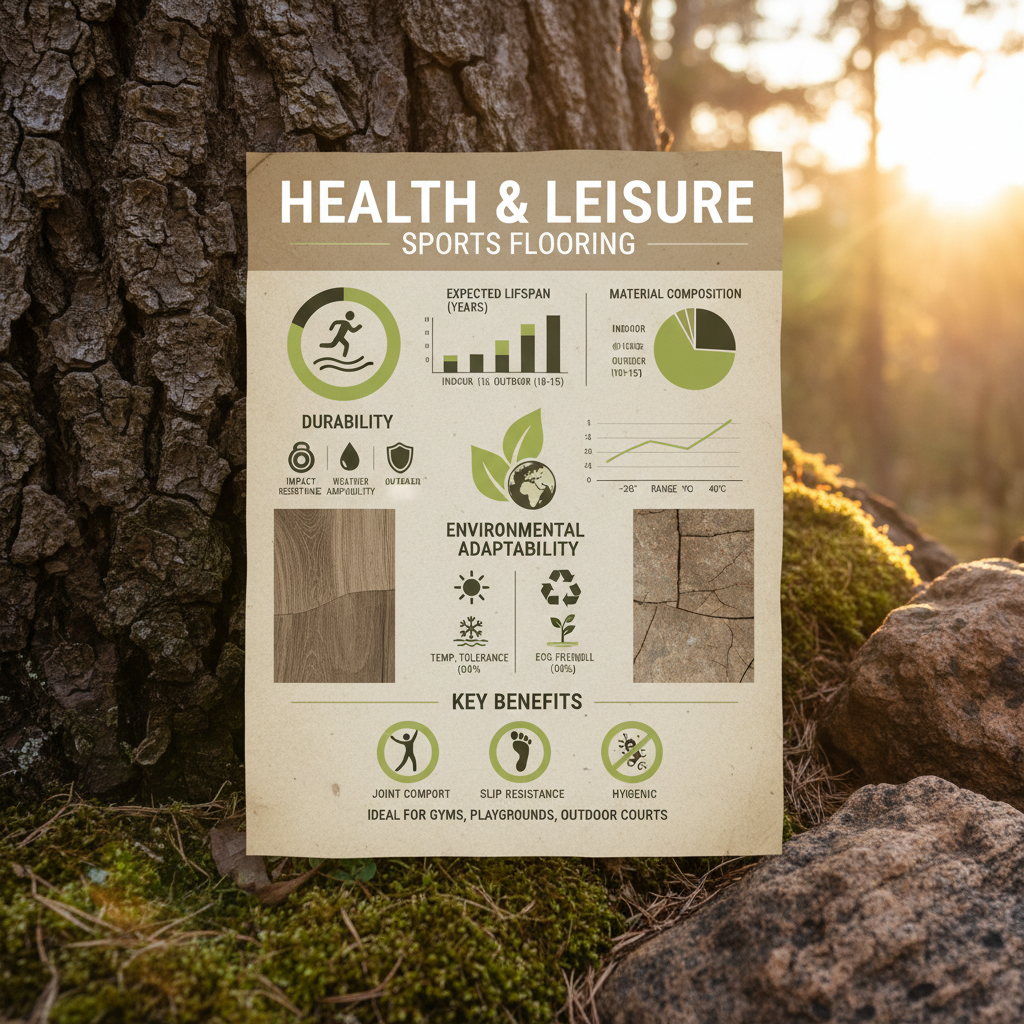
Increasingly, businesses are prioritizing sustainability. Consider materials with recycled content, low VOC emissions, and responsible sourcing. Many manufacturers now offer eco-friendly options for various flooring types. Look for certifications such as LEED (Leadership in Energy and Environmental Design) to identify products that meet specific environmental standards. Choosing sustainable commercial flooring can enhance your company's image and contribute to a healthier environment.
Conclusion: Choosing the Best Commercial Flooring
Selecting the right commercial flooring is a significant investment. By carefully considering your specific needs, budget, maintenance requirements, and sustainability goals, you can find the perfect solution to create a safe, comfortable, and aesthetically pleasing environment for your business. Don't hesitate to consult with flooring professionals for expert advice and guidance.
Frequently Asked Questions (FAQs)
What is the best flooring for high-traffic retail spaces?
For high-traffic retail environments, durability and ease of maintenance are paramount. Luxury Vinyl Tile (LVT) is an excellent choice due to its resistance to scratches, dents, and moisture. Porcelain tile is also a strong contender, offering exceptional durability and a wide range of design options. Avoid carpet in extremely high-traffic areas, as it can quickly show wear and tear. Regular cleaning and occasional professional maintenance are essential for all flooring types in retail settings.
How do I choose between sheet vinyl and LVT?
Both sheet vinyl and LVT are good options, but they differ in several ways. Sheet vinyl is generally more affordable and offers seamless installation, making it ideal for areas where moisture is a concern. LVT, however, provides a more realistic look and feel, mimicking the appearance of wood or stone. It's also more durable and easier to repair if damaged. Consider your budget, aesthetic preferences, and the level of moisture exposure when making your decision.
Is epoxy flooring suitable for all industrial applications?
While epoxy flooring is incredibly durable and chemical-resistant, it's not suitable for all industrial applications. It can become slippery when wet, so anti-slip additives are crucial in areas prone to moisture. Epoxy can also be sensitive to extreme temperatures and may require specialized installation techniques. It's important to assess the specific demands of your industrial environment before opting for epoxy flooring.
What are the benefits of rubber flooring in a gym?
Rubber flooring is an excellent choice for gyms due to its exceptional cushioning, which protects joints during exercise and reduces the risk of injuries. It also provides excellent slip resistance, even when wet. Rubber flooring is highly durable and can withstand heavy weights and foot traffic. Furthermore, it's relatively easy to clean and maintain, making it a practical and safe option for fitness facilities.
-
Premium Outdoor Dance Floor for Sale Professional Event SurfacesNewsApr.16,2026
-
Premium Professional White Dance Floor for Sale and Buying GuideNewsApr.09,2026
-
Find Your Perfect Portable Dance Floor for Sale and Create Unforgettable EventsNewsApr.07,2026
-
Find High Quality Dance Flooring for Sale and Expert GuidanceNewsApr.04,2026
-
Comprehensive Guide to Durable Commercial Vinyl Solutions for BusinessesNewsMar.31,2026
-
Comprehensive Commercial Flooring Management for Business LongevityNewsMar.28,2026
-
Comprehensive Guide to Selecting the Right Commercial Flooring MaterialsNewsMar.26,2026