


Elevating Business Spaces with Innovative Commercial Flooring Design
Commercial Flooring Design: Elevating Spaces with Style and Function
When considering the aesthetic and functional needs of a business or public space, commercial flooring design plays a critical role. From creating a welcoming atmosphere to ensuring durability and safety, the right flooring can significantly impact a company's brand image and operational efficiency. This article delves into the key aspects of commercial flooring, exploring different materials, design considerations, and the importance of choosing the right solution for your specific needs. We'll look at how thoughtful commercial flooring can contribute to a positive user experience and long-term value.
Understanding the Diverse Options in Commercial Flooring
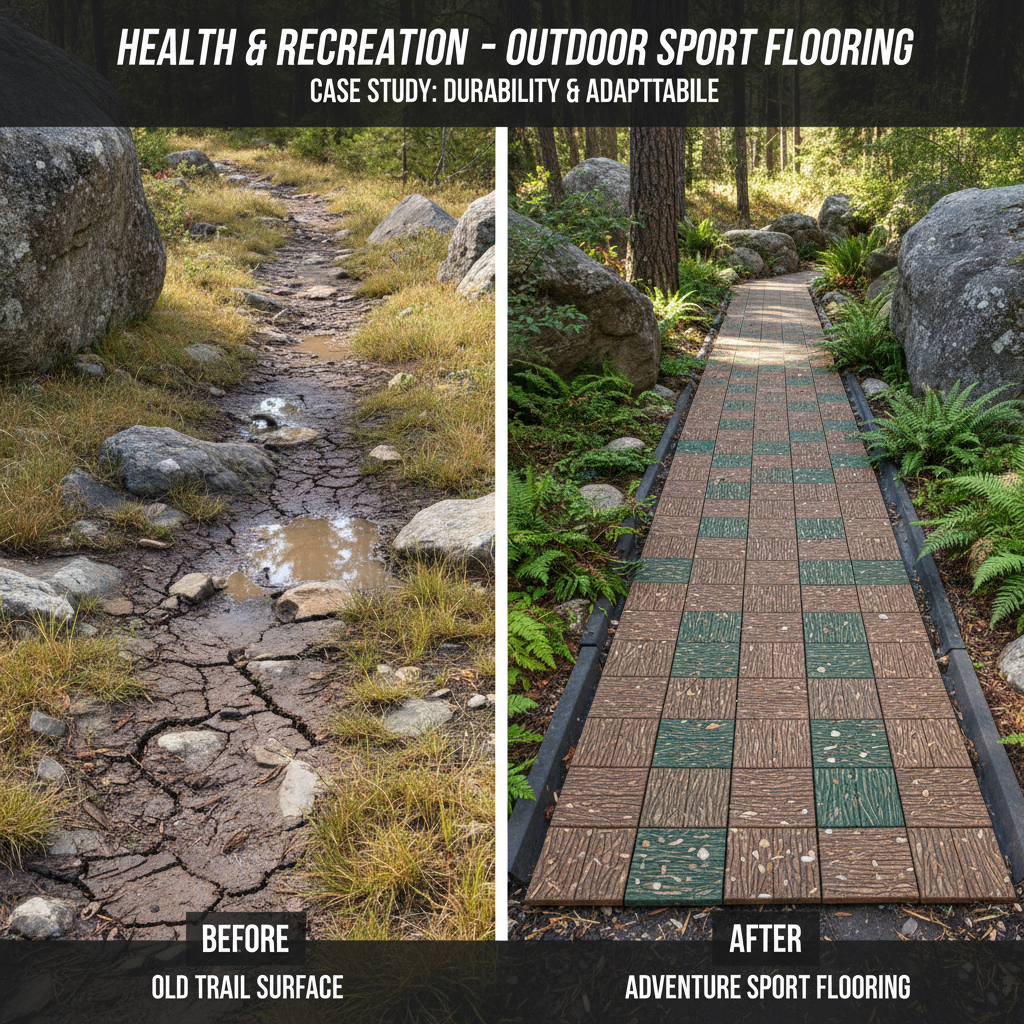
The world of commercial flooring offers a vast array of options, each with its unique benefits and drawbacks. Common choices include Vinyl Composition Tile (VCT), Luxury Vinyl Tile (LVT), carpet tiles, rubber flooring, and epoxy flooring. VCT is known for its affordability and durability, making it a popular choice for high-traffic areas. LVT provides a more realistic aesthetic, mimicking the look of wood or stone. Carpet tiles offer comfort and sound absorption, while rubber flooring provides excellent impact resistance and slip resistance. Epoxy flooring is often used in industrial settings due to its chemical resistance and durability. Selecting the right material depends on factors such as budget, expected foot traffic, aesthetic preferences, and specific functional requirements.
Key Considerations: Durability, maintenance, cost, aesthetics, safety (slip resistance), sound absorption, and environmental impact.
Commercial Flooring Materials: A Comparative Overview
Choosing the right commercial flooring material is crucial. Here's a comparative overview of some popular options to help you make an informed decision. This table highlights the strengths and weaknesses of each material.
Design Considerations for Commercial Spaces
Beyond material selection, thoughtful design is essential. Consider factors like foot traffic patterns, branding, and the overall aesthetic you wish to achieve. Color and texture play a significant role in creating a welcoming and functional space. For example, lighter colors can make a space appear larger, while darker colors can create a more intimate feel. Patterned flooring can define zones within an open-plan office, while minimalist designs can promote a sense of calm and sophistication. Langning Sports offers expert design consultation to help you create the perfect flooring solution for your business.
The Impact of Commercial Flooring Design on Brand Perception
Your flooring choices contribute significantly to your brand perception. A sleek, modern flooring design can project an image of innovation and sophistication, while a warm and inviting carpeted space can convey a sense of comfort and hospitality. Consistent flooring throughout your brand's locations helps reinforce brand identity. Investing in high-quality, aesthetically pleasing flooring demonstrates a commitment to quality and attention to detail, which can positively influence customer perceptions and loyalty. At Langning Sports, we understand the importance of aligning flooring choices with your brand's overall image.
Sustainable Commercial Flooring Options
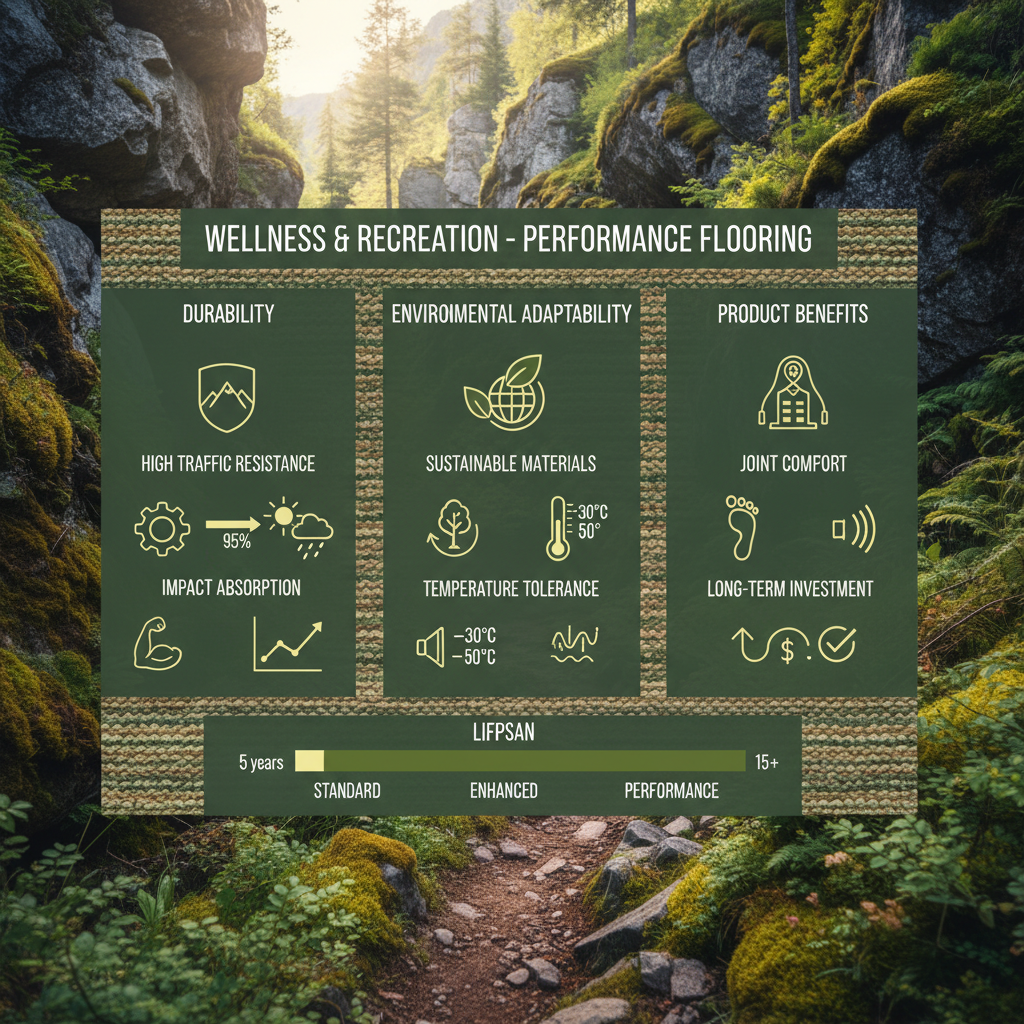
Increasingly, businesses are prioritizing sustainability. Fortunately, there are numerous eco-friendly commercial flooring options available. These include recycled content flooring (such as recycled rubber or vinyl), rapidly renewable materials (like bamboo or cork), and flooring with low VOC emissions. Choosing sustainable flooring not only benefits the environment but can also enhance your company's reputation and appeal to environmentally conscious customers. Langning Sports offers a wide selection of sustainable flooring solutions.
Conclusion: Investing in the Right Commercial Flooring Design
Choosing the right commercial flooring design is a significant investment that impacts aesthetics, functionality, and your brand image. By carefully considering your needs, budget, and sustainability goals, you can select a flooring solution that enhances your space and provides long-term value. Don't hesitate to consult with experts at Langning Sports to find the perfect fit for your business.
Frequently Asked Questions (FAQs)
What is the typical lifespan of commercial flooring?
The lifespan of commercial flooring varies depending on the material and the level of traffic it experiences. Generally, VCT can last 20-30 years with proper maintenance, while LVT typically lasts 10-20 years. Carpet tiles may need to be replaced every 5-10 years, and rubber flooring can last 10-15 years. Epoxy flooring, when properly installed, can last for decades. Regular cleaning, maintenance, and prompt repairs are crucial for maximizing the lifespan of any commercial flooring.
How often should commercial flooring be cleaned?
Commercial flooring should be cleaned regularly to maintain its appearance and hygiene. Daily sweeping or vacuuming is essential for removing dust and debris. Weekly or bi-weekly deep cleaning, including mopping or scrubbing, is recommended. The frequency of deep cleaning will depend on the level of foot traffic and the type of flooring. It's also important to address spills immediately to prevent staining and damage. At Langning Sports, we can provide cleaning and maintenance recommendations for your specific flooring type.
What flooring is best for high-traffic areas?
For high-traffic areas, durability is paramount. Rubber flooring and VCT are excellent choices due to their resistance to wear and tear. LVT is also a good option, particularly if you desire a more aesthetically pleasing look. Consider flooring with a thicker wear layer for increased durability. Regular maintenance is crucial in high-traffic areas to prolong the lifespan of the flooring and maintain its appearance.
-
Premium Outdoor Dance Floor for Sale Professional Event SurfacesNewsApr.16,2026
-
Premium Professional White Dance Floor for Sale and Buying GuideNewsApr.09,2026
-
Find Your Perfect Portable Dance Floor for Sale and Create Unforgettable EventsNewsApr.07,2026
-
Find High Quality Dance Flooring for Sale and Expert GuidanceNewsApr.04,2026
-
Comprehensive Guide to Durable Commercial Vinyl Solutions for BusinessesNewsMar.31,2026
-
Comprehensive Commercial Flooring Management for Business LongevityNewsMar.28,2026
-
Comprehensive Guide to Selecting the Right Commercial Flooring MaterialsNewsMar.26,2026