Outdoor sport court tiles are rapidly becoming a cornerstone of modern athletic infrastructure, offering a versatile and durable surfacing solution for a wide array of sports and recreational activities. From basketball and tennis to volleyball and pickleball, these tiles provide a high-performance playing surface that is increasingly preferred over traditional asphalt or concrete. The global demand for quality sports facilities, coupled with the growing emphasis on accessibility and safety, is driving significant growth in the outdoor sport court tiles market.
The importance of outdoor sport court tiles extends beyond merely providing a playing surface. They contribute significantly to community well-being by encouraging physical activity and fostering social interaction. Their modular design allows for easy installation and customization, making them suitable for diverse environments – from schools and parks to private residences and professional sports complexes. This adaptability, combined with their long lifespan and minimal maintenance requirements, positions outdoor sport court tiles as a cost-effective and sustainable investment.
Understanding the nuances of these tiles—their materials, installation processes, and performance characteristics—is crucial for stakeholders involved in sports facility development, construction, and maintenance. Choosing the right type of outdoor sport court tiles can dramatically impact player safety, performance, and the overall longevity of the facility.
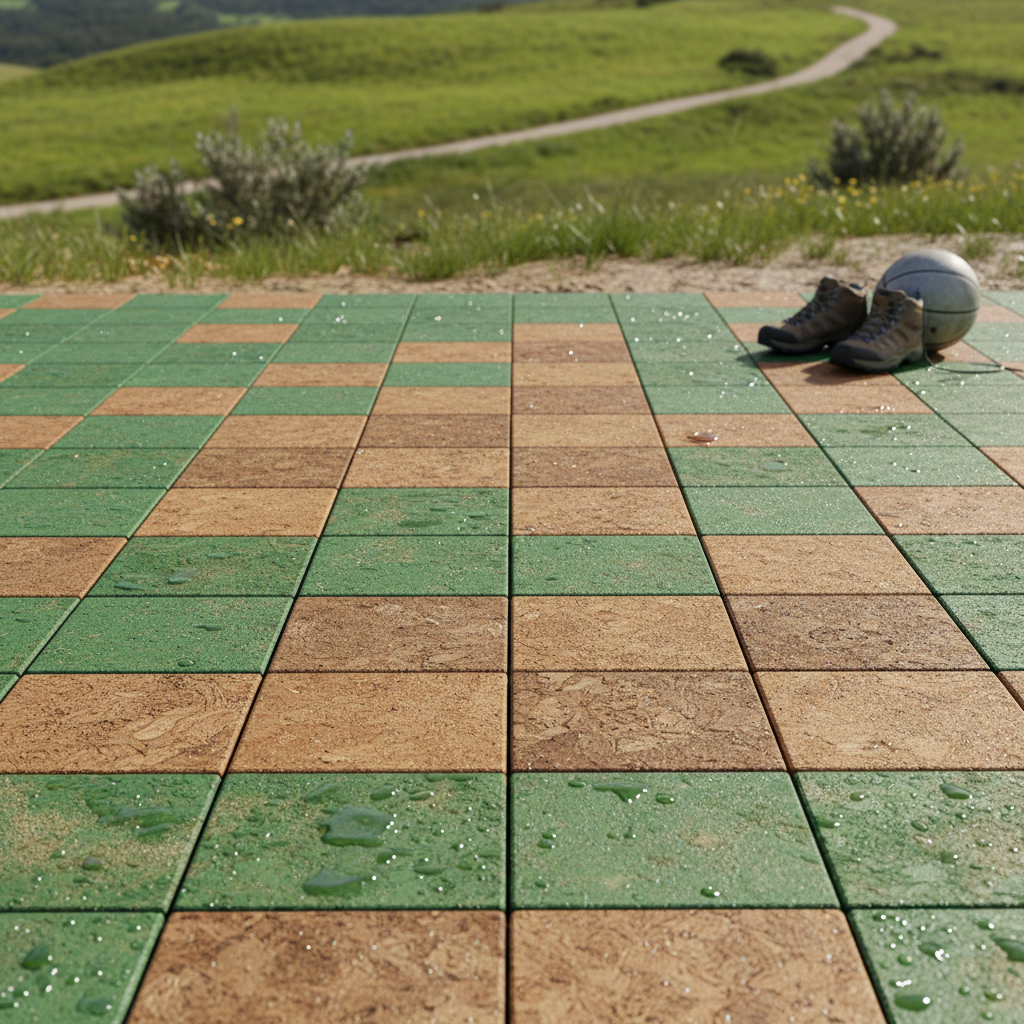
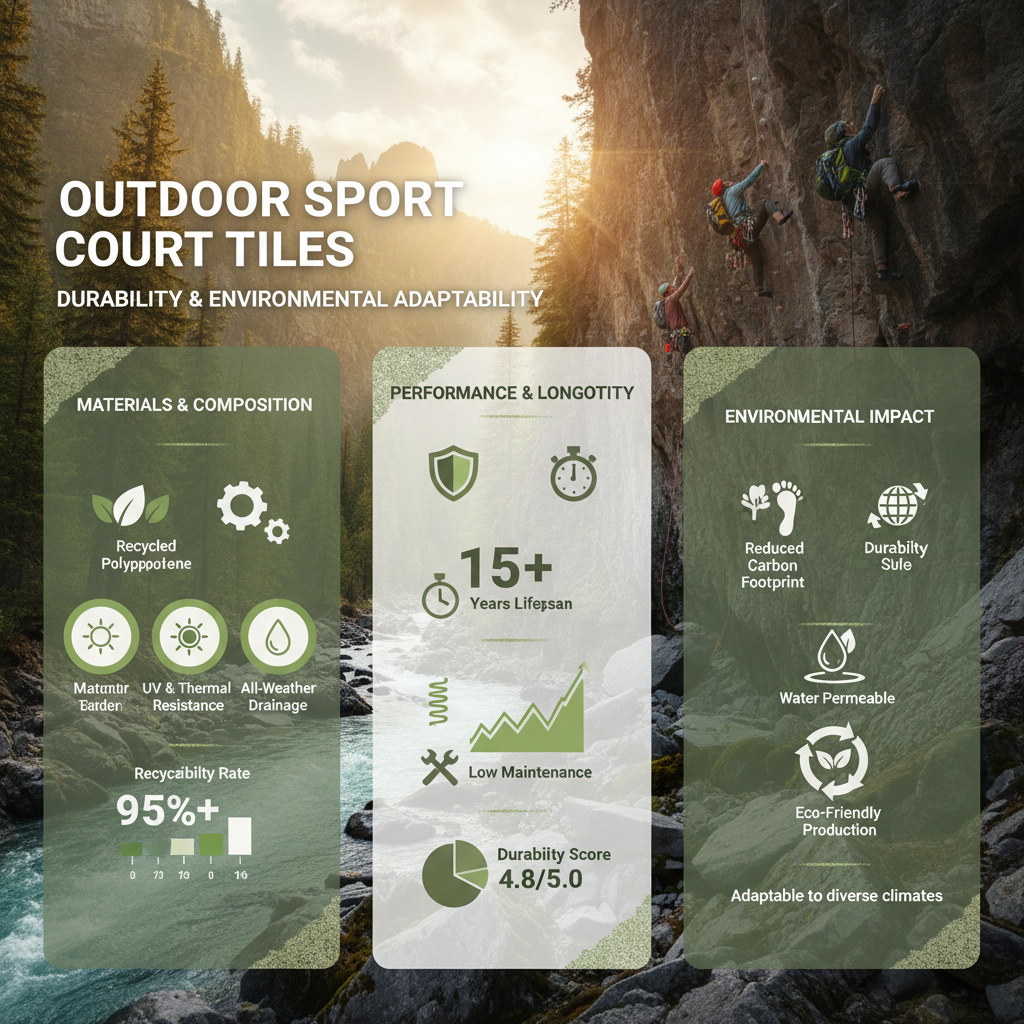
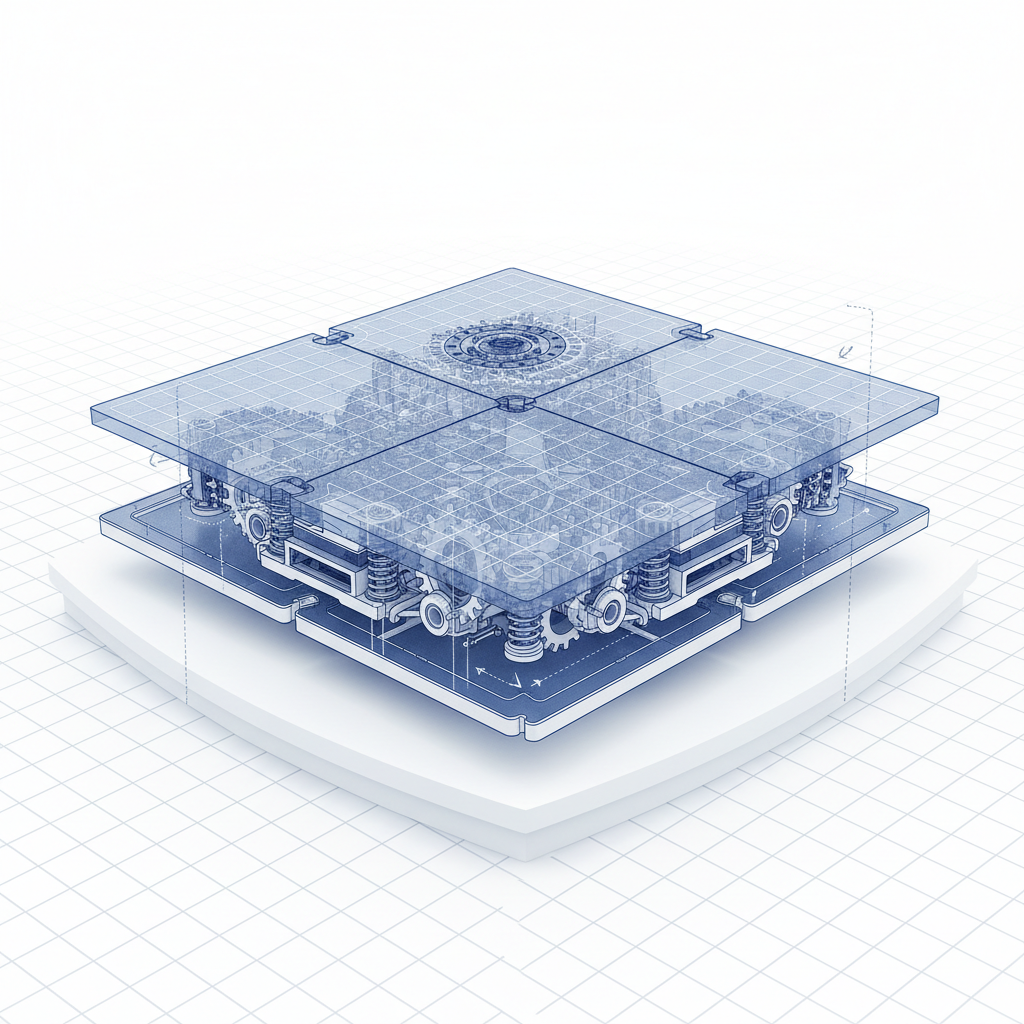
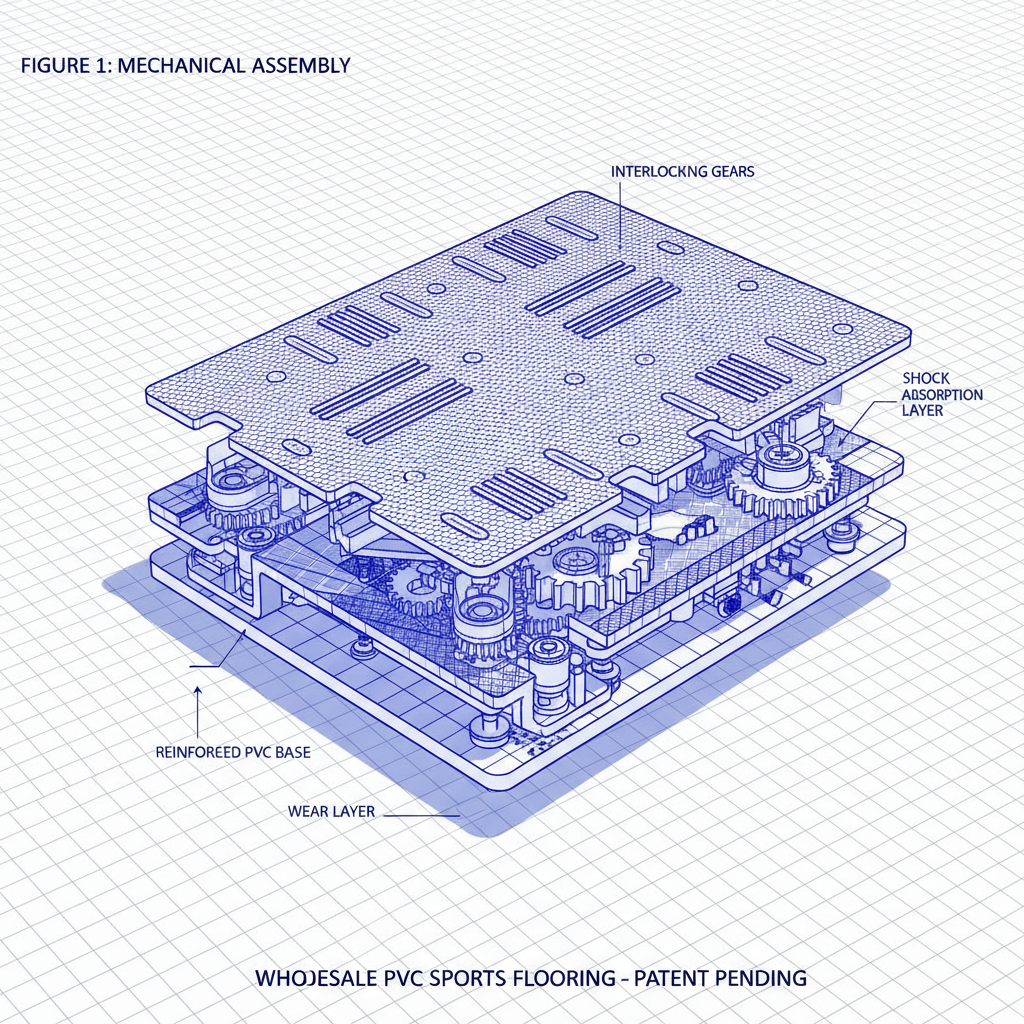
Outdoor sport court tiles are interlocking modular surfacing systems designed to create durable, safe, and aesthetically pleasing playing surfaces for a variety of sports. Typically made from polypropylene or polyethylene, these tiles are engineered to provide excellent shock absorption, traction, and resistance to weather conditions. They represent a significant advancement over traditional hard court surfaces.
These tiles play a crucial role in promoting accessibility to sports and recreation. Their relative ease of installation and adaptability allow them to be deployed in locations where constructing traditional concrete or asphalt courts would be impractical or cost-prohibitive. This is particularly valuable in community centers, schools with limited budgets, and residential settings where homeowners want to create a dedicated sports area.
With proper installation and minimal maintenance, outdoor sport court tiles can typically last between 10 and 20 years, significantly longer than traditional asphalt or concrete surfaces. The lifespan is influenced by factors such as UV exposure, climate conditions, and the frequency of use. Regular cleaning and occasional repairs can help extend the tiles’ longevity.
Outdoor sport court tiles are designed to withstand a wide range of weather conditions, including rain, snow, and extreme temperatures. They are typically made from UV-resistant materials that prevent fading and degradation. However, proper drainage is essential to prevent water accumulation and potential ice formation, which could create slippery conditions.
The interlocking design of outdoor sport court tiles makes them relatively easy to install, often requiring no specialized tools or adhesives. While DIY installation is possible for smaller areas, professional installation is recommended for larger or more complex projects to ensure proper leveling and a secure interlocking system.
Outdoor sport court tiles require minimal maintenance. Regular sweeping or blowing to remove debris is typically sufficient. Periodic washing with mild soap and water can help remove dirt and stains. For more stubborn stains, specialized cleaning solutions may be required. It's also important to inspect the tiles periodically for any signs of damage or loose connections.
While the initial cost of outdoor sport court tiles may be slightly higher than traditional surfaces like asphalt, their long-term cost-effectiveness is often superior. Lower maintenance requirements, increased durability, and reduced repair costs contribute to significant savings over the lifespan of the surface. Moreover, the tiles’ modularity allows for phased installation and future upgrades.
Absolutely! Beyond their use for traditional sports like basketball and tennis, outdoor sport court tiles are versatile enough for a wide range of applications, including patios, playgrounds, gyms, trade show floors, and even garage flooring. Their durability, comfort, and aesthetic appeal make them a suitable choice for various recreational and commercial settings.
In conclusion, outdoor sport court tiles represent a significant advancement in sports surfacing technology, offering a compelling combination of durability, safety, versatility, and cost-effectiveness. Their growing adoption across diverse sectors—from schools and parks to private residences and professional facilities—demonstrates their widespread appeal and value proposition. Understanding the key components, performance metrics, and emerging trends associated with these tiles is crucial for making informed decisions and maximizing their benefits.
Looking ahead, continued innovation in materials, manufacturing processes, and smart technologies will further enhance the performance and sustainability of outdoor sport court tiles. By embracing these advancements, we can create more accessible, safe, and enjoyable sporting environments for communities around the world. For superior quality outdoor sport court tiles, visit our website today.