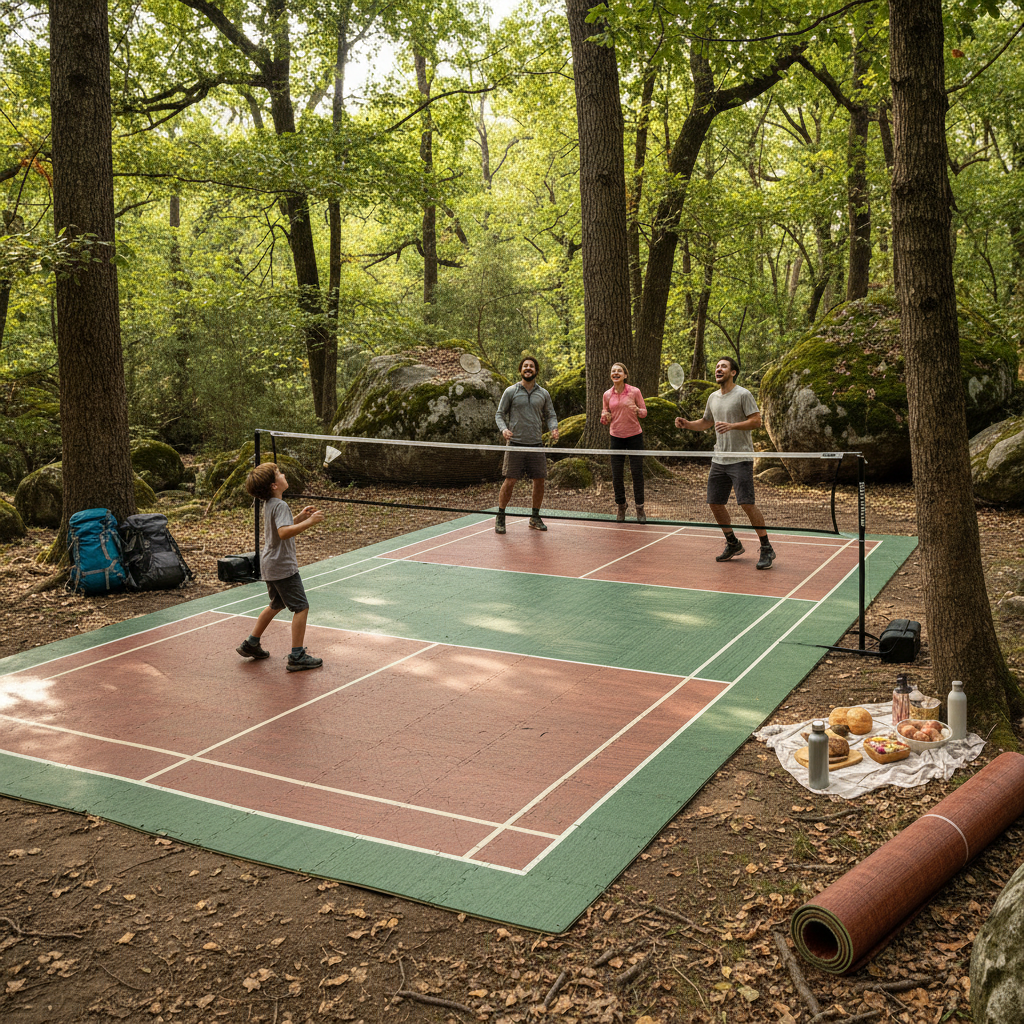
Indoor PVC sports flooring has emerged as a cornerstone material in modern athletic facilities, offering a versatile and high-performance surface for a wide range of sports and recreational activities. Its global relevance stems from the increasing demand for safe, durable, and cost-effective flooring solutions in gyms, multi-purpose arenas, and specialized sports venues. Understanding the nuances of indoor PVC sports flooring – from its composition and installation to its long-term maintenance and environmental impact – is crucial for architects, facility managers, and athletes alike.
The market for indoor pvc sports flooring is experiencing significant growth, driven by factors such as the increasing participation in indoor sports, a rising focus on athlete safety, and the demand for visually appealing and customizable flooring options. According to recent industry reports, the global sports flooring market is projected to reach billions of dollars in the coming years, with PVC flooring accounting for a substantial share. This growth underscores the importance of understanding its properties, applications, and emerging trends.
Ultimately, indoor pvc sports flooring provides a unique combination of performance characteristics, affordability, and design flexibility, making it a preferred choice for both professional and recreational facilities worldwide. It addresses critical challenges related to impact absorption, slip resistance, and ease of maintenance, fostering a safer and more enjoyable experience for athletes and users.
Introduction to Indoor PVC Sports Flooring
Indoor PVC sports flooring has rapidly become a leading choice for a diverse array of athletic and recreational facilities worldwide. This versatile material offers a compelling combination of performance, durability, and cost-effectiveness, making it an ideal surface for badminton courts, volleyball courts, basketball courts, gyms, and multi-purpose spaces. Its inherent shock absorption properties contribute to athlete safety and reduce fatigue.
The increasing demand for high-quality indoor sports surfaces is fueling the growth of the PVC sports flooring market. Facility owners and managers are increasingly prioritizing materials that provide consistent performance, require minimal maintenance, and enhance the overall user experience. This has resulted in continuous innovation in PVC flooring technology, leading to improved durability, enhanced aesthetic options, and greater environmental sustainability.
Defining Indoor PVC Sports Flooring
Indoor PVC sports flooring, simply put, is a synthetic flooring material composed primarily of polyvinyl chloride (PVC). It's engineered specifically to provide a resilient, durable, and safe surface for indoor athletic activities. Unlike traditional hard flooring options like concrete or wood, PVC flooring offers a degree of elasticity that absorbs impact and reduces stress on joints, crucial for preventing injuries in high-impact sports.
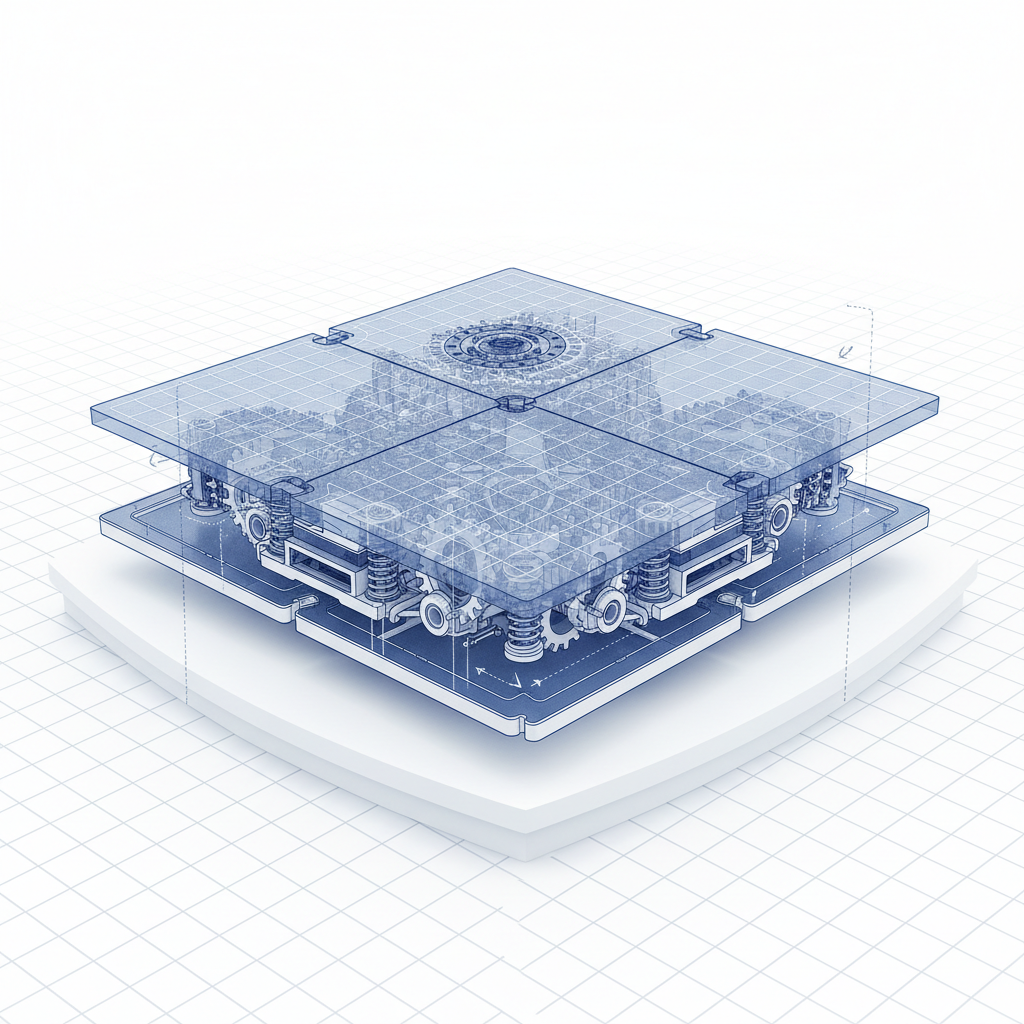
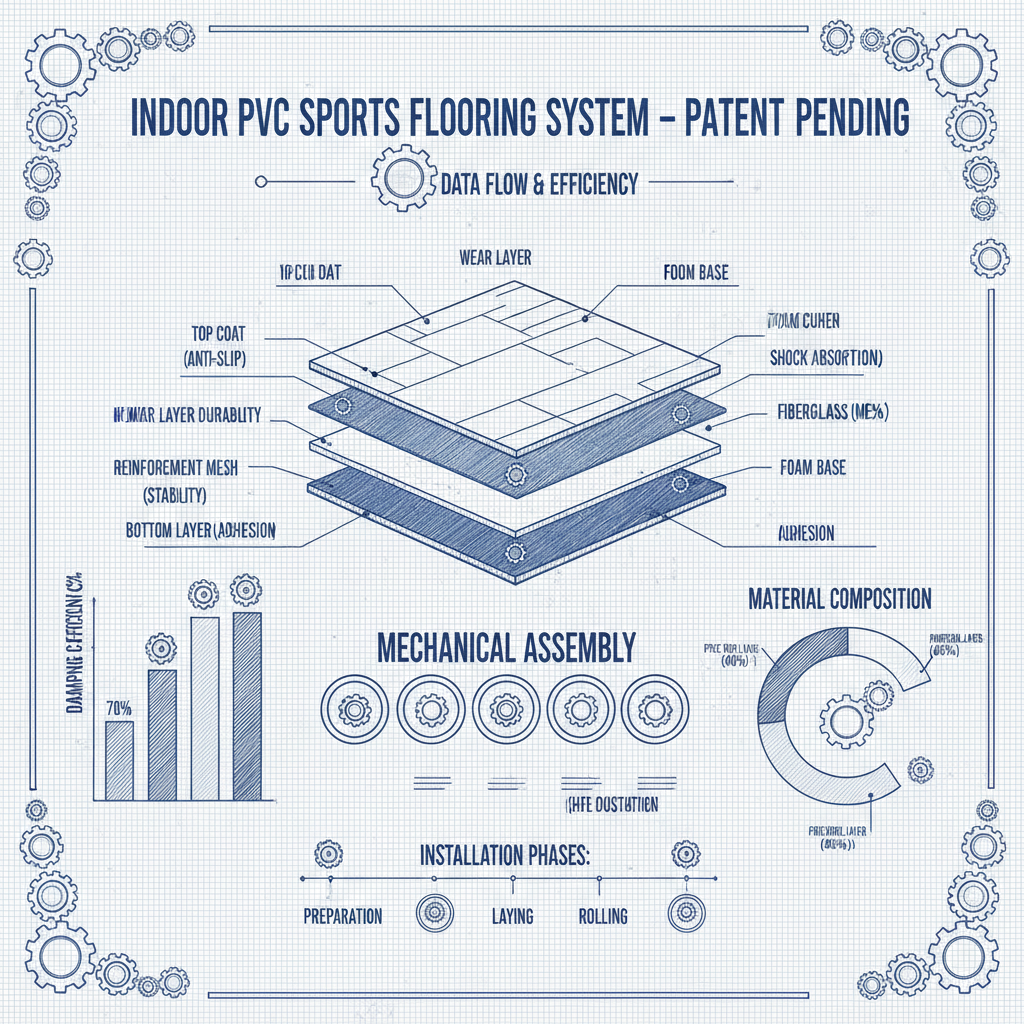
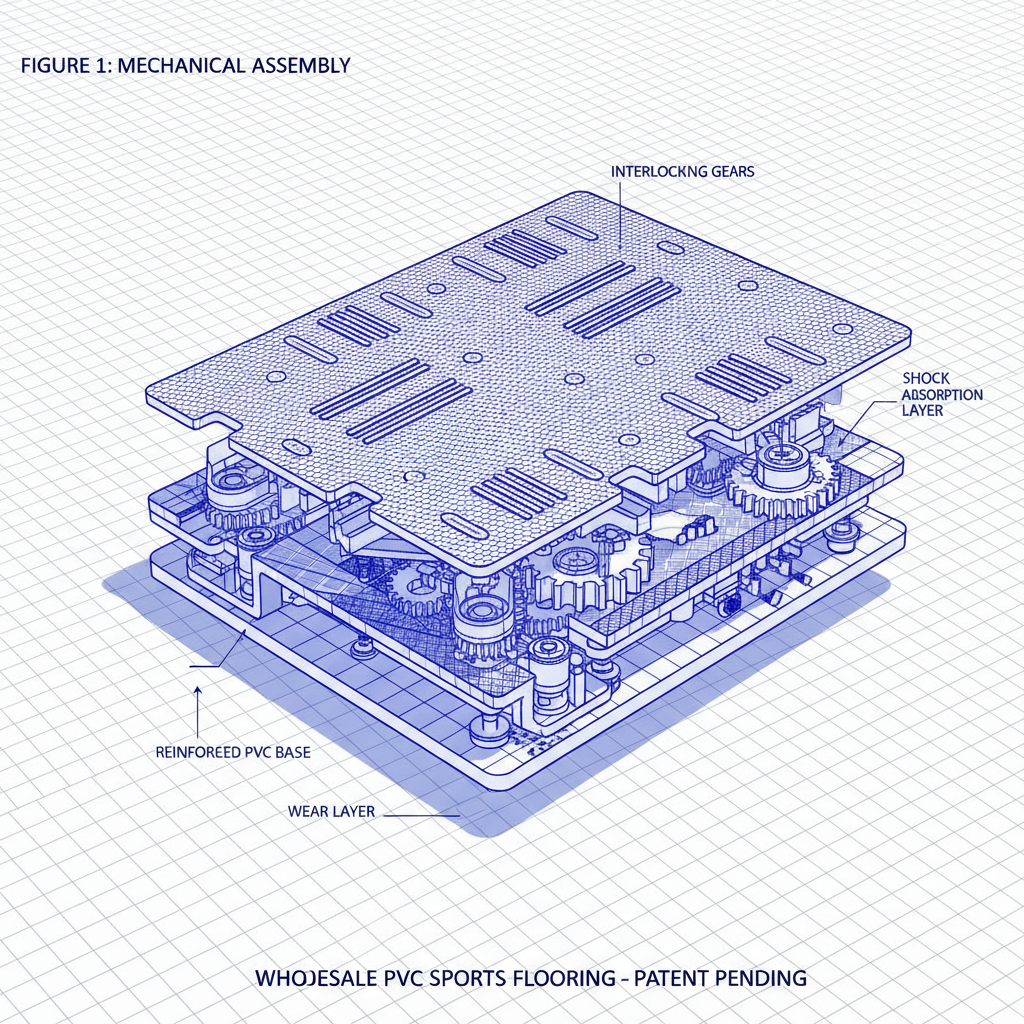
The construction of indoor PVC sports flooring typically involves multiple layers, often including a wear layer, a foam layer for cushioning, and a backing layer for stability. These layers are carefully formulated to provide specific performance characteristics, such as slip resistance, ball rebound, and dimensional stability. Its connection to modern industry lies in its continuous development incorporating advanced polymer technology.
In essence, indoor PVC sports flooring bridges the gap between performance requirements and practical considerations. It’s a vital component in creating spaces dedicated to fitness, recreation, and competitive sports, meeting the evolving needs of athletes and facility operators worldwide.
Key Factors of Indoor PVC Sports Flooring
Several core factors contribute to the superior performance and wide adoption of indoor PVC sports flooring. One crucial aspect is Durability. High-quality PVC flooring can withstand heavy foot traffic, repeated impacts, and the demands of intense athletic activity, resisting wear and tear for years with proper maintenance.
Another key factor is Impact Absorption. The inherent elasticity of PVC provides excellent cushioning, reducing stress on joints and minimizing the risk of injuries, particularly in sports involving jumping and running. Slip Resistance is also paramount, ensuring athletes can move safely and confidently during play. Maintenance is comparatively easy – regular sweeping and damp mopping are usually sufficient to keep the surface clean and in optimal condition. Finally, Customization allows for diverse designs, colors, and patterns to match brand aesthetics and enhance the overall aesthetic appeal of the space.
These factors are not independent; they work synergistically to create a superior sports surface. For example, a durable wear layer protects the underlying foam layer, preserving its impact absorption properties over time. Similarly, the surface texture and finish contribute to both slip resistance and ease of cleaning. Understanding these interdependencies is essential when selecting the appropriate PVC flooring for a specific application.
Furthermore, modern PVC sports flooring often incorporates advanced technologies like antimicrobial treatments and anti-static properties, enhancing hygiene and comfort. These advancements underscore the commitment to providing not only high-performance but also safe and healthy athletic environments.
Global Applications of Indoor PVC Sports Flooring
The versatility of indoor PVC sports flooring makes it suitable for a vast array of applications globally. It is extensively used in Gymnasiums and multi-purpose sports halls in schools, universities, and community centers across North America, Europe, and Asia, providing a safe and comfortable surface for a variety of activities. It's also a mainstay in Badminton Courts and Volleyball Courts in countries with strong traditions in these sports, such as China, Indonesia, and South Korea.
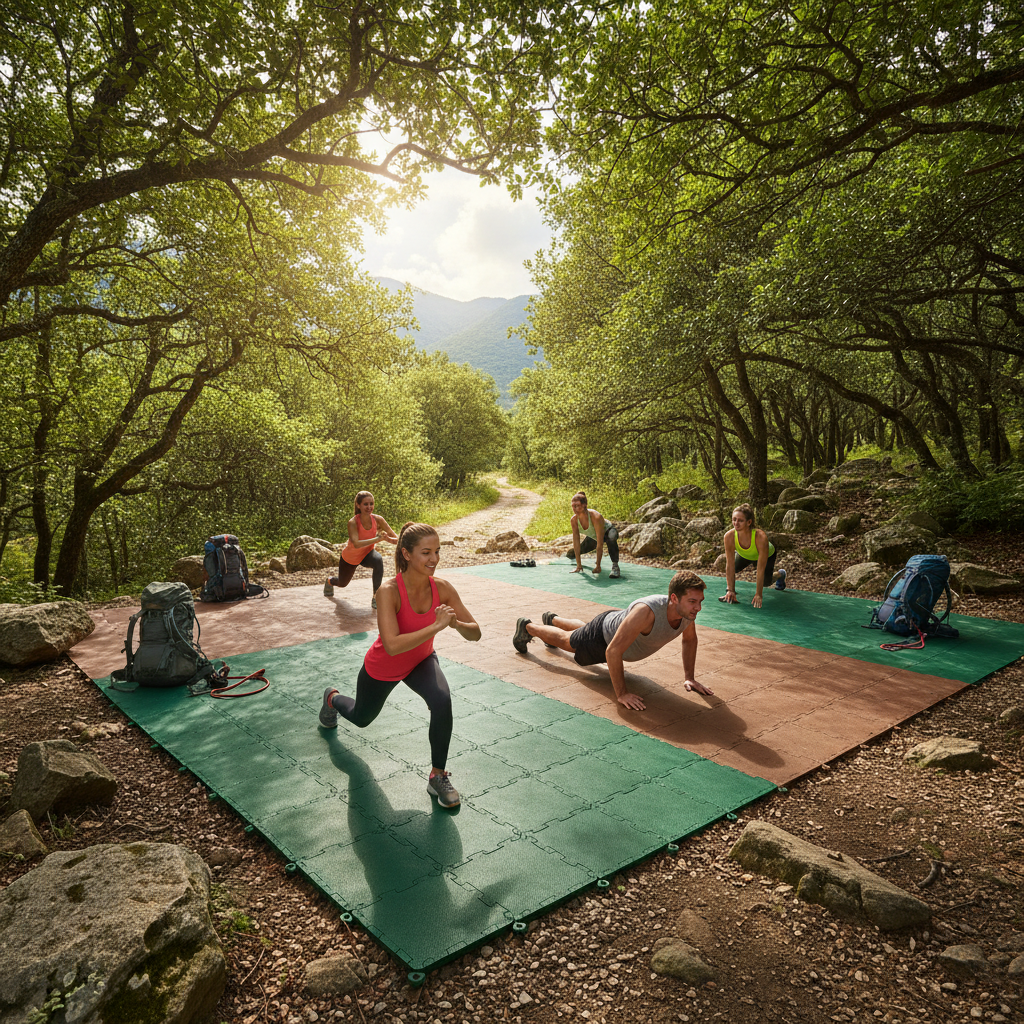
Basketball Courts represent another significant market, with PVC flooring offering excellent ball rebound and lateral traction. Professional basketball leagues and recreational facilities alike utilize PVC surfaces to enhance gameplay and athlete performance. Furthermore, the flooring finds increasing application in Fitness Centers and Yoga Studios, offering a comfortable and hygienic surface for workouts and stretching.
In regions prone to natural disasters, indoor PVC sports flooring is increasingly employed in Emergency Shelters and Temporary Recreation Facilities, providing a quick and easy-to-install surface that offers a degree of comfort and safety. The flooring’s durability and ease of cleaning also make it ideal for Healthcare Facilities and Rehabilitation Centers, supporting patients' mobility and recovery.
Indoor PVC Sports Flooring Market Share by Application
Advantages of Indoor PVC Sports Flooring
The benefits of choosing indoor PVC sports flooring are numerous and far-reaching. From a Cost perspective, PVC flooring is often more affordable than traditional hardwood or polyurethane systems, making it an accessible option for a wider range of facilities. In terms of Sustainability, many PVC flooring manufacturers are now utilizing recycled content and developing low-VOC formulations, minimizing their environmental impact.
The Safety benefits are significant, with PVC flooring offering excellent slip resistance and impact absorption, reducing the risk of injuries. This contributes to a more positive and secure environment for athletes of all levels. The Reliability of PVC flooring is also noteworthy, as it requires minimal maintenance and can withstand heavy use for many years, providing a long-term return on investment.
Future Trends in Indoor PVC Sports Flooring
The future of indoor PVC sports flooring is poised for innovation, driven by advancements in material science and a growing emphasis on sustainability. We're seeing the development of Bio-Based PVC formulations, utilizing renewable resources to reduce reliance on fossil fuels. Digital Printing technologies are enabling increasingly complex and customized designs, allowing for bespoke flooring solutions that enhance branding and aesthetics.
Furthermore, Smart Flooring systems are emerging, integrating sensors into the flooring to track athlete performance, monitor facility usage, and even provide real-time feedback on playing conditions. These technologies hold the potential to revolutionize sports training and facility management.
Challenges and Solutions for Indoor PVC Sports Flooring
Despite its numerous advantages, indoor PVC sports flooring faces certain challenges. One common concern is the Potential for VOC Emissions, although modern low-VOC formulations are significantly mitigating this issue. Another challenge is Repair and Replacement, as damaged sections can be difficult to seamlessly repair without professional expertise.
Proper Installation is crucial to ensure optimal performance and longevity. Choosing a reputable installer with experience in PVC flooring is essential. Additionally, developing more effective Recycling Programs for end-of-life PVC flooring is a key priority to address environmental concerns and promote circular economy principles.
Addressing these challenges requires ongoing research and development, collaboration between manufacturers and installers, and a commitment to sustainable practices throughout the entire lifecycle of the product.
Key Comparison of Indoor PVC Sports Flooring Characteristics
| Material Composition |
Durability Rating (1-10) |
Maintenance Frequency |
Initial Cost (USD/sq meter) |
| Standard PVC |
8 |
Weekly |
$20 - $30 |
| Reinforced PVC |
9 |
Bi-Weekly |
$25 - $35 |
| Bio-Based PVC |
7 |
Weekly |
$30 - $40 |
| Multi-Layer PVC |
10 |
Bi-Weekly |
$35 - $45 |
| Textured PVC |
8 |
Weekly |
$22 - $32 |
| Antistatic PVC |
9 |
Bi-Weekly |
$28 - $38 |
FAQS
The wear layer provides surface protection against abrasions and scratches. The foam layer is responsible for shock absorption, reducing impact forces during athletic activity. The backing layer delivers stability and helps prevent the flooring from moving. Different layer thicknesses and materials impact the overall performance characteristics.
PVC generally offers a lower cost point, easier maintenance, and greater design flexibility compared to hardwood. Polyurethane provides higher impact absorption, but is typically more expensive. PVC is more water-resistant than hardwood, making it suitable for facilities where spills are common. The best choice depends on the specific needs and budget of the facility.
With proper installation and maintenance, indoor PVC sports flooring can last between 10 and 20 years, or even longer. The lifespan depends on the quality of the material, the level of usage, and the frequency of cleaning and maintenance. Regular wear layer protection and prompt repair of damage will maximize its longevity.
Traditional PVC production has raised environmental concerns. However, many manufacturers are now utilizing recycled content, developing low-VOC formulations, and implementing responsible manufacturing practices. Bio-based PVC options are also emerging, offering a more sustainable alternative. Proper end-of-life recycling is crucial for minimizing its environmental impact.
Routine maintenance includes regular sweeping or vacuuming to remove dirt and debris. Damp mopping with a neutral cleaner is recommended for deeper cleaning. Avoid harsh chemicals or abrasive cleaners, as they can damage the wear layer. Periodic buffing or polishing may be required to restore the flooring’s gloss and slip resistance.
Professional installation is critical for ensuring proper subfloor preparation, seam welding, and overall performance. Improper installation can lead to issues like bubbling, cracking, or uneven surfaces, compromising the flooring’s safety and longevity. Choose a certified installer with experience in PVC flooring systems.
Conclusion
Indoor PVC sports flooring has undeniably established itself as a premier choice for athletic and recreational facilities globally. Its blend of durability, safety, cost-effectiveness, and design flexibility makes it a compelling solution for a wide range of applications. From local gyms to professional arenas, PVC flooring is enabling athletes to perform at their best while minimizing the risk of injury. The continuous innovation in materials and installation techniques further solidifies its position as a leading sports surface.
Looking ahead, the future of indoor PVC sports flooring is bright, with ongoing research focused on sustainability, performance enhancement, and smart technologies. Embracing these advancements will be crucial for creating healthier, safer, and more enjoyable athletic environments for generations to come. For high-quality indoor pvc sports flooring solutions, visit our website today!