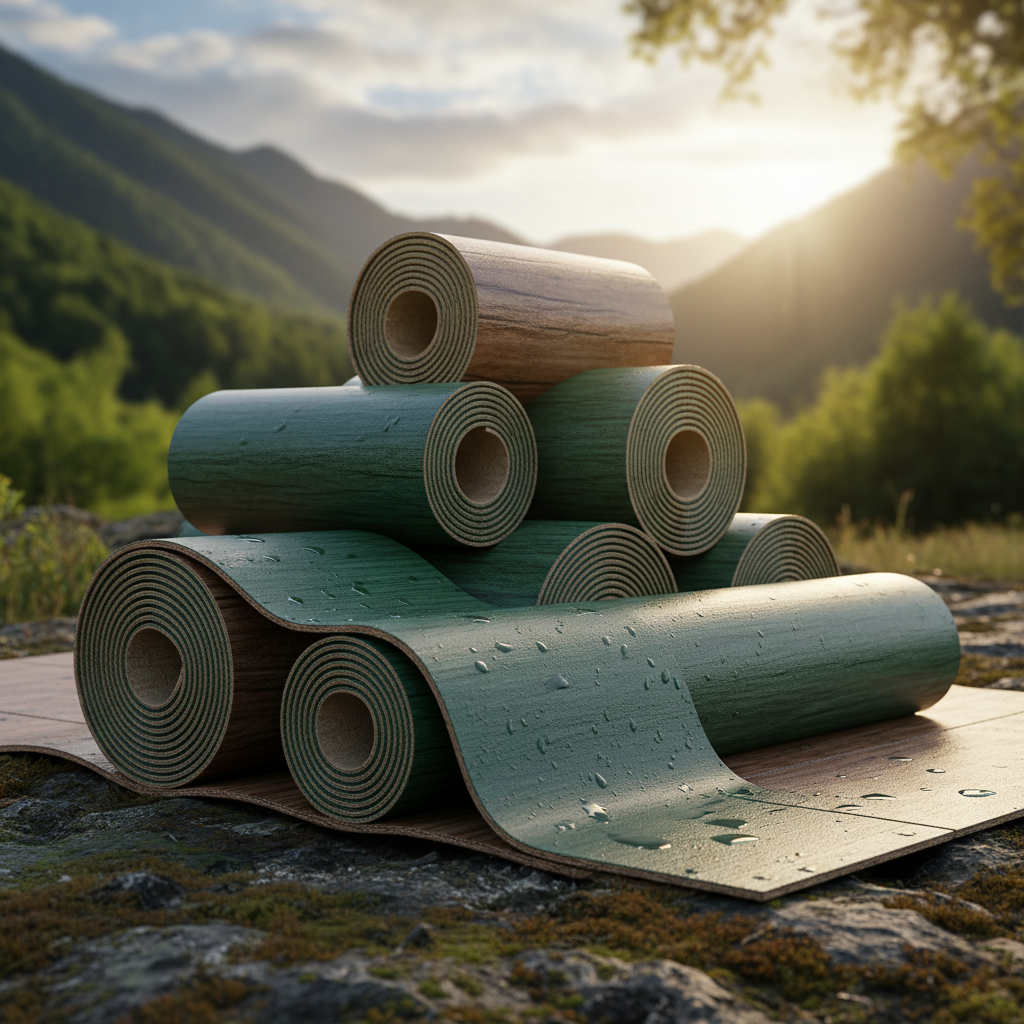
You know, honestly, the whole sports flooring thing… it’s really shifted gears lately. Everyone’s chasing that “performance” feel – not just shock absorption, but energy return, grip, the whole shebang. It’s not enough to just not hurt when you fall anymore, they want it to help you jump higher.
Have you noticed how many new materials are popping up? It’s a bit much, if you ask me. Everyone’s got their “revolutionary polymer” or “bio-based composite.” Most of ‘em don’t hold up to a real beating, though. I spend enough time on these sites… I see what actually happens.
And the demand for customization… that’s exploded. Every gym, every school, every training facility wants something unique. Forget standard colors and sizes; they want logos embedded, different thicknesses in different zones, specific textures for different sports. It’s a headache, truly.
The Evolving Landscape of Sports Flooring
To be honest, the industry's gone a bit mad for anything that promises an edge. It’s all about performance now, not just safety. We’re seeing massive investment in R&D, driven by professional athletes and the trickle-down effect to amateur sports. It used to be ‘can it withstand spikes?’ now it’s ‘does it improve vertical jump?’ which… frankly, feels like marketing fluff sometimes.
But there’s something to it. The demand is there, and sports flooring manufacturer are responding. The market's segmented too – dedicated basketball courts need different properties than volleyball or badminton. And then you get into specialized areas like MMA mats or gymnastics surfaces…it's a whole world.
Design Pitfalls and Material Realities
I encountered this at a factory in Guangdong last time, they were so proud of their "seamless" poured rubber flooring. Looked great in the showroom, all smooth and consistent. But on a real installation, the expansion joints were a nightmare to get right. Strangely, the guys installing it hadn’t even been trained properly. Seems like everyone’s rushing to market, forgetting the basics.
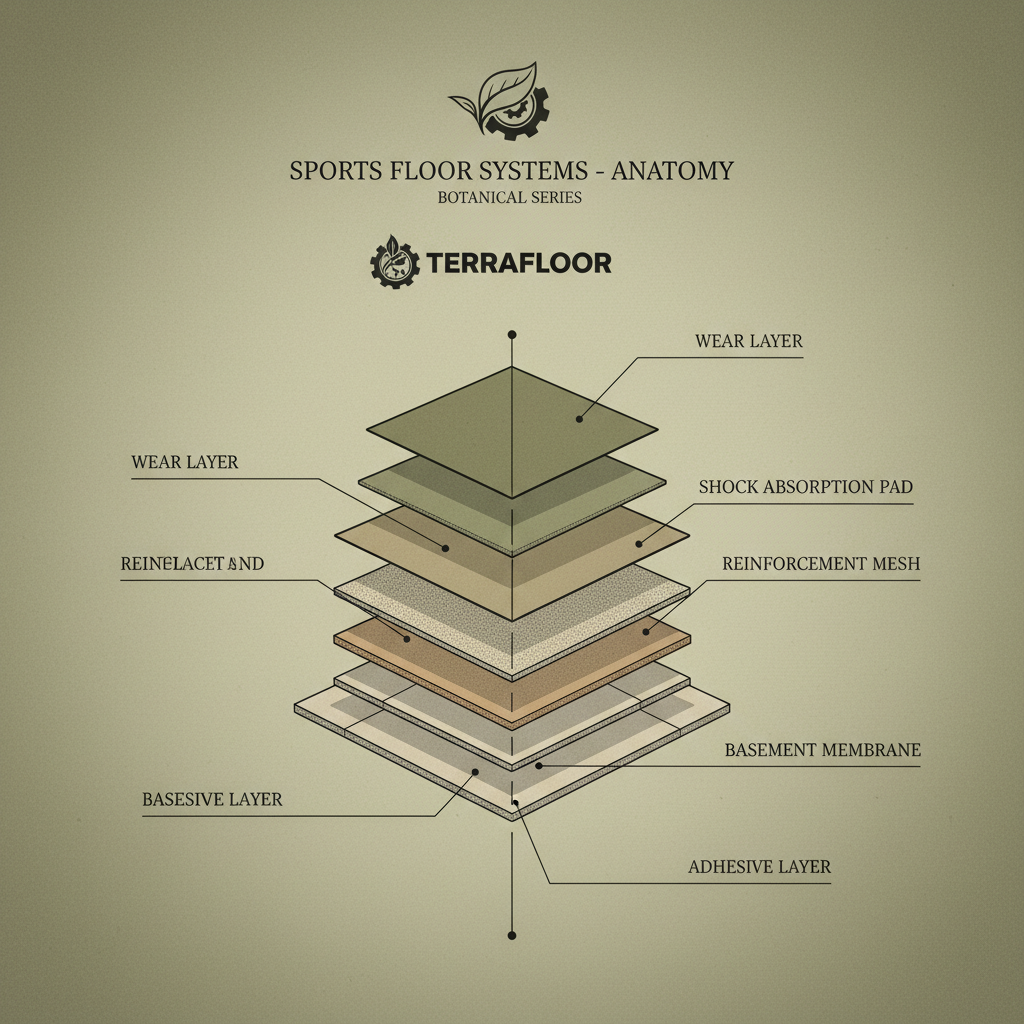
Another pitfall? Underestimating the subfloor. You can have the fanciest surface in the world, but if it’s laid on an uneven or unstable base, it’s going to fail. I’ve seen courts ripple and crack within months because of a poorly prepared subfloor. It’s all about the foundation, literally.
And don’t even get me started on the suppliers who cut corners on the adhesives. That’s where things really fall apart.
Material Deep Dive: What Feels Right
You know, the feel of a material tells you a lot. Polyurethane, for instance… it’s got that slightly tacky grip, a bit of a sweet smell when it’s freshly poured. It's resilient, but it can get slick when wet. I’ve slipped on polyurethane more than once.
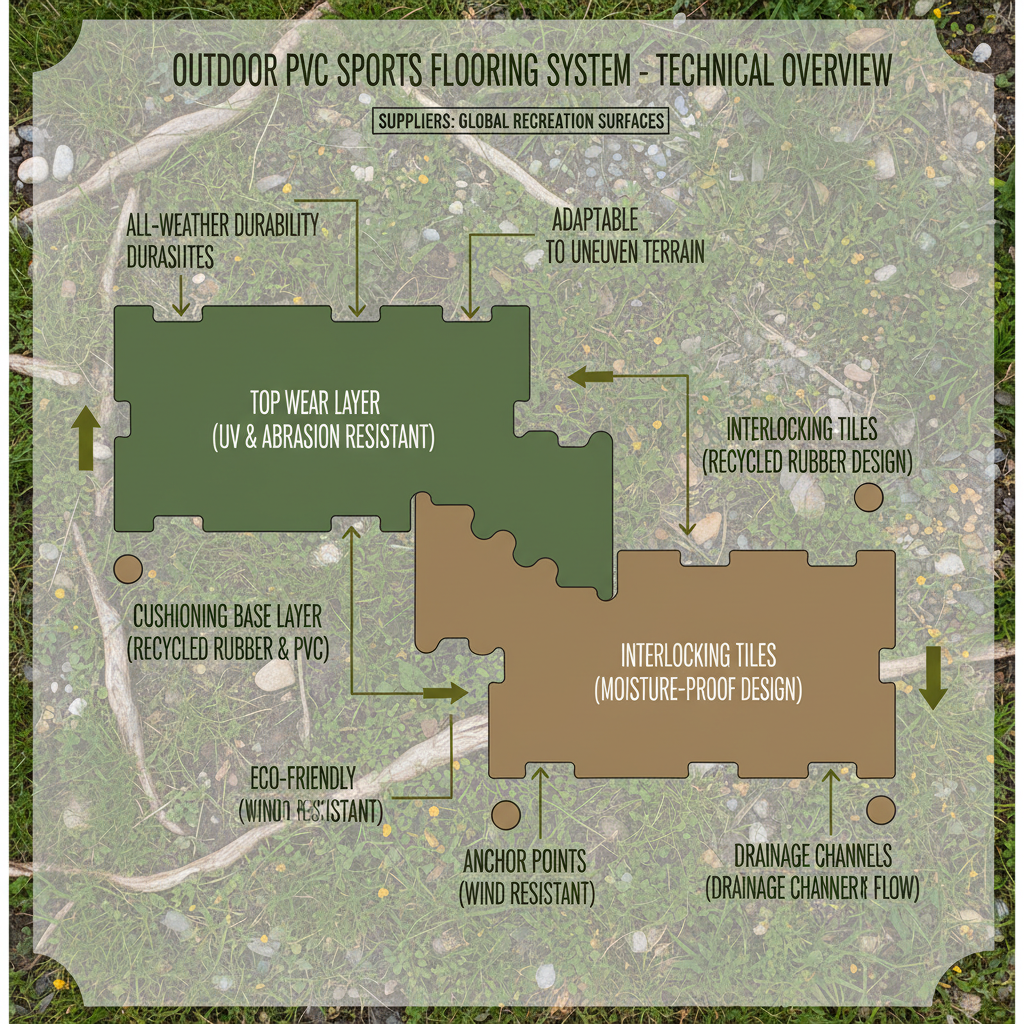
Then there’s PVC. It's more affordable, smells… well, like plastic. Not pleasant. But it's durable, easy to clean, and holds its color well. It doesn’t have the same energy return as polyurethane, though. It feels a bit dead underfoot.
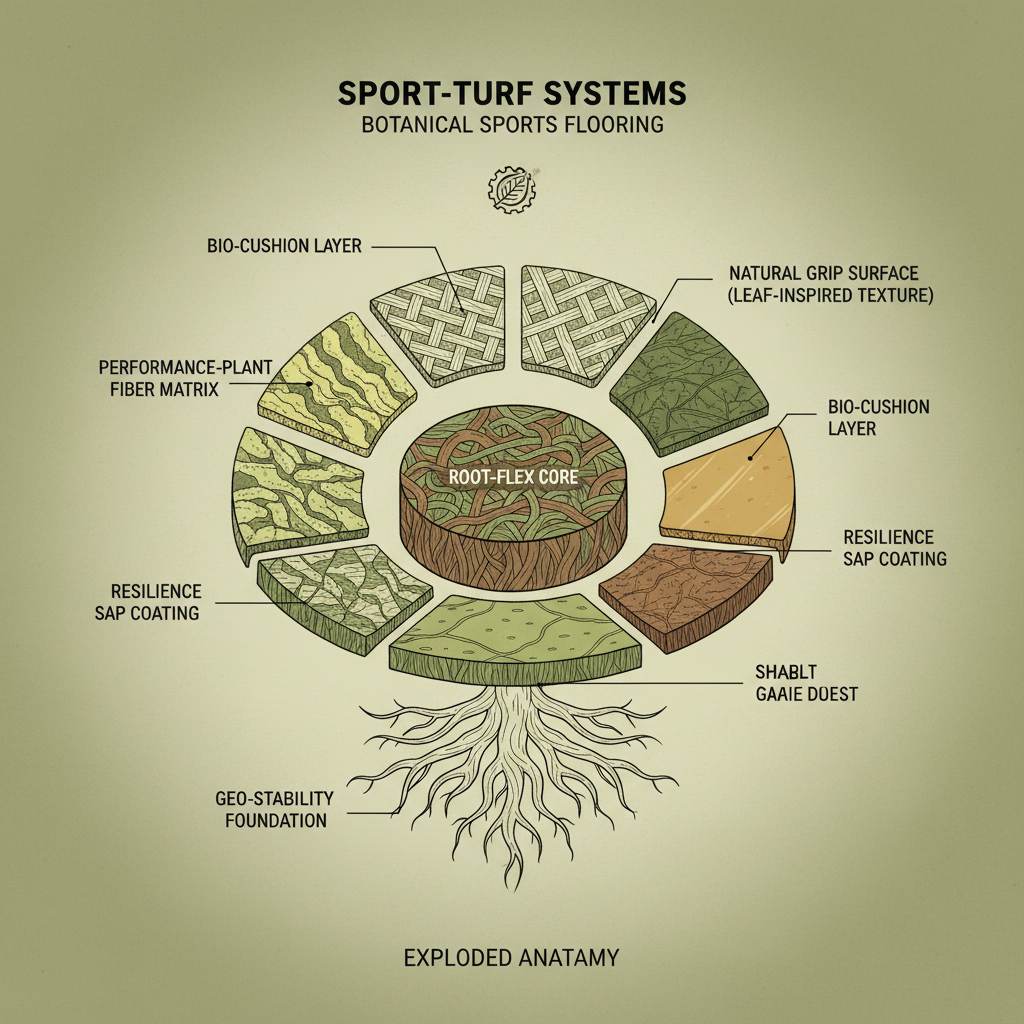
And then you get into the newer stuff – the cork composites, the recycled rubber blends. Those are interesting. The cork has a natural springiness, but it’s a bit soft for high-impact sports. The recycled rubber… it smells like tires, naturally. But it’s tough, and it’s good for the environment, which is a plus.
Handling them is different too. Polyurethane needs careful mixing and application, you mess up the ratio and it just won't cure right. PVC is more forgiving, but you need to make sure the seams are properly welded. And recycled rubber... that stuff is heavy.
Real-World Testing and Performance
Forget the lab tests. They’re useful for basic compliance, but they don’t tell you how a floor will actually perform. I prefer to see it get abused. I’ve seen a sports flooring manufacturer get hammered with drop tests – weights, basketballs, medicine balls… you name it.
The real test? Long-term use. I check back with installations six months, a year, even two years later. How’s the wear and tear? Are there any cracks or blisters? Is the color fading? Is it still providing the same level of cushioning and grip? That's when you know if it's a quality product.
Sports Flooring Performance Metrics
User Habits: It's Not Always What You Expect
Anyway, I think one thing people underestimate is how users actually use these floors. They design for optimal conditions, but gyms are messy places. People drag equipment, spill drinks, track in dirt… it’s chaos.
You'd be surprised how many people wear the wrong shoes. Cleats on a rubber floor? Guaranteed damage. High heels in a weight room? Don't even ask. It’s a constant battle to educate users about proper floor care.
The Good, The Bad, and Customization Options
The pros? A well-designed and installed sports floor can dramatically reduce injuries, improve performance, and enhance the overall experience. The cons? They're expensive, they require maintenance, and they can be a real pain to install correctly.
Customization… that's where things get tricky. Last month, that small boss in Shenzhen who makes smart home devices insisted on changing the interface to . The sports flooring manufacturer had to completely retool their production line, delaying the project by weeks. He wanted it to match his phone, apparently. It looked…fine.
But you can do some really cool things with customization. We did a court for a university basketball team that had their logo subtly embedded in the flooring pattern. It looked fantastic, and the team loved it.
A Customer Story & The Final Verdict
You know, after all these years, it always comes down to the guys on the ground. The engineers can design the perfect floor, the marketing team can hype it up, but the installer… he’s the one who makes it happen.
I was on a site in Shanghai a few months ago, and the installation crew was struggling with a particularly complex poured rubber system. It was hot, humid, and they were behind schedule. But they kept at it, meticulously smoothing the surface, ensuring every seam was perfectly sealed.
Ultimately, whether this thing works or not, the worker will know the moment he tightens the screw.
Summary of Key Material Characteristics
| Material Type |
Durability Score (1-10) |
Cost Factor (Low/Med/High) |
Maintenance Level (Easy/Med/Hard) |
| Polyurethane |
8 |
Med |
Med |
| PVC |
7 |
Low |
Easy |
| Recycled Rubber |
9 |
Med |
Med |
| Cork Composite |
6 |
High |
Med |
| Epoxy |
10 |
High |
Hard |
| Spray Polyurethane |
7 |
Low |
Easy |
FAQS
Honestly, it’s a balancing act. You need to consider the type of sports that will be played, the budget, the level of impact, and the long-term maintenance costs. Don't go for the cheapest option—you'll regret it. Focus on durability, shock absorption, and ease of cleaning. Consider the subfloor too – it’s often overlooked, but it's crucial. And for Pete's sake, talk to experienced installers!
Polyurethane generally offers the best shock absorption, which is why it’s popular for basketball and volleyball. Recycled rubber is also good, but a bit firmer. PVC is the least shock-absorbent, but it’s still adequate for some sports. The thickness of the flooring also matters, of course. Look for testing data based on relevant standards, but remember – lab tests don’t always reflect real-world performance.
If installed correctly and properly maintained, a poured rubber floor can last 10-15 years, easily. But that’s a big ‘if.’ Poor installation, heavy use, and lack of cleaning can significantly shorten its lifespan. Regular inspections and preventative maintenance are key. You'll need to reseal it periodically to protect against wear and tear.
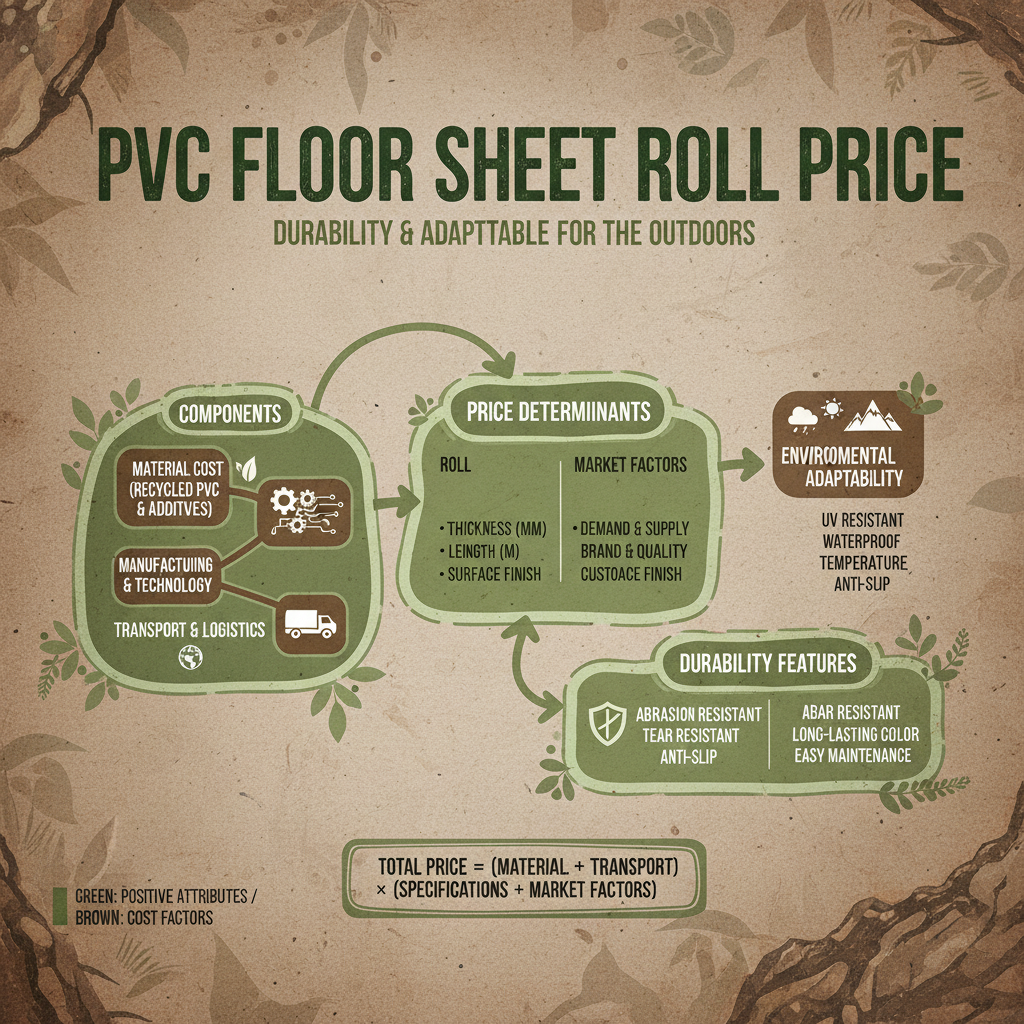
That's a tricky one! It varies wildly depending on the material, the complexity of the installation, and the location. Generally, you're looking at anywhere from $5 to $15 per square foot, sometimes even more for specialized systems. Don't forget to factor in the cost of subfloor preparation, which can add significantly to the total cost. Get multiple quotes and don't be afraid to ask questions.
Minor damage, like small scratches or scuffs, can often be repaired. But more significant damage, like cracks or blisters, usually requires replacement. Poured rubber floors are particularly difficult to repair seamlessly. For modular tiles, you can often replace individual tiles, which is much more cost-effective. It all depends on the extent of the damage.
Look for materials with recycled content, like recycled rubber. Also, consider the VOC emissions of the flooring and adhesives. Low-VOC options are better for indoor air quality. And think about the end-of-life disposal of the flooring. Can it be recycled or reused? It’s becoming increasingly important to choose sustainable options.
Conclusion
So, what have we learned? Sports flooring isn't just about picking a pretty color. It's a complex field with a lot of technical details, material choices, and real-world considerations. From the evolving demands of performance to the importance of proper installation and maintenance, there’s a lot to get right. A quality sports floor can enhance athletic performance, reduce injuries, and create a more enjoyable experience for everyone.
Look, at the end of the day, the best advice I can give is to do your research, talk to experienced professionals, and don't skimp on quality. Ultimately, whether this thing works or not, the worker will know the moment he tightens the screw. And if you need a reliable sports flooring manufacturer, well, you know where to look.