pvc sports flooring is rapidly becoming the preferred surface for a wide range of athletic and recreational activities globally. Its adaptability, durability, and cost-effectiveness are driving its adoption across diverse applications, from professional sports facilities to community gyms and even home fitness areas. The increasing demand reflects a growing awareness of the importance of safe, high-performance, and long-lasting sports surfaces.
The global market for pvc sports flooring is experiencing significant growth, fueled by increasing participation in sports and fitness activities, coupled with infrastructural development in both developed and developing nations. According to recent industry reports, the market is projected to reach [insert statistic] by [year], demonstrating a robust compound annual growth rate (CAGR). This expansion underscores the critical role pvc sports flooring plays in supporting a healthy and active lifestyle worldwide.
The challenge lies in ensuring consistent quality and sustainability standards across the industry, as well as addressing specific performance requirements for various sports disciplines. pvc sports flooring offers a compelling solution to these challenges, providing customizable options to meet diverse needs and stringent regulations.
Introduction to pvc sports flooring
pvc sports flooring represents a significant advancement in athletic surfacing technology. It’s engineered to provide exceptional performance characteristics, including shock absorption, slip resistance, and ball rebound, making it suitable for a broad spectrum of sports. These qualities significantly contribute to athlete safety and enhance overall game play.
The material’s versatility extends beyond traditional sports applications; it's increasingly utilized in gyms, fitness centers, schools, and even residential settings. This widespread adoption is a testament to its adaptability and the benefits it offers over traditional flooring materials like wood or concrete.
Defining pvc sports flooring
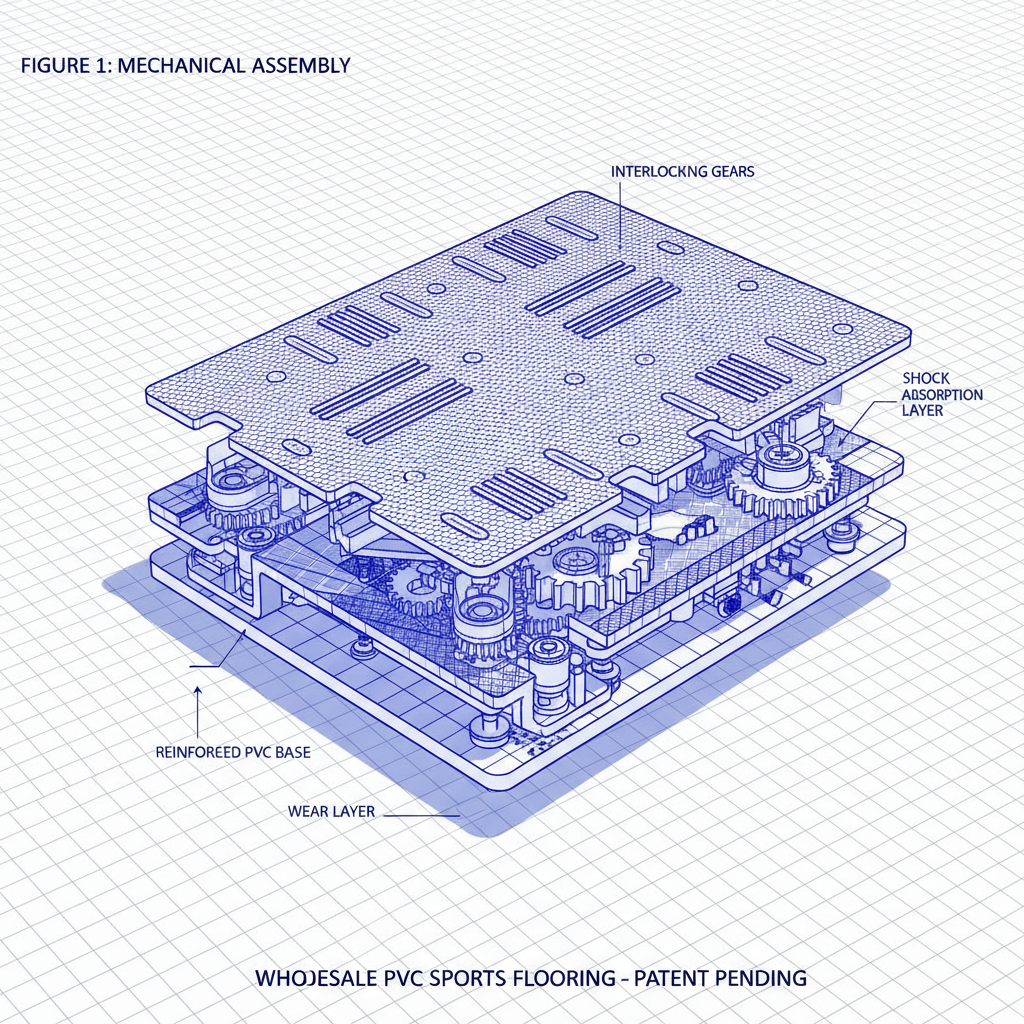
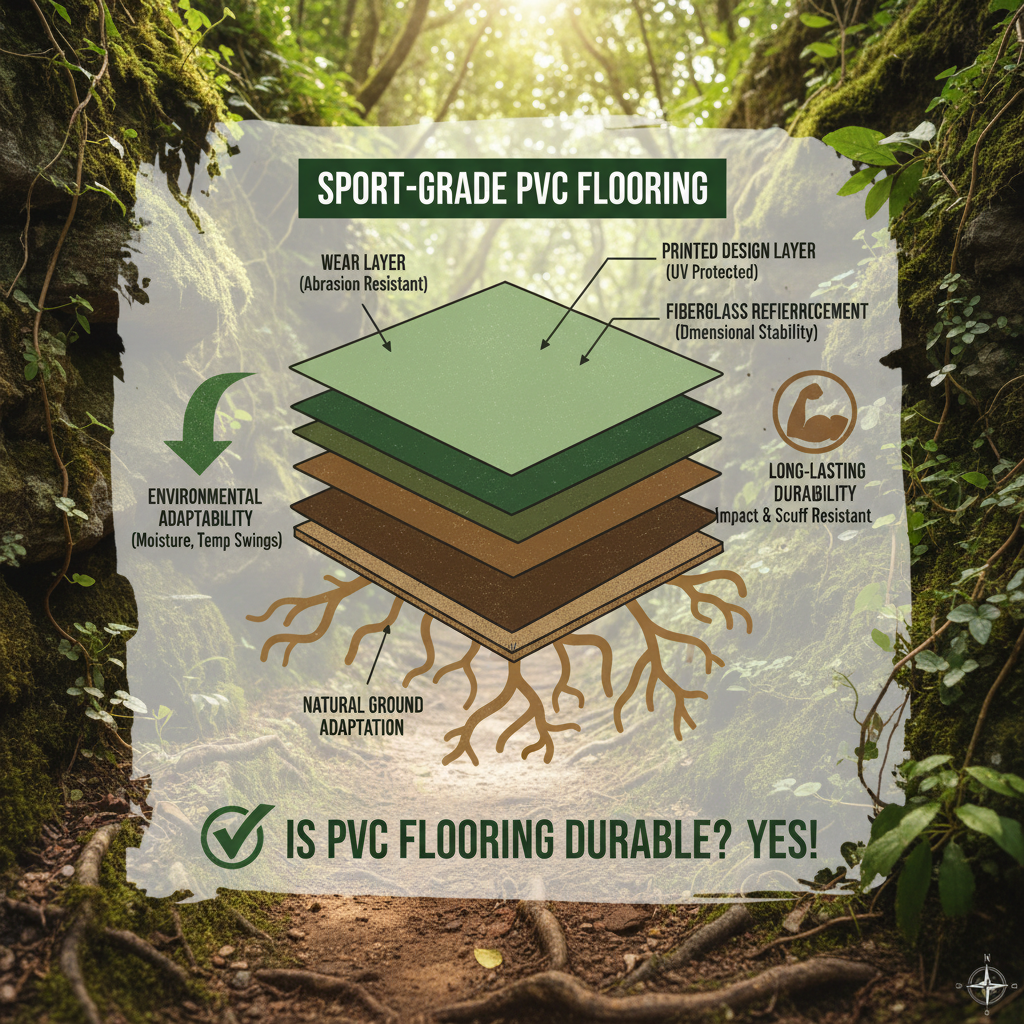
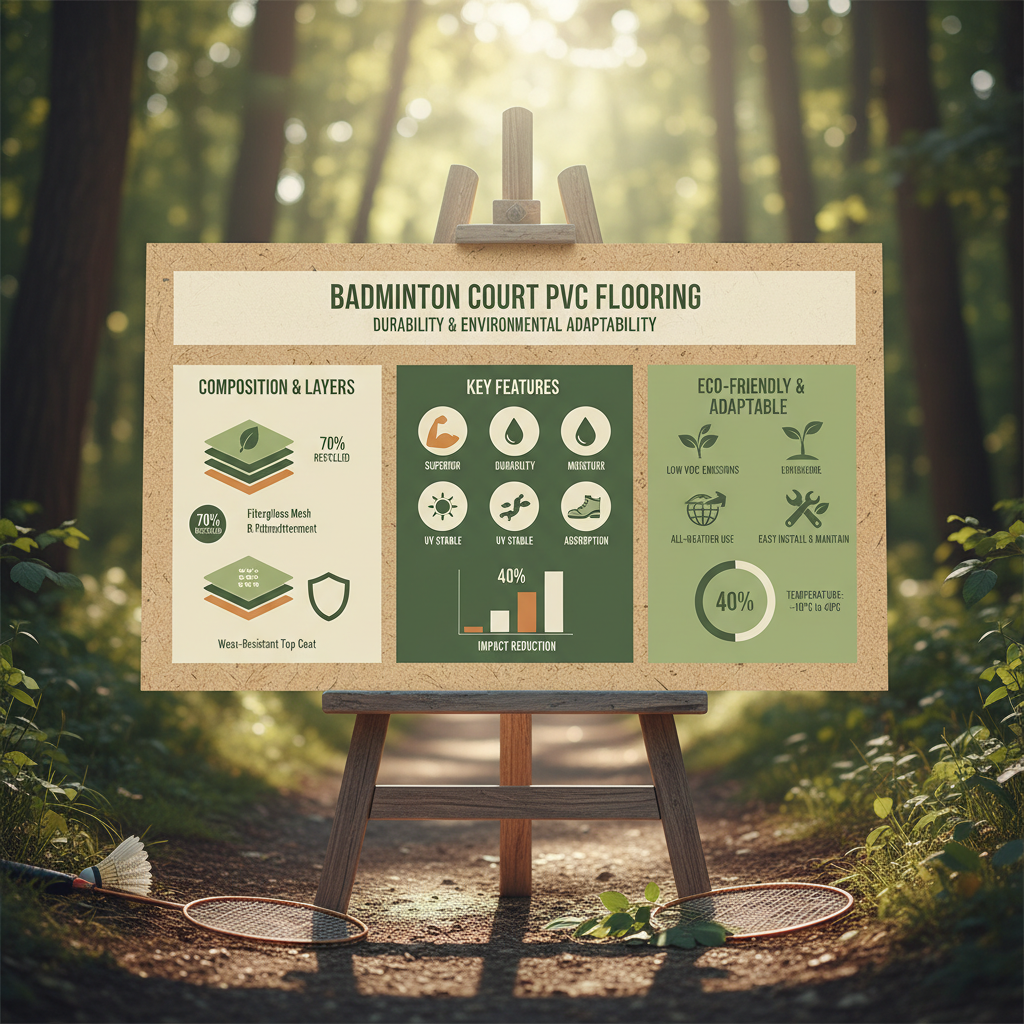
pvc sports flooring, or Polyvinyl Chloride sports flooring, is a synthetic flooring material specifically designed for athletic and recreational applications. It’s typically composed of multiple layers, each contributing to the overall performance and durability of the surface. These layers commonly include a wear layer, a cushioning layer, and a backing layer.
Unlike natural surfaces, pvc sports flooring offers consistent performance characteristics regardless of environmental conditions. This consistency is crucial for competitive sports, where predictable ball bounce and player traction are essential. It’s a modern material engineered to meet the demanding needs of modern athletics.
Its connection to modern industry lies in the advanced polymer chemistry and manufacturing processes used in its production. It addresses a growing need for safe, reliable, and high-performing sports surfaces that can withstand heavy use and provide optimal athlete protection.
Key Characteristics of pvc sports flooring
One of the most defining characteristics of pvc sports flooring is its exceptional durability. The material is highly resistant to abrasion, impact, and tearing, ensuring a long service life even under heavy use. This robustness reduces the need for frequent replacements, leading to long-term cost savings.
Another key feature is its inherent slip resistance. The surface texture is designed to provide excellent traction, minimizing the risk of slips and falls during athletic activities. This is particularly important in sports that involve quick changes in direction and rapid movements.
pvc sports flooring also boasts excellent shock absorption properties. The cushioning layer effectively reduces the impact forces experienced by athletes, minimizing the risk of joint injuries and muscle fatigue. This makes it a preferred choice for sports that involve jumping and landing.
Durability and Longevity of pvc sports flooring
The longevity of pvc sports flooring is a major advantage. When properly installed and maintained, it can last for decades, significantly reducing lifecycle costs compared to traditional wood or concrete floors. The wear layer protects the underlying layers from damage, extending the overall lifespan.
Durability is also influenced by the thickness of the wear layer. Thicker wear layers offer greater resistance to abrasion and are recommended for high-traffic areas or sports that involve abrasive movements. Regular cleaning and maintenance, such as sweeping and mopping, further contribute to the floor’s longevity.
Durability Ratings of Different pvc sports flooring Types
Global Applications of pvc sports flooring
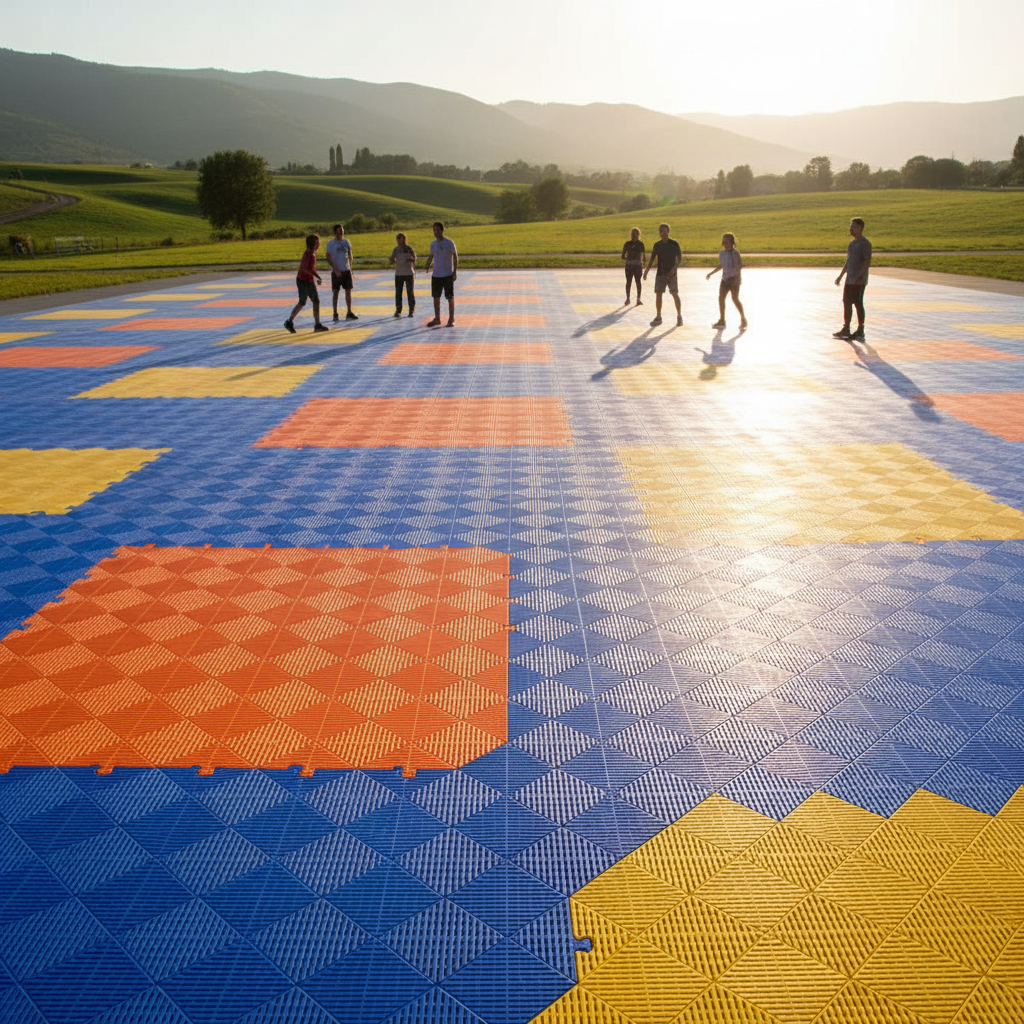
pvc sports flooring finds applications in a vast range of settings. It is widely used in professional basketball courts, volleyball courts, badminton courts, and table tennis facilities. Its consistent performance and shock absorption properties are crucial for these high-performance sports.
Beyond professional sports, it's also prevalent in school gyms, community centers, and fitness studios. The safety features, combined with its durability and ease of maintenance, make it an ideal choice for these multi-purpose facilities. In regions with limited resources, pvc sports flooring offers a cost-effective and durable alternative to more expensive surfacing options.
Advantages of Using pvc sports flooring
The advantages of pvc sports flooring are numerous. Firstly, its cost-effectiveness is a significant draw. The initial investment is often lower than traditional wood floors, and the long lifespan reduces long-term costs. Secondly, its ease of maintenance simplifies cleaning and upkeep, saving time and resources.
Moreover, pvc sports flooring offers superior safety features, minimizing the risk of injuries. Its slip resistance and shock absorption properties protect athletes and recreational users alike. From a sustainability perspective, pvc sports flooring often incorporates recycled materials, reducing its environmental impact.
Finally, pvc sports flooring delivers consistent performance and enhanced aesthetics. Available in various colors and designs, it contributes to a more vibrant and inviting athletic environment.
Future Trends in pvc sports flooring
The future of pvc sports flooring is poised for innovation. Developments in material science are leading to even more durable, sustainable, and high-performance products. Research is focused on incorporating bio-based polymers and reducing the reliance on traditional petrochemicals.
Smart flooring technologies are also emerging, integrating sensors to track athlete performance, monitor floor conditions, and provide real-time data. These innovations will further enhance the functionality and value of pvc sports flooring.
Additionally, advancements in digital printing techniques are enabling more customized designs and patterns, offering greater aesthetic flexibility for architects and facility managers.
Overview of Key Factors Influencing pvc sports flooring Performance
| Wear Layer Thickness (mm) |
Cushioning Level (G-Max) |
Slip Resistance (Coefficient of Friction) |
Maintenance Frequency (Weekly) |
| 1.5 |
80-90 |
0.65 |
2 |
| 2.0 |
60-70 |
0.70 |
1-2 |
| 2.5 |
40-50 |
0.75 |
1 |
| 3.0 |
20-30 |
0.80 |
1 |
| 3.5 |
10-20 |
0.85 |
1 |
| 4.0 |
0-10 |
0.90 |
1 |
FAQS
Compared to hardwood, pvc sports flooring offers superior durability, lower maintenance costs, and enhanced safety features like better shock absorption and slip resistance. It’s also more moisture-resistant, making it suitable for a wider range of environments. The initial cost is typically lower, and it doesn’t require the same level of refinishing as wood. It’s a practical and cost-effective choice for most athletic facilities.
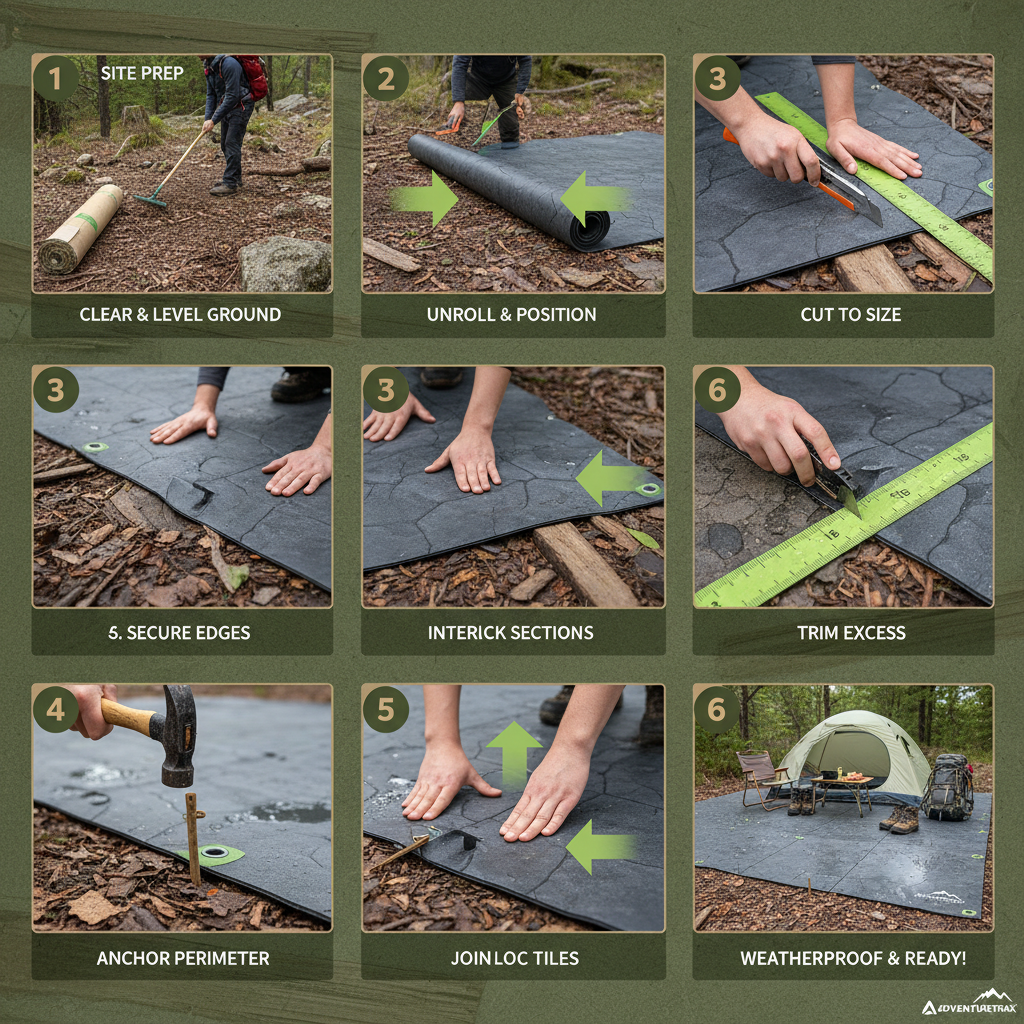
Installation difficulty varies depending on the specific type of pvc sports flooring (e.g., loose lay, glue-down, interlocking). Some systems are designed for DIY installation, while others require professional installers. Proper subfloor preparation is crucial for a successful installation, ensuring a level and stable surface.
While traditional PVC production has environmental concerns, many manufacturers now offer pvc sports flooring made with recycled content or phthalate-free formulations. Look for certifications like ISO 14001 to ensure responsible manufacturing practices. The longevity of the material also contributes to its sustainability by reducing the need for frequent replacements.
pvc sports flooring is relatively low-maintenance. Regular sweeping or vacuuming to remove dust and debris is essential. Periodic mopping with a neutral pH cleaner is also recommended. Avoid abrasive cleaners and harsh chemicals, as they can damage the wear layer. Polishing may be required periodically to restore shine.
The lifespan of pvc sports flooring depends on several factors, including wear layer thickness, usage intensity, and maintenance practices. However, a properly installed and maintained floor can typically last 10-20 years or even longer. Heavier use areas may require more frequent maintenance or eventual replacement.
Many types of pvc sports flooring are compatible with underfloor heating systems, but it's crucial to check the manufacturer's specifications before installation. Temperature limitations must be adhered to, as excessive heat can damage the flooring. Proper installation techniques are also essential to ensure even heat distribution.
Conclusion
In conclusion, pvc sports flooring offers a compelling blend of durability, safety, cost-effectiveness, and versatility, making it an increasingly popular choice for a wide range of athletic and recreational applications globally. Its consistent performance, low maintenance requirements, and adaptability to various sports disciplines contribute to its growing demand.
Looking ahead, continuous innovation in materials and technology will further enhance the performance and sustainability of pvc sports flooring. By embracing these advancements, we can create safer, more enjoyable, and more environmentally responsible athletic environments for generations to come. Visit our website today to explore our range of pvc sports flooring solutions: www.langningsportsfloor.com