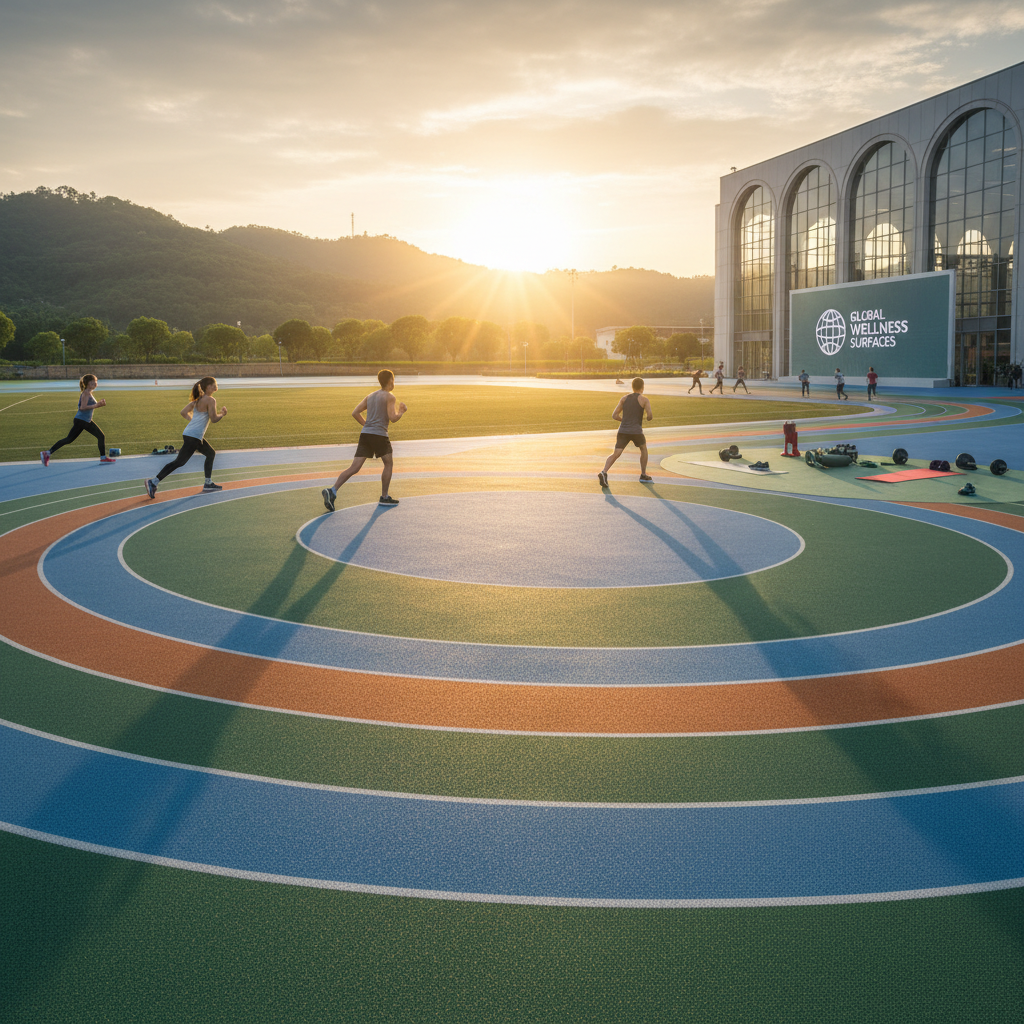
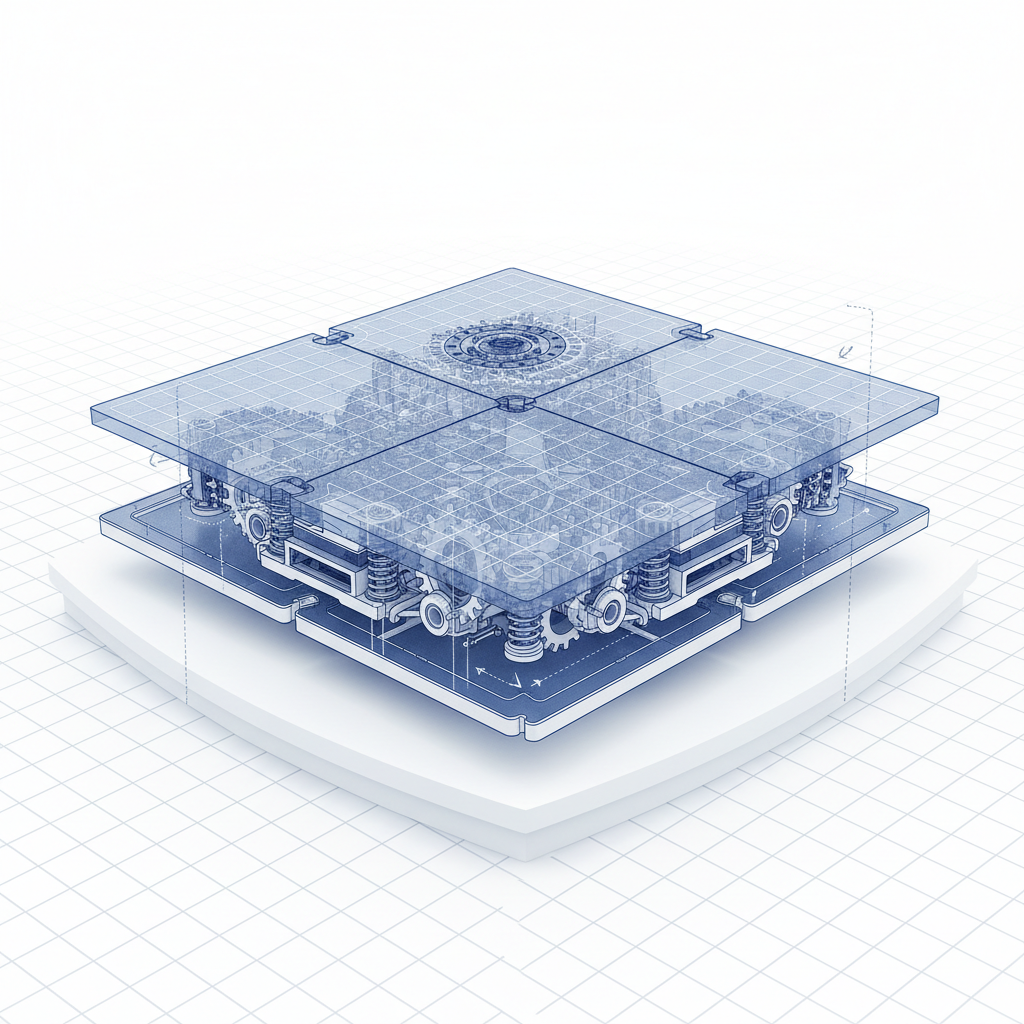
Sports flooring material is a critical component in athletic performance, safety, and the overall experience for athletes and enthusiasts alike. From high-impact basketball courts to the nuanced demands of gymnastics mats, the right flooring can significantly reduce injury risk, enhance traction, and optimize athletic capability. The selection process involves careful consideration of factors like shock absorption, durability, and the specific demands of the sport.
Globally, the demand for high-quality sports flooring material is driven by increasing participation in sports at all levels, from grassroots community programs to professional leagues and international competitions. Innovations in materials science are continuously pushing the boundaries of performance, offering solutions that cater to a wider range of athletic disciplines and budgets. Understanding the nuances of these materials is crucial for facility managers, coaches, and athletes.
The advancements in sports flooring material aren’t just about performance enhancement; they’re increasingly focused on sustainability and environmental responsibility. Manufacturers are exploring eco-friendly materials and production processes, recognizing the growing need for environmentally conscious solutions within the sports industry. This shift highlights a broader trend towards responsible manufacturing and a commitment to a healthier planet.
The Importance of Sports Flooring Material
Selecting the appropriate sports flooring material is paramount to athlete safety and peak performance. Poor flooring can contribute to injuries, reduce traction, and negatively impact the overall athletic experience. A properly installed and maintained floor provides essential shock absorption, minimizing stress on joints and reducing the risk of common sports-related injuries.
Beyond safety, the performance characteristics of sports flooring material directly influence an athlete’s ability to move efficiently and effectively. Considerations such as slip resistance, ball rebound, and energy restitution are critical for different sports, enabling athletes to perform at their best. Investing in quality flooring is, therefore, an investment in athletic potential.
Global Context and Market Trends
The global sports flooring material market is experiencing significant growth, driven by rising participation in sports, increased investment in sports infrastructure, and the demand for high-performance surfaces. Regions like North America and Europe currently hold substantial market share, but emerging economies in Asia-Pacific and Latin America are exhibiting rapid growth due to increasing sports awareness and disposable incomes.
According to recent reports, the global sports flooring market is projected to reach [insert statistic] by [year], with a CAGR of [insert percentage]. This growth is fueled by technological advancements in materials, such as polyurethane, vinyl, rubber, and maple wood, each offering unique benefits for different applications. The rise of indoor sports facilities and multi-purpose arenas is also contributing to the increasing demand for versatile and durable flooring solutions.
A key trend shaping the industry is the increasing focus on sustainability. Manufacturers are actively developing eco-friendly flooring options made from recycled materials or renewable resources, responding to a growing demand for environmentally responsible products. This shift towards sustainability is not only driven by consumer preferences but also by stricter environmental regulations and corporate social responsibility initiatives.
Defining Sports Flooring Material
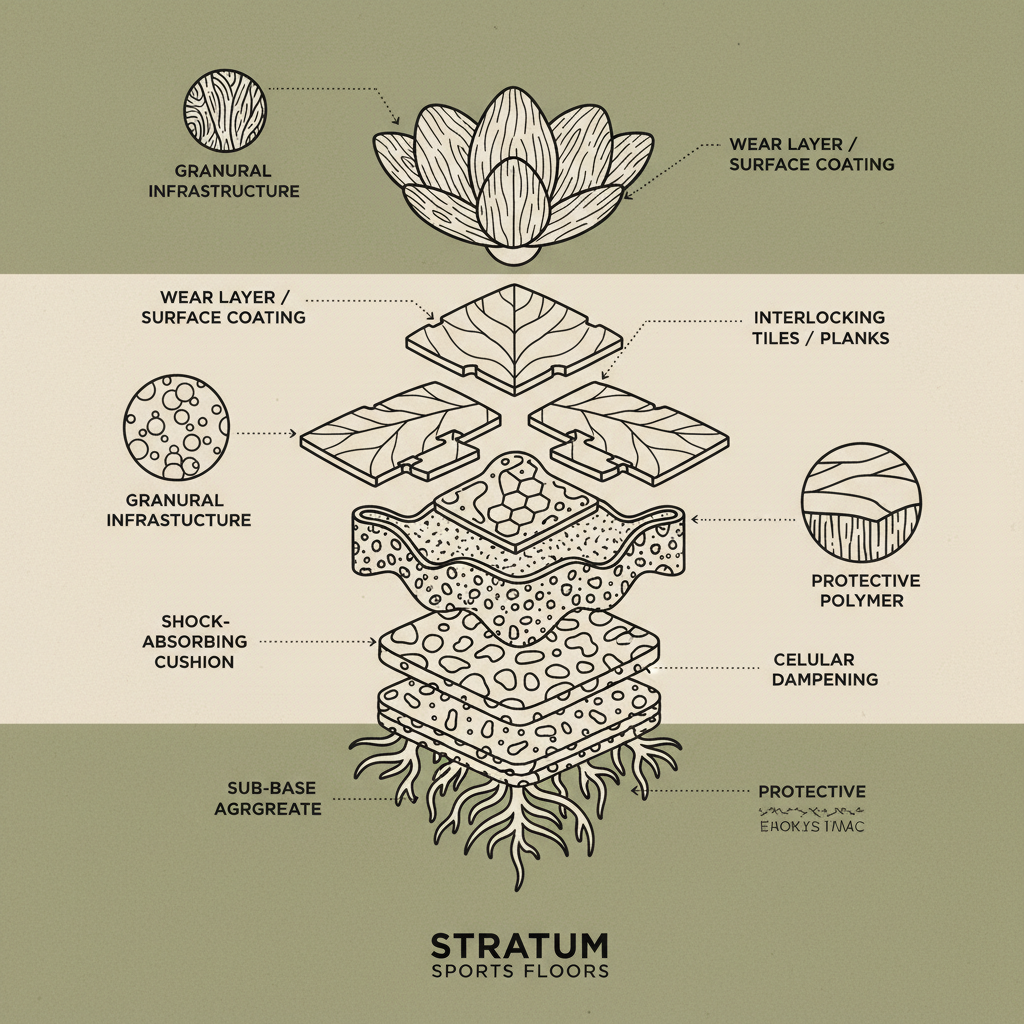
Sports flooring material encompasses a wide range of surfaces designed specifically to provide a safe, durable, and high-performance playing surface for various athletic activities. It’s far more than simply a covering for the floor; it's an engineered system tailored to the specific demands of the sport played upon it, prioritizing impact absorption, traction, and athlete well-being.
Its connection to modern industry lies in the advanced materials science and engineering required for its production. From the synthesis of specialized polymers to the precise manufacturing of interlocking tile systems, sports flooring material represents a confluence of innovation and practical application. These advancements are driven by the need for surfaces that can withstand heavy use, provide consistent performance, and meet stringent safety standards.
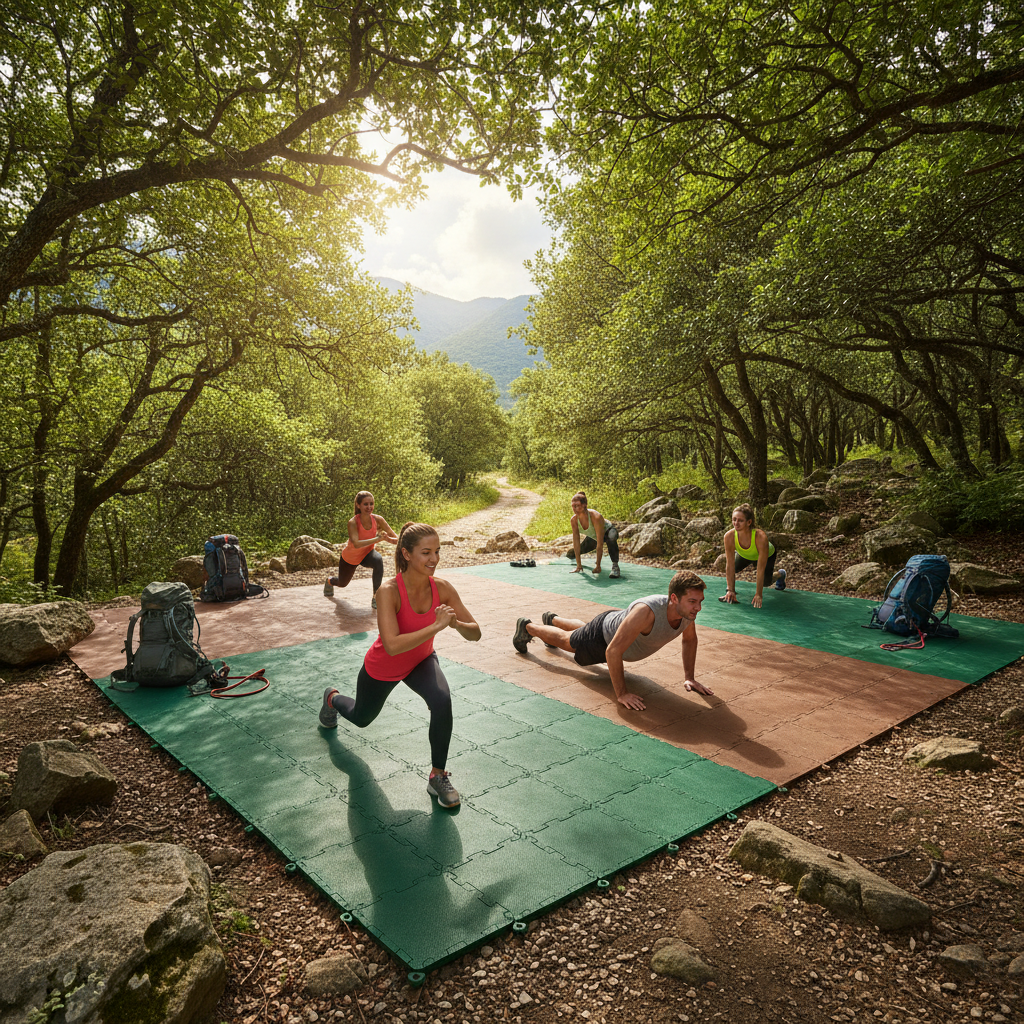
Understanding its role is increasingly vital, not only for athletic facilities but also for community centers and recreational spaces aiming to promote physical activity. The selection of the right sports flooring material significantly contributes to the accessibility and inclusivity of sports, ensuring that individuals of all skill levels can participate safely and comfortably.
Key Characteristics of Effective Flooring
Durability is a cornerstone of effective sports flooring material. The surface must withstand constant impact, abrasion, and heavy foot traffic without deteriorating or compromising its performance characteristics. Different materials offer varying levels of durability, depending on their composition and manufacturing process.
Another crucial factor is shock absorption. Effective sports flooring material significantly reduces the impact force experienced by athletes, minimizing stress on joints and reducing the risk of injuries. The level of shock absorption required varies depending on the sport; for example, basketball courts require greater shock absorption than volleyball courts.
Sports Flooring Material Performance Metrics
Applications Across Various Sports
Basketball courts commonly utilize polyurethane or maple wood flooring, prized for their shock absorption, ball rebound, and durability. These surfaces provide excellent traction and reduce the risk of injuries associated with the high-impact nature of the sport.
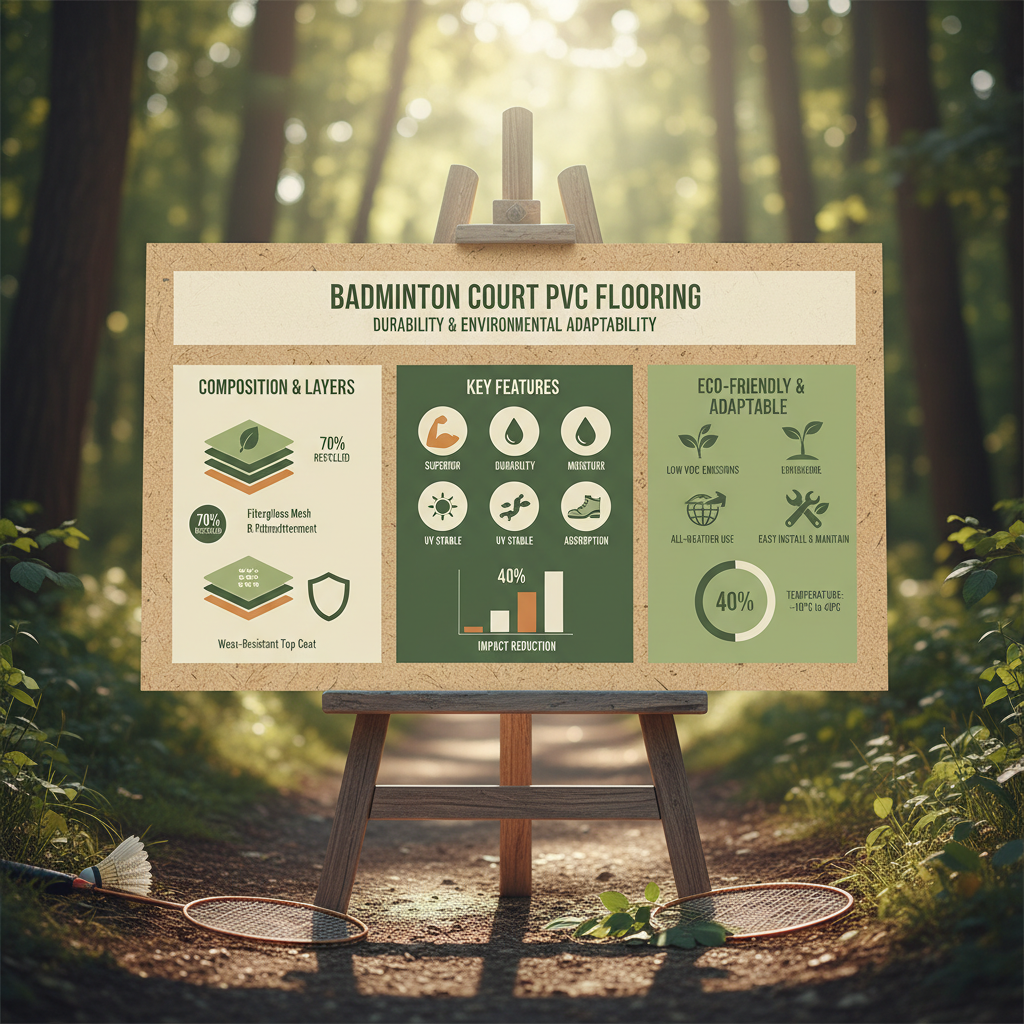
Volleyball courts often employ vinyl or rubber flooring, offering a balance of cushioning and slip resistance. These materials are ideal for the quick movements and frequent jumping characteristic of volleyball, providing a safe and responsive playing surface. Tennis courts frequently utilize acrylic or synthetic grass surfaces.
Advantages and Long-Term Investment Value
Investing in high-quality sports flooring material yields significant long-term benefits. Reduced injury rates translate to lower healthcare costs and minimized downtime for athletes. The durability of premium materials reduces the need for frequent replacements, resulting in cost savings over the lifecycle of the facility.
Beyond cost savings, effective sports flooring material contributes to enhanced athlete performance and a more positive overall sporting experience. A comfortable and safe playing surface fosters confidence and encourages participation, ultimately promoting a healthier and more active community. It is a long-term investment in the health and wellbeing of your athletes and the overall success of your facility.
Future Innovations and Sustainability
The future of sports flooring material is poised for exciting innovations, with a growing emphasis on sustainability and performance enhancement. Researchers are exploring bio-based materials, such as recycled rubber and plant-based polymers, to reduce the environmental footprint of flooring production.
Digital technologies are also playing an increasingly important role, with the development of smart flooring systems that can monitor athlete performance, track usage patterns, and provide real-time feedback. These systems can help optimize training programs, prevent injuries, and enhance the overall sporting experience. The integration of sensors and data analytics is transforming sports flooring from a passive surface to an active component of athletic performance.
Further advancements are expected in self-healing flooring materials, which can automatically repair minor damage, extending the lifespan of the surface and reducing maintenance costs. These innovations represent a significant step towards creating more sustainable, durable, and high-performance sports flooring solutions.
Analysis of Key Factors Influencing Sports Flooring Material Selection
| Sport Type |
Material Durability (1-10) |
Impact Absorption (1-10) |
Cost (Low, Medium, High) |
| Basketball |
9 |
8 |
Medium |
| Volleyball |
7 |
7 |
Low |
| Gymnastics |
8 |
10 |
High |
| Tennis |
6 |
6 |
Medium |
| Badminton |
7 |
5 |
Low |
| Squash |
8 |
7 |
Medium |
FAQS
The lifespan of polyurethane sports flooring generally ranges from 10 to 20 years, depending on usage intensity, maintenance practices, and the quality of the initial installation. Regular cleaning, recoating, and prompt repair of any damage are essential to maximizing its longevity. Higher quality polyurethane systems, with thicker wear layers, will naturally endure longer. Proper subfloor preparation is also critical for ensuring a stable and long-lasting surface.
Vinyl sports flooring is significantly more cost-effective than maple wood, both in terms of initial installation and long-term maintenance. Maple wood requires more specialized installation, regular sanding and refinishing, and is susceptible to moisture damage. Vinyl, on the other hand, is easier to install, requires minimal maintenance, and is more resistant to moisture and wear. However, maple wood offers a different aesthetic and playing feel that some sports, like basketball, may prefer.
For a multi-purpose sports hall, a sprung floor system with a vinyl or polyurethane wear layer is often the best choice. Sprung floors provide essential shock absorption and reduce the risk of injuries, while the vinyl or polyurethane surface offers versatility for various sports, including basketball, volleyball, badminton, and indoor soccer. The sprung floor helps to distribute impact forces, providing consistent performance across different activities.
Rubber flooring can be a very sustainable option, particularly if it's made from recycled tires or other post-consumer rubber materials. Utilizing recycled content reduces landfill waste and conserves natural resources. However, it's important to verify the source and composition of the rubber flooring to ensure it meets environmental standards and doesn't contain harmful chemicals. Look for certifications like LEED to confirm its sustainability credentials.
Subfloor preparation is absolutely critical for the successful installation and longevity of sports flooring. The subfloor must be level, clean, dry, and structurally sound. Any imperfections in the subfloor can compromise the performance and durability of the flooring, leading to uneven surfaces, premature wear, and potential safety hazards. Proper preparation may involve leveling compounds, crack repairs, and moisture barriers.
Regular maintenance is vital for extending the life and performance of sports flooring. This includes daily sweeping or vacuuming to remove dust and debris, weekly damp mopping with a neutral pH cleaner, and periodic deep cleaning. For polyurethane or vinyl flooring, recoating may be necessary every few years to restore the wear layer and maintain its slip resistance. Promptly address any spills or damage to prevent further deterioration.
Conclusion
In conclusion, sports flooring material is a crucial element in ensuring athlete safety, enhancing performance, and creating a positive sporting environment. From the diverse range of materials available to the continuous advancements in sustainability and technology, understanding the nuances of sports flooring is essential for facility managers, coaches, and athletes alike. Choosing the right flooring is an investment in the long-term health and success of any sports facility.
Looking ahead, the industry will continue to prioritize innovation and sustainability, with a focus on developing eco-friendly materials, smart flooring systems, and surfaces that cater to the evolving needs of athletes. By embracing these advancements, we can create safer, more durable, and more high-performance playing surfaces for generations to come. To learn more about high-quality sports flooring solutions, visit our website: sports flooring material.