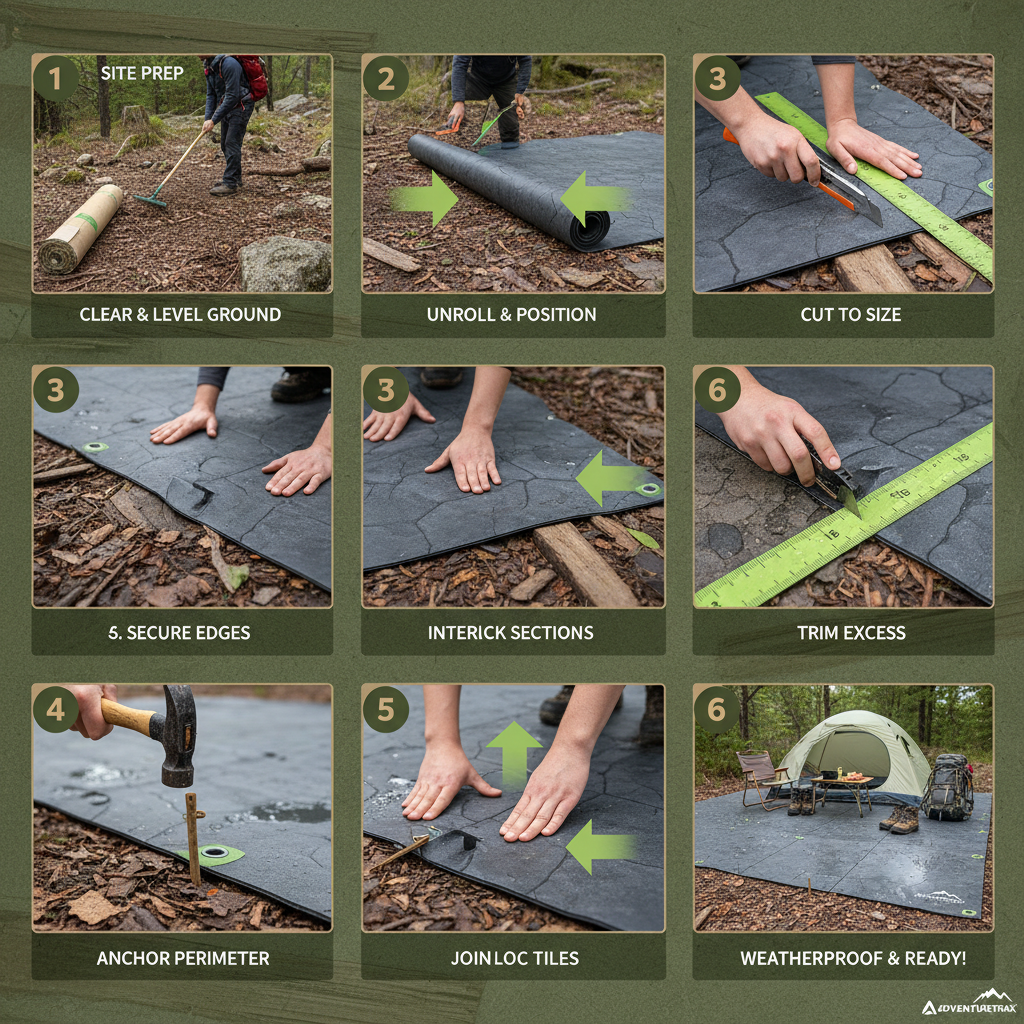
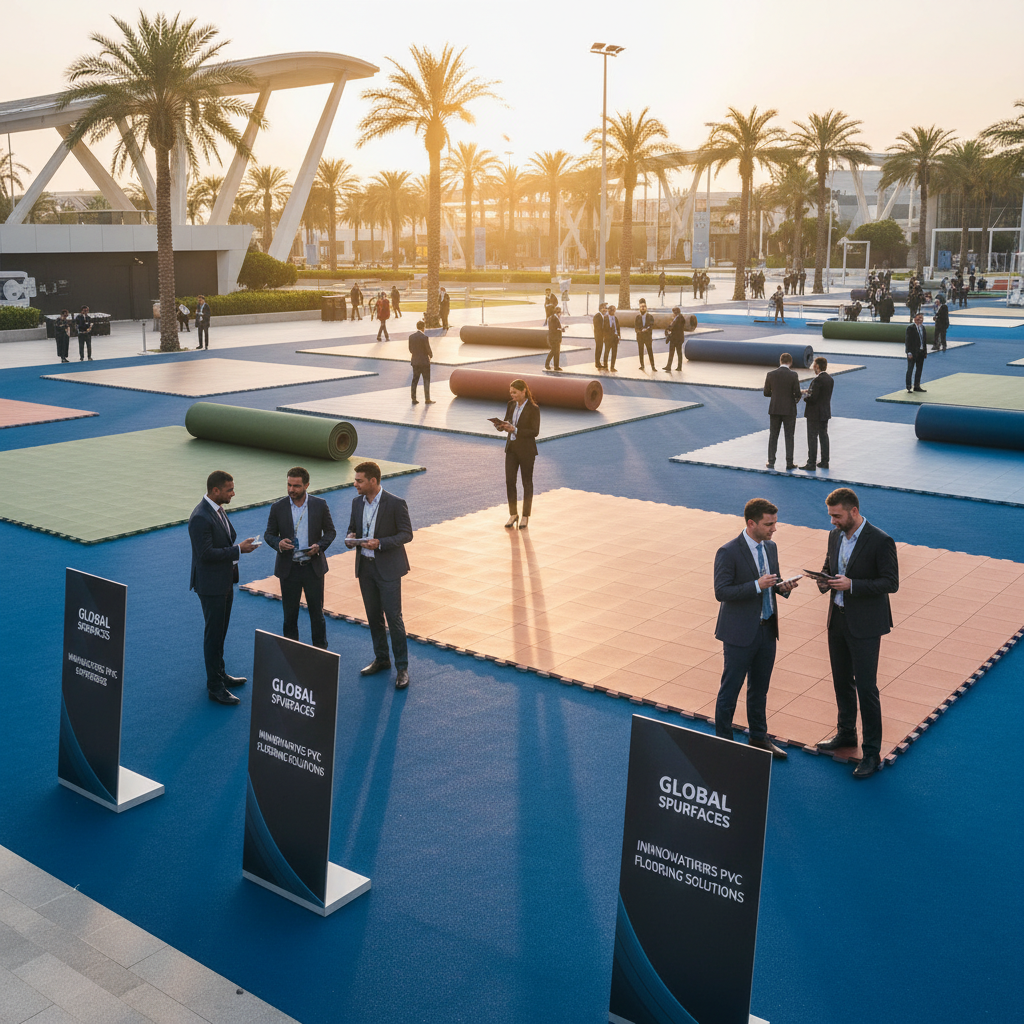
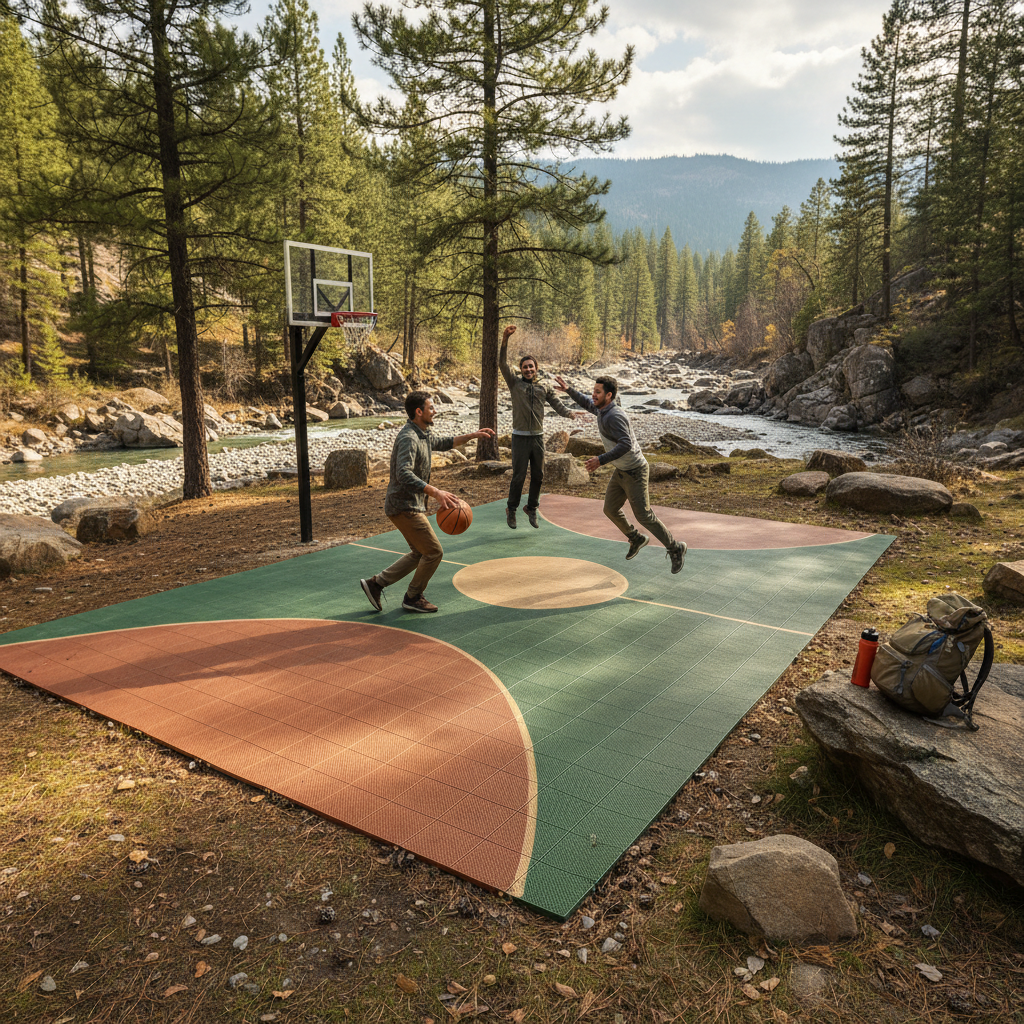
You know, after running around construction sites all year, breathing in dust and arguing with engineers… sports flooring is a surprisingly complex world. It's not just about slapping down some rubber tiles, not by a long shot. Lately, everyone's buzzing about these interlocking PVC tiles, supposedly super easy to install. To be honest, I've seen 'easy to install' turn into a three-day headache more times than I can count.
And the demand for sustainability is huge now. Everyone wants recycled content, low VOCs...it's good, it really is. But a lot of these "eco-friendly" options? They still don’t hold up like the old stuff. Gotta balance being green with actually, you know, working.
It’s a constant battle. We’re a sports flooring company, and our job isn’t just to sell materials, it’s to solve problems.
The Latest Trends in Sports Flooring
Honestly? It’s all about multi-purpose spaces. Gyms want to host events, schools need surfaces that can handle everything from basketball to volleyball to…well, whatever kids do these days. We're seeing a huge push for portable flooring systems too. Everything's gotta be flexible. And the demand for shock absorption is constantly increasing, especially with concussion awareness.
It’s not just about athletes either. Fitness studios are booming, and they all want that premium look and feel. They want something that screams ‘high-end’, even if it’s just a CrossFit box.
Design Pitfalls to Avoid
You wouldn’t believe how many people get tripped up on subfloor preparation. Seriously. They think, “Oh, it’s just a floor, we can slap it down.” Nope. Uneven subfloors = disaster. Bubbles, cracking, premature wear… the whole nine yards. And don’t even get me started on expansion gaps. Ignoring those is a guaranteed headache.
Have you noticed how everyone wants a seamless look? That's great, aesthetically. But seamless doesn’t mean maintenance-free. Those epoxy coatings can be a pain to repair if they get damaged. And speaking of damage, underestimating the impact load is a big mistake. Especially in weightlifting areas.
And a weird one... I encountered this at a factory in Shandong last time, they were trying to use a super-cheap adhesive, and it off-gassed for months. Months! The whole gym smelled like chemicals. Always, always go with a reputable adhesive.
Material Deep Dive: What We're Actually Working With
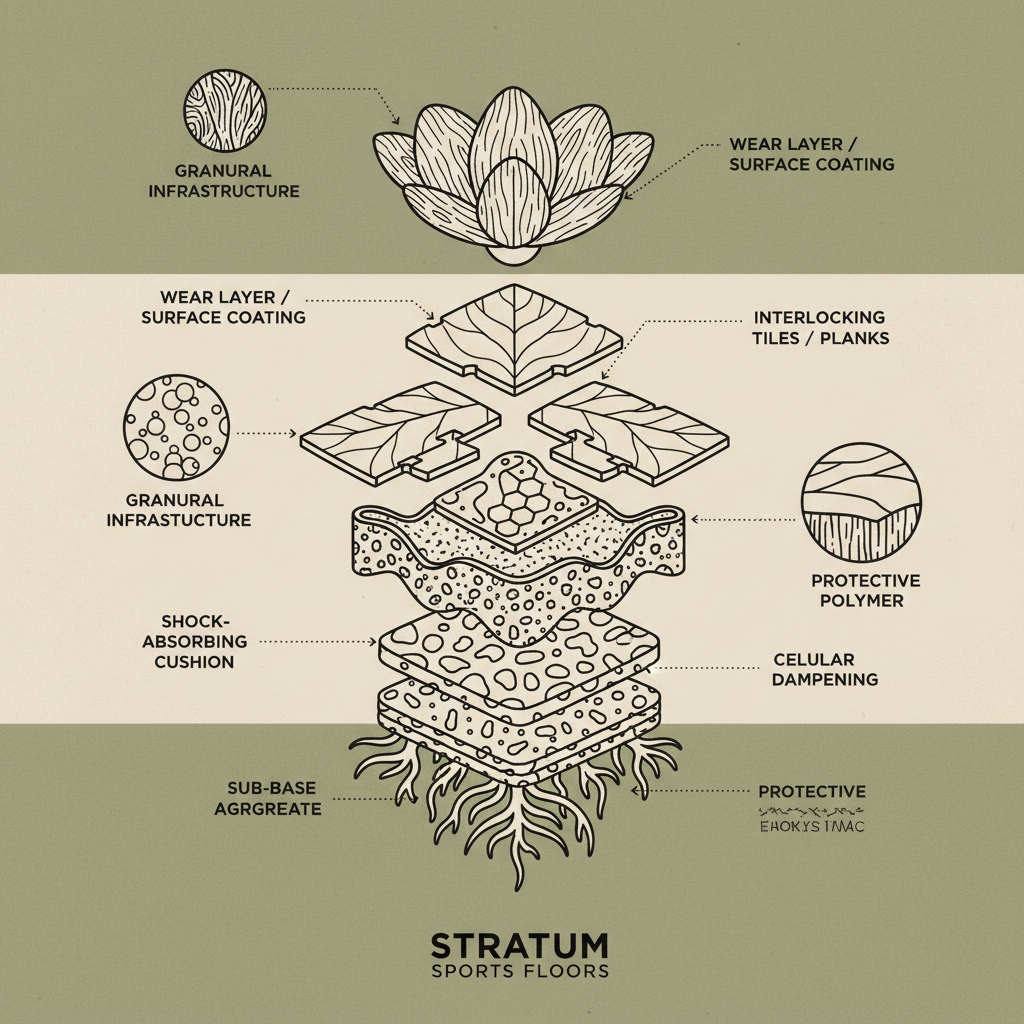
Okay, let's talk materials. PVC is still king, but it's not all the same. You’ve got your virgin PVC, your recycled PVC, and everything in between. Recycled is good, but the consistency can be… questionable. You can smell the difference, honestly. The good stuff has a clean, almost sweet odor. The cheap stuff? It smells like plastic, plain and simple.
Then there’s rubber. We’re seeing more and more EPDM rubber, especially for outdoor courts. That stuff is tough. It's got this… grippy feel to it. Feels solid under your feet. But it can be expensive, and it’s heavy. Really heavy. Shipping costs can kill you.
And polyurethanes… those are used a lot for the topcoatings. They give a nice, smooth finish, but they’re sensitive to moisture. Strangely, a lot of contractors don’t bother to properly prime the subfloor before applying polyurethane. Big mistake.
Real-World Testing – Beyond the Lab
Lab tests are fine, I guess. But they don't tell you the whole story. We do our own testing, on-site. Drop tests with weights, abrasion tests with tires, even just letting guys beat on it with hammers. Sounds crazy, I know.
We also pay attention to how it cleans. A floor that looks great but requires constant scrubbing isn't a good floor. And how does it handle spills? Oil, water, energy drinks… those are the real tests.
Sports Flooring Company Performance Metrics
How Users Actually Use Sports Flooring
This is where it gets interesting. You design something for a specific purpose, and then people find completely different ways to use it. We had a customer install our rubber flooring in a dog daycare. A dog daycare. Apparently, it's the perfect surface for zoomies. Who knew?
And fitness studios? They’re notorious for dropping weights, dragging equipment, and generally abusing the floor. It’s a warzone in there. You’ve got to design for the worst-case scenario.
The Good, The Bad, and the Customizable
The biggest advantage of our stuff? Durability. Seriously. It holds up. But it’s not cheap. That’s the downside. And sometimes, lead times can be long. Supply chain issues, you know how it is.
But we can customize. Last month, that small boss in Shenzhen who makes smart home devices insisted on changing the interface to , and the result was... well, let's just say it was a logistical nightmare. He wanted it for aesthetics, pure and simple. But we made it happen. We always try to make it happen.
Anyway, I think offering custom color matching is a big selling point too. People want their branding on everything.
A Little Story From the Field
So, a few years back, we were doing a project for a new basketball court in a rural high school. The coach was super particular, wanted everything just right. But the budget was tight.
We ended up going with a slightly thinner rubber flooring, but we reinforced the subfloor with extra plywood. It wasn’t the perfect solution, but it worked. And the coach? He was ecstatic. Said it was the best court the school had ever had. That’s what I mean. It’s not always about the fanciest materials.
It’s about finding a solution that works for the specific situation.
Summary of Key Considerations for Sports Flooring Selection
| Performance Characteristic |
Material Impact |
Cost Consideration |
Installation Complexity |
| Shock Absorption |
Rubber & Polyurethane provide highest absorption |
Higher initial cost, but potentially reduces injury costs |
Relatively straightforward for modular systems |
| Durability |
Virgin PVC & EPDM rubber offer superior longevity |
Higher upfront investment but lower lifecycle costs |
Proper subfloor preparation is crucial |
| Maintenance |
Seamless coatings require specialized cleaning |
Lower maintenance materials increase long-term value |
Regular cleaning prevents premature wear |
| Sustainability |
Recycled PVC reduces environmental impact |
May come with a slight price premium |
Ensure proper disposal of old flooring |
| Customization |
Polyurethane coatings allow for color matching |
Customization increases material and labor costs |
Requires specialized application techniques |
| Slip Resistance |
Textured surfaces and rubber compounds enhance grip |
Higher-grip surfaces can increase cleaning effort |
Regular cleaning maintains optimal slip resistance |
FAQS
People often think the cheapest option is the best. It rarely is. You get what you pay for, and a poorly installed or low-quality floor will end up costing you more in the long run with repairs and replacements. They also underestimate the importance of subfloor preparation. It's the foundation of everything.
It needs to be level, clean, and dry. Seriously. We use moisture meters and laser levels to check. Any cracks or unevenness need to be addressed before installation. Don't skimp on this step. A good contractor will insist on it.
Interlocking is faster to install and easier to replace sections of, but glued-down is generally more stable and offers better impact absorption. It depends on your needs. If you need a temporary or portable floor, interlocking is the way to go. For a permanent installation, glued-down is usually better.
Very important! Volatile Organic Compounds can off-gas and affect air quality. Look for flooring that has been certified for low VOC emissions, like FloorScore or Greenguard. It's especially important in indoor facilities where people spend a lot of time.
Absolutely! We can incorporate your logo or branding into the flooring using various techniques, like inlaying different colored materials or printing directly onto the surface. It adds a professional touch and reinforces your brand identity.
It varies depending on the material, usage, and maintenance. Generally, a well-maintained PVC floor can last 10-15 years, while rubber flooring can last even longer. Proper cleaning and regular inspections are key to maximizing its lifespan.
Conclusion
Ultimately, choosing the right sports flooring comes down to understanding your needs, your budget, and the specific demands of the space. It’s not just about aesthetics; it’s about performance, safety, and longevity. A sports flooring company worth its salt will guide you through the process, offering expert advice and solutions tailored to your situation.
And in the end, whether this thing works or not, the worker will know the moment he tightens the screw. If it feels solid, looks right, and doesn’t smell like chemicals, you’re probably in good shape. That’s my two cents, anyway.