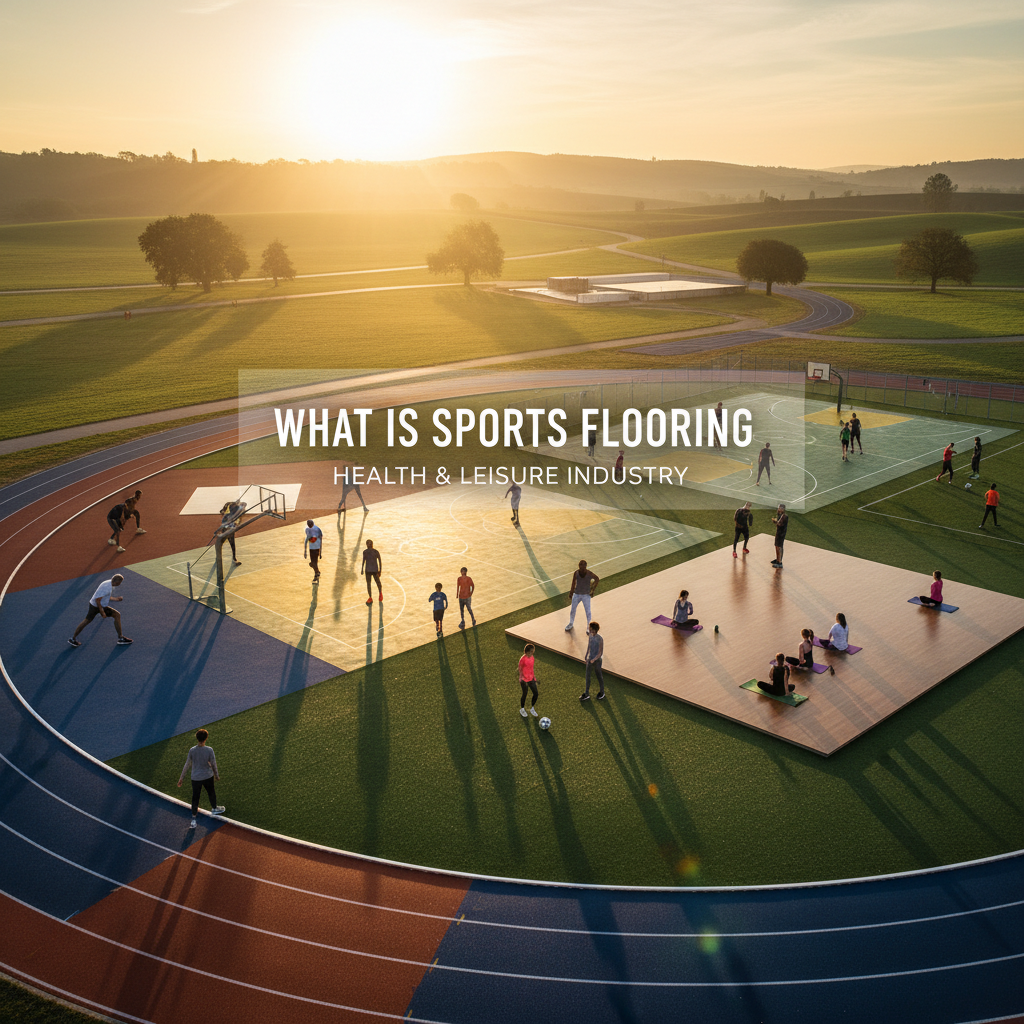
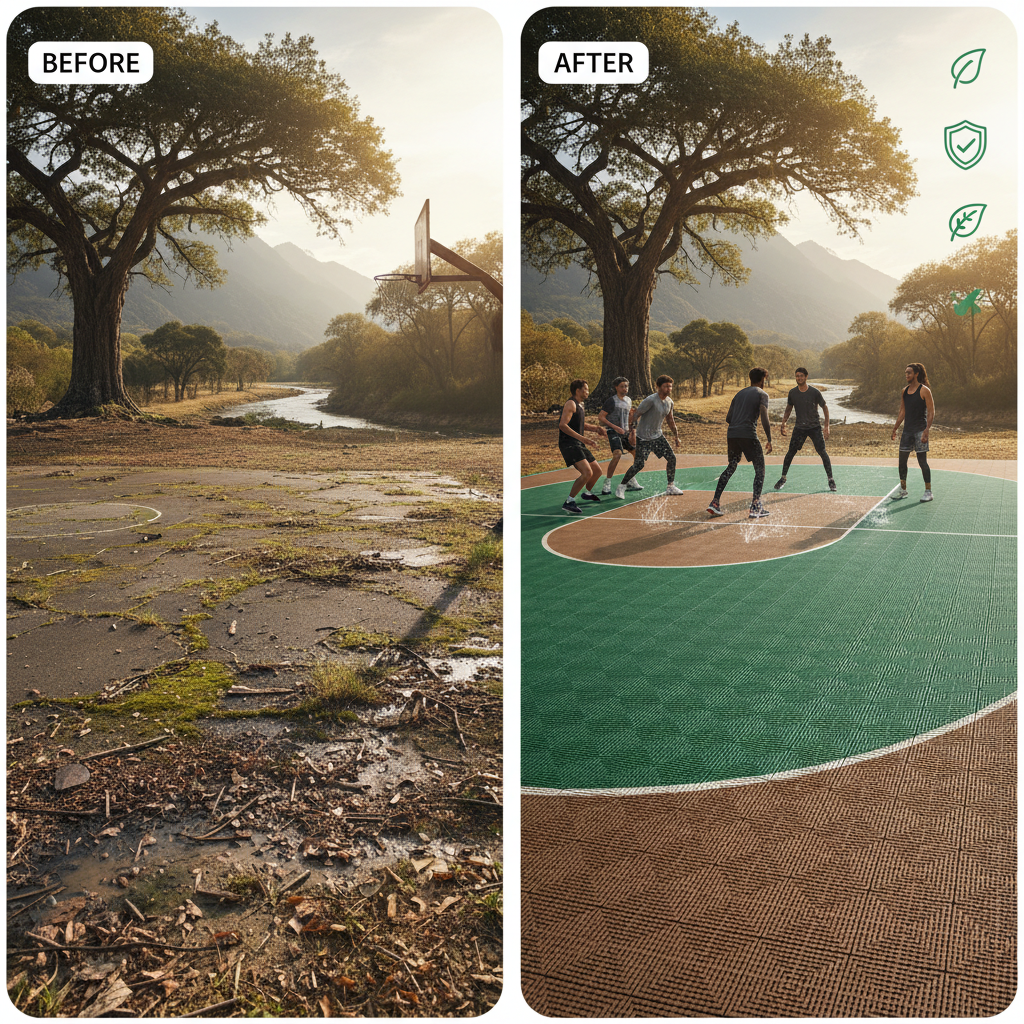
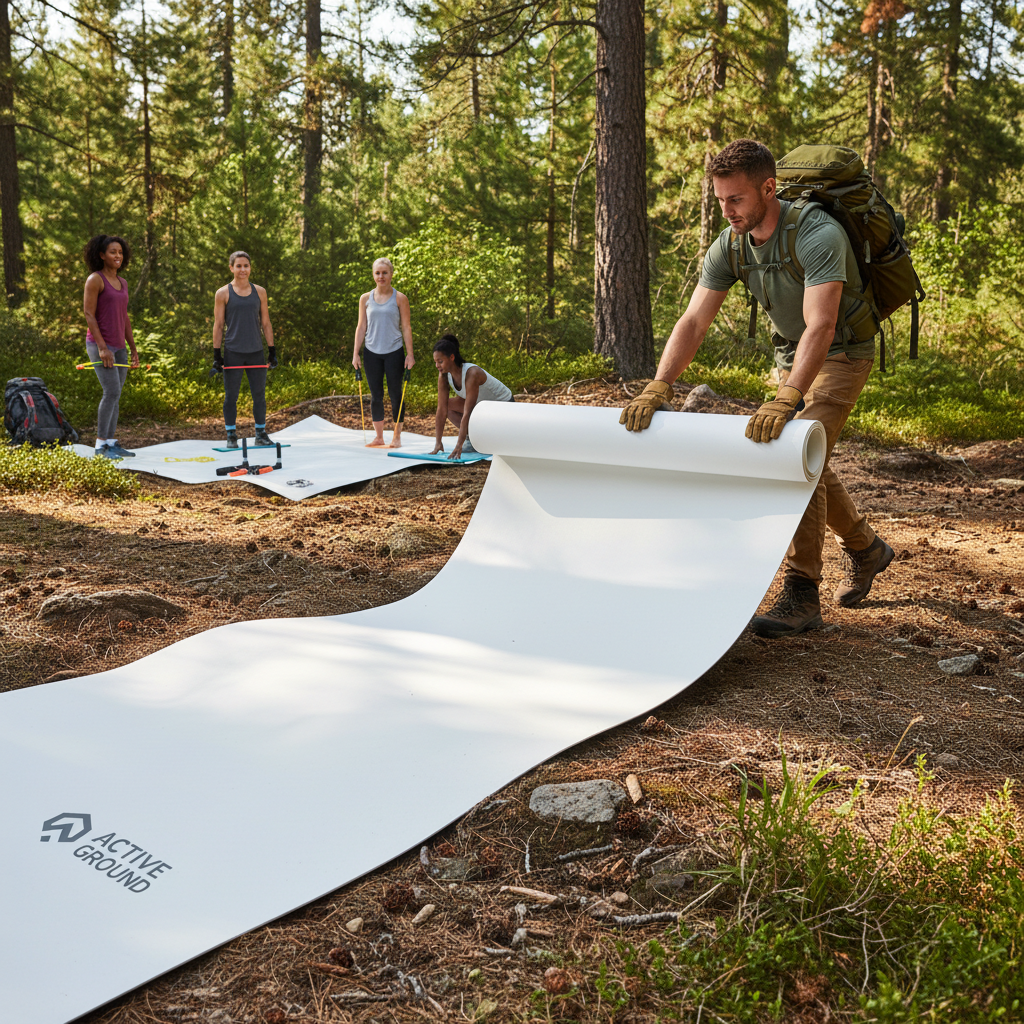
Sports flooring is a specialized surface designed to enhance athletic performance, provide shock absorption, and minimize injuries in various sporting activities. It’s far more than just a comfortable surface; it's a crucial element influencing athlete safety, game speed, and overall sports experience. Understanding what is sports flooring is vital for facility managers, athletes, coaches, and anyone involved in the creation and maintenance of athletic spaces.
Globally, the demand for high-quality sports flooring is rising alongside increasing participation in sports and a growing awareness of the importance of athlete safety. The ISO standards for sports surfaces play a significant role in ensuring consistent quality and performance. According to the World Bank, investment in sporting infrastructure is a key component of community development and public health initiatives in many nations. This has led to a multi-billion dollar industry, continually innovating to meet the evolving needs of diverse sports.
Essentially, what is sports flooring is a layered system engineered to withstand the rigors of athletic activity, providing the necessary grip, resilience, and support. It addresses the challenge of creating safe and effective playing surfaces across a wide range of disciplines, from basketball and volleyball to gymnastics and weightlifting. Understanding the specific requirements of each sport is paramount in selecting the appropriate flooring system.
The Importance of Sports Flooring
Understanding what is sports flooring goes beyond simply providing a surface to play on. It’s about creating an environment optimized for performance and, crucially, athlete safety. The right flooring absorbs impact, reducing the risk of injuries like sprains, strains, and concussions. A well-designed system can also enhance athlete speed and agility, leading to better game outcomes.
Furthermore, the type of sports flooring impacts the longevity of a facility. Durable, high-quality flooring requires less maintenance and replacement, resulting in long-term cost savings. Investing in the correct flooring is not an expense, but rather a strategic investment in the health of athletes and the sustainability of sporting facilities. what is sports flooring is a critical consideration.
Defining Sports Flooring: A Global Perspective
Sports flooring encompasses a wide variety of surface materials and systems, each tailored to meet the specific demands of different sports. From hardwood maple for basketball to synthetic rubber for gyms and specialized polyurethane systems for running tracks, the options are extensive. Globally, advancements in materials science have led to innovative solutions offering enhanced performance characteristics.
The rise of indoor sports and fitness activities has fueled the demand for specialized flooring solutions. In Europe, stringent safety regulations and a focus on athlete welfare drive the adoption of high-performance flooring systems. North America sees strong demand for versatile flooring suitable for multi-sport facilities. Asia-Pacific is experiencing rapid growth, with increasing investment in sports infrastructure.
What is sports flooring is consistently evolving, spurred by research and development in areas such as shock absorption, energy return, and slip resistance. This dedication to innovation aims to minimize injury rates and optimize athletic performance on a worldwide scale.
Key Characteristics of High-Performance Sports Flooring
Several key factors define a high-performance sports flooring system. Durability is paramount, ensuring the floor can withstand repeated impact, abrasion, and heavy use. Shock absorption is critical for minimizing injury risk, protecting joints and reducing fatigue. Proper grip and traction are essential for enabling quick movements and preventing slips. To truly understand what is sports flooring, one must consider these core elements.
Beyond these, consistency in performance is vital. A high-quality floor will maintain its characteristics throughout its lifespan, providing a reliable playing surface. Ease of maintenance is also important, reducing downtime and minimizing long-term costs. Finally, the flooring must meet relevant safety standards and regulations to ensure athlete well-being.
Material selection plays a crucial role in achieving these characteristics. Rubber, polyurethane, vinyl, and hardwood are common choices, each with its own strengths and weaknesses. The ideal material depends on the specific sport, the level of play, and the budget.
Performance Metrics in Sports Flooring Systems
Quantifying the performance of what is sports flooring involves several key metrics. Shock absorption is typically measured by assessing the percentage of impact force reduced by the floor. Energy return refers to the amount of energy the floor gives back to the athlete, potentially enhancing performance.
Slip resistance is crucial and is assessed using specialized testing equipment that measures the coefficient of friction. Vertical deformation measures how much the floor compresses under load, indicating its responsiveness and cushioning. These metrics are regularly evaluated to guarantee safety and performance.
Performance Metrics for Different Sports Flooring Types
Applications Across Various Sports Disciplines
What is sports flooring finds application in a diverse array of sports. Basketball courts require hardwood or polyurethane systems for optimal bounce and grip. Volleyball courts utilize similar materials, prioritizing shock absorption to reduce impact on players' joints.
Gymnasiums benefit from rubber flooring, providing cushioning for tumbling, weightlifting, and general fitness activities. Running tracks necessitate synthetic rubber surfaces engineered for energy return and consistent traction. Ice hockey rinks, of course, rely on specialized frozen water surfaces, often supported by underlying refrigeration and drainage systems.
Long-Term Benefits and Return on Investment
Investing in quality sports flooring provides significant long-term benefits. Reduced injury rates translate to lower healthcare costs and decreased downtime for athletes. Extended floor lifespan minimizes replacement expenses, offering a strong return on investment.
Enhanced athletic performance can lead to improved competitive outcomes. A comfortable and safe playing surface boosts athlete morale and encourages greater participation. Sustainability aspects, such as using recycled materials, contribute to a positive environmental impact.
Properly maintained sports flooring enhances the overall value of a facility, making it more attractive to athletes, teams, and event organizers. Choosing the right system is a strategic decision that pays dividends for years to come.
Future Trends and Sustainable Innovations
The future of what is sports flooring is focused on innovation and sustainability. Development of bio-based and recycled materials is gaining momentum, reducing the environmental footprint of flooring systems. Smart flooring, incorporating sensors to track athlete movement and performance data, is emerging as a new frontier.
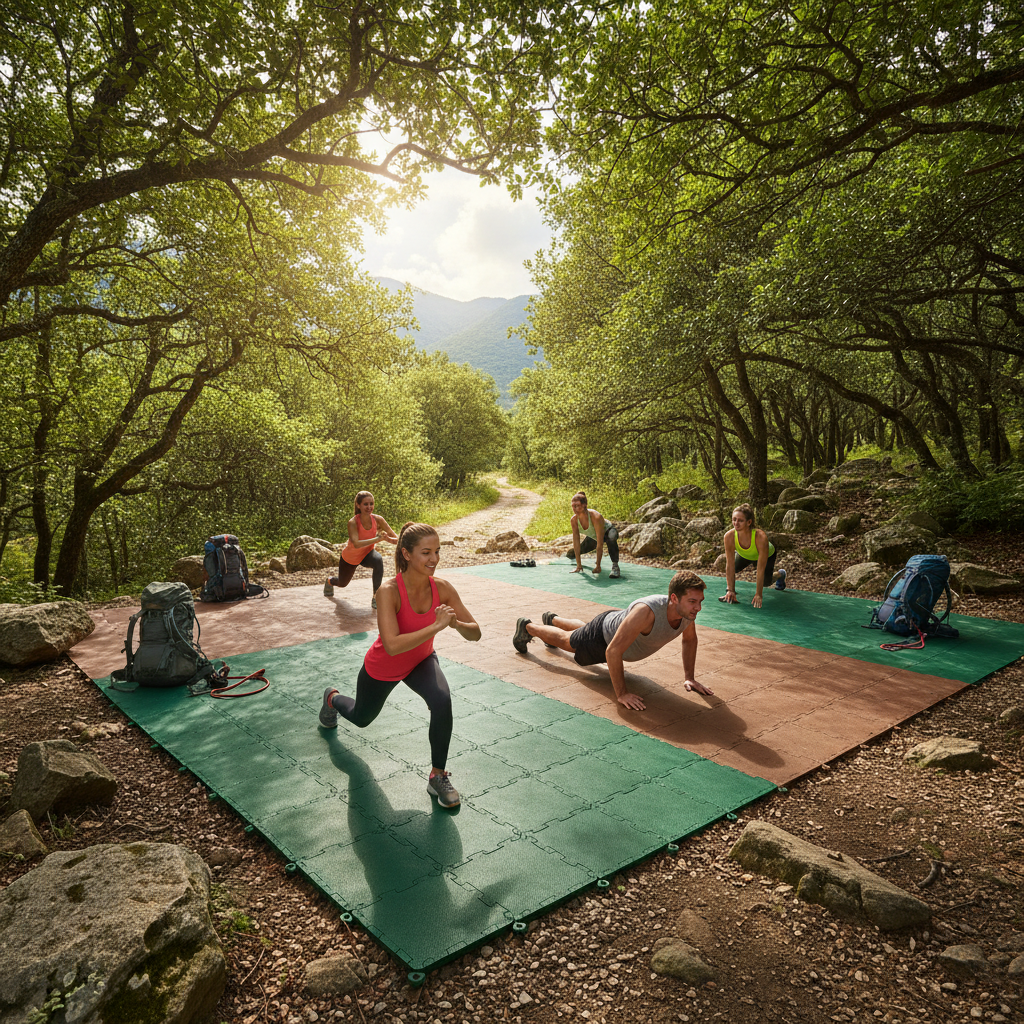
Advancements in surface coatings are enhancing durability and slip resistance. Modular flooring systems, offering flexibility and ease of installation, are becoming increasingly popular. The integration of digital technology, such as augmented reality for design visualization, is streamlining the flooring selection process.
The trend toward multi-sport facilities will drive demand for versatile flooring solutions that can accommodate a variety of athletic activities. Prioritizing energy efficiency in manufacturing and installation processes will further contribute to a more sustainable industry.
Summary of Emerging Trends in Sports Flooring Technologies
| Technology Area |
Innovation Description |
Potential Impact |
Adoption Rate (1-10) |
| Bio-Based Materials |
Using renewable resources for flooring components. |
Reduced environmental impact, sustainable sourcing. |
5 |
| Smart Flooring |
Incorporating sensors to track athlete performance. |
Enhanced training insights, injury prevention. |
3 |
| Recycled Content |
Utilizing recycled rubber or plastics in flooring production. |
Waste reduction, circular economy principles. |
7 |
| Advanced Coatings |
Developing coatings with enhanced slip resistance and durability. |
Improved athlete safety, longer floor lifespan. |
8 |
| Modular Systems |
Creating flooring from interlocking tiles for easy installation. |
Flexibility, quick setup, reduced installation costs. |
6 |
| AR Visualization |
Using augmented reality to preview flooring in a space. |
Improved decision-making, accurate design planning. |
4 |
FAQS
Hardwood offers a traditional look and feel, providing excellent energy return and responsiveness. However, it requires more maintenance and is susceptible to moisture damage. Synthetic flooring, like polyurethane, is more durable, requires less maintenance, and offers consistent performance in various conditions. Choosing between the two depends on the specific sport, budget, and facility needs. Understanding what is sports flooring involves weighing these trade-offs.
Shock absorption is critical for minimizing the risk of injuries, particularly in high-impact sports. It reduces stress on joints, muscles, and bones, preventing sprains, strains, and concussions. A floor with adequate shock absorption enhances athlete comfort and performance, allowing them to train and compete without fear of injury. The level of shock absorption required varies depending on the sport.
The lifespan of a sports flooring system depends on the material, quality of installation, and level of maintenance. Hardwood floors, with proper care, can last 25-50 years. Synthetic surfaces, such as polyurethane or rubber, typically last 10-20 years. Regular cleaning, refinishing (for hardwood), and timely repairs are essential for maximizing the lifespan of any flooring system.
The right sports flooring can significantly enhance athlete performance. Proper shock absorption reduces fatigue and allows athletes to maintain energy levels longer. Optimal grip and traction enable quick movements and changes in direction. Consistent surface responsiveness provides a predictable playing surface, improving confidence and skill execution.
Yes, increasingly, there are sustainable sports flooring options available. These include floors made from recycled materials (like rubber tires) and bio-based materials (derived from renewable resources). Choosing eco-friendly flooring reduces environmental impact and supports sustainable practices in sports facility construction and maintenance.
Maintenance varies by flooring type. Hardwood requires regular cleaning, polishing, and refinishing. Synthetic floors generally need less maintenance, but still require regular cleaning and occasional repairs. Rubber flooring requires specialized cleaning agents to prevent discoloration. Following the manufacturer's recommendations is crucial for maintaining the integrity and performance of the floor.
Conclusion
In conclusion, what is sports flooring is a multifaceted subject that plays a vital role in athlete safety, performance, and the overall success of sporting facilities. Understanding the key characteristics, performance metrics, and emerging trends is crucial for making informed decisions about flooring selection and maintenance. Investing in high-quality, appropriate flooring is not merely an expense, but a strategic investment in the health and longevity of athletic programs.
Looking ahead, the future of sports flooring will be shaped by innovation and a growing emphasis on sustainability. Exploring bio-based materials, embracing smart flooring technologies, and prioritizing environmentally responsible manufacturing practices will pave the way for a more durable, safer, and eco-friendly sports environment. Visit our website at www.langningsportsfloor.com to learn more about our sports flooring solutions.