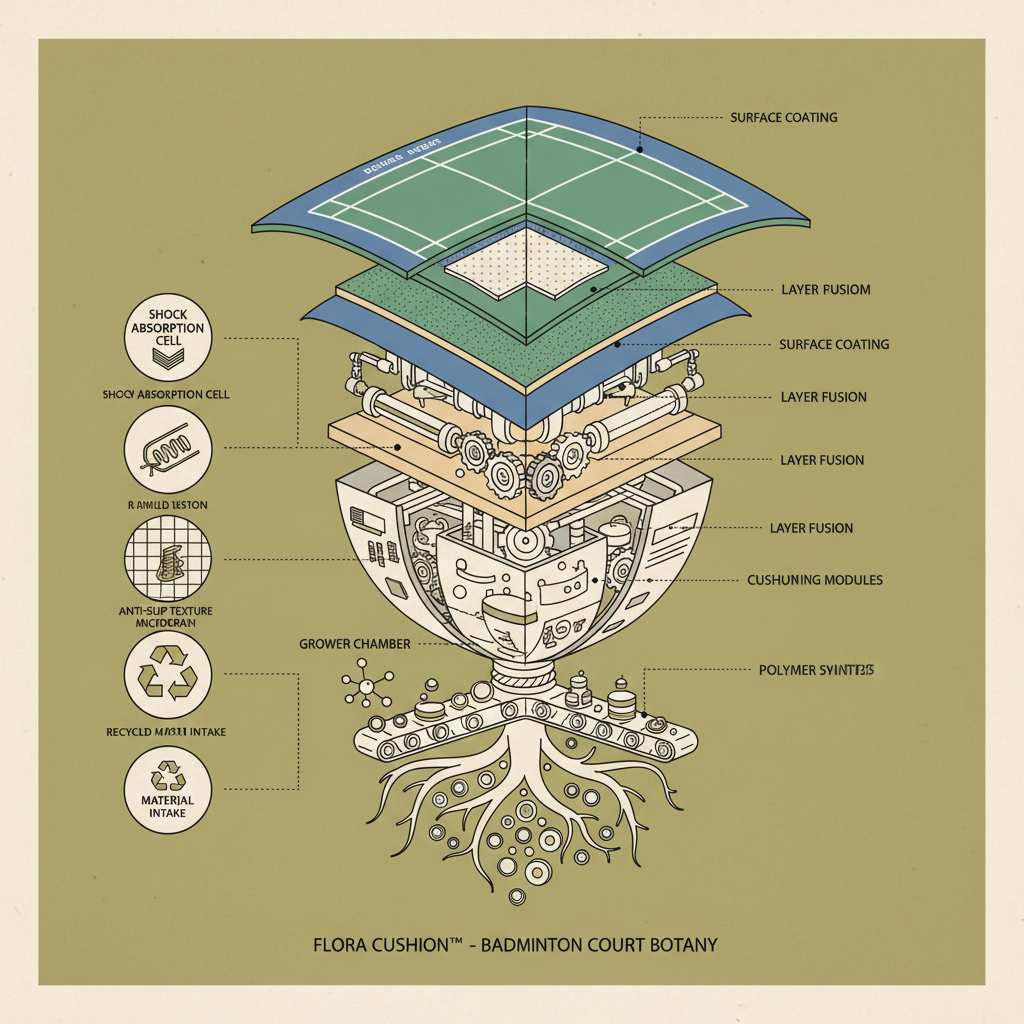
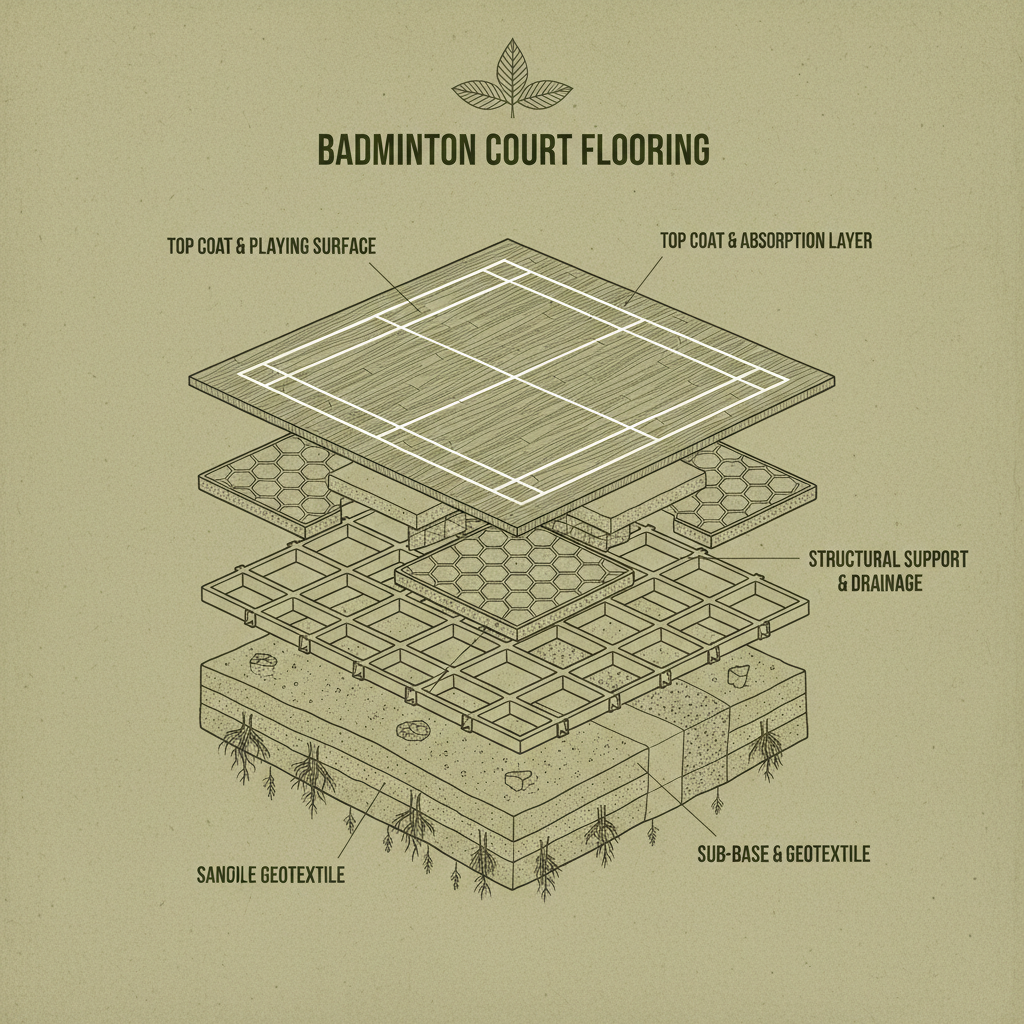
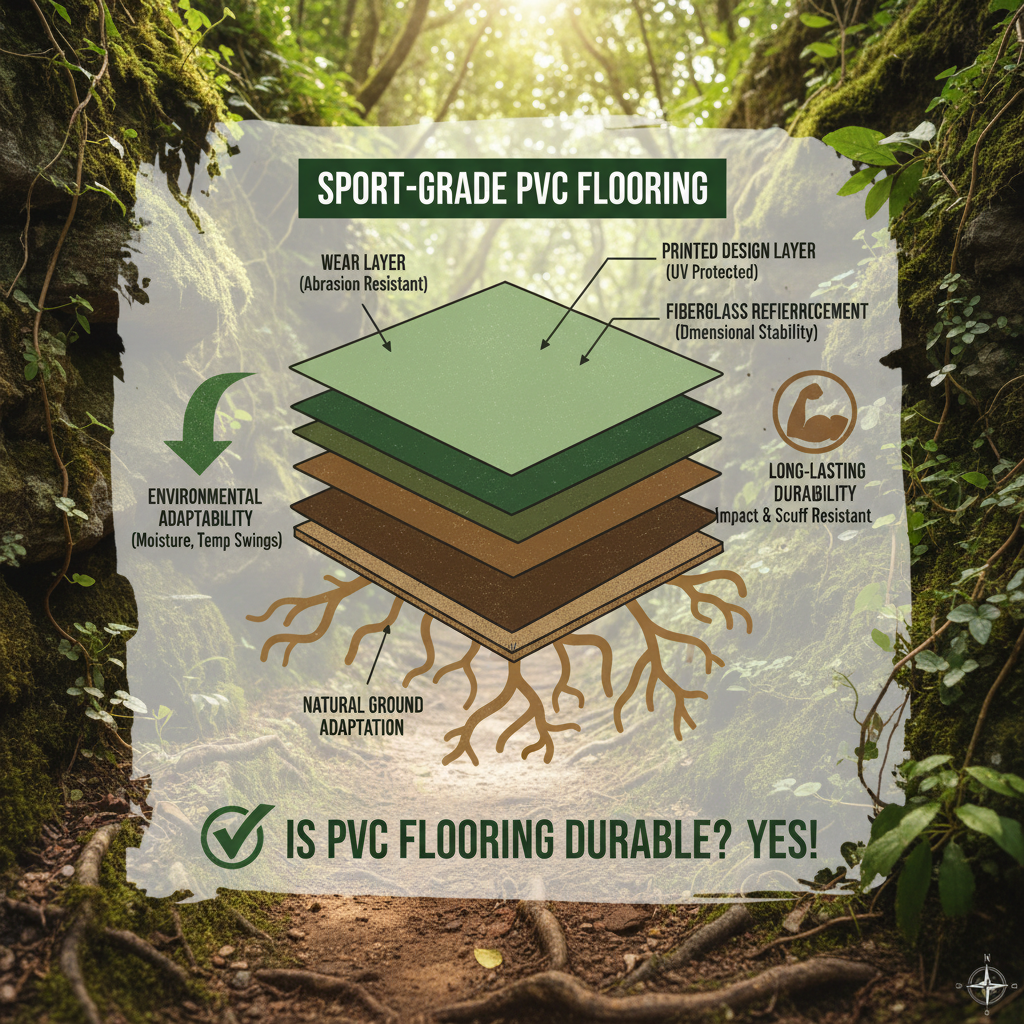
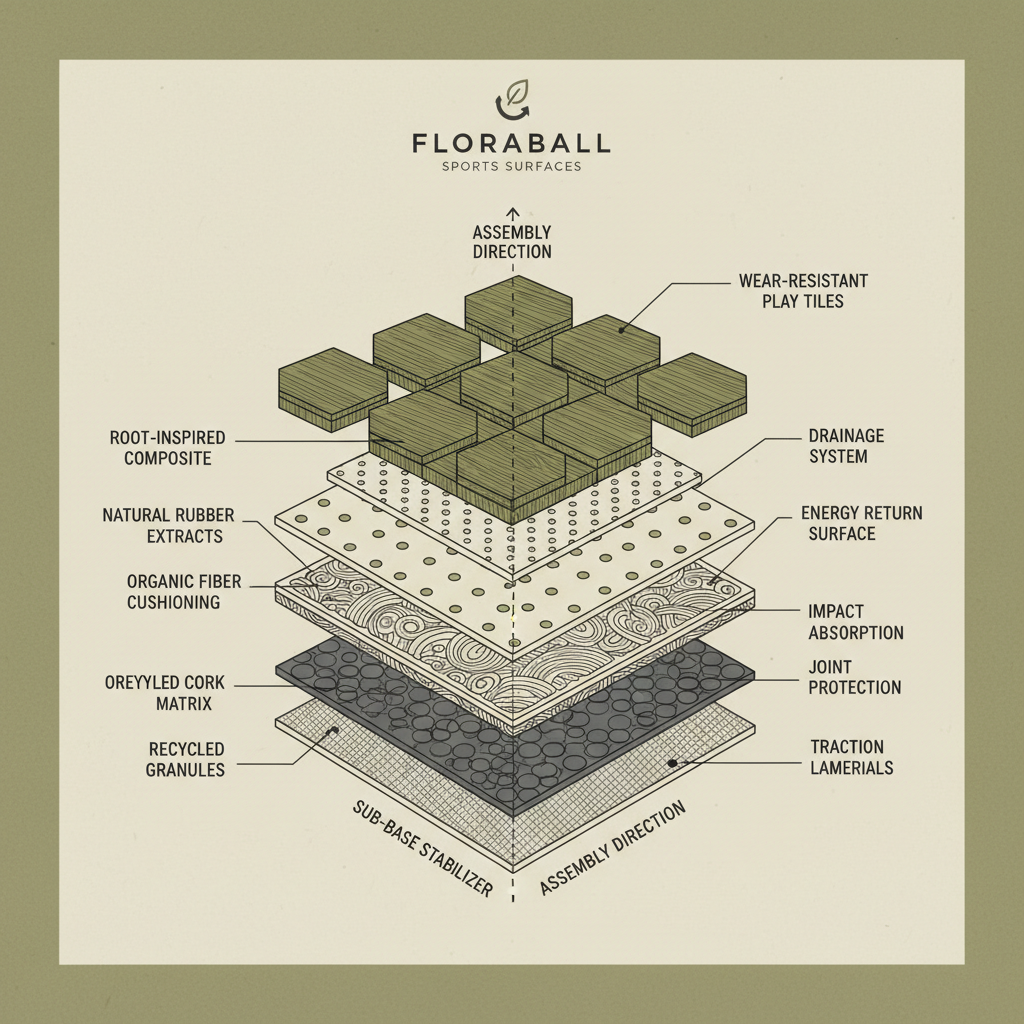
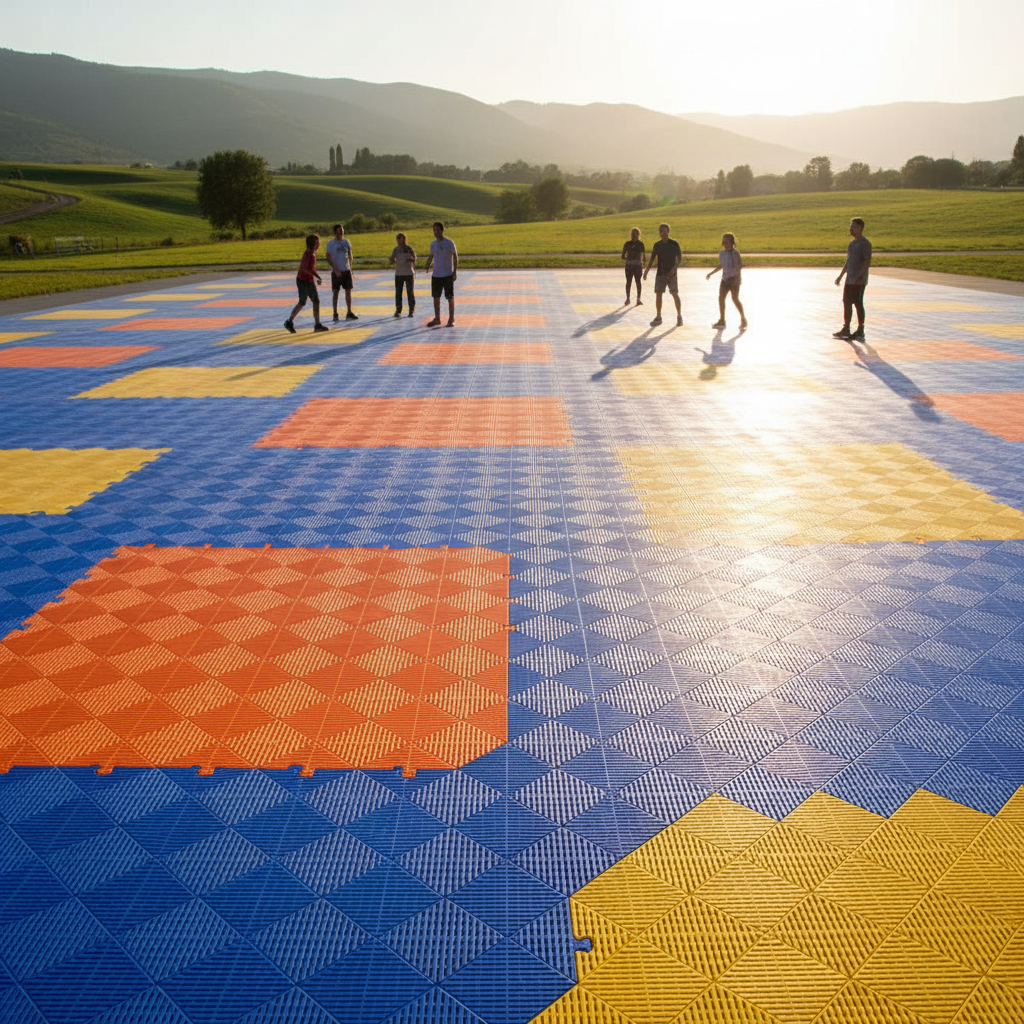
To be honest, the whole badminton court flooring game is changing fast. Used to be, everyone just wanted PVC, cheapest option, right? But now… now they’re all about interlocking PP tiles. Seems like every other customer is asking about them. It’s driven by this push for better shock absorption, quicker installation, and, strangely enough, more vibrant colors. People want courts that look fast, you know?
I’ve been seeing a lot more demand for specialized surfaces too – for training academies, for example. They need different levels of grip, different cushioning for specific drills. It’s not a one-size-fits-all world anymore. It's a real headache figuring out what each coach wants sometimes.
And the international stuff… well, the standards keep shifting. ISO this, BWF that. Makes sourcing materials a constant challenge. It all adds up.
The Evolving Landscape of Badminton Court Flooring
Have you noticed how everyone's obsessed with shock absorption now? It's not just about comfort for the players, apparently it's also about reducing long-term joint stress. The industry is really pushing for surfaces that minimize impact. I saw a demo at a trade show where they were comparing different materials using pressure sensors... pretty slick.
And it's not just high-end stuff. Even budget courts are trying to incorporate some level of cushioning. The demand is there, driven by player awareness and a lot of marketing hype, I'll admit. As a badminton court flooring manufacturer, we have to keep up.
Design Pitfalls & Material Choices
One thing I’ve encountered at a factory last time is that people get way too caught up in the technical specs. They look at the numbers for abrasion resistance, impact absorption, and all that, but they forget about the feel of the surface. A court can test perfectly, but if it feels sticky or slow, players won’t like it.
PP tiles, while popular, have their issues. The interlocking system can loosen over time, especially with heavy use. And getting the seams perfectly flush is a pain. PVC is more forgiving in that regard, but it doesn’t have the same shock absorption properties. You really gotta weigh the pros and cons.
Then there’s the question of the subfloor. A lot of people underestimate how important a properly prepared subfloor is. If it's uneven or unstable, even the best flooring will fail.
Real-World Testing & Performance
Forget the lab tests. The real test is putting the flooring in a busy gym and letting players beat on it for six months. That's when you really see what it can handle. We've started doing that more and more. It's expensive, but it's worth it. We’ve had some surprises, let me tell you.
I remember one particular batch of interlocking tiles that looked amazing in the lab, but started warping under the heat of the gym lights. Total disaster. Had to replace the whole thing. That's when we started factoring in UV resistance into our testing protocols.
The smell is important too. Seriously. Some of the cheaper materials have a really strong chemical odor that lingers for weeks. No one wants to play on a court that smells like plastic. We only use suppliers that are certified for low VOC emissions.
How Players Actually Use the Courts
It’s funny, you design these courts for badminton, but then you see people using them for all sorts of things. Volleyball, basketball, even fitness classes. Players don’t always respect the lines, they drag equipment across the surface, they spill drinks... It’s a chaotic mess sometimes.
We've noticed that players who specialize in quick footwork put a lot more stress on the surface. They need a court that provides good grip but also allows them to slide smoothly. It's a delicate balance.
Performance Metrics for Badminton Court Flooring
The Pros & Cons: A Practical View
Anyway, I think PP tiles are a good balance for most situations. They’re relatively affordable, easy to install, and provide decent shock absorption. But they’re not perfect. The interlocking system can be a weak point, and they can be prone to scratching.
PVC is cheaper, but it feels harder underfoot. It's okay for recreational players, but serious athletes will probably prefer something with more cushioning. Strangely enough, PVC seems to hold up better in outdoor installations, but that's not its primary intended use.
Customization & Specific Applications
We're getting a lot of requests for custom colors and logos. Schools want their school colors, clubs want their logos, tournament organizers want specific branding. It’s not always easy to accommodate, but we try. One customer, a fancy gym in Dubai, wanted the court to look like a chessboard. That was a challenge.
And then there are specialized courts for para-badminton. They require different line markings and surface textures to accommodate players with disabilities. It’s a niche market, but it’s important to get it right. As a badminton court flooring manufacturer we need to be inclusive.
A Customer Story & Practical Insights
Last month, that small boss in Shenzhen who makes smart home devices insisted on changing the interface to , and the result was… a complete mess. He wanted a super-modern look, thought it would impress his employees. Turns out, all his guys were using micro-USB. He had to buy a ton of adapters. It’s the same with flooring – sometimes, the fanciest option isn't the most practical.
He called me up, furious, saying the floor wasn’t "future-proof." I just told him, "Sir, it's a badminton court, not a spaceship." He didn’t appreciate my humor.
But the point is, you gotta understand how people are actually going to use the product. Don't get caught up in the hype.
Summary of Key Considerations for Badminton Court Flooring Selection
| Material Type |
Cost (USD/sqm) |
Durability (Years) |
Maintenance Level |
| PVC |
$20 - $35 |
5 - 10 |
Low |
| PP Tile (Standard) |
$30 - $50 |
8 - 15 |
Medium |
| PP Tile (Cushioned) |
$40 - $60 |
7 - 12 |
Medium |
| Acrylic (Indoor) |
$50 - $80 |
10 - 20 |
High |
| Rubber (Outdoor) |
$60 - $100 |
5 - 15 |
Medium |
| Wood (Maple) |
$80 - $150 |
10 - 25 |
Very High |
FAQs
PP (Polypropylene) tiles are generally more durable and offer better shock absorption than PVC. PVC is cheaper, making it good for recreational use, but PP is preferred for competitive play. The interlocking system of PP tiles allows for quicker installation and easier replacement of damaged sections, while PVC often requires adhesive application and a perfectly level subfloor. The smell during installation is also notably less with PP.
Regular cleaning with a mild detergent and warm water is usually sufficient. Avoid harsh chemicals or abrasive cleaners, as these can damage the surface. For stubborn stains, a specialized sports flooring cleaner might be necessary. Inspect the tiles regularly for loose connections and tighten them as needed. Occasional sweeping or vacuuming will remove dust and debris. A good mop is your friend.
While some PP tiles are marketed for outdoor use, it's generally not recommended for long-term exposure to the elements. UV rays can degrade the plastic, causing it to become brittle and fade. Temperature fluctuations can also cause the tiles to expand and contract, leading to loosening of the connections. For outdoor courts, rubber flooring is a much better option, though more expensive.
A level, stable, and dry subfloor is crucial. Concrete is the most common base, but it needs to be properly smoothed and sealed to prevent moisture from seeping up. For existing floors, any unevenness should be filled and sanded down. A vapor barrier is recommended to prevent moisture issues. Don't skimp on the subfloor – it's the foundation for everything.
Yes, absolutely! We offer a wide range of color options for PP and PVC tiles. We can also incorporate logos, line markings, and other branding elements. The cost will depend on the complexity of the design and the quantity of tiles required. We’ll usually need a vector file of the logo for best results.
A well-maintained PVC floor can last 5-10 years. PP tile floors, with proper care, can last 8-15 years. Acrylic and wood floors can last even longer, potentially 10-25 years with diligent maintenance. Regular cleaning, prompt repair of damage, and avoiding harsh chemicals are key to maximizing the lifespan of any court surface.
Conclusion
Ultimately, choosing the right badminton court flooring is a balancing act. You need to consider budget, performance requirements, maintenance needs, and the overall aesthetic. There’s no single “best” option – it all depends on the specific application.
But here’s what I always say: whether this thing works or not, the worker will know the moment he tightens the screw. If the tiles fit snugly, the surface feels good underfoot, and the lines are straight… then you’ve got a good court. Visit us at www.langningsportsfloor.com to learn more and discuss your project.