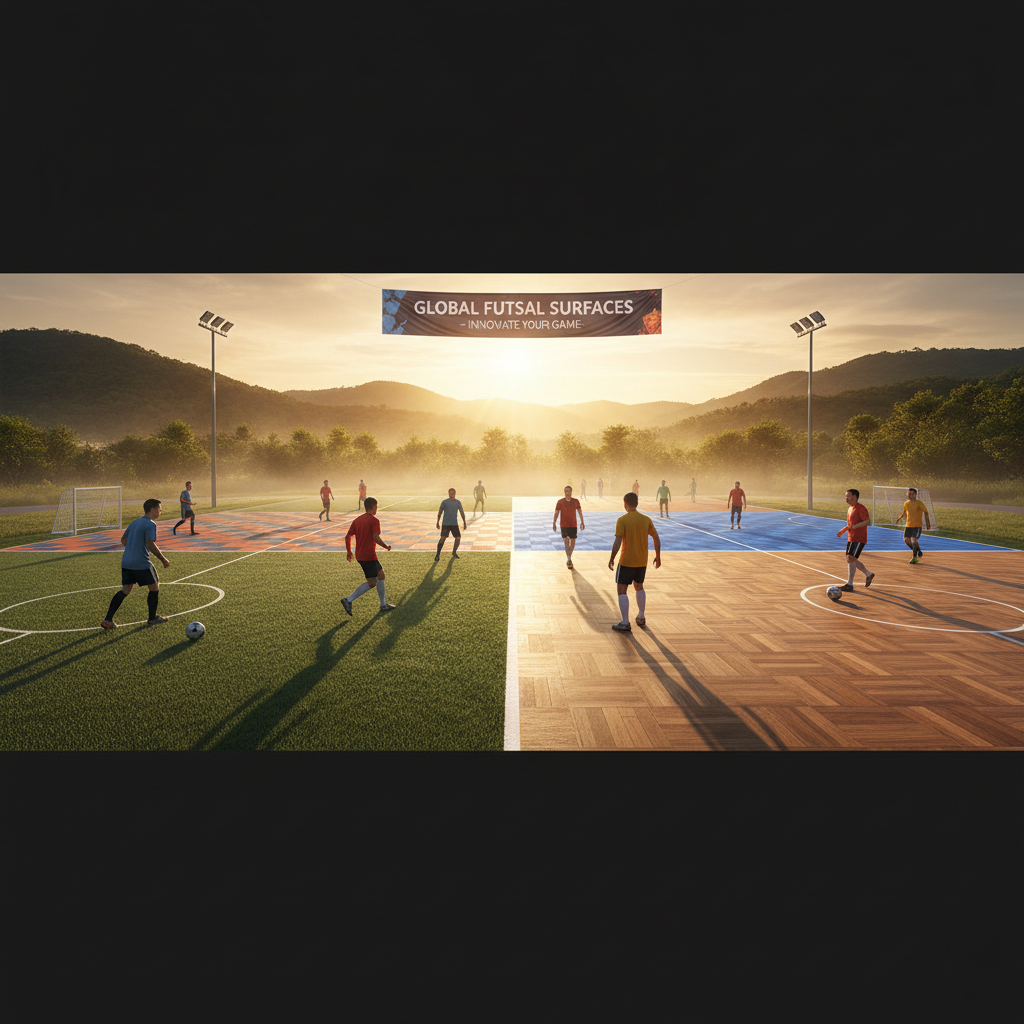
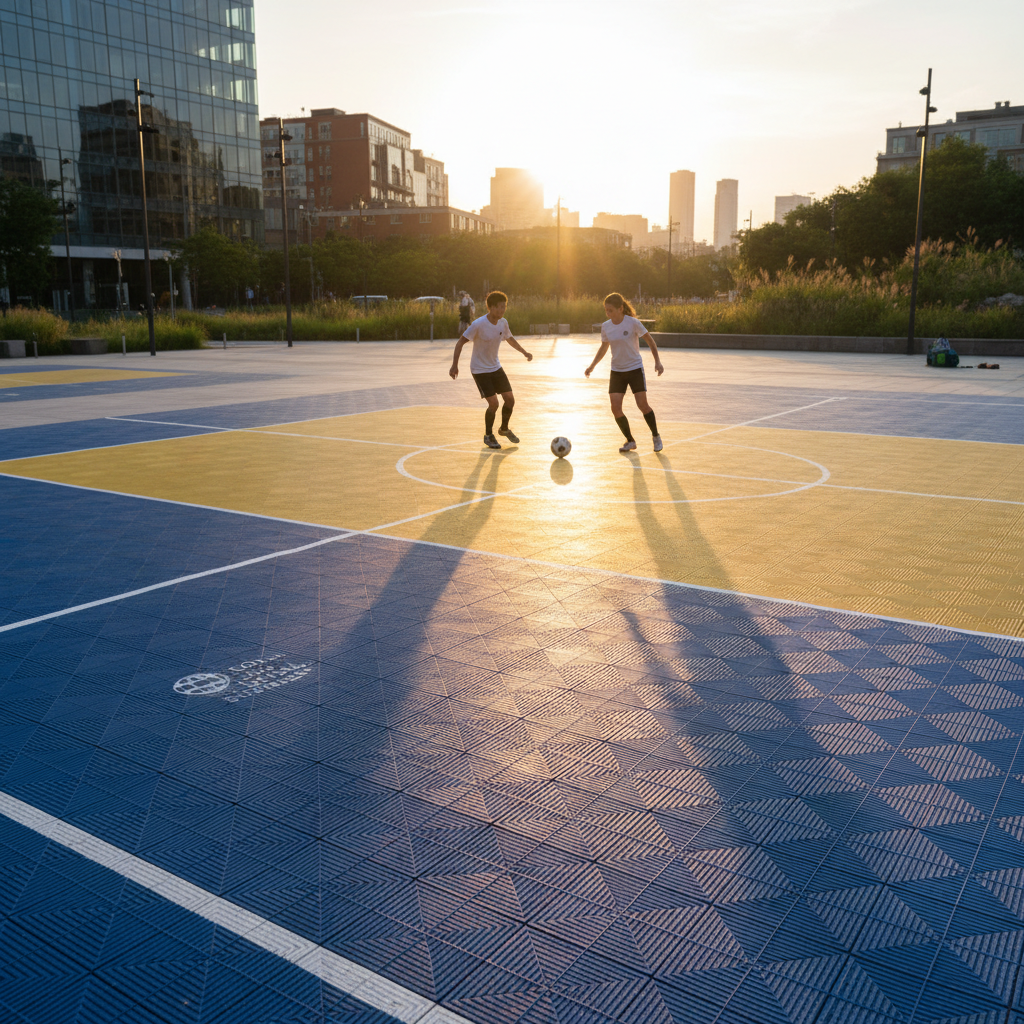
Futsal, a dynamic and rapidly growing sport, demands specialized court surfaces that can withstand intense play while prioritizing player safety and performance. Understanding the diverse types of futsal court flooring is crucial for facility owners, sporting organizations, and athletes alike. Choosing the right flooring impacts everything from game speed and ball control to injury prevention and long-term court maintenance. Globally, the demand for high-quality futsal facilities is surging, driven by the sport’s increasing popularity and accessibility.
The global futsal market is experiencing substantial growth, with projections indicating continued expansion in both developed and emerging economies. According to FIFA, futsal is played in over 100 countries, and its presence is particularly strong in South America, Europe, and Asia. This growth necessitates investments in infrastructure, including specialized flooring solutions. Selecting appropriate types of futsal court flooring addresses critical challenges, such as providing consistent playing surfaces, minimizing injuries, and accommodating varying budgetary constraints.
Effective futsal court flooring isn’t simply about aesthetics; it's about enabling the sport’s fast-paced, technical nature. Properly selected flooring enhances player agility, improves ball control, and contributes to a more enjoyable and competitive playing experience. This ultimately fuels participation and contributes to the sustained growth of futsal at all levels.
Introduction to Types of Futsal Court Flooring
Understanding the various types of futsal court flooring is fundamental to creating a high-quality playing environment. Futsal’s unique demands – rapid direction changes, close ball control, and frequent player contact – necessitate flooring solutions distinct from those used in basketball or tennis. Different materials offer varying levels of grip, shock absorption, and durability, influencing both player performance and safety.
Selecting the appropriate flooring involves considering factors such as budget, intended usage (professional, recreational, or school gyms), and maintenance requirements. While some options, like polyurethane, offer exceptional performance and longevity, they come with a higher initial cost. Others, such as vinyl, present a more affordable solution, but may require more frequent maintenance or replacement.
Key Characteristics of Futsal Flooring
Several key characteristics define effective types of futsal court flooring. First and foremost is grip – the surface must provide enough friction for players to make quick turns and maintain ball control without slipping. Equally important is shock absorption, which reduces the impact on joints and minimizes the risk of injuries. Durability is also paramount, as futsal courts experience high levels of wear and tear.
Another critical aspect is consistency. The playing surface should be uniform throughout, ensuring predictable ball bounce and consistent playing conditions. This is particularly important for competitive play where even slight variations can impact game outcomes. Finally, the flooring should be easy to clean and maintain, minimizing downtime and ensuring a hygienic playing environment.
Properly engineered futsal flooring also considers ball rebound characteristics. The flooring should allow for a predictable rebound, essential for accurate passing and shooting. A good balance of grip and rebound is critical for optimizing gameplay and enhancing player experience.
Common Types of Futsal Court Flooring
There are several common types of futsal court flooring available, each with its own advantages and disadvantages. Polyurethane flooring is a popular choice for high-performance courts, offering excellent grip, shock absorption, and durability. Vinyl flooring is a more affordable option, often used in recreational facilities, but typically requires more maintenance.
Maple wood, while traditional, is less common in modern futsal courts due to its higher cost, susceptibility to moisture damage, and relatively lower shock absorption. Synthetic rubber flooring is another option, providing good cushioning and traction, but may not be as durable as polyurethane. Each option requires careful consideration based on the specific needs and budget of the facility.
Recently, advancements in materials science have led to the development of hybrid flooring systems combining the benefits of multiple materials. These systems often feature a polyurethane topcoat over a rubber underlayment, offering a balance of performance, durability, and cost-effectiveness.
Performance Metrics of Different Flooring Types
Evaluating the performance of different types of futsal court flooring requires considering several key metrics. These include the coefficient of friction (COF), which measures the grip provided by the surface; the impact absorption rate, indicating the flooring's ability to reduce impact forces; and the ball rebound ratio, which assesses the consistency of ball bounce.
Durability is often assessed through abrasion resistance testing, measuring the flooring’s ability to withstand wear and tear. These metrics allow for a comparative analysis of different flooring options, helping facility owners make informed decisions based on their specific needs and priorities.
Comparison of Futsal Flooring Performance
Global Applications of Futsal Court Flooring
The application of different types of futsal court flooring varies significantly across the globe. In South America, particularly Brazil, polyurethane flooring is highly prevalent in professional futsal arenas, emphasizing high performance and durability. In Europe, a mix of polyurethane and vinyl flooring is common, reflecting diverse budgetary constraints and playing levels.
In North America, the growing popularity of futsal is driving demand for quality flooring solutions, with an increasing preference for polyurethane and hybrid systems. Across Asia, particularly in countries like Japan and Thailand, vinyl flooring remains a popular choice for recreational facilities due to its affordability.
Advantages and Long-Term Value
Investing in high-quality types of futsal court flooring offers numerous advantages and long-term value. Firstly, superior flooring reduces the risk of player injuries, enhancing player safety and minimizing liability concerns. Secondly, durable flooring requires less frequent maintenance and replacement, resulting in lower lifecycle costs.
Furthermore, a high-performance playing surface attracts more players and enhances the overall playing experience, fostering a thriving futsal community. From a sustainability perspective, durable flooring reduces waste and minimizes environmental impact. These factors combine to create a compelling return on investment for facility owners and sporting organizations.
The long-term value also extends to brand reputation. A facility equipped with quality flooring signals a commitment to player well-being and a dedication to providing a superior sporting experience.
Future Trends and Innovations in Futsal Flooring
The future of types of futsal court flooring is marked by ongoing innovation and a growing emphasis on sustainability. Researchers are exploring new materials, such as recycled rubber and bio-based polymers, to create more environmentally friendly flooring solutions. Smart flooring systems, incorporating sensors to track player movements and analyze performance data, are also emerging.
Advancements in surface coatings are enhancing durability and grip, further improving player safety and performance. The integration of digital technologies, such as augmented reality, is also being explored to create immersive and interactive futsal experiences.
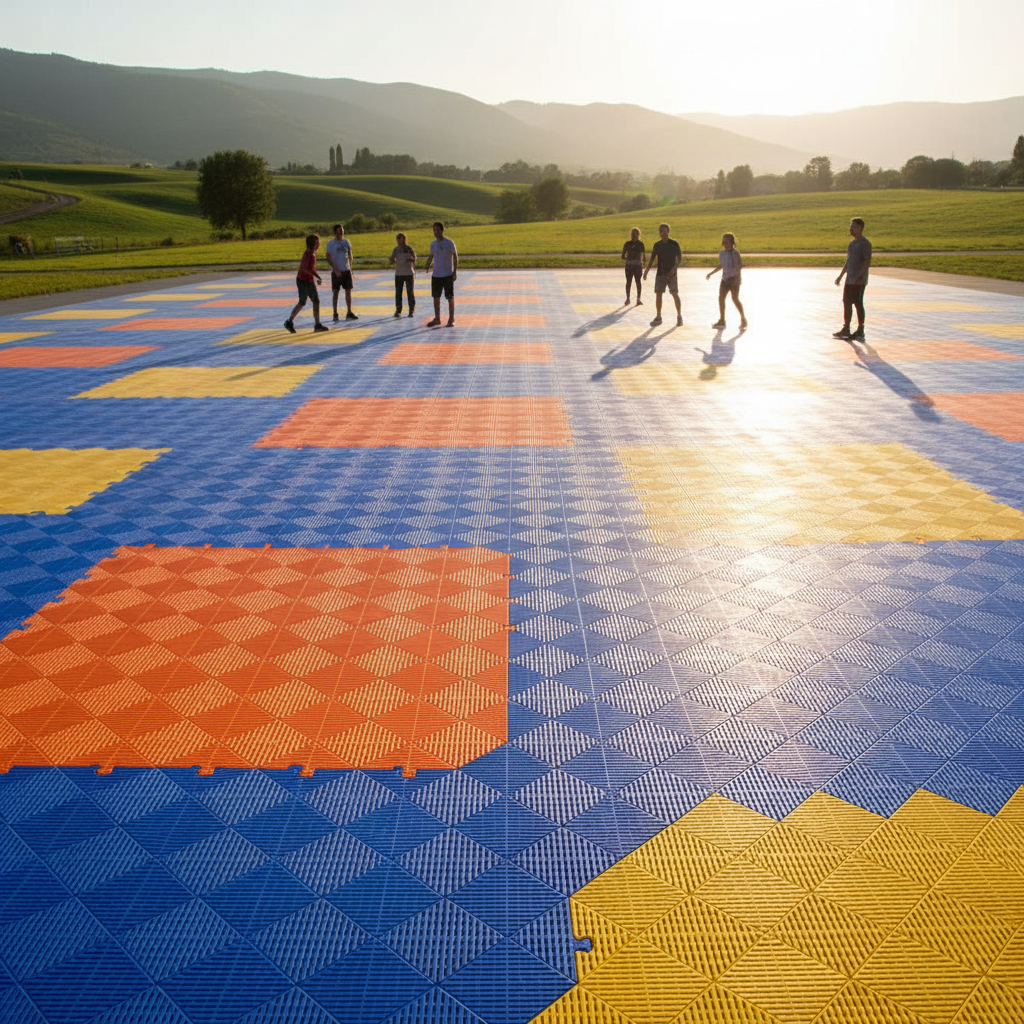
The trend towards modular flooring systems, allowing for easy installation and customization, is also gaining traction. These innovations promise to revolutionize the futsal playing experience, making it safer, more sustainable, and more engaging.
Summary of Key Flooring Characteristics
| Flooring Type |
Durability Score (1-10) |
Cost (Low, Medium, High) |
Maintenance Level (Easy, Moderate, Difficult) |
| Polyurethane |
9 |
High |
Moderate |
| Vinyl |
6 |
Low |
Easy |
| Maple Wood |
5 |
High |
Difficult |
| Rubber |
7 |
Medium |
Moderate |
| Hybrid Flooring |
8 |
Medium |
Moderate |
| Recycled Materials |
7 |
Low-Medium |
Easy |
FAQS
Polyurethane offers superior durability, shock absorption, and grip compared to vinyl. However, it’s also significantly more expensive. Vinyl is a more budget-friendly option, suitable for recreational facilities, but requires more frequent maintenance and doesn’t provide the same level of performance for high-intensity play. Choosing the right material depends on your budget, intended use, and long-term needs.
The cost of installing futsal court flooring varies widely based on the type of flooring, the size of the court, and labor costs. Vinyl flooring typically costs between $3-$6 per square foot, while polyurethane can range from $8-$15 or more. Installation costs can add another $2-$5 per square foot. A full cost assessment should include preparation, flooring material, installation, and any necessary finishing work.
Polyurethane flooring, with proper maintenance, can last 10-15 years or longer. Vinyl flooring typically has a lifespan of 5-10 years. Maple wood, if well-maintained, can also last for many years but is susceptible to moisture damage. Rubber flooring typically lasts 8-12 years, while hybrid flooring can achieve a lifespan of 10-15 years.
Maintenance requirements vary depending on the flooring type. Polyurethane requires regular cleaning with a neutral pH cleaner and occasional recoating. Vinyl needs frequent cleaning to prevent wear and tear. Maple wood requires sanding and refinishing. Rubber and hybrid systems generally require less maintenance, mainly consisting of regular sweeping and cleaning.
Yes, increasingly, eco-friendly options are becoming available. Recycled rubber flooring is a sustainable choice, reducing waste and minimizing environmental impact. Some manufacturers are also using bio-based polymers in their flooring formulations. Choosing sustainable materials can contribute to a greener and more responsible sporting facility.
The flooring significantly impacts player safety. Good shock absorption reduces the risk of joint injuries. Adequate grip prevents slips and falls. A consistent surface minimizes the risk of uneven bounces and unpredictable movements. Investing in quality flooring is crucial for protecting players and promoting a safe and enjoyable playing experience.
Conclusion
In conclusion, the selection of appropriate types of futsal court flooring is a critical decision with far-reaching implications for player safety, performance, and the overall success of futsal programs. From the durability and grip of polyurethane to the cost-effectiveness of vinyl, each option presents unique advantages and disadvantages. Understanding these nuances and carefully considering factors like budget, usage intensity, and maintenance requirements are paramount for creating a thriving futsal environment.
Looking ahead, continued innovation in materials science and sustainable practices will drive the development of even more advanced and eco-friendly flooring solutions. Prioritizing quality flooring is an investment in the future of futsal, fostering a safe, engaging, and high-performing sporting community. To explore the best flooring options for your specific needs, visit our website at www.langningsportsfloor.com.