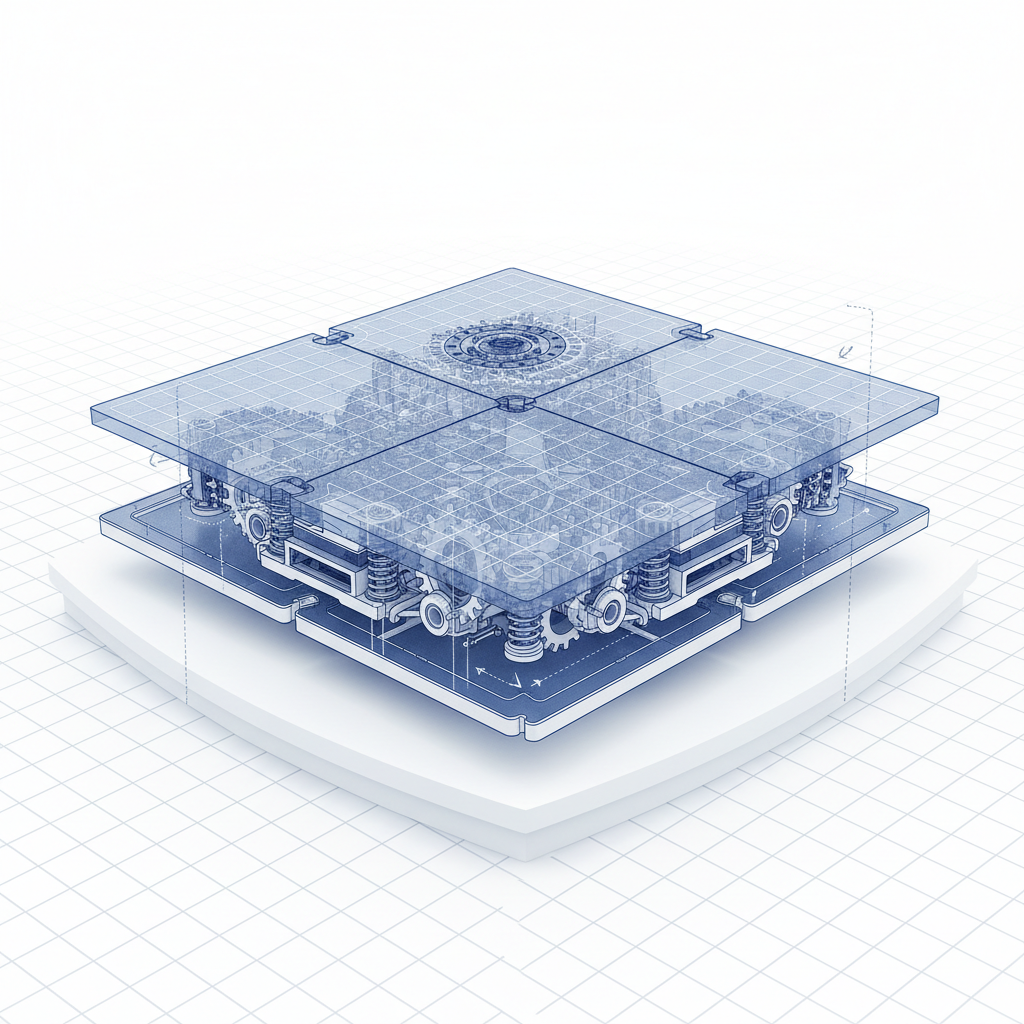
Look, I've been running around construction sites for over a decade, getting my hands dirty with materials and chatting with engineers. You know, the flooring game? It's changed a lot. Used to be, you just slapped down some vinyl and called it a day. Now? Everyone wants specialized sports flooring. Basketball courts, volleyball, gyms… each needs something different. And honestly, the demand is only going up, especially with more focus on fitness and competitive sports globally. It's not just about aesthetics anymore, it's about performance, safety, and – let’s be real – how well it holds up to a beating. I’ve seen floors buckle under the pressure, and believe me, nobody wants to deal with that headache.
It’s a surprisingly complex market. A lot of suppliers will tell you their flooring is the best, but figuring out what actually works in the real world? That's the tricky part. We're a sports flooring supplier, sure, but I’m telling you, finding a reliable partner is crucial, and it’s not just about price. You need someone who understands the nuances of each sport and the specific demands it places on the floor.
To be honest, there’s a lot of hype out there. People chasing the latest materials without fully understanding the basics. And that's where mistakes happen.
The Evolving Landscape of Sports Flooring
Have you noticed the surge in multi-sport facilities? Schools, community centers, even some private gyms want a floor that can handle everything from basketball to volleyball to badminton. This is driving demand for more versatile, durable, and shock-absorbing flooring solutions. It's not just about performance anymore; it’s about minimizing injuries and maximizing usability. And let me tell you, that puts a lot of pressure on us as a sports flooring supplier.
The global market for sports flooring is growing at a substantial rate – I saw some figures from a report last year that projected a CAGR of around 6-8% over the next five years. That's driven by increased participation in sports, growing disposable incomes, and a greater awareness of the importance of proper athletic surfaces. It's a big business, and it's getting bigger.
Common Design Pitfalls for Sports Flooring
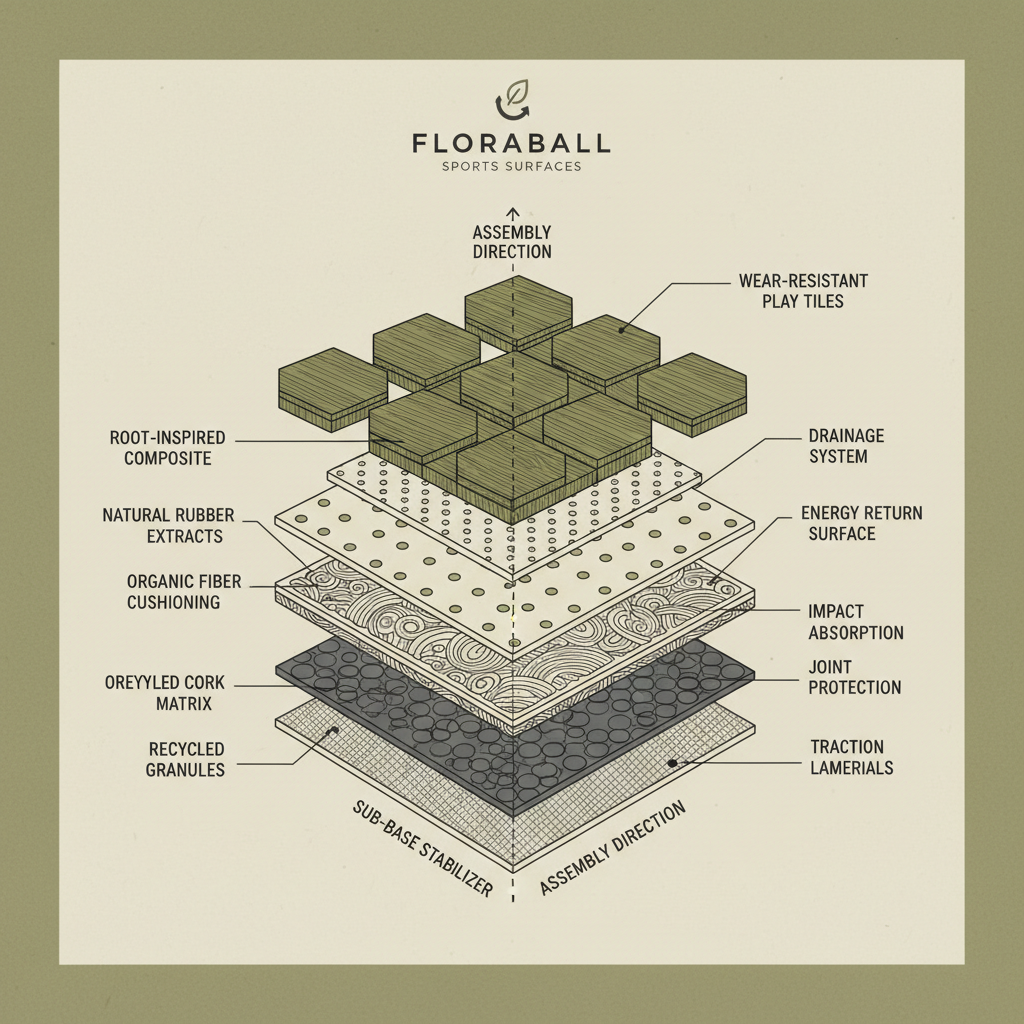
Strangely enough, a lot of people mess up the subfloor. They think they can just lay down the sports surface directly onto concrete, and it’ll be fine. Wrong! You need a properly prepared subfloor to provide cushioning, shock absorption, and to prevent the surface from cracking or warping. I encountered this at a factory in Foshan last time – the whole project was delayed by weeks because they skimped on the subfloor prep.
Another common mistake is choosing the wrong surface for the intended sport. Basketball requires a different level of friction and shock absorption than volleyball, for example. You need to consider the specific demands of each sport and choose a surface that provides the optimal balance of performance and safety. Don’t just pick something that looks good in a catalog!
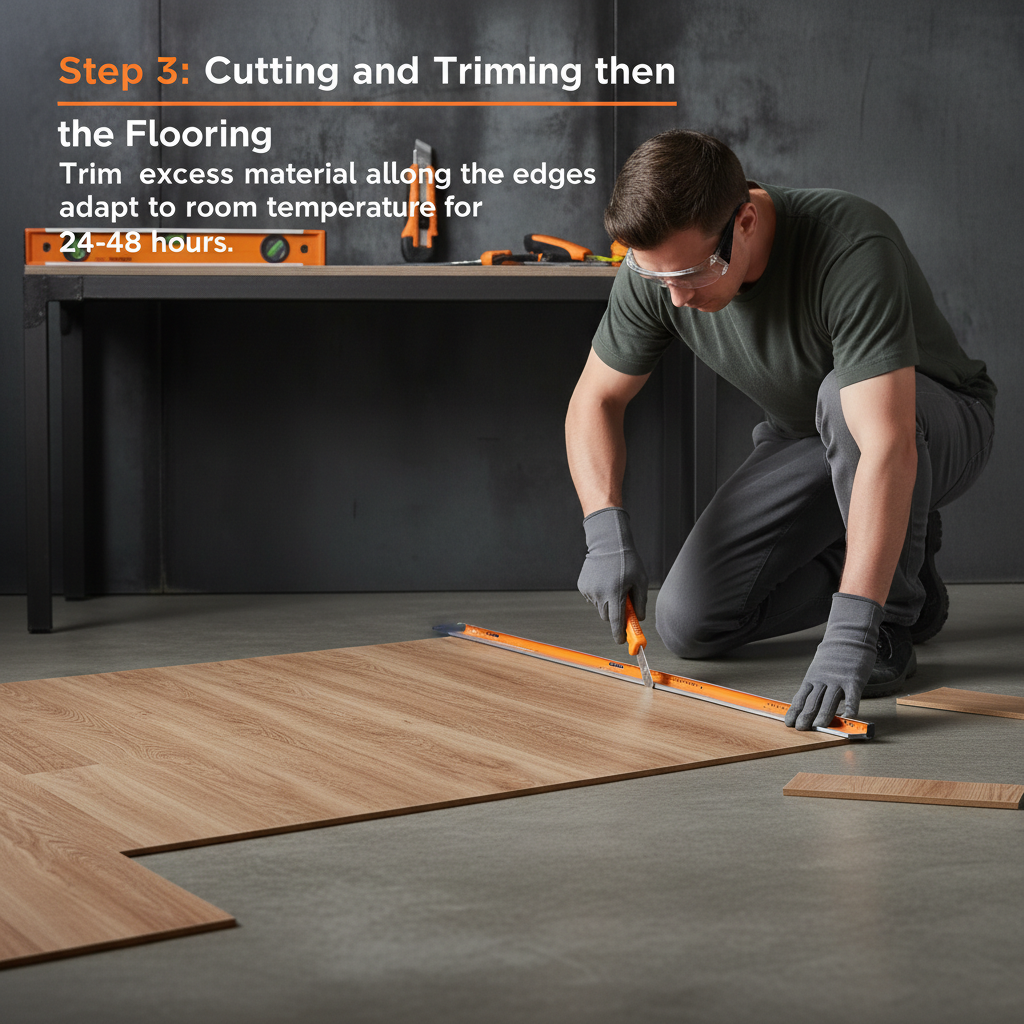
And finally, people often underestimate the importance of proper installation. Even the best flooring will perform poorly if it’s not installed correctly. You need experienced installers who understand the nuances of each system. That’s a big one.
Material Deep Dive: Beyond the Buzzwords
Okay, let's talk materials. You've got your polyurethane, your PVC, your rubber, your maple… Polyurethane is great for shock absorption and durability, but it can be expensive. PVC is more affordable, but it doesn’t offer the same level of performance. Rubber is tough and resilient, but it can have a strong odor. And maple? Classic, beautiful, but requires a lot of maintenance. Honestly, the best material depends on the specific application and budget.
I spend a lot of time sniffing materials, and let me tell you, some of the cheaper PVC options have a really nasty chemical smell. You wouldn’t want your athletes breathing that in all day. We always insist on low-VOC options, even if they cost a little more. And the feel… you can tell a quality polyurethane by how it gives under your feet. It's got a springiness that cheaper materials just don’t have. It's almost like testing dough – you just know when it's right.
We're seeing more interest in recycled materials, which is good. But you have to be careful. Some recycled rubber floors can be inconsistent in terms of thickness and density. It’s a balancing act between sustainability and performance.
Real-World Testing: Beyond the Lab
Lab tests are fine, but they don’t tell the whole story. I always push for on-site testing. We take samples to actual gyms and have athletes run, jump, and play on them. It’s the only way to truly assess performance. For example, we’ll measure ball rebound height, slip resistance, and shock absorption under real-game conditions. I once saw a floor fail a rebound test spectacularly – the ball barely bounced!
We also do wear tests. We'll drag heavy equipment across the surface, drop weights on it, and subject it to all sorts of abuse. We need to know how it's going to hold up over time. I’ve seen surfaces scratch and scuff after just a few days of use, and that’s a red flag.
Sports Flooring Performance Ratings
How Athletes Actually Use Sports Flooring
This is where things get interesting. Engineers design floors based on biomechanical data and sport-specific movements. But athletes… they do things you’d never expect. I’ve seen basketball players slide on their knees for a rebound, volleyball players dive repeatedly, and weightlifters drop plates with reckless abandon. You can't design for every single scenario, but you need to anticipate the unexpected.
We observe how athletes interact with the floor during training and competition. What areas get the most wear and tear? What types of movements cause the most stress? This feedback is invaluable for improving our designs and material selection.
The Pros, The Cons, and Customization Options
Look, every flooring system has its trade-offs. Polyurethane is durable and shock-absorbing, but it's expensive. PVC is affordable, but it's not as resilient. Rubber is tough, but it can smell. It's about finding the right balance for the specific application. Anyway, I think you get the idea.
We do a lot of customization. For example, a client in Shanghai recently wanted a basketball court with a custom logo embedded in the flooring. We used a different color polyurethane for the logo and applied a special coating to protect it from wear. It wasn't cheap, but the client was thrilled. That's the kind of service we provide – we're not just selling flooring, we're providing solutions.
A Customer Story: The Debacle
Last month, that small boss in Shenzhen who makes smart home devices insisted on changing the interface to , and the result was… chaos. He’d decided his new gym needed a custom-colored polyurethane floor and wanted to embed LED lights underneath. He wanted the floor to be controlled via a connection to his smart home system. Seemed reasonable, right? He even showed me a rendering on his phone.
Turns out, the LEDs generated way too much heat, and the polyurethane started to warp. The interface kept disconnecting, and the whole system crashed during a volleyball game. The guy was furious! We had to rip everything out and start over, using a different lighting system and a more robust control interface. It was a mess, but we got it fixed. It’s a good reminder that sometimes, the simplest solutions are the best.
He ended up going with a simple, durable floor with no fancy gadgets. He learned his lesson, and honestly, so did we.
Key Performance Indicators for Sports Flooring Systems
| Material Type |
Shock Absorption (Gmax) |
Slip Resistance (Coefficient of Friction) |
Expected Lifespan (Years) |
| Polyurethane |
20-30 |
0.8-1.0 |
15-20 |
| PVC |
15-25 |
0.6-0.8 |
10-15 |
| Rubber |
25-35 |
0.7-0.9 |
12-18 |
| Maple |
10-20 |
0.5-0.7 |
20+ (with maintenance) |
| Hybrid Systems (PU/Rubber) |
22-32 |
0.75-0.95 |
18-25 |
| Recycled Materials |
18-28 |
0.65-0.85 |
8-12 (variable) |
FAQS
Poured-in-place is seamless and offers excellent customization, but installation is more complex and time-consuming. Interlocking tiles are faster to install and easier to repair, but they can have seams that may affect performance. It really comes down to your budget, timeline, and the specific needs of the space. As a sports flooring supplier, we generally recommend poured-in-place for high-performance applications where a seamless surface is critical, and interlocking for more cost-effective or temporary solutions.
Massively important! The subfloor provides the shock absorption that helps reduce impact forces on joints and muscles. A poorly prepared or inadequate subfloor can significantly increase the risk of injuries. It’s not just about comfort; it’s about athlete safety. We always recommend a thorough subfloor assessment before installing any sports flooring system and ensuring it meets the required standards for the intended sport.
Regular cleaning is key. For most surfaces, a neutral pH cleaner and a microfiber mop are sufficient. Avoid abrasive cleaners and harsh chemicals, as these can damage the surface. For polyurethane floors, we recommend a yearly recoating to maintain their protective layer. Rubber floors may require occasional deep cleaning with a specialized rubber cleaner.
Installation time varies greatly depending on the type of flooring, the size of the area, and the complexity of the installation. Interlocking tiles can often be installed in a day or two, while poured-in-place systems can take several days or even weeks. Subfloor preparation can also add significant time to the project. We always provide a detailed installation schedule upfront.
We're seeing a lot of interest in multi-sport surfaces that can accommodate a variety of activities. Custom colors and logos are also popular, as are surfaces with enhanced shock absorption and energy return. Sustainability is another growing trend, with more and more clients requesting recycled or renewable materials. And, as I mentioned before, integrating smart technologies, like sensors for tracking player movement, is starting to gain traction.
Experience, reputation, and a commitment to quality are all important factors. Look for a supplier who understands the specific needs of your sport and can provide expert advice on material selection and installation. Don't be afraid to ask for references and visit some of their previous projects. A good sports flooring supplier should be a partner, not just a vendor.
Conclusion
So, there you have it. Sports flooring is a complex field with a lot of nuances. It’s not just about picking a pretty color or a cheap price. It’s about understanding the science behind the materials, the demands of the sport, and the needs of the athletes. A good floor can enhance performance, reduce injuries, and provide years of reliable service. A bad floor? Well, that's just a headache waiting to happen.
Ultimately, whether this thing works or not, the worker will know the moment he tightens the screw. That’s the truth of it. And if you’re looking for a reliable sports flooring supplier, well, you know where to find us.