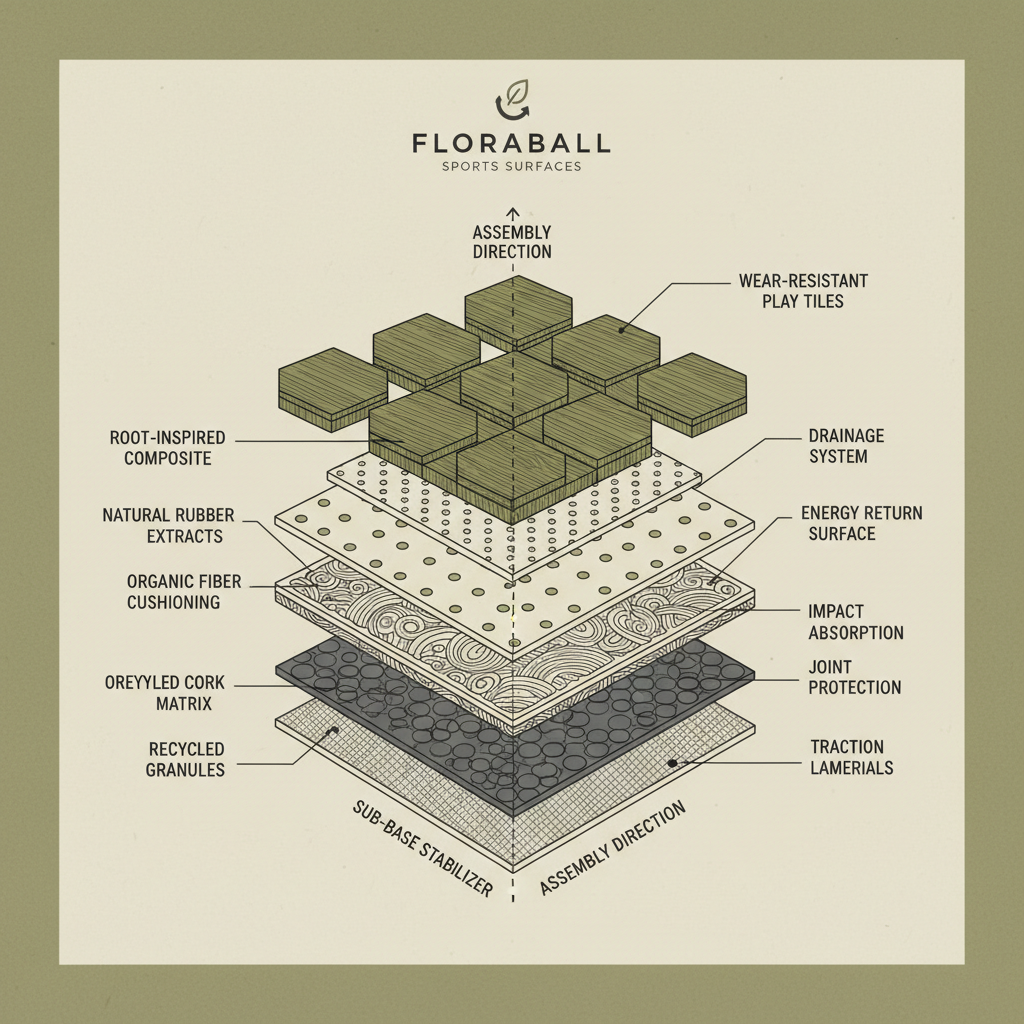
You know, these days everyone's talking about prefabricated sports flooring. It’s all the rage. To be honest, it’s a bit much. Everyone's jumping on the bandwagon, promising quick installation and perfect surfaces. But after spending nearly a decade crawling around construction sites, I've learned that “quick” and “perfect” rarely coexist. It’s not as simple as just snapping pieces together, believe me. The demand’s gone up dramatically, mostly driven by these huge sports complexes popping up everywhere – you see it especially in China and Southeast Asia, they're building arenas like there’s no tomorrow. Makes finding reliable sports flooring manufacturers a real headache.
What people don't realize is the devil is always in the details. I've seen so many designs that look fantastic on paper but fall apart in the real world. One common mistake? Undervaluing the subfloor preparation. Seriously, if your base isn't level and solid, all the fancy top layers in the world won't save you. You end up with squeaks, dips, and a surface that feels…wrong. And then the complaints start rolling in.
There's a real push now for more sustainable materials, too. Which is good, don't get me wrong, but "eco-friendly" doesn't automatically equal "durable". It's a balancing act. We're seeing more recycled rubber, cork, and even bamboo composites. The rubber, though... have you smelled some of that recycled stuff? It’s potent. Really potent. Anyway, I think finding that sweet spot between sustainability and performance is the biggest challenge right now.
The Current Landscape of Sports Flooring Manufacturers
I encountered this at a factory in Tianjin last time, they claimed their manufacturing capacity could meet any demand. It turned out they were mostly re-branding other manufacturers' products. It’s a crowded field, that’s for sure. You've got the massive Chinese manufacturers churning out volume, then a bunch of European companies focusing on high-end, specialized surfaces, and a smattering of North American firms trying to bridge the gap. Strangely, the quality control varies wildly. Some companies are obsessive about testing, others... not so much. Finding reputable sports flooring manufacturers requires serious due diligence.
The entire supply chain is feeling the pinch from rising raw material costs, particularly with polymers and rubber. It's making everyone nervous about pricing, and you’re seeing a lot of companies cutting corners where they shouldn't.
Common Design Pitfalls in Sports Flooring
One thing I've noticed is that architects, bless their hearts, often prioritize aesthetics over practicality. They'll specify a surface that looks amazing in a rendering but doesn't hold up to actual use. Like, a polished concrete floor in a basketball court? Seriously? The wear and tear will be catastrophic. You need a surface with the right coefficient of friction, appropriate cushioning, and resistance to abrasion. It’s basic stuff, but it gets overlooked surprisingly often. And the transitions between different flooring types? Huge tripping hazard if not done right.
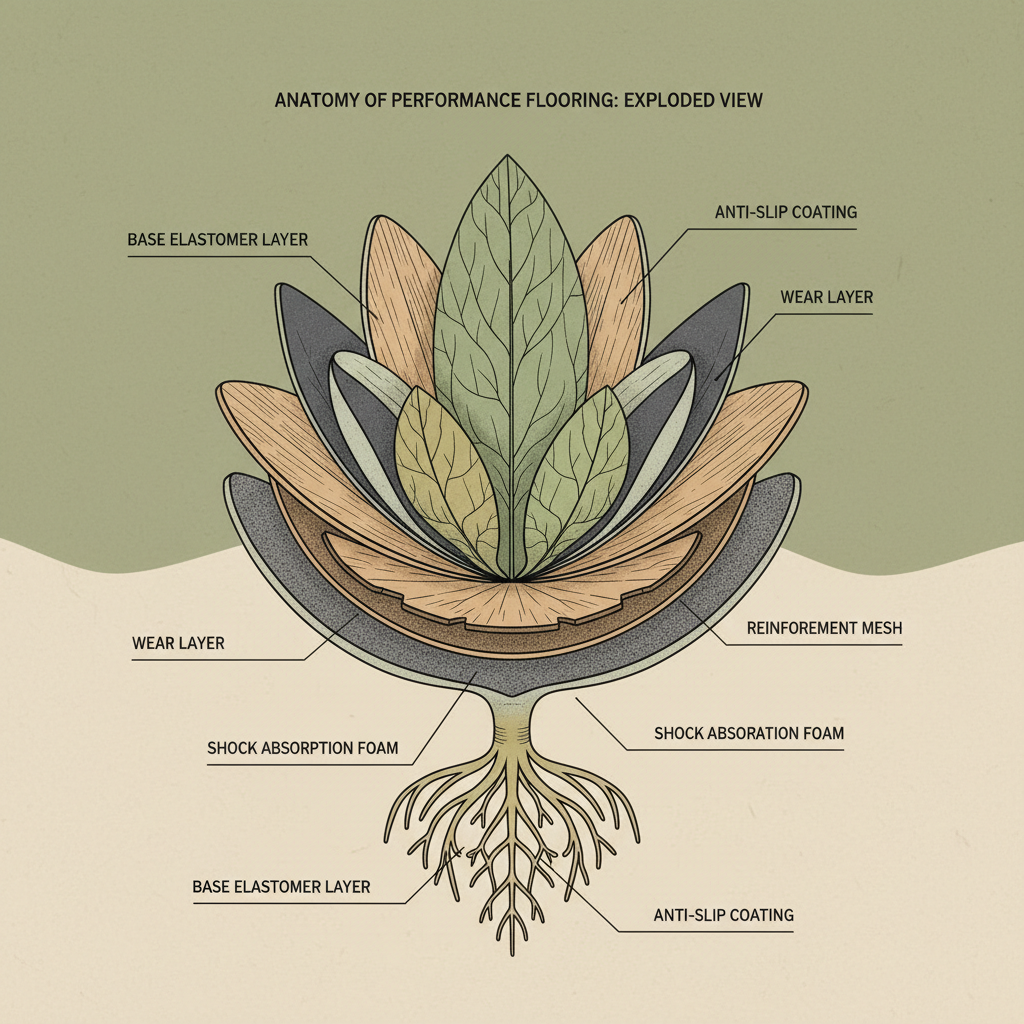
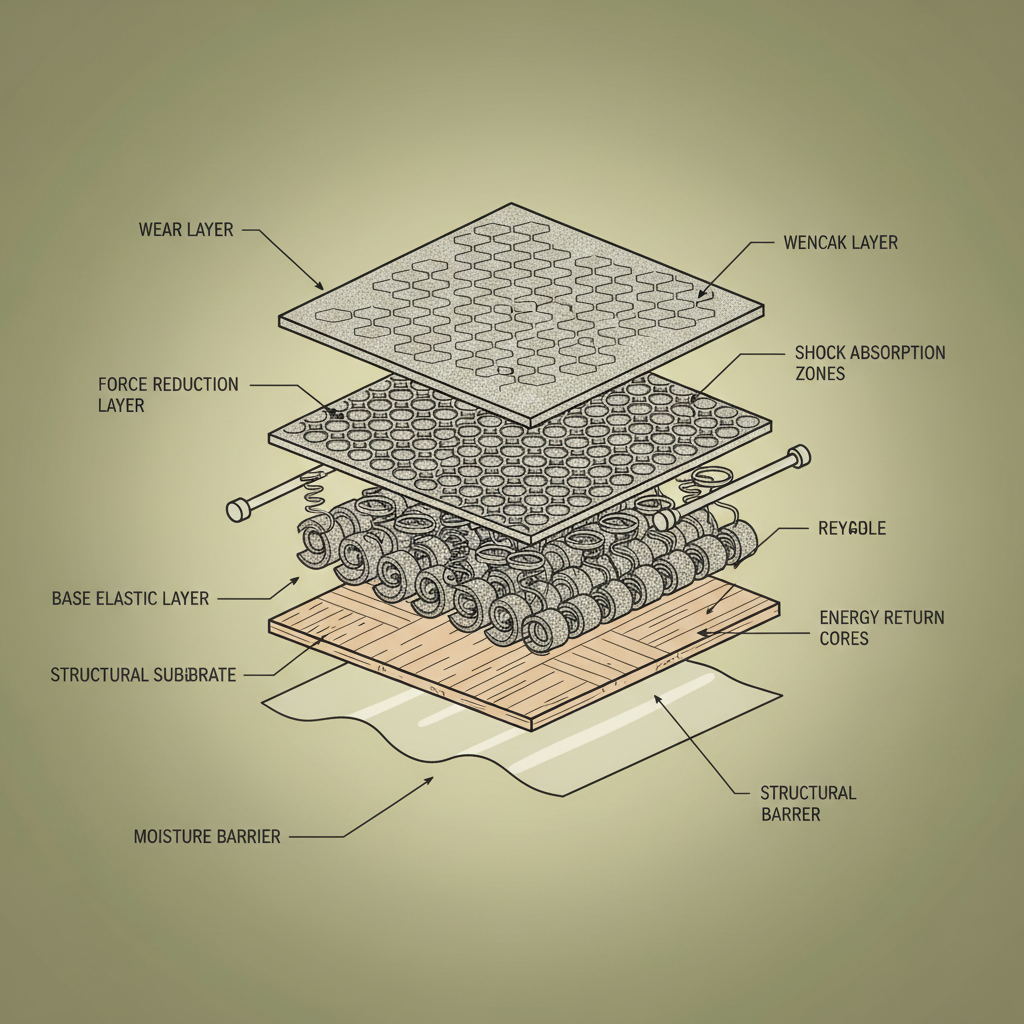
Another issue is inadequate drainage. If moisture gets trapped underneath the flooring, you're asking for trouble – mold, mildew, and a surface that degrades rapidly. Proper vapor barriers and subfloor ventilation are crucial.
And let’s not even talk about the installation crews who think they know better than the manufacturer’s instructions. I've seen things... things you wouldn't believe.
Materials: A Hands-On Perspective
Polyurethane is the workhorse of the industry. It’s durable, versatile, and relatively easy to work with. But the quality varies hugely depending on the formulation. Cheap polyurethane feels…plasticky. Good stuff has a nice spring to it, a bit of give. You can tell the difference. And the smell! That initial off-gassing can be brutal. Proper ventilation is a must.
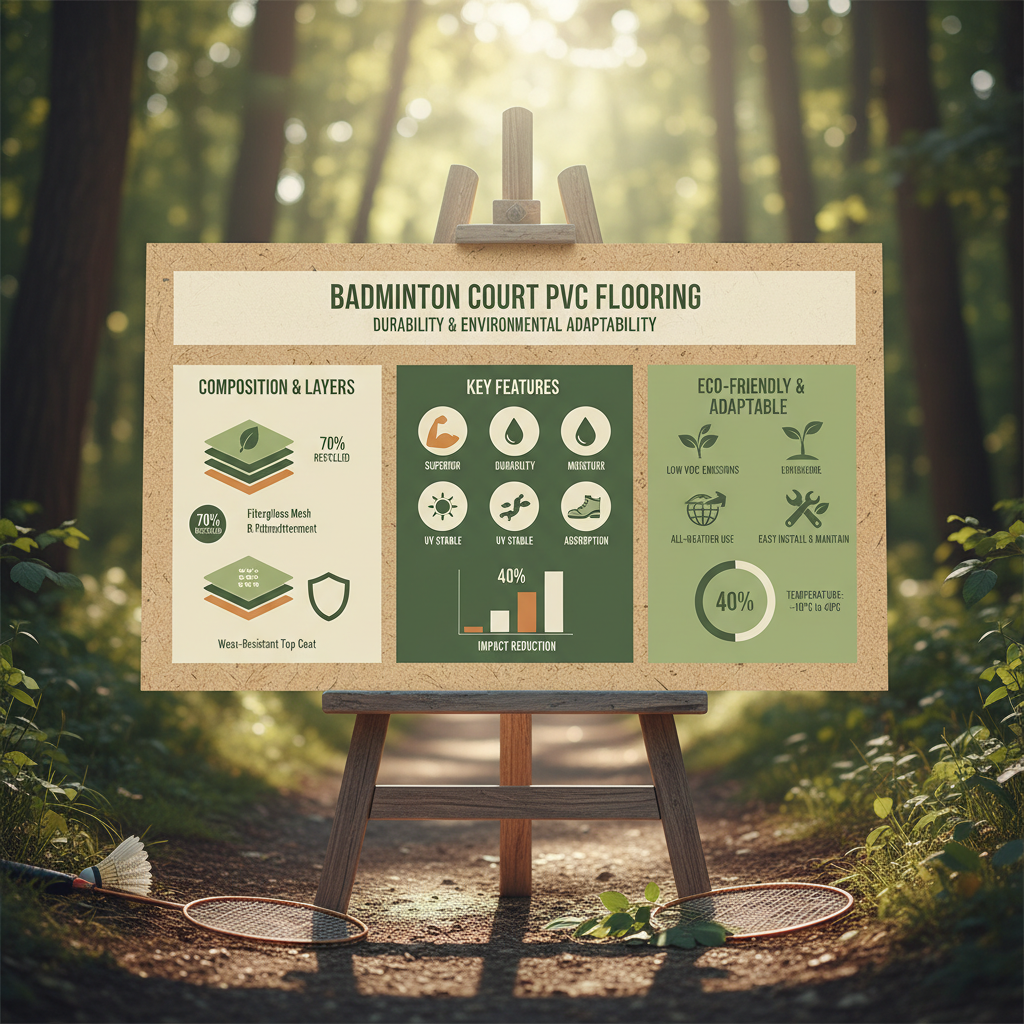
Then you have PVC, which is cheaper but less forgiving. It's good for lower-impact applications, but it can crack and become brittle over time. I remember one project where they tried to save money by using a low-grade PVC – the entire floor had to be replaced within a year. A classic case of penny-wise, pound-foolish.
Maple is still the gold standard for basketball courts. Nothing beats the feel of real wood. But it requires a lot of maintenance – sanding, refinishing, sealing. And it's expensive, obviously. It's also surprisingly sensitive to humidity changes. You have to be meticulous about climate control.
Real-World Testing and Performance
Forget the lab tests. Those are useful for basic quality control, but they don’t tell you how a floor will actually perform. The real test is putting it through the wringer on a construction site. We drop weights on it, drag equipment across it, spill paint thinner on it (don't tell anyone I said that), and generally try to abuse it as much as possible.
We also pay close attention to how the flooring holds up to cleaning. Can it withstand aggressive cleaning agents? Will it scratch easily? These are the things that matter to the end-users.
Sports Flooring Manufacturers Performance Ratings
User Behavior and Practical Applications
Here's the thing: people don't use these surfaces the way you think they will. A volleyball court? They'll drag chairs across it, spill drinks, and generally treat it like a multi-purpose event space. A basketball court? Expect scuff marks from shoes and the occasional dropped weight. You have to design for the inevitable abuse.
I’ve seen schools using badminton courts as makeshift classrooms during peak hours. You just have to accept that the intended purpose won't always be the primary purpose.
Advantages, Disadvantages and Customization Options
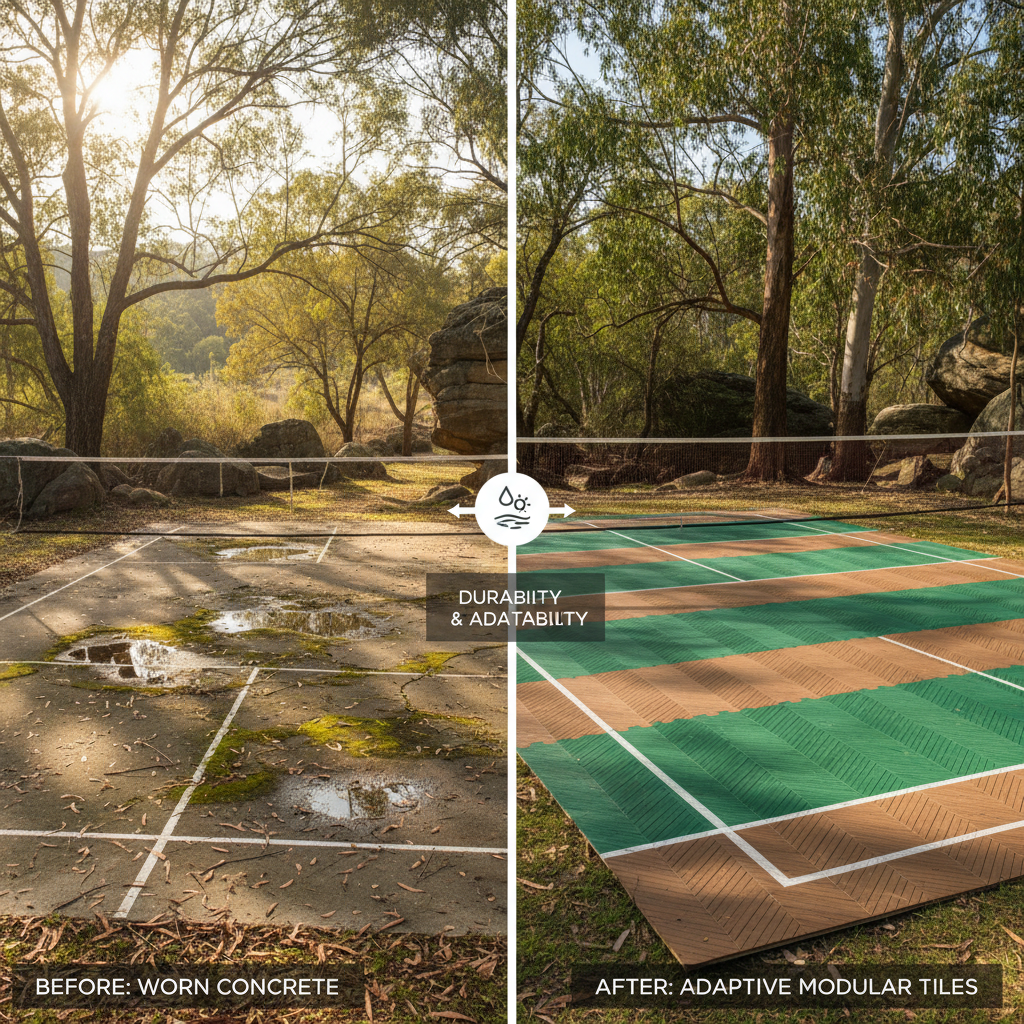
Prefabricated flooring, when done right, is a huge time-saver. It reduces installation costs, minimizes disruption, and provides a consistent, high-quality surface. The downside? It can be expensive upfront, and you’re limited by the available sizes and designs. But customization is becoming more common. Last year, a client wanted a custom color match for their university’s logo. It was a pain to coordinate, but we got it done. The sports flooring manufacturers we worked with were surprisingly accommodating.
But honestly, don't go changing things just for the sake of it. Sometimes the standard options are the best options.
A Case Study: The Interface Debacle
Last month, that small boss in Shenzhen who makes smart home devices insisted on changing the interface to , even though the existing USB-A connectors worked perfectly fine. He wanted to be "cutting edge." The result? The new flooring panels wouldn’t seat correctly, creating unevenness and potential trip hazards. The whole project was delayed by two weeks while we scrambled to find a workaround. It was a mess. A complete, avoidable mess.
He learned a valuable lesson that day: sometimes, sticking with what works is the smartest move.
Core Factors Influencing Sports Flooring Manufacturer Selection
| Manufacturer Reputation |
Material Quality |
Lead Time & Logistics |
Post-Sales Support |
| Established track record, positive reviews from other contractors. |
Independent lab testing results, verifiable certifications. |
Realistic delivery schedules, efficient shipping options. |
Responsive customer service, readily available technical assistance. |
| Strong brand recognition within the sports facility industry. |
Use of virgin materials, consistent quality control processes. |
Ability to handle large-scale orders, minimize delays. |
Warranty coverage, willingness to address issues promptly. |
| Years of experience in the sports flooring market. |
Resistance to wear and tear, UV stability. |
Clear communication throughout the ordering process. |
Training programs for installers, on-site support if needed. |
| Partnerships with major sports organizations. |
Compliance with relevant safety standards. |
Flexible payment terms, competitive pricing. |
Access to replacement parts, maintenance guidelines. |
| Positive feedback from previous clients. |
Low VOC emissions, environmentally friendly. |
Efficient inventory management, minimizing stockouts. |
Ability to provide custom solutions for unique project requirements. |
| Commitment to innovation and continuous improvement. |
Proven durability in high-traffic areas. |
Reliable transportation network, on-time deliveries. |
Long-term relationships with customers, building trust. |
FAQS
Honestly? Underestimating the importance of the subfloor. You can have the fanciest surface in the world, but if your base is uneven or unstable, you’re going to have problems. It needs to be perfectly level and properly prepared – that’s non-negotiable. I’ve seen entire projects delayed because of this. Think of it like building a house – you need a solid foundation before you can start adding the nice stuff.
That depends on a lot of factors – the type of sport, the amount of use, the maintenance schedule. But a well-maintained polyurethane or maple floor should easily last 10-15 years, maybe even longer. PVC will likely have a shorter lifespan, maybe 5-8 years. The key is regular cleaning and recoating to protect the surface from wear and tear. Neglect it, and you'll be looking at replacement much sooner.
It’s…complicated. Recycled rubber is a more sustainable option, which is great. But the quality can vary significantly depending on the source of the rubber. Some recycled products are just as durable as virgin rubber, but others are noticeably softer and less resilient. You need to do your research and choose a reputable manufacturer that uses a consistent recycling process.
Moisture is the enemy of flooring. If there's too much moisture trapped underneath the surface, it can lead to mold, mildew, and structural damage. Moisture testing determines the moisture content of the subfloor and helps you decide whether you need to install a vapor barrier. It’s a small investment that can save you a huge headache down the road.
Look for certifications like ISO 9001 for quality management, ISO 14001 for environmental management, and any specific certifications related to sports surface standards (like ITF for tennis courts). These certifications demonstrate that the manufacturer has a robust quality control system and is committed to environmental responsibility. They’re not a guarantee of quality, but they’re a good starting point.
Absolutely! Most manufacturers offer customization options, including color matching, logo integration, and even custom patterns. It’s usually a bit more expensive and takes longer, but it’s a great way to create a unique and branded sports facility. Just be prepared to provide high-resolution artwork and allow for some color variations.
Conclusion
So, there you have it. Sports flooring isn't just about slapping down a pretty surface. It's about understanding the materials, the installation process, the user behavior, and the long-term maintenance requirements. It's about finding the right balance between cost, performance, and sustainability. The industry is constantly evolving, but the fundamentals remain the same. Sports flooring manufacturers play a critical role in all of this, and choosing the right partner is essential for success.
Ultimately, whether this thing works or not, the worker will know the moment he tightens the screw. You can have all the fancy reports and certifications in the world, but if it doesn’t feel right on the ground, it’s not going to work. And that’s the truth, plain and simple.