


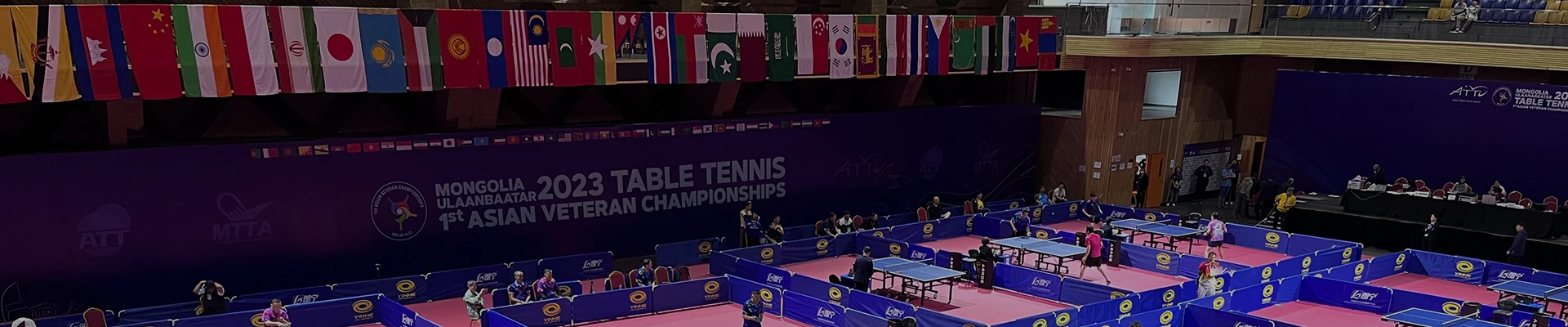
Essential Guide to Table Tennis Floor Mat: Performance, Safety & Sustainability
Why Table Tennis Floor Mats Matter More Than You Think
At first glance, a table tennis floor mat might seem like a small, even trivial detail for the average player. But globally, these mats play a key role in transforming the sport from casual fun to professional competition. Not only do they improve player safety and enhance gameplay, they also influence how indoor sports facilities are designed and utilized. Understanding the nuances and benefits of these mats opens doors to better performance, injury prevention, and even sustainable facility management.
Globally, table tennis is among the top indoor sports with an estimated 300 million players worldwide. According to International Table Tennis Federation (ITTF) reports, tournaments and training centers now prioritize floor surfaces to meet standardized performance and safety criteria. This raises an interesting challenge: how do we create optimal playing conditions that are accessible, safe, and sustainable? Enter the humble table tennis floor mat.
Setting the Scene: The Global Importance of Table Tennis Floor Mats
While sports flooring might sound niche, its impact echoes far beyond recreational halls. The World Health Organization highlights that sports injuries rank high among young active populations, many caused by improper flooring. Table tennis, in particular, with its rapid footwork and explosiveness, demands a floor mat that supports agility yet cushions joints.
Yet, as global demand spikes, especially across Asia, Europe, and the Americas, challenges like cost, durability, and environmental footprint come into sharp focus. Less developed regions often lag in upgrades, missing out on performance enhancers and injury reduction measures. This gap fosters a need for affordable, standardized solutions internationally — making the choice of the right floor mat a strategic global issue.
Mini Takeaway:
- Table tennis floor mats have a worldwide role in player safety and performance.
- Industry standards and injury prevention spur global demand for quality mats.
- Bridging accessibility gaps remains a core challenge.
What Exactly Is a Table Tennis Floor Mat?
In plain terms, a table tennis floor mat is a specialized flooring layer designed specifically to enhance table tennis play. Typically made from materials like PVC or rubber composites, these mats reduce impact, provide grip, and create consistent bounce conditions for players.
But it’s not just about a soft surface. The mat contributes to compliance with ITTF regulations, ensuring that competitive environments qualify for official play. Beyond industry, in community centers or schools, they maintain safety levels that prevent slips and fatigue during fast-paced movement.
Mini Takeaway:
- Table tennis floor mats combine durability, grip, and cushioning.
- They meet industry standards for formal sports competitions.
- They have broader applications in community wellness and safety.
Key Qualities That Make a Table Tennis Floor Mat Stand Out
Durability
Durability is paramount. These mats must withstand thousands of steps, scuffs from shoe soles, and occasional impacts from dropped paddles or balls. Most mats use wear-resistant surfaces that last several years under intensive use, a must-have for venues hosting regular tournaments.
Traction and Anti-Slip Properties
You’d be surprised how much proper traction affects gameplay. Slippery floors cause injuries and disrupt fast footwork that's key in table tennis. Quality mats incorporate textured, non-slip surfaces ensuring players can pivot, lunge, or sprint without slipping.
Shock Absorption & Joint Protection
Cushioning reduces strain on ankles, knees, and hips. Since matches may go on for hours and trainings last even longer, shock-absorbing mats help prevent fatigue and longer-term injuries, especially in younger or amateur players.
Installation & Portability
Flexibility matters, especially for multi-use halls. Many floor mats come in modular tiles or rolls that can be laid down and removed quickly, making setup and storage easier for clubs renting spaces or hosting events.
Eco-Friendliness
Increasingly, manufacturers emphasize recyclable or low-VOC materials to reduce environmental footprint. Given the growing awareness of sustainable sports infrastructure, this factor is important for future investments.
Mini Takeaway:
- Durability and safety are non-negotiable.
- Good traction and shock absorption promote top-level performance.
- Installation ease and eco-consciousness are growing expectations.
How Table Tennis Floor Mats Are Used Around the World
From professional arenas in China and Germany to school gyms across the US, table tennis floor mats are everywhere. The International Table Tennis Federation’s standards guide top-tier events, many of which specify mats for official matches. Asian countries investing heavily in table tennis infrastructure see these mats as critical for athlete development.
In community centers in Scandinavia and Canada, portable mats turn multipurpose halls into temporary table tennis venues for tournaments and recreational play. Meanwhile, emerging sports hubs in South America and Africa are adopting mats to boost participation and improve safety in newly built indoor courts.
Organizations like the United Nations Office on Sport for Development and Peace highlight the role such sports infrastructure plays in social cohesion and youth engagement — underscoring that a floor mat is more than flooring; it’s an enabler of positive social outcomes.
Mini Takeaway:
- Mats are standard in official tournaments and grassroots sports alike.
- Their use spans from elite athletes to community youth programs.
- They support social development goals through safe sports environments.
Advantages and Long-Term Value of Investing in Quality Floor Mats
Buying a quality table tennis floor mat isn’t just about the immediate playing experience — it’s a long-term investment in the health and success of the players, and by extension, the sport itself.
- Cost Savings: Durable mats lower frequent replacement costs and reduce injury-related downtime.
- Sustainability: Eco-friendly materials help venues reduce carbon footprint and comply with evolving green building certifications.
- Safety & Player Confidence: Knowing the surface offers strong grip and cushioning enhances players’ mental focus and reduces fear of injury.
- Flexibility: Portable mats let clubs host more events or convert spaces quickly, maximizing revenue potential.
Plus, it feels good walking on a floor that supports you rather than fighting you. Players often remark on how a new mat can “change the game” — literally.
Product Specification: Popular Table Tennis Floor Mat Model
| Feature | Specifications |
|---|---|
| Material | High-grade PVC with rubber backing |
| Thickness | 4.5 mm |
| Weight | ~2.8 kg per square meter |
| Traction rating | ISO 13287 compliant (Slip Resistance) |
| Installation | Interlocking tiles or rolls |
| Lifespan | 5–7 years under competitive use |
| Certification | ITTF approved surface |
Top Vendors Compared: Table Tennis Floor Mats
| Vendor | Material Quality | Price Range (per m²) | Eco-friendly Options | Installation Type |
|---|---|---|---|---|
| ProSport Mats | Premium PVC & Rubber | $45 - $60 | Yes | Rolls & Tiles |
| SportyPlay | Standard PVC | $30 - $45 | Limited | Interlocking Tiles |
| GreenMat Sports | Recycled Rubber | $50 - $70 | Yes, 100% | Modular Tiles |
Looking Ahead: Innovations Shaping the Future of Table Tennis Mats
Manufacturers are increasingly merging technology and sustainability. New hybrid composites now integrate recycled materials with enhanced shock absorption. Smart mats embedded with sensors that track footwork and player fatigue are emerging prototypes, hinting at a future where floor mats are integral to training analytics.
Eco-conscious designs are responding to growing global standards, using biodegradable components and non-toxic coatings. Oddly enough, digital innovations often least considered in sportswear are now influencing flooring technologies—such as anti-microbial surfaces to reduce hygiene concerns in community centers.
Common Challenges and How Experts are Tackling Them
Despite advances, issues persist: cost vs. accessibility remains a major hurdle—premium mats can be expensive for amateur clubs. Some mats lose grip over time or curl up at edges, creating safety hazards. Another challenge is the trade-off between softness for shock absorption and firmness for consistent ball bounce.
Innovative approaches include hybrid mat layering, use of new polymer blends, and modular designs for easy replacement of worn sections. Additionally, organizations push for bulk procurements and subsidies to make mats affordable for schools and non-profits.
Frequently Asked Questions About Table Tennis Floor Mats
- Q1: What makes a good table tennis floor mat better than an ordinary gym floor?
- A quality floor mat offers enhanced grip, shock absorption, and compliance with ITTF standards, leading to safer play and better performance compared to generic gym flooring, which might be too hard or slippery.
- Q2: Can I install table tennis floor mats myself, or do I need professionals?
- Most mats, especially modular tiles or roll-out types, are designed for easy installation by users without special tools, though professional help can ensure perfect leveling and safety.
- Q3: How long do these floor mats typically last under regular use?
- Usually between 5 to 7 years for quality mats in high-use environments. Longevity depends on maintenance, usage intensity, and storage conditions.
- Q4: Are there eco-friendly table tennis mats, and are they more expensive?
- Yes, mats made from recycled or low-VOC materials are increasingly available. They sometimes carry a price premium but offer benefits of sustainability and sometimes better durability.
- Q5: Where can I buy official ITTF-approved table tennis floor mats?
- Authorized sports equipment vendors and specialized table tennis floor mat suppliers usually carry ITTF-approved options, both online and through distributors.
Wrapping Up: The Long Game with Table Tennis Floor Mats
In the grand scheme, the table tennis floor mat isn't some mere accessory — it’s the sturdy foundation beneath every serve, volley, and decisive rally. Investing in quality mats benefits player health, enhances competitive fairness, and promotes sustainability in sport facilities worldwide.
If you’re setting up a new club or upgrading a community center, it’s worth exploring options seriously. I recommend browsing detailed options like those found on table tennis floor mat specialty sites where you can compare specs and pricing firsthand.
Here’s to safer steps and smoother smashes!
References:
-
Premium Outdoor Dance Floor for Sale Professional Event SurfacesNewsApr.16,2026
-
Premium Professional White Dance Floor for Sale and Buying GuideNewsApr.09,2026
-
Find Your Perfect Portable Dance Floor for Sale and Create Unforgettable EventsNewsApr.07,2026
-
Find High Quality Dance Flooring for Sale and Expert GuidanceNewsApr.04,2026
-
Comprehensive Guide to Durable Commercial Vinyl Solutions for BusinessesNewsMar.31,2026
-
Comprehensive Commercial Flooring Management for Business LongevityNewsMar.28,2026
-
Comprehensive Guide to Selecting the Right Commercial Flooring MaterialsNewsMar.26,2026