


Discover the Benefits of High-Quality Ping Pong Floor Mats | Langning Sports
What Is a Ping Pong Floor Mat and Why Does It Matter?
If you're new to the world of indoor sports flooring, a ping pong floor mat might sound like just another accessory for casual players. But, frankly, it’s a bit more than that — it's a small but critical piece of equipment influencing everything from player safety and performance to venue longevity and environmental impact. Globally, table tennis is one of the fastest-growing recreational sports, with an estimated 300 million active players around the world. Having the right surface underneath can mean the difference between a joyful game and injury, or between a high-quality event and constant maintenance headaches.
So, this article dives into what exactly a ping pong floor mat is, where and why it’s important, and what to look for when choosing one. Spoiler: It’s not just about keeping your feet from slipping — it’s a whole world of design, material science, and practical benefits all rolled into some clever layers of rubber, foam, and vinyl.
The Global Landscape: Why Ping Pong Floor Mats Are More Than Just Flooring
First off, ping pong isn’t just an indoor hobby confined to basements or school gyms. The International Table Tennis Federation reports a quarter of a billion active members worldwide, many of whom compete in clubs, tournaments, and even Olympic venues that follow strict safety and performance guidelines. The (ITTF) requires flooring that’s shock-absorbent yet firm, to reduce player fatigue and joint stress.
But here’s a twist: as table tennis explodes in popularity across Asia, Europe, and growing parts of Africa, many venues struggle with aging or unsuitable floors that cause slips, injuries, or expensive wear and tear. According to a 2021 report by the Sports and Fitness Industry Association, 45% of indoor sports injuries relate to inadequate flooring conditions. Ping pong floor mats address this directly, offering a ready-made solution to boost safety and sustainability worldwide.
Defining the Ping Pong Floor Mat
So, what makes a ping pong floor mat unique? It’s essentially a specialized mat engineered to be laid under ping pong tables. Unlike regular floorings, these mats combine cushioned support with optimal traction, giving players the grip they need to move swiftly without slipping. They commonly feature multi-layer construction — a soft, shock-absorbent base, a firm intermediate core, topped with a grippy, durable surface layer.
Interestingly, these mats are also used outside high-performance settings: schools, community centers, and even at-home enthusiasts find value in them. As light, portable, and sometimes customizable flooring solutions, ping pong floor mats feel like a small innovation but pack considerable punch for safety and comfort alike.
Key Factors That Make a Ping Pong Floor Mat Stand Out
1. Durability
These mats take a beating — feet shuffling, balls bouncing, chairs sliding — yet good quality versions resist wear for years. Typically, mat manufacturers use vinyl or thermoplastic polyurethane (TPU) surfaces that repel scuffs, chemical spills, and UV damage.
2. Shock Absorption
One big selling point is how the mats cushion joint impact. A ping pong session might last hours, and players constantly shift positions. Reduced impact means less chronic pain and longer playtimes without fatigue.
3. Portability & Installation
Many mats are rollable or foldable, making them easy to transport for tournaments or temporary setups. Quick laydown, easy cleanup — a non-trivial factor when venues switch between sports.
4. Non-Slip Surface
Safety comes foremost. The mats’ textured top layers maintain a consistent grip, preventing those frustrating slips that ruin a rally or cause injuries.
5. Environmental Impact
Several manufacturers now focus on eco-friendly materials. Recyclable polyethylenes, PVC-free foams, and non-toxic adhesives are becoming common — plus some brands use recycled rubber content.
6. Size & Customization
The standard play area coverage often demands mats of 6 x 12 feet or larger, but customized sizing ensures fit for unique venues and layouts.
Mini takeaway: When choosing a ping pong floor mat, durability, shock absorption, and grip should top your checklist — with added points for eco-conscious materials and ease of use.
Real-World Applications: Who Benefits from Ping Pong Floor Mats?
These mats prove invaluable on several fronts:
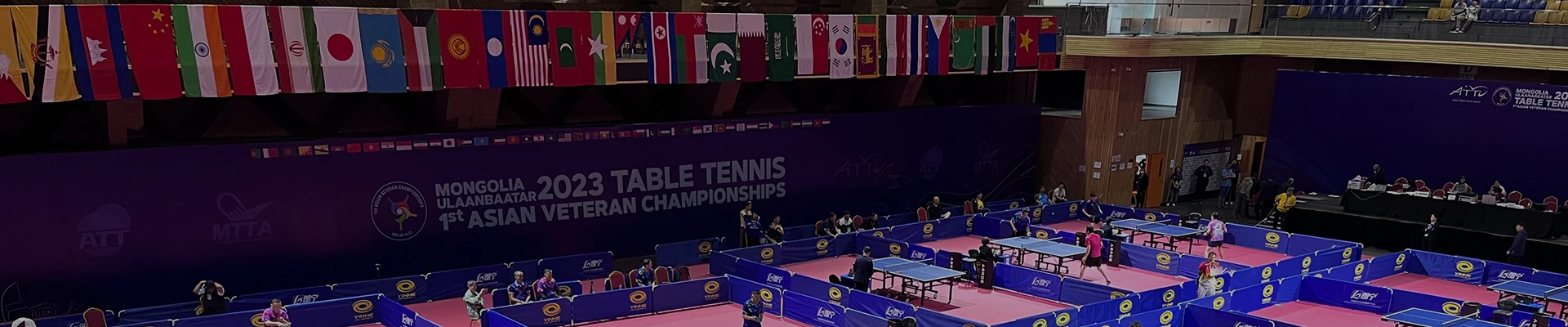
- Sports clubs and gyms: They upgrade amateur and professional courts to meet ITTF standards, reducing injuries and improving gameplay.
- Schools and universities: Portable and easy to install mats allow multi-use gym floors to quickly adapt for ping pong lessons or tournaments without permanent installation.
- Event venues and tournaments: Temporary setups need fast deployment, with consistent high-quality flooring from city to city.
- Home use: More enthusiasts want pro-grade flooring at home for serious practice.
Oddly enough, some rehabilitation centers incorporate these mats too. The shock-absorbent surface aids patients relearning balance and footwork — showing the mat’s benefits aren’t confined to sports alone.
Product Specification Table
| Feature | Typical Value | Notes |
|---|---|---|
| Material | Thermoplastic polyurethane (TPU) top / foam base | Durable and cushioned |
| Thickness | 5-7 mm | Balances comfort and responsiveness |
| Weight | 4-6 kg per 12 ft mat | Portable but sturdy |
| Surface Texture | Non-slip, matte finish | Enhances traction & safety |
| Color options | Blue, Green, Red, Black | Custom branding available |
| Fire Resistance | Class B1 (EN 13501-1) | Complies with safety regulations |
Comparing Popular Ping Pong Floor Mat Vendors
| Vendor | Material Quality | Eco-Friendly | Price Range | Warranty |
|---|---|---|---|---|
| Langning Sports | High-grade TPU / recycled foam | Yes (PVC-free, recycled) | $$$ ($150-300 per mat) | 3 years |
| Pro Court Mats | Standard TPU / foam | Limited | $$ ($100-200) | 2 years |
| SportDeck Solutions | Premium materials, custom layers | Yes | $$$$ ($300+) | 5 years |
Advantages and Long-Term Value of Investing in Quality Flooring
Opting for a high-quality ping pong floor mat isn’t just a short-term play. It’s about long-term cost savings through damage prevention, player health, and improved facility reputation. Consistency in grip and cushioning reduces the likelihood of sprains and falls, leading to fewer liability issues and downtime. On a more emotional note, players feel safer, which can boost confidence and performance — that feeling of trust in your environment is often underestimated. Sustainable materials also lessen a venue’s carbon footprint, aligning sports facilities with global environmental targets such as those set by the United Nations Sustainable Development Goals (SDGs).
Looking Ahead: Innovations in Ping Pong Floor Mats
What’s next? Manufacturers are experimenting with smart mats embedded with sensors that track player movement and impact. Others test bio-based polymers to ramp up sustainability without compromising durability. Digital printing tech also enhances customization possibilities, from team logos to court graphics.
Then there’s the push for modular, quick-lock installation systems — imagine snapping floor mats together like tiles to reconfigure layouts on the fly. Even integration with underfloor heating systems is emerging in colder climates. It feels like a subtle evolution, but possibly a game changer in how venues approach flooring.
Challenges & How Industry Experts Are Solving Them
Of course, no solution is perfect. Some mats can be heavier than expected, making transport tricky. Others might off-gas chemical scents if made from lower-grade materials. Cost remains a barrier for schools or smaller clubs.
Experts advise prioritizing certifications—look for mats tested by independent labs for slip resistance and emission levels. Innovations in lightweight yet durable materials are helping reduce weight. Leasing options or second-hand markets can ease the upfront cost. And — I noticed this — involving players in testing can ensure the chosen mat truly matches the venue’s needs.
FAQs About Ping Pong Floor Mats
Q1: How thick should a ping pong floor mat be for optimal performance?
A: Most experts recommend mats between 5-7 mm thick. This range balances shock absorption to protect joints with enough firmness for quick movements. Thinner mats can feel unstable; thicker mats might slow foot agility.
Q2: Can I use a ping pong floor mat outdoors?
A: It depends. Some mats are designed with UV-resistant coatings for outdoor use, but many degrade if exposed to sun and rain long-term. If outdoor use is planned, choose mats explicitly labeled for exterior conditions.
Q3: How do I clean and maintain my ping pong floor mat?
A: Routine cleaning with a mild detergent and warm water works well. Avoid harsh chemicals that could degrade the surface. Some mats should be rolled up to prevent creases and stored in dry, temperature-controlled spaces.
Q4: Are eco-friendly ping pong floor mats more expensive?
A: Often yes, but the gap is narrowing. Sustainable mats use recyclable or recycled materials, and the long-term environmental benefits can outweigh initial costs for many organizations.
Q5: Where can I buy a high-quality ping pong floor mat?
A: Trusted vendors like Langning Sports offer certified mats designed for both professional and amateur needs. You can also explore specialty sports equipment retailers and online marketplaces.
Conclusion: Why Your Next Table Tennis Setup Needs a Ping Pong Floor Mat
In the grand scheme, a proper ping pong floor mat is one of those investments that seem small but deliver outsized returns in player safety, comfort, and venue longevity. Whether you’re outfitting a competitive tournament hall or your modest home rec room, these mats elevate the playing experience markedly.
If you’re thinking about upgrading (and I hope you are), consider browsing ping pong floor mat options available today. They blend tech, design, and sustainability into products built for the modern game — and seriously, your ankles will thank you.
References:
-
Premium Outdoor Dance Floor for Sale Professional Event SurfacesNewsApr.16,2026
-
Premium Professional White Dance Floor for Sale and Buying GuideNewsApr.09,2026
-
Find Your Perfect Portable Dance Floor for Sale and Create Unforgettable EventsNewsApr.07,2026
-
Find High Quality Dance Flooring for Sale and Expert GuidanceNewsApr.04,2026
-
Comprehensive Guide to Durable Commercial Vinyl Solutions for BusinessesNewsMar.31,2026
-
Comprehensive Commercial Flooring Management for Business LongevityNewsMar.28,2026
-
Comprehensive Guide to Selecting the Right Commercial Flooring MaterialsNewsMar.26,2026