



Comprehensive Guide to Selecting the Right Commercial Flooring Types
Commercial Flooring Types: A Comprehensive Guide
Selecting the right flooring is a crucial decision for any business. Beyond aesthetics, commercial flooring must withstand high traffic, resist wear and tear, and often meet specific industry requirements. This article delves into the various commercial flooring types available, outlining their pros, cons, and best-suited applications. Understanding these options will help you make an informed choice that balances cost, durability, and functionality. Choosing the right floor contributes significantly to your brand image and employee well-being.
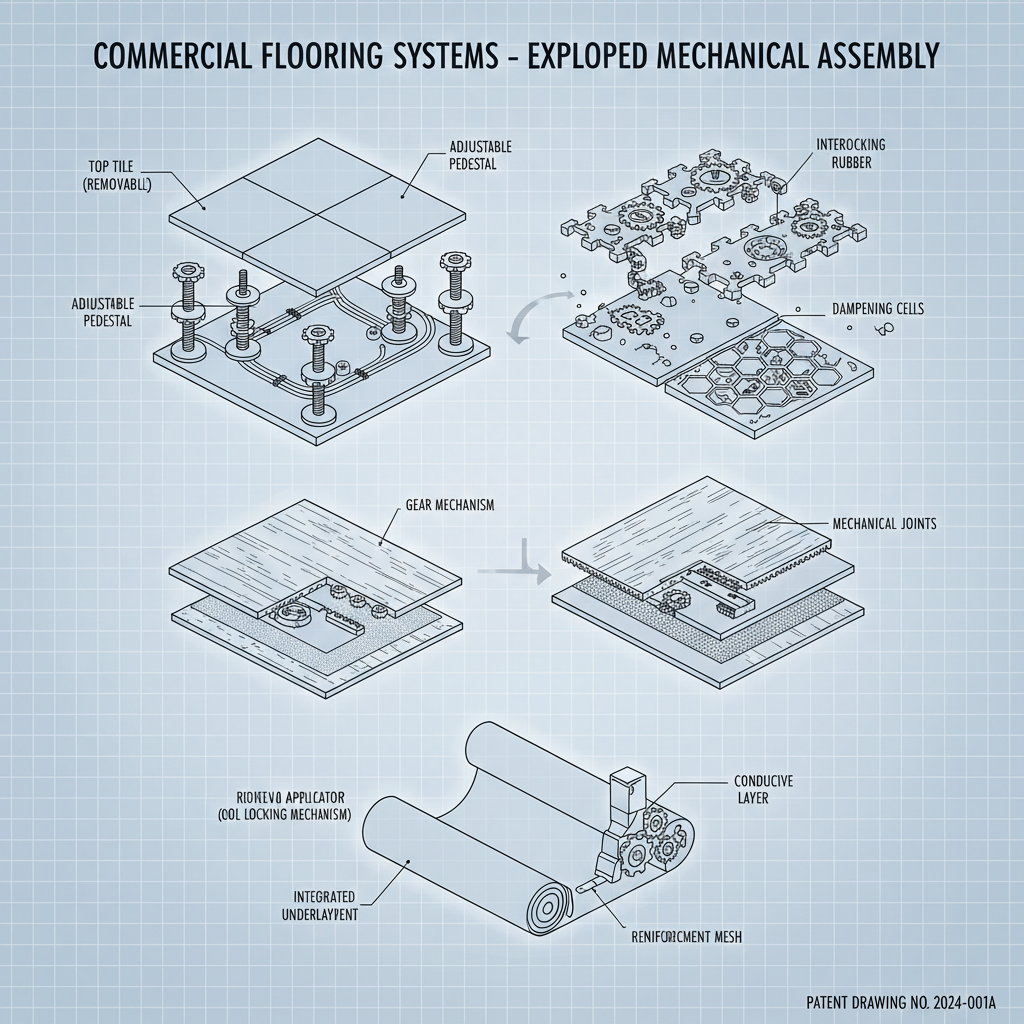
Understanding the Diverse Range of Commercial Flooring Options
The world of commercial flooring offers a wide array of choices, each with unique characteristics. From resilient materials like vinyl and rubber to durable options like concrete and tile, the selection can feel overwhelming. Factors such as anticipated foot traffic, budget constraints, and aesthetic preferences all play a role in the decision-making process. Furthermore, consider specific needs related to slip resistance, noise reduction, and ease of maintenance. Selecting a flooring that caters to these aspects will provide long-term benefits and minimize future costs.
Key Considerations: Traffic levels, budget, maintenance needs, aesthetic preferences, and specific industry requirements all influence the best flooring choice.
Vinyl Flooring: A Versatile and Cost-Effective Solution
Vinyl flooring, including Luxury Vinyl Tile (LVT) and Vinyl Composition Tile (VCT), remains a popular choice for many commercial spaces. Its affordability, durability, and ease of maintenance make it a practical option. LVT offers realistic wood or stone looks, while VCT is known for its exceptional wear resistance. Vinyl is also relatively quiet underfoot, making it suitable for offices and healthcare facilities. However, it’s less eco-friendly than some other options and can be susceptible to scratches and dents under very heavy loads. Explore the wide range of vinyl flooring solutions available.
Vinyl Flooring Benefits:
• Cost-effective
• Durable and wear-resistant
• Easy to maintain
• Available in a variety of styles
Comparing Popular Commercial Flooring Types
Choosing between different commercial flooring types requires careful consideration of their respective strengths and weaknesses. The following table provides a comparison to aid in your decision-making process.
The Rising Popularity of Rubber Flooring in Commercial Spaces
Rubber flooring is gaining traction due to its exceptional durability, comfort, and safety features. It’s particularly well-suited for environments requiring impact absorption and slip resistance, such as gyms, healthcare facilities, and schools. Rubber flooring is available in tiles, rolls, and mats, offering versatility in installation. While typically more expensive than vinyl, its longevity and low maintenance costs often justify the initial investment. Moreover, recycled rubber options contribute to sustainable building practices.
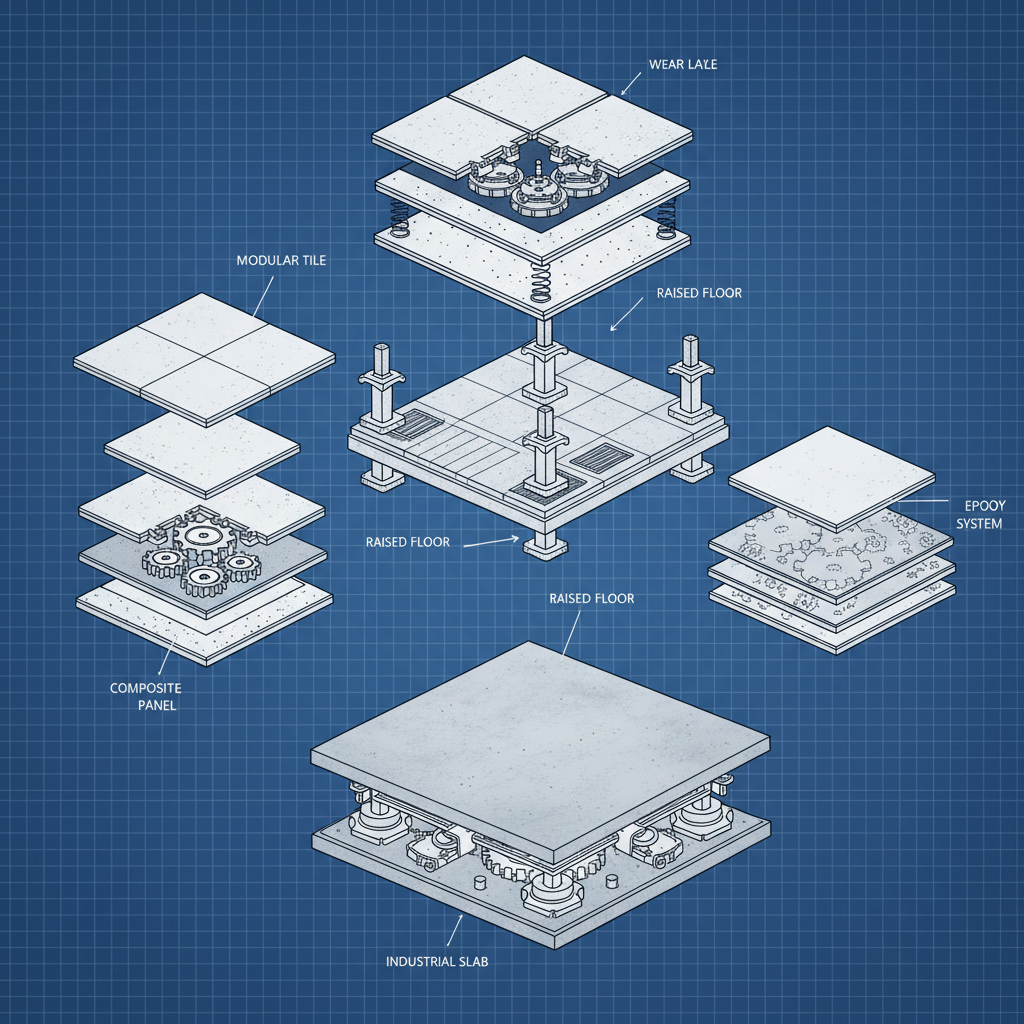
Factors Influencing Commercial Flooring Costs
Commercial flooring costs can vary significantly based on several factors. Material selection is a primary driver, with options like hardwood and high-end tile commanding higher prices. Installation complexity, subfloor preparation, and the size of the area all contribute to the overall expense. Labor costs also vary regionally. It’s crucial to obtain detailed quotes from multiple contractors and factor in long-term maintenance costs when evaluating your budget. Partnering with a reputable flooring supplier like Langning Sports can help streamline the process and ensure you receive competitive pricing.
Conclusion: Making the Right Flooring Choice for Your Business
Choosing the right commercial flooring is a vital investment that impacts your business's functionality, aesthetics, and bottom line. By carefully considering the factors outlined in this guide – durability, cost, maintenance, and specific application requirements – you can make an informed decision that provides long-lasting value. Don't hesitate to consult with flooring professionals to discuss your unique needs and explore the best options for your space.
Frequently Asked Questions (FAQs)
What are the key considerations when choosing flooring for a high-traffic retail space?
For high-traffic retail spaces, durability is paramount. Vinyl flooring (especially LVT) and polished concrete are excellent choices due to their resistance to wear and tear. Slip resistance is also crucial for customer safety. Consider flooring with a textured surface or incorporate anti-slip treatments. Aesthetic appeal is important, so choose a flooring that complements your brand and creates a welcoming atmosphere. Regular maintenance should also be easy and cost-effective.
Is carpet tile a suitable option for a busy office environment?
Carpet tile can be a good option for busy offices, offering comfort and noise reduction. However, it requires regular vacuuming and occasional deep cleaning to maintain its appearance. Choose carpet tiles with a high wear rating and stain resistance. Modular carpet tiles are advantageous as damaged tiles can be easily replaced without replacing the entire floor. Consider the overall aesthetic and whether it aligns with your office's branding.
What is the lifespan of commercial-grade flooring?
The lifespan of commercial flooring varies depending on the material and the level of traffic it experiences. Vinyl flooring typically lasts 10-20 years with proper maintenance. Rubber flooring can last 15-25 years. Concrete flooring, if properly sealed and maintained, can last for decades. Carpet tile typically needs replacing every 5-10 years. It's essential to follow the manufacturer's maintenance recommendations to maximize the lifespan of your flooring.
How important is subfloor preparation before installing new flooring?
Subfloor preparation is crucially important. An uneven or damaged subfloor can lead to premature flooring failure, bubbling, or cracking. Before installing any new flooring, the subfloor must be clean, level, and structurally sound. This may involve patching cracks, leveling compounds, or even replacing damaged sections of the subfloor. Investing in proper subfloor preparation ensures a long-lasting and aesthetically pleasing flooring installation.
-
Premium Outdoor Dance Floor for Sale Professional Event SurfacesNewsApr.16,2026
-
Premium Professional White Dance Floor for Sale and Buying GuideNewsApr.09,2026
-
Find Your Perfect Portable Dance Floor for Sale and Create Unforgettable EventsNewsApr.07,2026
-
Find High Quality Dance Flooring for Sale and Expert GuidanceNewsApr.04,2026
-
Comprehensive Guide to Durable Commercial Vinyl Solutions for BusinessesNewsMar.31,2026
-
Comprehensive Commercial Flooring Management for Business LongevityNewsMar.28,2026
-
Comprehensive Guide to Selecting the Right Commercial Flooring MaterialsNewsMar.26,2026