



Exploring Different Types of Commercial Flooring for Durable and Functional Spaces
Different Types of Commercial Flooring
Choosing the right flooring for your commercial space is a critical decision. It impacts not only the aesthetics but also the functionality, durability, and safety of your business. From high-traffic retail stores to demanding industrial environments, different types of commercial flooring offer distinct advantages. This guide explores the most popular options, their pros and cons, and factors to consider when making your selection. Understanding these differences will ensure you invest in a flooring solution that meets your specific needs and budget.
Vinyl Flooring: A Versatile and Cost-Effective Choice
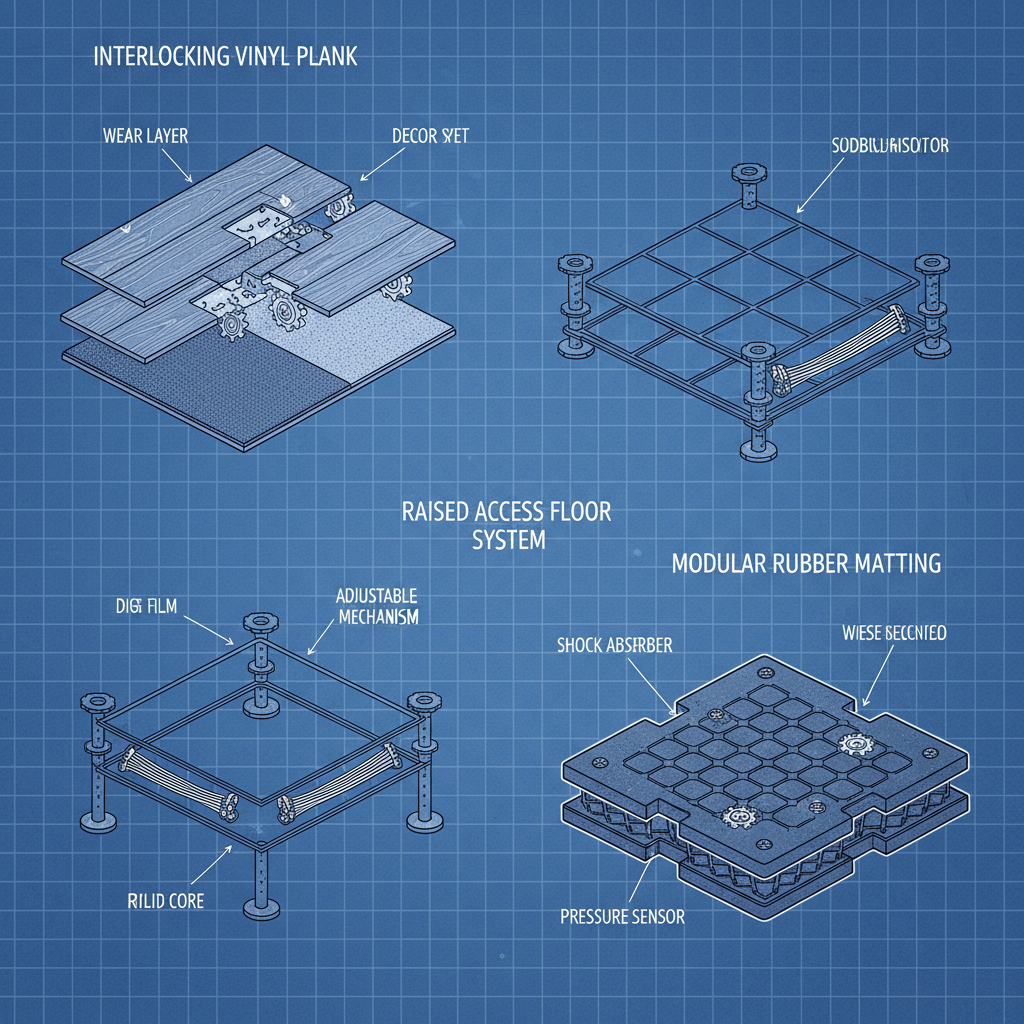
Vinyl flooring, including Luxury Vinyl Tile (LVT) and Luxury Vinyl Plank (LVP), is a hugely popular option for commercial spaces. Its affordability, durability, and ease of maintenance make it a practical choice for a wide range of applications. Vinyl is water-resistant, making it suitable for areas prone to spills or moisture, such as restrooms and kitchens. It also offers a vast array of design options, mimicking the look of wood, stone, or tile. Modern vinyl flooring is also surprisingly comfortable underfoot, and can even provide some sound absorption.
Commercial Carpet: Comfort and Aesthetics
Commercial carpet remains a popular choice, particularly in offices, hospitality venues, and retail environments where comfort and aesthetics are priorities. It offers excellent sound absorption, creating a quieter and more inviting atmosphere. Carpet also provides a degree of warmth and cushioning, making it comfortable for walking and standing for extended periods. However, it’s important to choose a durable, stain-resistant carpet designed specifically for high-traffic commercial use. Regular cleaning and maintenance are essential to preserve its appearance and hygiene.
Key Highlights: Commercial carpet offers comfort, sound absorption, and a wide range of aesthetic options, but requires regular maintenance.
Epoxy Flooring: Durability for Industrial Settings
Epoxy flooring is renowned for its exceptional durability and resistance to chemicals, abrasion, and impact. This makes it an ideal choice for industrial facilities, warehouses, garages, and other high-demand environments. Epoxy is also seamless and easy to clean, creating a hygienic and safe surface. It can be customized with various colors, patterns, and textures, and can even incorporate anti-slip additives for enhanced safety.
Epoxy Flooring Benefits:
• Exceptional durability and resistance to chemicals.
• Seamless and easy to clean.
• Customizable with colors, patterns, and anti-slip additives.
Comparing Popular Commercial Flooring Options
Choosing the best flooring depends on your specific needs. Here’s a comparison of some popular options:
Other Commercial Flooring Options
Beyond the commonly used options, several other flooring types cater to specific commercial needs. These include:
- Rubber Flooring: Ideal for gyms, play areas, and healthcare facilities due to its cushioning, slip-resistance, and durability.
- Concrete Flooring: Polished concrete offers a modern, industrial aesthetic and is extremely durable.
- Sheet Vinyl: A cost-effective option for healthcare and education settings, providing a seamless and hygienic surface.
Factors to Consider When Choosing Commercial Flooring
Before making a final decision, carefully consider these factors:
- Traffic Level: High-traffic areas require more durable flooring options.
- Budget: Flooring costs can vary significantly.
- Maintenance Requirements: Consider the time and cost of cleaning and maintenance.
- Aesthetic Preferences: Choose flooring that complements your brand and décor.
- Safety: Slip-resistance and fire-resistance are important considerations.
Conclusion: Finding the Right Fit for Your Business
Selecting the appropriate commercial flooring is a crucial investment that impacts the functionality, safety, and aesthetics of your business space. By carefully evaluating your specific needs and considering the pros and cons of each option, you can make an informed decision that delivers long-term value. Don't hesitate to consult with flooring professionals to ensure you choose the best solution for your unique requirements.
Frequently Asked Questions (FAQs)
What is the best flooring for a high-traffic retail store?
For high-traffic retail stores, durability is paramount. Vinyl flooring (LVT/LVP) and tile (ceramic/porcelain) are excellent choices. Vinyl offers a balance of durability, cost-effectiveness, and aesthetics. Tile is extremely durable and easy to clean but can be harder and colder underfoot. Consider adding rugs or mats in specific areas for comfort and to reduce noise. Regular maintenance is crucial for preserving the appearance of any flooring in a high-traffic environment.
How often should commercial carpet be cleaned?
Commercial carpet should be professionally deep cleaned at least every 6-12 months, depending on the traffic level. Regular vacuuming (at least 2-3 times per week) is essential to remove dirt and debris. Spot cleaning should be performed immediately to prevent stains from setting. Consider using a preventative treatment to protect the carpet from stains and wear. Proper carpet maintenance extends its lifespan and maintains a healthy indoor environment.
Is epoxy flooring suitable for food processing facilities?
Yes, epoxy flooring is often an excellent choice for food processing facilities. It’s seamless, non-porous, and highly resistant to chemicals and bacteria, making it easy to sanitize and maintain a hygienic environment. Food-grade epoxy formulations are available that meet strict safety regulations. It’s important to ensure the epoxy is properly installed and sealed to prevent any potential contamination.
What are the benefits of choosing sustainable flooring options?
Sustainable flooring options, such as bamboo, cork, and recycled content vinyl, offer numerous benefits. They reduce environmental impact by utilizing renewable resources or diverting waste from landfills. They can also improve indoor air quality by emitting fewer volatile organic compounds (VOCs). Choosing sustainable flooring demonstrates a commitment to environmental responsibility and can enhance your brand image.
-
Premium Outdoor Dance Floor for Sale Professional Event SurfacesNewsApr.16,2026
-
Premium Professional White Dance Floor for Sale and Buying GuideNewsApr.09,2026
-
Find Your Perfect Portable Dance Floor for Sale and Create Unforgettable EventsNewsApr.07,2026
-
Find High Quality Dance Flooring for Sale and Expert GuidanceNewsApr.04,2026
-
Comprehensive Guide to Durable Commercial Vinyl Solutions for BusinessesNewsMar.31,2026
-
Comprehensive Commercial Flooring Management for Business LongevityNewsMar.28,2026
-
Comprehensive Guide to Selecting the Right Commercial Flooring MaterialsNewsMar.26,2026