


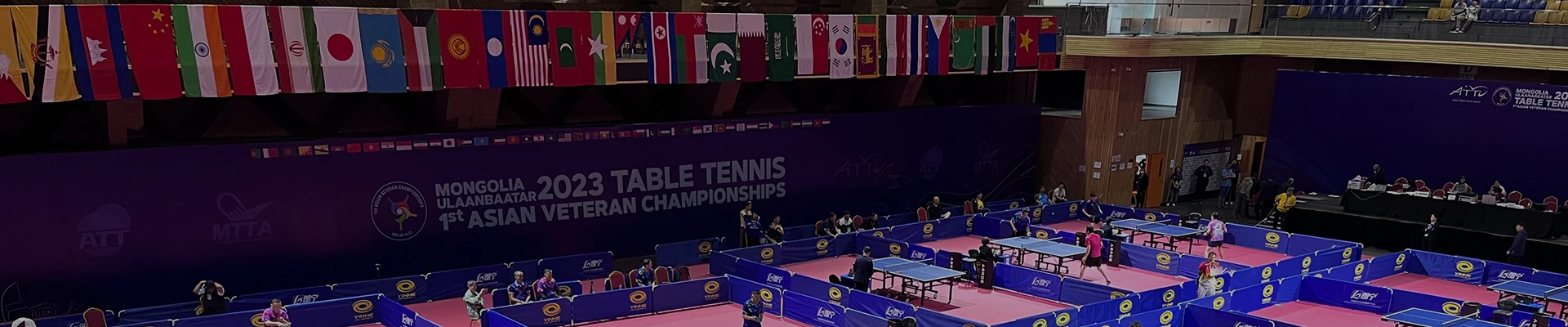
Comprehensive Guide to Choosing the Perfect Floor for Basketball Court
Understanding the Floor for Basketball Court: Why It Matters Worldwide
When you think of a basketball court, the one thing that often gets overlooked (until you actually play on it) is the floor for basketball court. Yet, this component holds immense significance not just for the game’s quality, but also for safety, durability, and the very spirit of basketball worldwide. Across communities and continents, selecting the right flooring is a game-changer — quite literally. It impacts athletes’ performance, protects against injuries, and even influences the accessibility of the sport globally.
From urban gyms in New York to open courts in Nairobi, understanding how basketball floors are designed and optimized can unlock better spaces — whether for professional games, schools, or local community centers.
A Global Perspective on Basketball Court Flooring
On a global scale, the demand for suitable sports infrastructure is rising steadily. The International Olympic Committee and other international bodies have emphasized sport accessibility as part of their sustainable development goals. According to the World Bank, sports infrastructure investment correlates deeply with urban development and youth engagement, particularly in emerging economies.
But here’s the tricky bit: not every region can afford high-end flooring systems. Delicate surfaces like hardwood require expensive maintenance; meanwhile, less costly options might compromise play quality or player safety. This means the floor for basketball court — be it portable, permanent, indoor, or outdoor — must balance performance, cost, and durability globally. It’s no small task.
What Exactly Is a Floor for Basketball Court?
Simply put, a floor for basketball court is the playing surface specially designed to support the sport’s demands. It typically consists of materials and construction that optimize bounce, grip, shock absorption, and durability. Hardwood floors are classic favorites — maple being the most common — but synthetic surfaces, modular tiles, and rubberized variants have gained popularity. Their design is tied to reducing injuries, enhancing ball control, and providing consistent footing in all conditions.
This kind of flooring also connects deeply to industry by shaping supplier markets and construction standards. But for communities, it’s about more than sport — it’s a symbol of investment in youth, health, and recreation.
Key Factors in Choosing the Right Basketball Court Flooring
1. Durability
Durability is non-negotiable. Basketball courts endure heavy foot traffic, impact from jumps and falls, and sometimes extreme weather if outdoors. High-quality wood flooring, sealed to resist moisture, lasts decades, while synthetic floors resist abrasion better but may wear unevenly.
2. Shock Absorption
Players’ knees and ankles thank you for good cushioning. Flooring systems with adequate shock absorption reduce injury risk and fatigue — a serious benefit for schools and professional arenas alike.
3. Cost Efficiency
Many organizations balance upfront costs with maintenance expenses. Hardwood might be more expensive initially but can prove cost-effective over time with proper care. Conversely, modular flooring offers affordability and faster installation, appealing to temporary or multi-use venues.
4. Surface Grip and Traction
Slips and falls are a player’s nightmare. Flooring must deliver consistent traction without being sticky, allowing players to pivot and run confidently.
5. Scalability & Installation
Scalable solutions and modular flooring systems help venues customize the floor size or relocate courts for events—a factor that’s increasingly critical in urban centers with space constraints.
Mini Takeaway:
Choosing the right floor involves weighing durability, safety, cost, and flexibility. An effective floor won’t just look good — it actively enhances the basketball experience while protecting players.
Worldwide Applications: Where and How These Floors Make an Impact
Across regions, basketball flooring finds use in varied contexts:
- United States & Canada: Predominantly hardwood courts in professional and school gyms.
- Europe: Growing use of engineered wood and synthetic options in multi-sport arenas.
- Africa & Asia: Increased adoption of modular and outdoor courts tailored for budget and climate conditions.
- Community Revitalization: NGOs install portable courts in refugee camps and post-disaster zones to boost youth activity.
One interesting case: In remote industrial hubs where indoor sports centers are rare, mobile basketball floors—quickly assembled and disassembled—allow events or tournaments that otherwise wouldn’t happen.
The Advantages and Long-Term Value of Quality Basketball Court Floors
Beyond just facilitating play, durable floors deliver long-term value:
- Safety: Reduced injuries gain trust among schools and leagues.
- Sustainability: Selecting sustainably sourced wood or recyclable modular tiles supports the environment.
- Community Impact: Quality floors encourage active lifestyles, building social cohesion.
- Maintenance Ease: Less frequent repairs save resources and downtime.
Frankly, you get a blend of tangible and emotional advantages — from athlete wellbeing to community pride, these floors do a lot more than just support a game.
Product Specification Table: Example of Hardwood Flooring for Basketball Court
| Specification | Details |
|---|---|
| Material | Hard maple wood (north-sourced) |
| Thickness | 25 mm (1 inch) |
| Shock Absorption System | Multi-layered plywood subfloor, rubber cushioning |
| Surface Finish | UV-cured polyurethane sealant, anti-slip |
| Warranty | 10 years with regular maintenance |
Comparing Top Vendors of Basketball Court Floors
| Vendor | Product Type | Price Range | Lead Time | Customization |
|---|---|---|---|---|
| Langning Sports | Modular PVC Tiles | $20–$35 per m² | 2–4 weeks | Color, size, logo imprint |
| ProFloor Systems | Engineered Hardwood | $45–$70 per m² | 6–8 weeks | Custom finishes & sizes |
| SportTech Flooring | Synthetic Rubber | $15–$30 per m² | 3–5 weeks | Standard & anti-slip options |
The Future of Basketball Court Floors: Trends & Innovations to Watch
The industry isn’t standing still. Here are a few trends shaping the near future:
- Green Materials: Use of sustainably harvested wood and recycled polymers.
- Smart Floors: Embedded sensors to track player movement and performance metrics.
- Quick-Lay Modular Systems: Allowing events to pop up anywhere, cutting installation time dramatically.
- Advanced Surface Finishes: Combining grip with ease of cleaning, improving maintenance cycles.
Oddly enough, the digital revolution is merging with a decades-old tradition of wooden courts. There’s something fascinating about it — and it feels like a compelling blend of heritage and high tech.
Challenges & Solutions in Implementing Basketball Court Floors
Challenges often revolve around cost constraints, installation complexity, and climate-related deterioration. For example, outdoor courts in humid or rainy zones suffer from warping or mildew. Indoor courts deal with wear from high traffic.
Experts recommend:
- Investing early in robust moisture barriers and UV resistance coatings.
- Choosing modular floors for multi-use or temporary spaces.
- Regular maintenance schedules backed by vendor support agreements.
These approaches reduce lifecycle costs and keep the floors performing longer.
Frequently Asked Questions About Floor for Basketball Court
- What type of flooring is best for indoor basketball courts?
- Hard maple hardwood floors remain the gold standard for indoor courts due to their performance, shock absorption, and durability. However, engineered wood and certain modular systems are viable alternatives for cost efficiency or flexibility.
- How often should a basketball court floor be maintained?
- Routine cleaning should be weekly, while refinishing (sanding and sealing) is typically needed every 3–5 years, depending on use intensity.
- Can outdoor basketball courts use the same flooring as indoor courts?
- Not usually. Outdoor courts require weather-resistant materials like synthetic tiles or specialized rubber surfaces to withstand UV exposure and moisture.
- Is modular flooring good for temporary setups?
- Absolutely. Modular floors like those from Langning Sports can be quickly installed and removed for tournaments or multi-sport venues.
- Are basketball court floors environmentally friendly?
- Yes, increasingly so. Many products use sustainably harvested wood, recycled plastics, or can be recycled themselves, aligning with ISO 20121 on sustainable events.
Wrapping It Up: The Lasting Impact of Quality Basketball Court Floors
Choosing and investing in the right floor for basketball court pays dividends on the court and beyond. It safeguards athletes, builds community, and supports sustainable sport infrastructure development. Whether you’re crafting a professional gym or a community playground, the flooring decision echoes through every bounce, run, and shot.
Ready to step up your court game? Say hello to reliable, customizable, and innovative floor solutions. Visit https://www.langningsportsfloor.com to explore how the right flooring can elevate your space — because, at the end of the day, a floor is more than a surface; it’s the foundation of play.
References
-
Premium Outdoor Dance Floor for Sale Professional Event SurfacesNewsApr.16,2026
-
Premium Professional White Dance Floor for Sale and Buying GuideNewsApr.09,2026
-
Find Your Perfect Portable Dance Floor for Sale and Create Unforgettable EventsNewsApr.07,2026
-
Find High Quality Dance Flooring for Sale and Expert GuidanceNewsApr.04,2026
-
Comprehensive Guide to Durable Commercial Vinyl Solutions for BusinessesNewsMar.31,2026
-
Comprehensive Commercial Flooring Management for Business LongevityNewsMar.28,2026
-
Comprehensive Guide to Selecting the Right Commercial Flooring MaterialsNewsMar.26,2026