


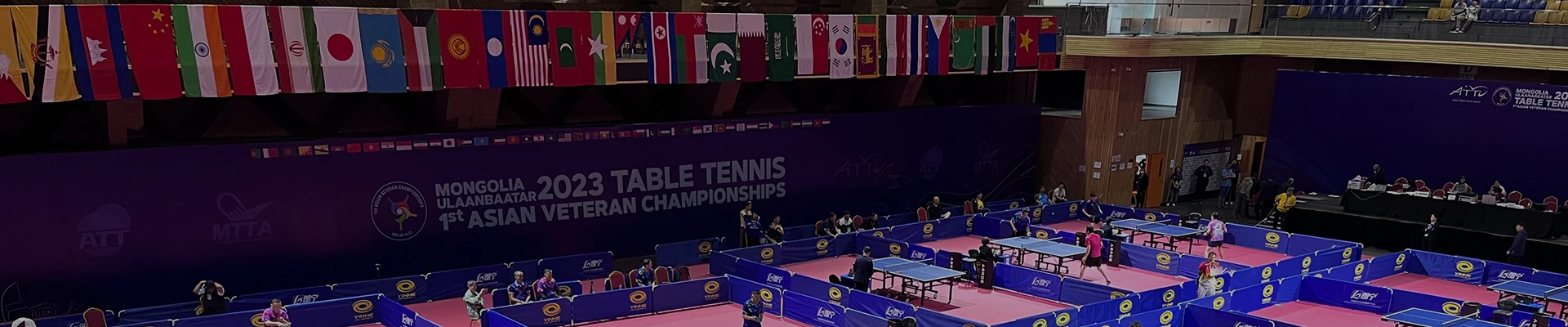
High-Quality Basketball Court Floor Boards | Durable Hardwood & Engineered Solutions
The World of Basketball Court Floor Boards: Why It’s More Than Just Wood
Basketball court floor boards—at first glance, they sound like just the hardwood planks making up the often-glossy surface of basketball courts worldwide. But honestly, these are anything but ordinary boards. These floorboards bear the physical and emotional impact of players, the community’s pride in local courts, and underpin the global sports economy in both professional and recreational arenas. Understanding them deeply is crucial, not just for architects or sports managers but anyone invested in design, safety, and sustainability in public spaces.
So why should we care? Well, basketball is a game beloved by hundreds of millions globally. According to the International Basketball Federation (FIBA), over 450 million people play basketball worldwide. The quality and safety of the basketball court floor boards directly affect player performance, injury risk, and audience experience. Beyond just sport, these boards intersect with material science, environmental concerns, and increasingly, innovative manufacturing approaches—see how this seemingly niche subject hooks in so many global conversations?
Basketball Court Floor Boards: Setting the Global Context
The global sports flooring market, with basketball courts as a vital segment, is expected to witness continuous growth, partly driven by urbanization, increasing sports governance, and the surge of indoor sports facilities worldwide. For instance, the United Nations Office on Sport for Development and Peace supports the integration of quality sports flooring to promote safer recreational spaces in underserved regions—a point that highlights how a simple basketball court can be a vehicle for social change.
Yet, here’s a challenge: many developing countries still struggle with the affordability and durability of these floorboards. They've got to resist moisture, handle heavy foot traffic, and maintain their performance over time. So, basketball court floor boards aren’t just about aesthetics—they’re a practical, technical hurdle to making the sport accessible globally.
So, What Exactly Are Basketball Court Floor Boards?
In plain terms, basketball court floor boards are the individual planks—mostly wood—that make up the playing surface of a basketball court. Traditionally, these boards are made from hard maple timber, prized for its strength, elasticity, and uniform grain, which is essential for smooth ball bounce and player traction. Modern alternatives, though, incorporate engineered wood, synthetic composites, and eco-friendlier options.
The significance lies beyond playability. These boards reflect adherence to international standards—think ISO certifications or FIBA regulations dictating dimensions, hardness, and finish for player safety and standardized game conditions. This tech-intensive craftsmanship connects sports directly to industries like wood-processing, coating technologies, and even logistics since courts often require onsite assembly.
Key Factors Behind Top-Quality Basketball Court Floor Boards
1. Durability
Durability is the biggie. Courts get slammed with thousands of player footsteps, jumps, and falls. And don't forget how humidity or temperature variance can warp or crack lesser-quality boards. So the wood specie choice and protective finishings are paramount.
2. Shock Absorption & Player Safety
Good floor boards absorb enough shock to reduce injuries to knees and ankles. That’s why manufacturers embed "sprung floors" systems—subfloor technologies paired with the boards—to cushion impact, vital for both amateur courts and professional arenas.
3. Maintenance & Longevity
Proper finishing with polyurethane or UV-crosslinked coatings not only gives that beautiful shine but prevents dust and water ingress. It also means less frequent sanding or replacement, which translates to lower lifetime costs.
4. Environmental Sustainability
Increasingly, courts aim to source certified sustainable wood (think FSC or PEFC labels). Some facilities even opt for recycled boards or rapidly renewable resources, aligning with broader efforts to minimize sports' ecological footprints.
5. Installation Scalability
From local community centers to NBA arenas, floor boards need to be delivered and installed efficiently. Modular design panels that snap or interlock reduce downtime and labor costs.
| Specification | Typical Hardwood Maple Floor Board | Engineered Composite Floor Boards |
|---|---|---|
| Thickness | 22 mm (Standard) | 20 mm |
| Finish | Polyurethane Coating | UV-Cured Polyurethane |
| Shock Absorption | Good (Requires Subfloor System) | Better (Integrated Cushion Layer) |
| Warranty | 10 Years (Manufacturer) | 8-12 Years |
| Sustainability | Often FSC Certified | Varies (Some Recycled Materials) |
Mini takeaway: Whether traditional hardwood or newer engineered boards, the choice boils down to balancing durability, safety, environmental impact, and budget constraints. The innovation in flooring tech pushes this boundary outward, but core quality can’t be sacrificed.
Where Basketball Courts Thrive: Real-World Applications of Floor Boards
Basketball courts aren’t only about your local gymnasium or schoolyard. Globally, these floorboards have made their way into multi-purpose community centers, professional stadiums, recreation hubs, and sometimes, surprisingly, post-disaster community rebuilds. For example:
- North America & Europe: Home to some of the most stringent standards, where courts must comply with FIBA’s regulations, combining performance with player safety.
- Asia-Pacific: Rapid urban development fuels demand, especially in multi-use sports facilities with high traffic.
- Africa & Latin America: Community projects increasingly adopt modular hardwood floor boards to enable quick installation and enhance durability against harsh weather.
- Global NGOs & Relief Efforts: Temporary courts with portable floor boards foster social cohesion and youth engagement in crisis settings.
Oddly enough, the adaptability of these boards—how they can be designed for swift assembly or tailored to environmental conditions—that’s what makes them a quiet hero in promoting sport inclusivity worldwide.
Advantages That Go Beyond Plain Wood
It’s easy to think these floor boards are simply a commodity. But virtually every stakeholder—players, facility managers, architects—point to benefits that extend beyond mere function:
- Player Safety & Performance: Consistent bounce, secure footing, and shock absorption enhance play quality while reducing injuries.
- Longevity & Cost Savings: Properly finished floorboards reduce maintenance, delaying costly full-scale replacements.
- Environmental Responsibility: FSC-certified wood and recycled composites target a lower carbon footprint.
- Community Impact: Durable courts foster social engagement, keep youth active, and even inspire local pride.
- Innovation Leverage: Modern coatings and design approaches improve aesthetics and functionality — a win-win for owners and players.
Emotionally, there is something comforting about a well-maintained hardwood court that just feels “right” under your feet—like the bridge between tradition and modern athletic dreams.
Rising Trends and Innovations in Basketball Court Flooring
Looking forward, several advancements are reshaping the landscape of basketball court floor boards:
- Green Materials & Smart Finishes: Biodegradable coatings and sustainably harvested woods get mainstreamed.
- Digital & IoT Integration: Embedded sensors track court conditions or usage frequency, helping maintenance teams monitor wear-and-tear in real time.
- Modular & Portable Systems: Innovations allow quicker installation and dismantling for multi-use venues or temporary events.
- Hybrid Flooring: Combination of wood with synthetic layers to optimize shock absorption and lifespan.
- Regulatory Push: International bodies push for better environmental and safety standards across all new installations.
In real terms, this means sports facilities will increasingly benefit from smarter boards that do more than just support play—they communicate their own health and may adapt to meet players’ needs dynamically.
Challenges Facing Basketball Court Floor Boards and How To Fix Them
No product is perfect, and basketball court floor boards face common hurdles:
- Cost Barriers: High-quality boards can be expensive upfront, leading some facilities to opt for cheaper but less durable options.
- Climate Issues: Moisture and temperature swings cause wood to warp or degrade fast if not properly maintained.
- Installation Complexity: Specialized installation requires trained teams, which isn’t always available in remote areas.
- Environmental Constraints: Demand for sustainable sourcing pressures the supply chain.
Solutions? Many manufacturers now offer pre-finished boards with built-in coatings that reduce onsite work and shrink installation time. Climate-adaptive wood treatments, plus better packaging and modular designs, also ease logistical burdens. Importantly, programs aiming to train local installers help close the gap between product availability and practical use.
FAQ: Your Questions About Basketball Court Floor Boards
- What wood is best for basketball court floor boards?
- Hard maple is the most common and favored choice due to its durability, tight grain for consistent ball bounce, and shock absorption qualities. However, engineered wood and composites are growing popular for their sustainability and easier maintenance.
- How often should basketball floors be resurfaced?
- Typically every 2-3 years, depending on usage intensity. High-traffic areas might need more frequent sanding and refinishing, while gym floors with moderate use could last longer.
- Are synthetic floor boards as good as hardwood?
- Synthetics can offer comparable shock absorption and durability with added moisture resistance, but purists often prefer hardwood for aesthetics and traditional feel.
- Can basketball court floor boards be installed outdoors?
- Wood floor boards aren’t suited for outdoor courts due to weather effects. Outdoors typically use acrylic, rubber, or synthetic alternatives designed to withstand the elements.
- Where can I find reliable vendors for basketball court floors?
- Look for vendors with FIBA accreditation and FSC-certified materials. Suppliers with good customer reviews and warranties usually provide peace of mind.
| Vendor | Product Type | Sustainability Certification | Warranty | Global Reach |
|---|---|---|---|---|
| Langning Sports | Hard Maple Hardwood Floor Boards | FSC Certified | 10 Years | Worldwide |
| ProPlay Surfaces | Engineered Composite Floor Systems | No Formal Certification, Eco-Minded | 8 Years | North America, Europe |
| EcoCourt Solutions | Recycled Wood-Based Floor Boards | FSC & PEFC | 7 Years | Asia, Africa |
In Closing: The Last Bounce
Basketball court floor boards are the literal foundation of basketball play worldwide. Their design and quality shape the game experience, influence player health, and reflect wider trends in sustainability and manufacturing. Choosing the right boards can feel like a small piece in a large puzzle; yet, it’s a puzzle piece that often determines a facility’s long-term success and community impact.
So whether you’re outfitting a new court, upgrading an existing one, or just curious about what goes into that smooth hardwood beneath our sneakers, understanding these boards opens up a deeper appreciation for the sports spaces we all cherish. For top-tier quality and innovative solutions, be sure to visit basketball court floor boards and explore the full range.
References
-
Premium Outdoor Dance Floor for Sale Professional Event SurfacesNewsApr.16,2026
-
Premium Professional White Dance Floor for Sale and Buying GuideNewsApr.09,2026
-
Find Your Perfect Portable Dance Floor for Sale and Create Unforgettable EventsNewsApr.07,2026
-
Find High Quality Dance Flooring for Sale and Expert GuidanceNewsApr.04,2026
-
Comprehensive Guide to Durable Commercial Vinyl Solutions for BusinessesNewsMar.31,2026
-
Comprehensive Commercial Flooring Management for Business LongevityNewsMar.28,2026
-
Comprehensive Guide to Selecting the Right Commercial Flooring MaterialsNewsMar.26,2026