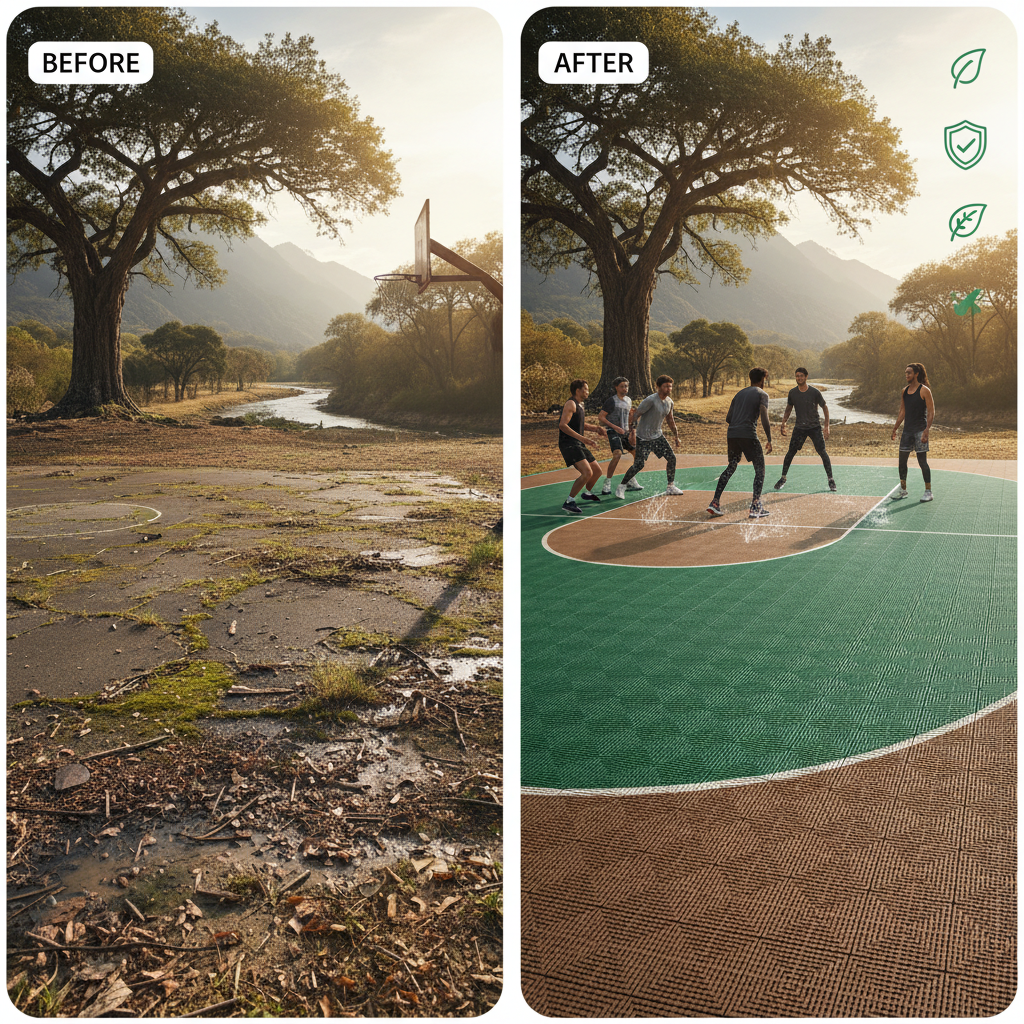
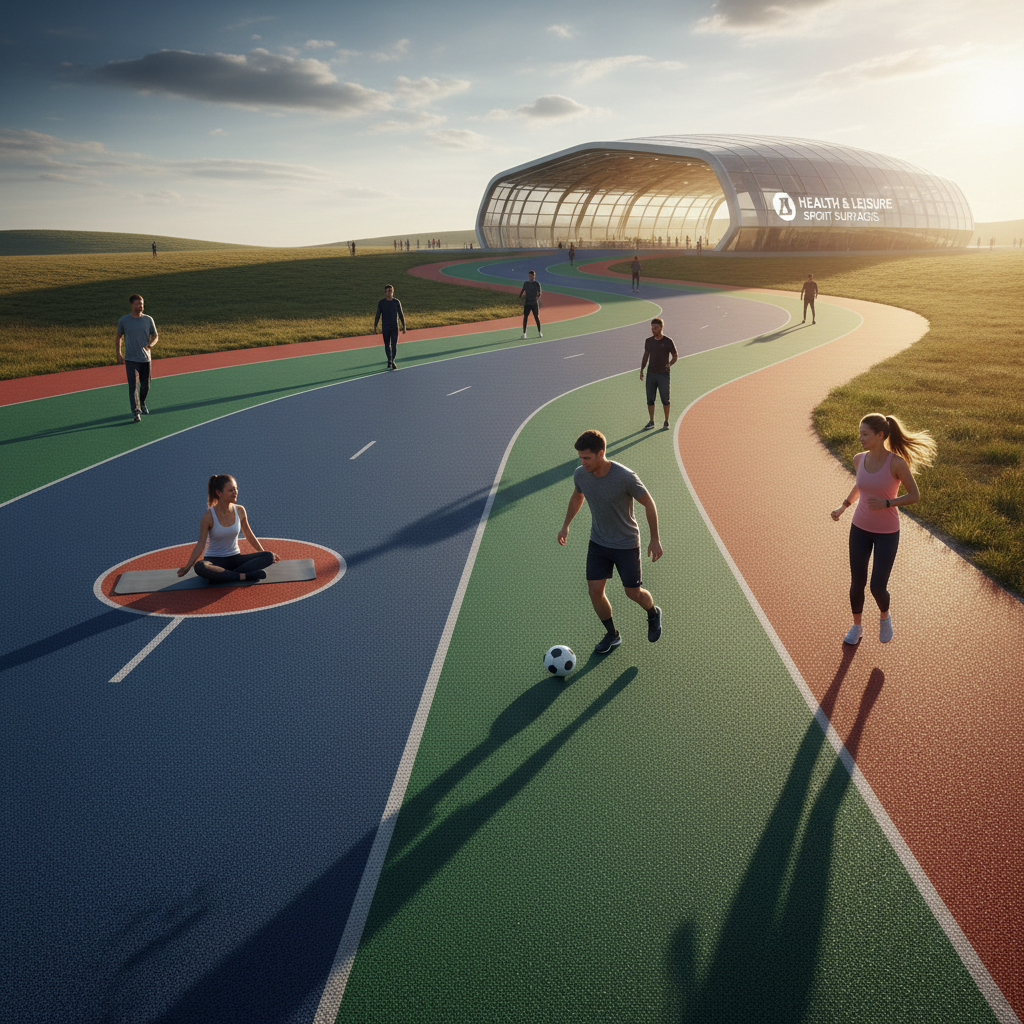
Choosing the right surface is critical for any athletic facility, as the variety of badminton court flooring types directly influences player performance, joint health, and the overall longevity of the venue. From professional arenas requiring high-grade PVC to community centers opting for versatile interlocking tiles, the flooring serves as the foundation for every smash and drop shot.
Globally, the demand for specialized sports surfaces has surged as badminton grows in popularity across Asia and Europe. The industry has shifted from traditional wooden floors toward engineered synthetic materials that offer superior shock absorption and consistent friction, reducing the risk of acute injuries like ankle sprains and long-term issues such as tendonitis.
Understanding the nuances between different badminton court flooring types allows facility managers and athletes to balance cost, maintenance, and performance. Whether the goal is a BWF-standard professional court or a multi-purpose school gym, the material choice determines the grip, ball bounce, and acoustic quality of the environment.
The Global Impact of Badminton Court Flooring Types
The international sports infrastructure market has seen a significant evolution in how badminton court flooring types are implemented. In regions like Southeast Asia, where badminton is a national passion, the shift toward high-elasticity PVC and professional timber floors has aligned with ISO standards for sports safety, ensuring that athletes can compete at peak intensity without compromising their physical integrity.
Beyond professional competition, the globalization of these materials has enabled the creation of safe, accessible sports hubs in urban centers worldwide. By integrating advanced polymer technology, modern flooring now addresses the challenge of versatility, allowing a single space to serve as a badminton court, a volleyball area, or a dance studio, thereby maximizing the utility of expensive real estate in densely populated cities.
Defining Modern Badminton Surface Standards
When we discuss badminton court flooring types, we are essentially referring to the specialized layers of materials designed to provide a specific balance of friction and cushion. Unlike general-purpose flooring, badminton surfaces must facilitate rapid lateral movement and sudden stops—actions that place immense stress on the ankle and knee joints.
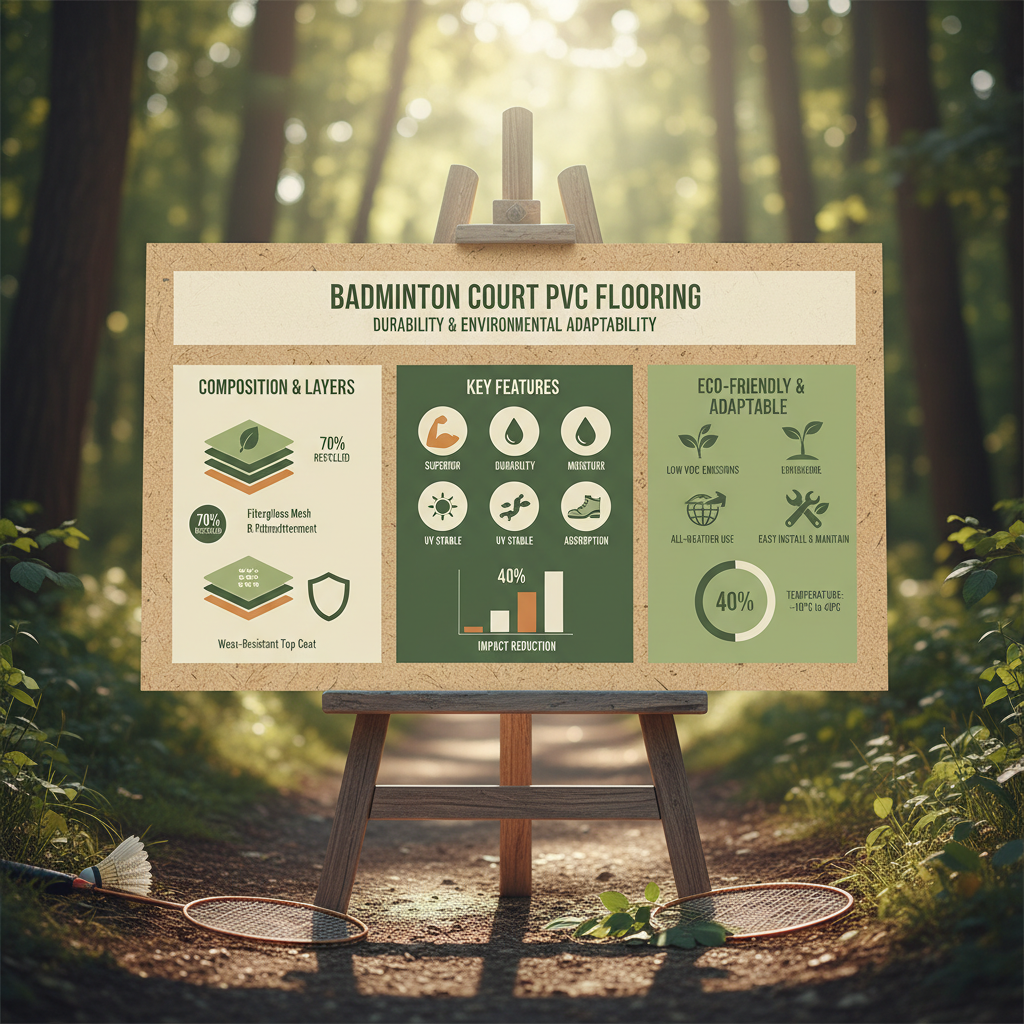
In the context of modern manufacturing, these surfaces are often engineered as multi-layered systems. A typical professional PVC mat, for example, consists of a wear layer for durability, a printed layer for court markings, a glass-fiber layer for stability, and a foam backing for shock absorption. This technical architecture is what separates professional-grade flooring from basic rubber mats.
The connection to broader industry needs is clear: as health consciousness rises globally, there is a humanitarian push to provide safer sporting environments for youth and seniors. Standardizing the quality of these flooring types ensures that whether a person is playing in a high-end club or a community center, they are protected by science-backed materials that prevent slips and reduce impact fatigue.
Key Performance Factors in Flooring Selection
Shock Absorption is perhaps the most critical metric when evaluating badminton court flooring types. The ability of the floor to dissipate the energy of a jump and return it safely to the athlete prevents chronic joint wear and reduces the likelihood of stress fractures, making it an essential requirement for high-frequency training centers.
Surface Friction and Grip must be precisely calibrated. Too much grip can lead to "sticking" during rapid pivots, increasing the risk of ankle rolls, while too little grip leads to slips. The best badminton court flooring types maintain a consistent coefficient of friction regardless of humidity or sweat levels on the court.
Durability and Maintenance Efficiency are the primary drivers for commercial venue owners. Since badminton involves constant shuffling and sliding, the top wear layer must be resistant to abrasions. Choosing flooring that requires only simple damp-mopping rather than complex chemical treatments significantly lowers the long-term operational cost of the facility.
Comparative Analysis of Common Flooring Materials
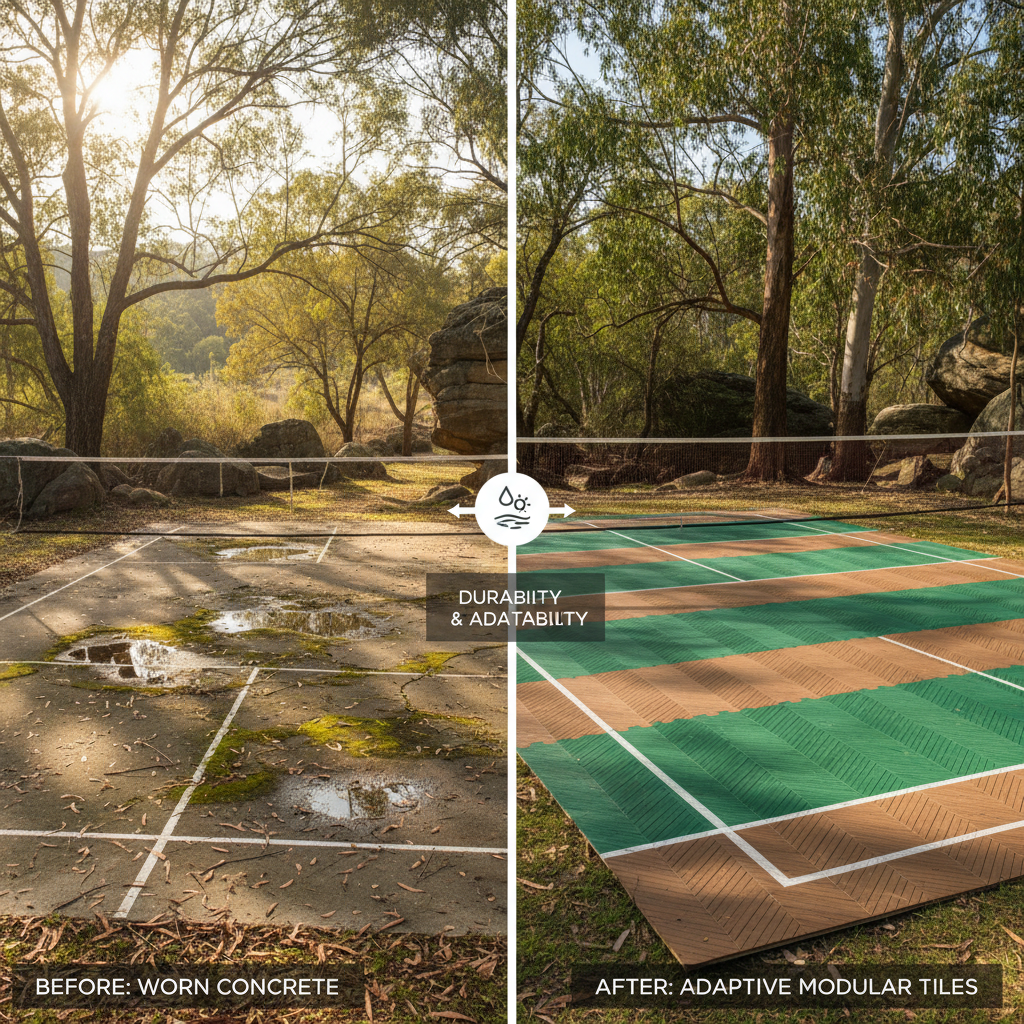
Different environments require different solutions. For instance, high-traffic schools often prefer PP interlocking tiles for their ease of installation and ruggedness, whereas professional tournaments exclusively use PVC sports flooring for its superior energy return and adherence to BWF regulations.
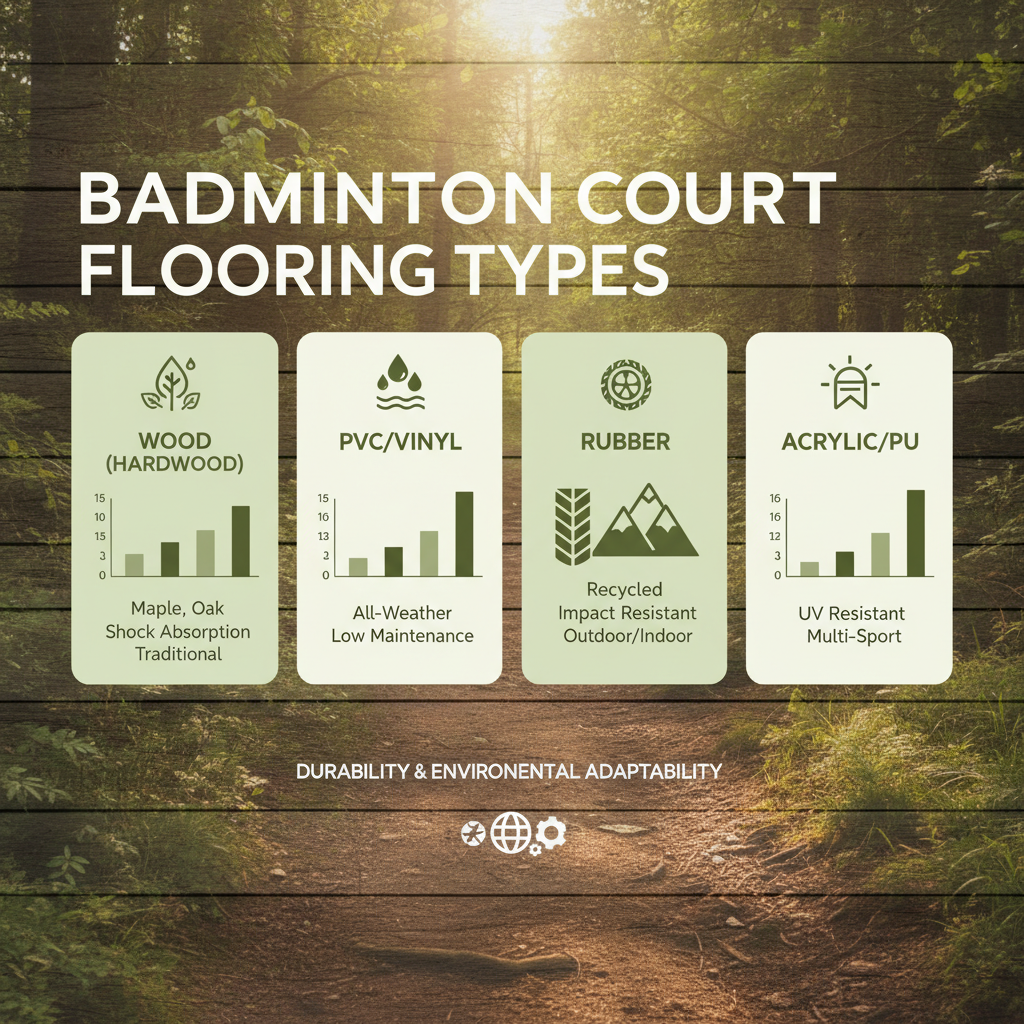
Analyzing these badminton court flooring types side-by-side reveals a clear trade-off between initial cost and athletic performance. While timber floors offer a classic feel and excellent bounce, they require climate-controlled environments to prevent warping, making synthetic alternatives more attractive for multi-purpose halls.
Performance Rating of Various Badminton Court Flooring Types
Global Applications and Real-World Use Cases
In professional sports complexes across Europe and Asia, the implementation of specialized badminton court flooring types is non-negotiable. These venues typically use a "floating" PVC system laid over a wooden subfloor, creating a dual-layer cushion that absorbs the high-impact landings typical of professional play, thus extending the careers of athletes.
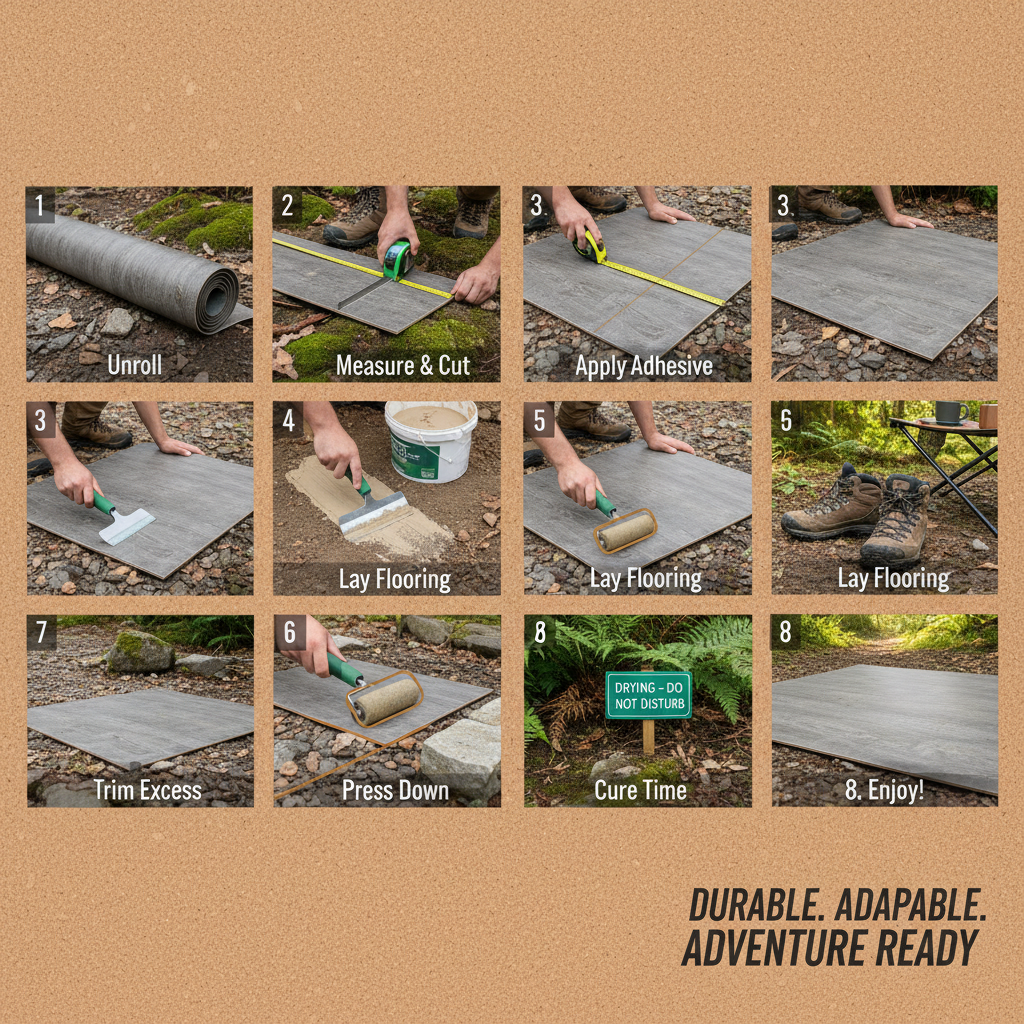
Conversely, in remote industrial zones or community-led projects in developing regions, modular PP interlocking tiles are the gold standard. These systems allow for rapid deployment without the need for professional adhesives or specialized crews, enabling the quick establishment of sports facilities in areas where permanent infrastructure is lacking, fostering community health and social cohesion.
Long-Term Value and Sustainability Benefits
Investing in high-quality badminton court flooring types provides tangible economic value over time. While the initial expenditure for a premium PVC or engineered wood floor is higher, the reduction in maintenance frequency and the elimination of costly resurfacing every few years result in a lower total cost of ownership (TCO).
From a sustainability perspective, the industry is moving toward recyclable polymers and phthalate-free materials. Modern synthetic courts are now designed for circularity, meaning that at the end of their lifecycle, the materials can be granulated and repurposed into new sports surfaces or industrial rubber products, reducing the environmental footprint of sports infrastructure.
There is also an emotional value associated with professional flooring; it builds trust and confidence in the players. When an athlete steps onto a floor that feels consistent and secure, their mental focus shifts from "will I slip?" to "how will I win?", which is the ultimate goal of any high-performance sporting environment.
Future Trends in Court Surface Innovation
The next generation of badminton court flooring types is integrating "smart" technologies. We are seeing the emergence of sensor-embedded flooring that can track player movement and footwork patterns in real-time, providing data-driven insights to coaches and helping athletes refine their court coverage and reaction times.
Furthermore, material science is introducing graphene-enhanced polymers to increase the wear resistance of the top layer without increasing thickness. This allows for a thinner, more lightweight floor that retains the durability of much heavier systems, making the transport and installation of professional courts more efficient and eco-friendly.
As digital transformation continues, we can expect a shift toward customized acoustic flooring that minimizes the echoing effect in large halls, improving the auditory experience for both players and spectators. This holistic approach to court design ensures that the flooring is no longer just a surface, but a performance-enhancing tool.
Summary of Key Specifications for Different Badminton Court Flooring Types
| Flooring Material |
Shock Absorption |
Installation Speed |
Maintenance Level |
| Professional PVC |
Very High |
Moderate |
Low |
| Maple Wood |
High |
Slow |
High |
| PP Interlocking |
Medium |
Very Fast |
Very Low |
| Vinyl Sheet |
Medium |
Moderate |
Low |
| Rubberized Tile |
High |
Fast |
Low |
| Acrylic Coated |
Low |
Moderate |
Moderate |
FAQS
For professional competition, a high-grade PVC sports floor is widely considered the best. It offers the precise balance of shock absorption and surface grip required by BWF standards, significantly reducing the risk of injury during high-intensity movements and providing consistent shuttlecock bounce.
Yes, PP interlocking tiles are an excellent choice for multi-purpose or budget-conscious permanent installations. While they may not offer the same extreme cushioning as a professional PVC mat, they are incredibly durable, easy to replace if damaged, and require almost no long-term maintenance.
Most synthetic badminton court flooring types require simple daily maintenance. A vacuum or soft-bristle broom removes dust, and a damp mop with a pH-neutral cleaner is sufficient for deep cleaning. Avoid harsh chemical solvents that can degrade the PVC wear layer over time.
Wood remains a premium option, especially in prestigious clubs. It provides a natural "spring" and aesthetic appeal. However, it requires strict humidity control and regular sanding/refinishing, which is why many facilities are switching to synthetic badminton court flooring types for efficiency.
Depending on the usage volume, a professional PVC mat typically lasts between 5 to 10 years. With proper maintenance and the use of non-marking shoes, the wear layer can maintain its grip and color for a decade before needing replacement.
Slipping is usually caused by dust buildup or moisture. Regular cleaning and ensuring all players wear gum-rubber non-marking shoes are the best solutions. If the floor has become too smooth over time, some synthetic floors can be treated with specialized grip-enhancing cleaners.
Conclusion
Selecting from the various badminton court flooring types is more than a construction decision; it is a commitment to athlete safety and operational efficiency. By balancing the technical requirements of shock absorption and friction with the practicalities of cost and maintenance, facility owners can create an environment that enhances performance and prevents injury.
Looking ahead, the integration of sustainable materials and smart technology will continue to redefine the boundaries of sports surfaces. We encourage facility managers to prioritize long-term value over initial cost, ensuring that their investment supports the health and growth of the badminton community for years to come. For professional guidance and high-quality flooring solutions, visit our website: www.langningsportsfloor.com