


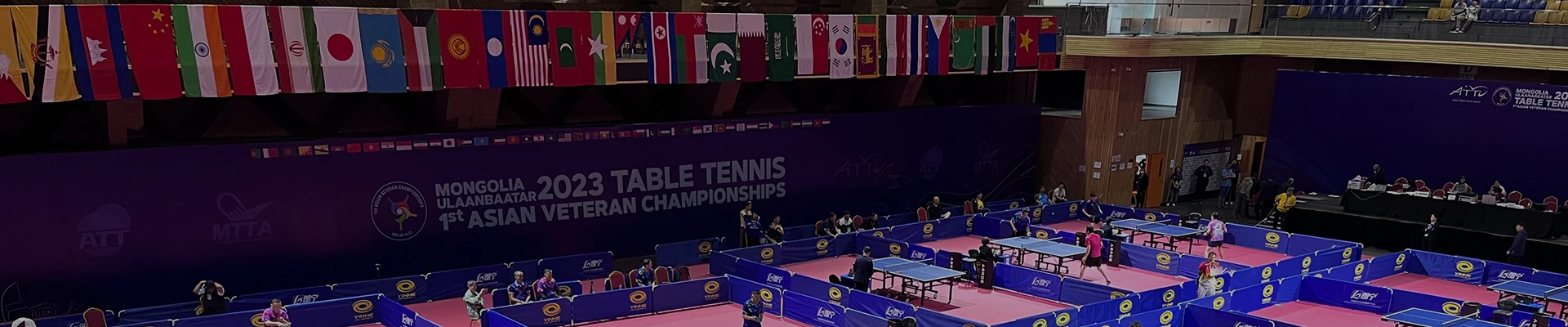
Indoor Basketball Court Flooring Cost – A Complete Guide to Materials, Installation & Value
Understanding Indoor Basketball Court Flooring Cost: What It Means in Today’s World
If you've ever stepped onto a smooth, springy basketball court indoors, you probably appreciated the comfort without giving much thought to the flooring beneath your shoes. But indoor basketball court flooring cost is a surprisingly important topic — not just for the sports facility managers, but also for architects, schools, communities, and even international development projects. Why? Because choosing the right flooring influences performance, safety, longevity, and ultimately the return on investment for facilities worldwide.
Globally, indoor sports infrastructure is booming. According to the International Olympic Committee and various sports development agencies, the demand for quality indoor courts is growing exponentially, especially in urban and suburban areas of Asia, Africa, and Latin America. With the rising popularity of basketball, indoor court flooring has become a critical yet often overlooked cost factor. Understanding these costs helps stakeholders make informed decisions in construction, maintenance, and upgrades — and the right choice can even ripple into social impact, youth engagement, and community health.
Why Does Indoor Basketball Court Flooring Cost Matter Globally?
Indoor basketball courts are more than just places to play — they are community hubs, talent incubators, and sometimes lifelines in harsh climates where outdoor courts are impractical. According to the UN's latest urban development report, indoor sports facilities contribute importantly to youth development and urban health strategies.
However, maintaining quality indoor flooring comes with challenges: climate control, foot traffic durability, safety standards, and budget limits. Sports organizations and urban planners often wrestle with allocating budgets smartly while delivering a safe, quality experience. Indoor basketball court flooring cost thus reflects broader challenges of urban infrastructure development, especially in resource-constrained settings.
Indoor Basketball Court Flooring Cost: What Does It Really Mean?
Simply put, indoor basketball court flooring cost refers to all expenses tied to acquiring, installing, and maintaining flooring materials optimized for indoor basketball play. This includes the initial purchasing price of flooring materials (such as hardwood, synthetic, or modular surfaces), labor for installation, ongoing cleaning, repairs, and eventual replacement cycles.
It’s more than just “buying some wood or rubber.” The cost factors reflect important trade-offs: durability vs upfront price, injury prevention vs maintenance, and even environmental impact. For instance, some modern polyurethane materials offer superior shock absorption, potentially lowering injury rates but may cost more initially. So, understanding these costs is crucial for schools planning their budgets or NGOs considering sports infrastructure in developing areas.
Core Factors Influencing Indoor Basketball Court Flooring Cost
1. Material Type and Quality
Hardwood (often maple) remains the gold standard for professional courts — prized for its feel and ball bounce. It’s expensive but durable if maintained. On the other hand, synthetic surfaces (vinyl, polyurethane) gained popularity for their cost-effectiveness and ease of maintenance, although the playing experience can differ.
2. Installation Complexity and Labor
Costs rise with the complexity of installation. For example, a subfloor might be required to cushion the surface and prevent moisture damage. Custom court markings and logos add labor and material expenses, affecting the final figure.
3. Maintenance and Longevity
Flooring cost doesn’t stop at installation. Large facilities often budget annually for resurfacing, polishing, or replacing damaged sections. Synthetic floors may last 8-12 years, hardwood somewhat longer if maintained well, but these timelines greatly influence the lifecycle cost.
4. Safety and Compliance Standards
Modern courts must meet standards for slip resistance, shock absorption, and sometimes fire safety. Flooring systems aligning with ISO or ASTM standards might cost more upfront but mitigate liability and improve player safety significantly.
5. Environmental Factors
Climate control inside the facility affects flooring durability; humid or dry climates require different materials or maintenance routines. Also, “green” certifications (like LEED) increasingly play into decision-making, potentially influencing upfront costs.
Mini takeaway: When budgeting indoor basketball court flooring cost, it’s vital to think beyond initial purchase to long-term maintenance, safety, and material quality.
Where and How Is Indoor Basketball Court Flooring Cost Relevant Around the World?
Indoor basketball courts appear in wildly different settings — from high-end arenas in the US or Europe, to community centers in Nairobi, to schools in Southeast Asia. Each context brings unique cost challenges and benefits.
- Urban schools in the US and Canada emphasize long-term durability and player safety, often opting for classic hardwood floors despite higher cost.
- Emerging markets in Africa and India may lean toward modular synthetic systems that are quicker to install and maintain—important where technical skillsets and budgets are limited.
- Disaster recovery zones sometimes utilize portable, modular flooring to rapidly build safe recreational spaces as part of community rebuilding efforts.
One interesting example: a youth center in Manila replaced an old concrete slab with a synthetic court costing about 35% less than hardwood. The synthetic floor is cheaper, easier to clean in a humid environment, and delivered similar playing quality.
Advantages and Long-Term Value of Investing in Quality Indoor Court Flooring
It’s tempting to pinch pennies and pick the cheapest floor, but investing adequately yields tangible benefits:
- Enhanced player safety: Reduced injuries from slips or impact are priceless, saving on medical costs and creating happier, more confident athletes.
- Durability: A floor designed to last means fewer closures for repairs — a real win for facilities with busy schedules.
- Community pride and usability: High-quality floors bring participants back and attract events or tournaments, generating revenue and social value.
- Environmental sustainability: New materials increasingly feature recyclability and low VOC emissions, supporting green building certifications.
Basically, the initial indoor basketball court flooring cost is a down payment on safety, durability, and community vibrancy.
Trends Shaping the Future of Indoor Basketball Court Flooring Cost
Looking ahead, the industry is buzzing with innovation:
- Smart Floors: Embedded sensors track usage, wear, and even player movement — helping manage maintenance and optimize flooring lifespan.
- Eco-friendly Materials: Bio-based polymers and sustainably harvested hardwoods reduce environmental footprints.
- Modular and Portable Systems: Allowing rapid installation, reuse, and flexible spaces, these systems appeal to temporary event planners and growing communities.
- Digital Planning Tools: Advanced software helps estimate total life cycle cost transparently, helping clients avoid surprises.
Common Challenges and How To Address Them
Despite advances, challenges persist:
- Budget constraints: Many schools and organizations struggle to fund top-tier flooring upfront.
- Maintenance knowledge gaps: Especially in less developed regions, lack of proper care shortens floor lifespan.
- Moisture & Climate Damage: Without proper climate control, floors degrade faster.
Solutions include flexible financing options, training caretakers, and choosing materials suited to local conditions. Many flooring vendors now offer remote support or bundled maintenance packages — sort of like preventative care for your court.
Indoor Basketball Court Flooring Cost: FAQ
- Q: What’s the average cost to install an indoor basketball court floor?
- A: Costs vary widely by material and location but typically range from $10 to $25 per square foot for installation alone. Hardwood floors lean toward the higher end, while synthetic options can be 30–50% cheaper initially.
- Q: How often should indoor basketball floors be resurfaced or replaced?
- A: Hardwood courts generally need resurfacing every 5–7 years, with full replacement around 20–25 years. Synthetic floors often last 8–12 years before major work is needed.
- Q: Are modular flooring systems suitable for professional play?
- A: Modular floors have improved significantly; some meet international sports federation standards and are ideal for multipurpose facilities or events requiring quick setup.
- Q: How do safety standards impact flooring cost?
- A: Flooring that meets ASTM or ISO safety and slip resistance standards tends to cost more upfront but offers long-term savings by reducing injury risks and liability.
- Q: Can indoor basketball court flooring cost be reduced without sacrificing quality?
- A: Careful planning, choosing location-appropriate materials, and investing in preventative maintenance can help manage costs without large compromises on quality or safety.
Product Specifications Table
| Feature | Hardwood Maple Floor | PU Synthetic Floor | Modular Portable Floor |
|---|---|---|---|
| Initial Cost per sq.ft | $18 - $25 | $10 - $14 | $12 - $16 |
| Lifespan | 20–25 years | 8–12 years | 5–10 years |
| Maintenance | Annual resurfacing | Periodic cleaning, minor repairs | Regular inspection, tile replacement |
| Shock Absorption | High | Medium-High | Medium |
| Installation Time | 4-6 weeks | 2-3 weeks | Few days to 1 week |
Vendor Comparison: Popular Flooring Solutions for Indoor Courts
| Vendor | Product Type | Key Benefits | Average Cost per sq.ft |
|---|---|---|---|
| Langning Sports | PU Synthetic with Shock Pads | Durable, quick install, eco-friendly | $12 - $15 |
| MaplePro Floors | Hardwood Maple Courts | Premium quality, professional standard | $20 - $25 |
| SportMod Solutions | Modular Tile Flooring | Portable, fast setup, affordable | $12 - $16 |
Wrapping Up: Why Knowing the Indoor Basketball Court Flooring Cost Pays Off
Indoor basketball court flooring cost, while complex, is a pivotal factor in designing, building, and sustaining quality sports facilities. It’s not simply about budgets — it’s about creating safe, durable, and enjoyable courts that can serve communities for decades. Whether you're an urban planner, school administrator, or NGO project leader, understanding these costs helps you select the right materials and vendor, plan maintenance smartly, and avoid unpleasant surprises.
If you’re curious to explore detailed options and estimates, do visit our website: indoor basketball court flooring cost. There, you’ll find the latest on materials, expert advice, and tailored solutions to match your needs and budget.
References & Further Reading
-
Premium Outdoor Dance Floor for Sale Professional Event SurfacesNewsApr.16,2026
-
Premium Professional White Dance Floor for Sale and Buying GuideNewsApr.09,2026
-
Find Your Perfect Portable Dance Floor for Sale and Create Unforgettable EventsNewsApr.07,2026
-
Find High Quality Dance Flooring for Sale and Expert GuidanceNewsApr.04,2026
-
Comprehensive Guide to Durable Commercial Vinyl Solutions for BusinessesNewsMar.31,2026
-
Comprehensive Commercial Flooring Management for Business LongevityNewsMar.28,2026
-
Comprehensive Guide to Selecting the Right Commercial Flooring MaterialsNewsMar.26,2026