The global demand for high-performance surface solutions has led to a significant surge in the adoption of vinyl pvc flooring roll, a versatile material that bridges the gap between aesthetic appeal and industrial durability. In an era where urban infrastructure and sports facilities require rapid deployment and low maintenance, this flooring solution has become a cornerstone for architects and facility managers worldwide.
Understanding the technical composition of a vinyl pvc flooring roll is essential for ensuring long-term performance, especially in high-traffic environments. By utilizing advanced polymer science, these rolls provide a seamless barrier that protects subfloors while offering specific ergonomic benefits, such as shock absorption and slip resistance, which are critical for safety and operational efficiency.
Whether applied in a professional sports arena, a medical facility, or a commercial hub, the strategic choice of vinyl pvc flooring roll impacts not only the visual identity of a space but also the health and safety of its occupants. This guide explores the comprehensive landscape of PVC rolls, from their technical specifications to their evolving role in sustainable construction.
Global Context and Industry Relevance of Vinyl PVC Flooring Roll
On a global scale, the construction and interior design industries are shifting toward materials that offer a balance of speed and stability. The vinyl pvc flooring roll has emerged as a primary solution, particularly in emerging markets where rapid urbanization requires scalable flooring that can be installed with minimal downtime. According to international building standards and ISO guidelines, the ability of synthetic flooring to maintain hygienic conditions makes it indispensable for modern public infrastructure.
However, the industry faces a recurring challenge: balancing the high-performance requirements of professional sports or medical environments with the need for cost-effective procurement. This tension has driven the evolution of PVC rolls from basic plastic sheets to complex, multi-layered engineering products capable of absorbing high impact and resisting chemical erosion, effectively solving the problem of premature floor degradation in high-stress zones.
Defining the Technical Nature of Vinyl PVC Flooring Roll
In simple terms, a vinyl pvc flooring roll is a continuous sheet of polyvinyl chloride (PVC) reinforced with stabilizers, plasticizers, and often a glass fiber layer to prevent shrinkage. Unlike tiled options, the roll format allows for a seamless installation, which is a critical requirement in environments where dust, bacteria, or moisture cannot be allowed to penetrate the seams of the floor.
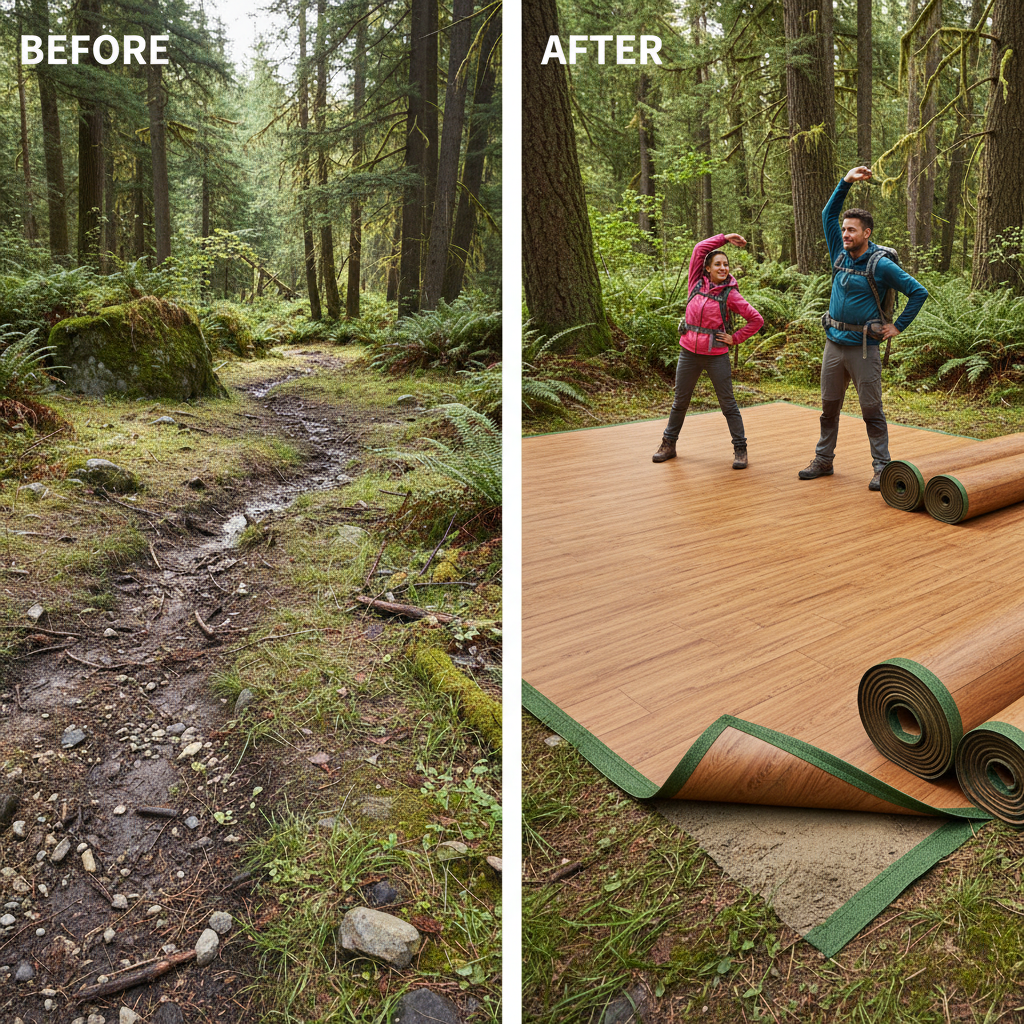
Beyond the basic chemistry, these rolls are engineered to serve specific humanitarian and industrial needs. For instance, in temporary medical clinics or disaster-relief shelters, the ease of transporting and deploying a vinyl roll ensures that a sterile, waterproof environment can be established in hours rather than days, providing dignity and safety to vulnerable populations.
Modern iterations of the vinyl pvc flooring roll also integrate acoustic layers. By incorporating a foam backing, the material reduces noise transmission—a vital feature for indoor sports halls and multipurpose school buildings where sound reverberation can hinder communication and concentration.
Core Components for Maximum Performance
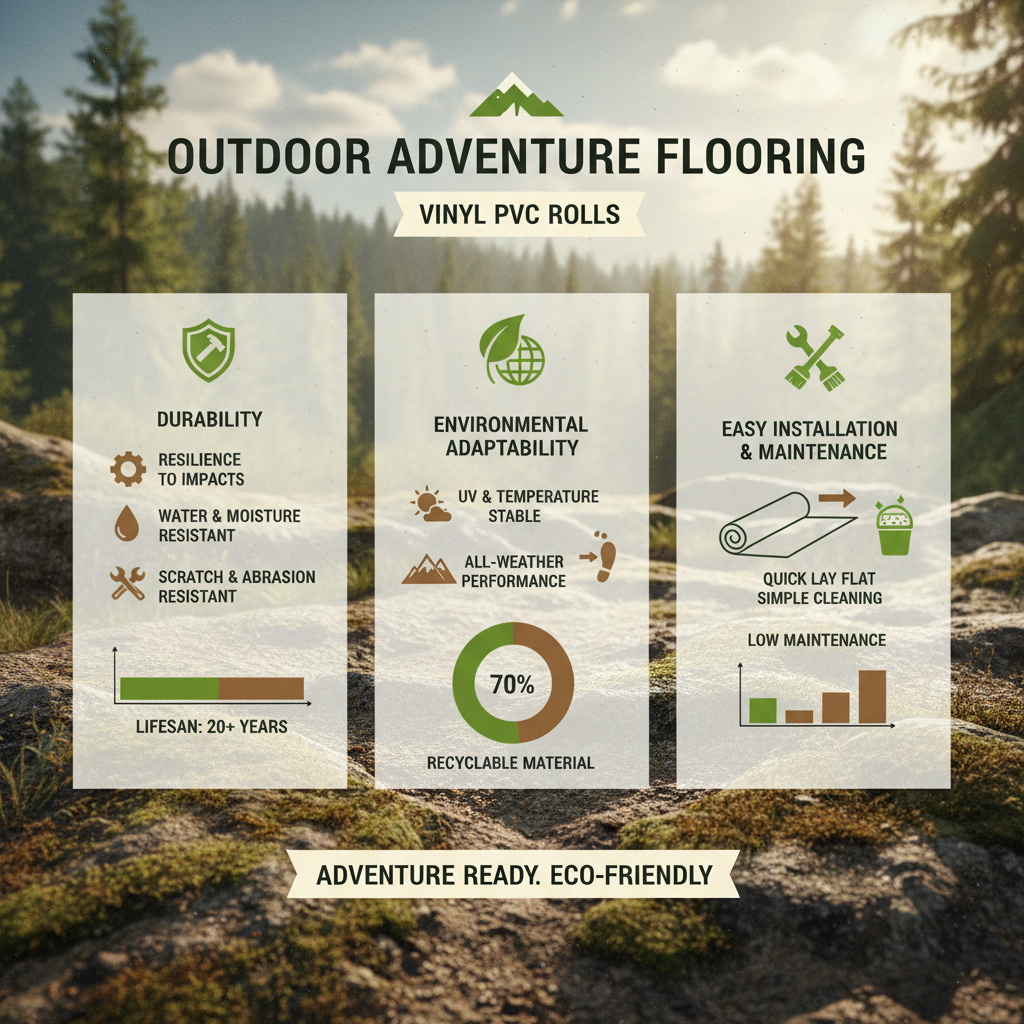
The effectiveness of a vinyl pvc flooring roll depends heavily on its wear layer. This top layer is the first line of defense against abrasion, scratches, and stains. High-quality rolls utilize a dense, transparent PVC layer treated with UV inhibitors to ensure that the flooring does not fade or wear thin even under the constant friction of athletic shoes or heavy equipment.
Another critical factor is the dimensional stability provided by the internal core. A premium vinyl pvc flooring roll often includes a polyester or fiberglass mesh. This reinforcement prevents the material from expanding or contracting excessively during temperature fluctuations, which is essential for maintaining a flat, trip-hazard-free surface in large-scale commercial installations.
Finally, the integration of shock-absorbing properties cannot be overlooked. For sports-specific applications, the roll is often constructed as a "cushioned" vinyl, where an integrated foam layer reduces the impact on athletes' joints. This combination of surface hardness for ball bounce and internal softness for player safety defines the modern standard of the vinyl pvc flooring roll.
Practical Applications and Global Use Cases
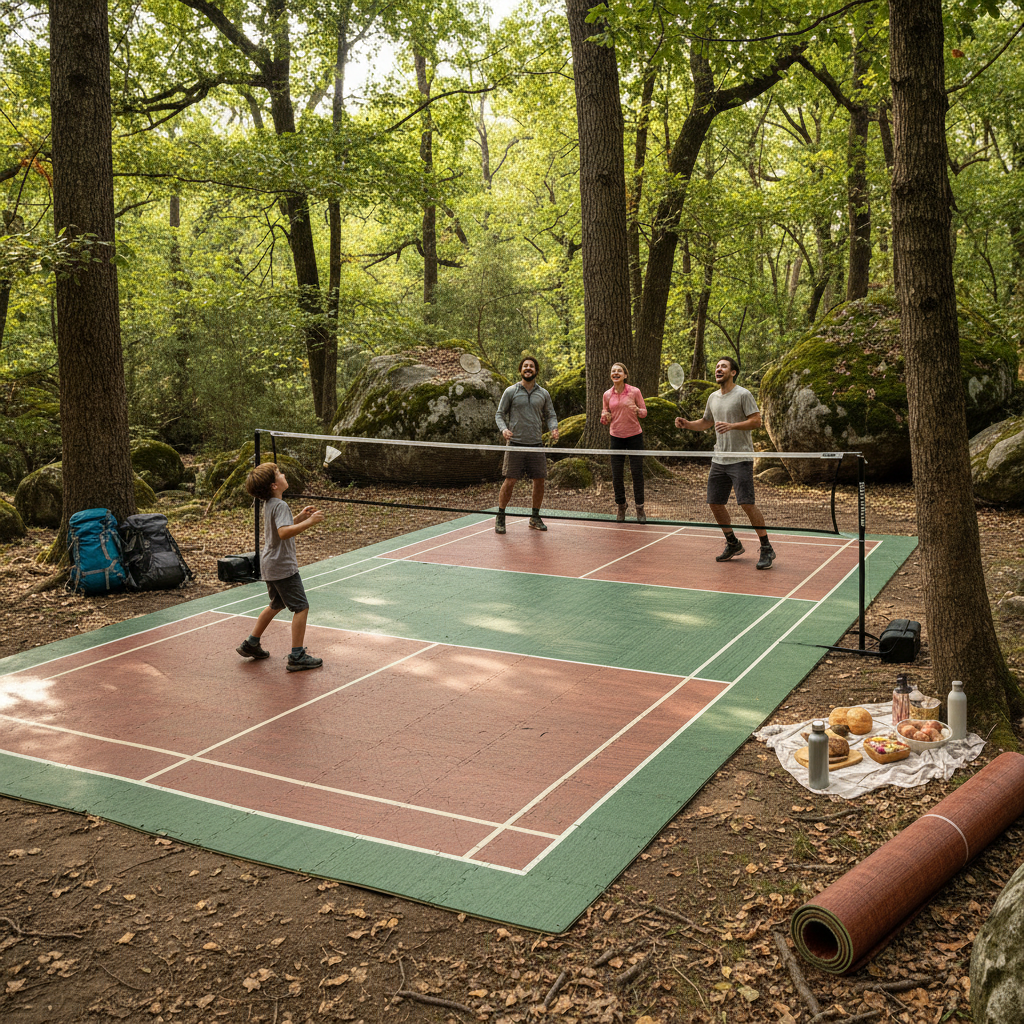
The versatility of the vinyl pvc flooring roll allows it to be deployed across vastly different sectors. In North America and Europe, it is frequently used in high-end commercial flooring and dance studios, where the balance between friction and slide is meticulously calibrated. Meanwhile, in the Asia-Pacific region, there is a massive adoption of these rolls for school gymnasiums and multipurpose indoor sports flooring due to their cost-to-durability ratio.
Real-world application is perhaps most evident in specialized industrial zones and healthcare facilities. In sterile environments, the "coved" installation—where the vinyl pvc flooring roll curves up the wall—eliminates 90-degree corners where grime typically accumulates. This is a standard requirement for ISO-certified cleanrooms and hospital operating theaters to maintain surgical-grade hygiene.
Performance Metrics of Vinyl PVC Flooring Roll Variants
Long-Term Value and Economic Advantages
Investing in a high-quality vinyl pvc flooring roll offers a compelling logical and emotional value proposition. From a financial perspective, the "life-cycle cost" is significantly lower than traditional hardwood or carpet. Because it is non-porous and seamless, the need for expensive deep-cleaning chemicals and frequent replacements is minimized, leading to a higher return on investment over a 10-to-15-year span.
Beyond the numbers, there is a profound impact on user trust and safety. In a sports context, a reliable vinyl pvc flooring roll provides the consistent grip and bounce necessary to prevent injuries. This reliability fosters a sense of professional security for athletes and peace of mind for facility owners, knowing that their environment meets the highest safety and innovation standards.
Future Trends in Sustainable Flooring Innovation
The future of the vinyl pvc flooring roll is inextricably linked to the "Green Building" movement. We are seeing a transition toward bio-based plasticizers and the integration of recycled PVC content. Manufacturers are now focusing on phthalate-free compositions to ensure that the air quality in indoor spaces—especially kindergartens and schools—remains free of Volatile Organic Compounds (VOCs).
Digital transformation is also touching the flooring industry. Smart vinyl pvc flooring roll prototypes are being developed with embedded sensors to monitor foot traffic patterns and floor temperature. This data allows facility managers to optimize cleaning schedules and energy use, blending traditional materials with IoT (Internet of Things) capabilities.
Furthermore, the move toward a circular economy means that "take-back" programs are becoming common. Companies are developing ways to dismantle old vinyl pvc flooring roll installations and re-process the material into new rolls, drastically reducing landfill waste and the carbon footprint associated with virgin PVC production.
Overcoming Implementation Challenges
Despite its benefits, the installation of a vinyl pvc flooring roll can be challenging if the subfloor is not perfectly prepared. Moisture trapped beneath the vinyl can lead to bubbling or adhesive failure. To overcome this, experts recommend the use of moisture-barrier primers and rigorous leveling compounds to ensure a mirror-smooth base before the roll is laid.
Another common limitation is the perception that PVC is "plastic" and therefore lacks the prestige of natural materials. However, innovative printing technologies now allow vinyl pvc flooring roll to mimic the exact grain of oak, the texture of stone, or the vibrancy of a professional Olympic track, providing the aesthetic of luxury with the performance of synthetic engineering.
Finally, maintaining the seams in exceptionally large halls requires precision welding. Heat-welding the joints of the vinyl pvc flooring roll creates a monolithic surface that is completely waterproof. By training installation teams in these specialized techniques, the risk of seam separation is virtually eliminated, ensuring the floor remains a cohesive unit for decades.
Comparison of Vinyl PVC Flooring Roll Specifications across Use-Cases
| Application Sector |
Wear Layer Thickness |
Shock Absorption |
Water Resistance |
| Professional Basketball |
0.5mm - 0.7mm |
High (4mm+ foam) |
Excellent |
| Hospital Ward |
0.3mm - 0.5mm |
Medium (Comfort) |
Total/Seamless |
| Commercial Office |
0.4mm - 0.6mm |
Low/Standard |
High |
| Industrial Workshop |
0.7mm - 1.0mm |
Low (Hard core) |
Chemical Resistant |
| Kindergarten |
0.3mm - 0.4mm |
Very High (Soft) |
High |
| Dance Studio |
0.5mm |
Medium (Balanced) |
High |
FAQS
The primary advantage is the lack of seams. In a vinyl pvc flooring roll, the continuous surface prevents liquids and bacteria from seeping into the subfloor, which is critical for hygiene. Additionally, the installation process is generally faster and provides a more consistent acoustic experience compared to individual tiles.
Depending on the wear layer thickness and the traffic volume, a professional-grade roll can last between 10 to 20 years. Commercial and sports-grade rolls with thicker wear layers (0.5mm+) are designed to withstand intense daily use while maintaining their aesthetic and structural integrity.
Modern manufacturing has significantly improved sustainability. Many current rolls use phthalate-free plasticizers and incorporate recycled materials. Furthermore, their long lifespan and low maintenance requirements reduce the frequency of replacement, lowering the overall environmental impact compared to shorter-lived flooring options.
Yes, it is possible, provided the existing surface is flat, dry, and stable. However, we strongly recommend removing old carpeting or unstable tiles first. Any irregularities in the base will telegraph through the vinyl, potentially causing unsightly bumps or premature wear in the roll.
Maintenance involves regular dust mopping and the use of pH-neutral cleaners. Avoid abrasive scrubbing pads or harsh solvents that could strip the wear layer. For professional sports courts, periodic deep cleaning and checking the weld seams ensure the floor continues to provide optimal grip and safety.
Most manufacturers provide standardized shipping rolls that are protected by reinforced cores to prevent deformation. When importing, it is important to verify that the product meets local fire safety and emission standards (such as FloorScore or GREENGUARD). Partnering with an experienced supplier ensures seamless logistics and customs clearance.
Conclusion
The vinyl pvc flooring roll represents a perfect synergy of material science and practical design, offering an unparalleled combination of durability, hygiene, and versatility. From its critical role in medical sterility and athletic safety to its evolving path toward sustainability and digital integration, this flooring solution has proven itself as an essential asset for modern infrastructure.
As we move toward a future of smarter and greener cities, the continued innovation in PVC polymer technology will likely make these rolls even more efficient and eco-friendly. For those looking to upgrade their facilities, prioritizing a high-quality, reinforced vinyl roll is not just a flooring choice, but a strategic investment in longevity and user well-being. Visit our website: www.langningsportsfloor.com