


Comprehensive Guide to Selecting the Best Commercial Floor Covering Options
Choosing the Right Commercial Floor Covering Options
Selecting the right commercial floor covering options is a critical decision for any business. Your flooring impacts aesthetics, safety, durability, and even your brand image. With a vast array of choices available – from resilient vinyl to luxurious carpets – it’s essential to understand the unique properties of each type to make an informed decision. This article explores various commercial floor covering options, highlighting their pros, cons, and suitability for different business needs. We'll help you navigate the world of commercial flooring to find the perfect fit for your space and budget.
Understanding Different Types of Commercial Flooring
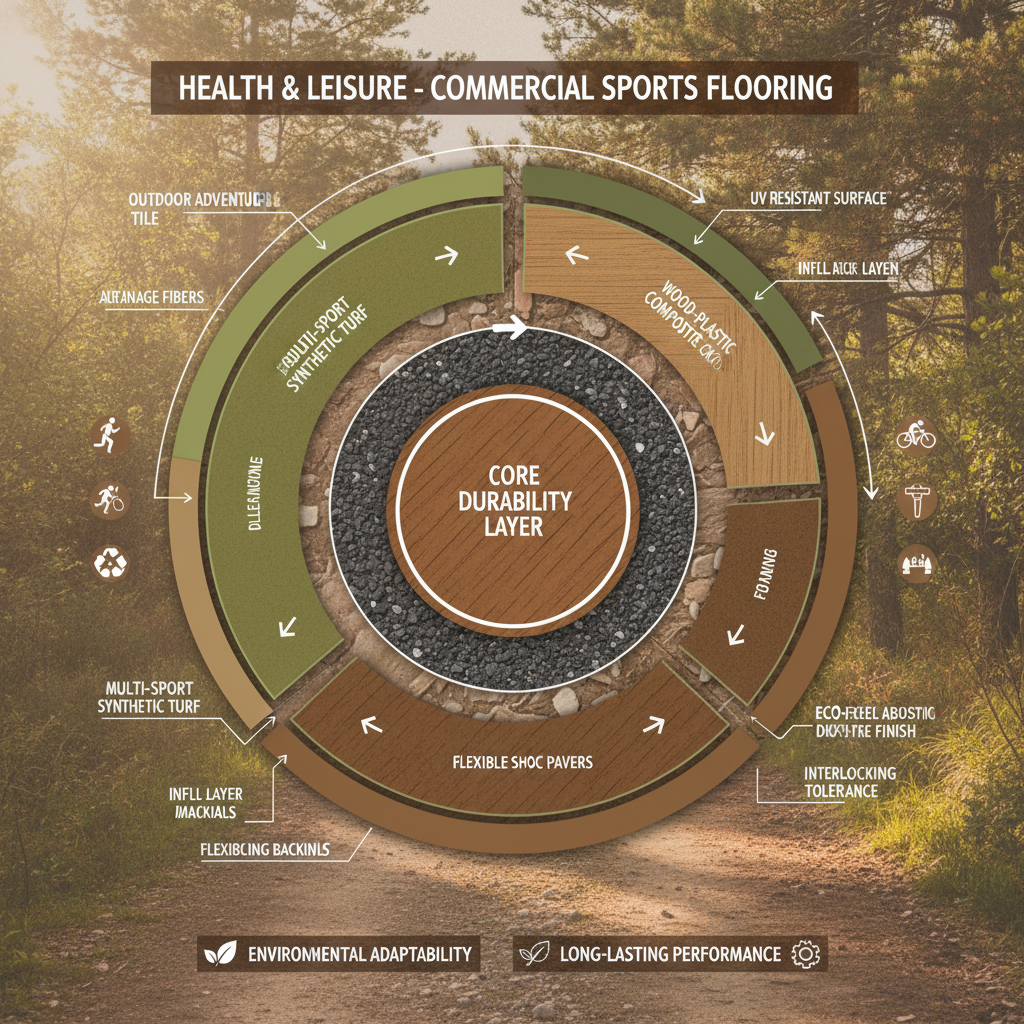
The world of commercial flooring extends far beyond basic tiles. Each material offers a different blend of characteristics suited to varying levels of foot traffic, industry-specific demands, and aesthetic preferences. Consider factors like maintenance requirements, cost, and longevity when evaluating your options. Popular choices include Vinyl Composition Tile (VCT), Luxury Vinyl Tile (LVT), Carpet Tiles, Epoxy Flooring, Rubber Flooring, and Ceramic/Porcelain Tile. Each of these has unique advantages and disadvantages that will determine their suitability for your business. Choosing wisely ensures a durable and attractive floor that aligns with your business's goals.
Key Considerations: Durability, maintenance, cost, aesthetics, and safety are paramount when selecting commercial floor coverings.
Vinyl Composition Tile (VCT) and Luxury Vinyl Tile (LVT) – A Detailed Comparison
Both VCT and LVT are popular choices for commercial settings, but they differ significantly in composition and performance. VCT is an economical option known for its durability and resistance to wear. However, it requires regular waxing and polishing to maintain its appearance. LVT, on the other hand, offers a more realistic aesthetic, often mimicking wood or stone. It’s also more water-resistant and requires less maintenance than VCT. The initial cost of LVT is higher, but its longevity and reduced upkeep can make it a cost-effective choice in the long run. For high-traffic areas, both are good choices, but LVT tends to hold up better aesthetically over time.
Carpet Tiles vs. Broadloom Carpet for Commercial Spaces
For areas where comfort and sound absorption are priorities, carpet is a great choice. However, the form matters. Carpet tiles (also known as carpet squares) offer significant advantages over broadloom carpet in commercial settings. Carpet tiles are easier to install, replace (damaged tiles can be swapped out individually), and maintain. They are also more versatile, allowing for creative design possibilities. Broadloom carpet, while offering a seamless look, is more challenging to install and repair. It often requires professional installation and entire room replacements if damaged. The flexibility and ease of maintenance make carpet tiles a more practical solution for most commercial applications.
Other Commercial Flooring Options: Epoxy, Rubber, and Tile
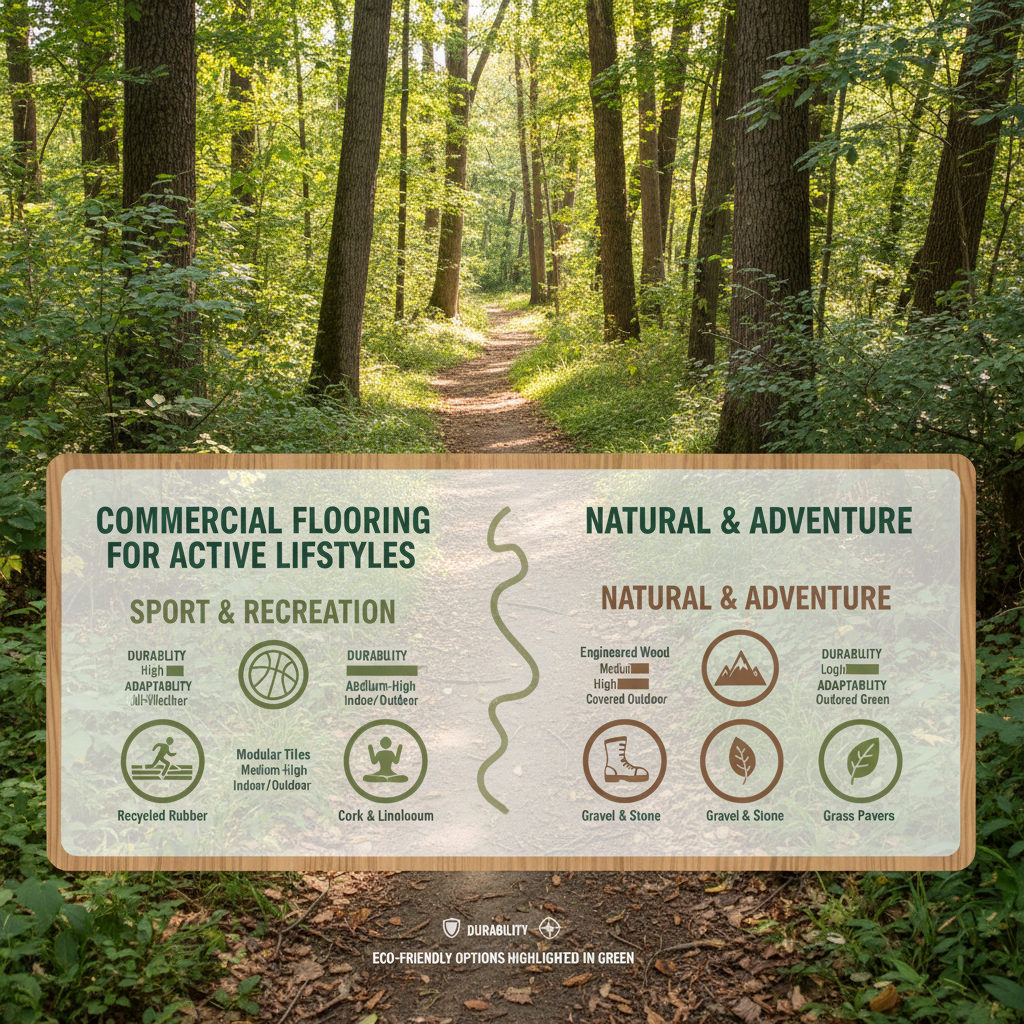
Beyond vinyl and carpet, several other options cater to specialized needs. Epoxy flooring is incredibly durable and chemical-resistant, making it ideal for industrial settings, laboratories, and garages. Rubber flooring offers excellent cushioning and slip resistance, often used in gyms, playgrounds, and healthcare facilities. Ceramic and porcelain tile provide a sophisticated, long-lasting solution for high-end retail spaces, lobbies, and restrooms. The choice depends heavily on the specific environment and the demands placed on the flooring. Langning Sports offers a diverse range of these options, expertly tailored to your commercial project.
Factors to Consider When Choosing Commercial Flooring
Before making a final decision, carefully assess your specific needs. Foot traffic levels are a primary concern – high-traffic areas require more durable materials. Consider the potential for spills and moisture, as some materials are more water-resistant than others. Also, factor in the aesthetic of your space and your brand identity. Finally, don't overlook the long-term cost of ownership, including installation, maintenance, and replacement. A well-informed decision will result in a flooring solution that looks great, performs reliably, and provides excellent value over time.
Conclusion: Finding the Perfect Commercial Floor Covering
Choosing the right commercial floor covering options is a significant investment that impacts both the functionality and aesthetics of your business space. By carefully considering your specific needs, budget, and aesthetic preferences, you can select a flooring solution that will provide lasting value and enhance your brand image. Don't hesitate to consult with flooring experts at Langning Sports to receive personalized guidance and explore the best options for your project.
Frequently Asked Questions (FAQs)
What is the most durable commercial flooring option?
Epoxy flooring is arguably the most durable commercial flooring option, particularly in industrial settings. Its seamless nature and resistance to chemicals, impacts, and abrasion make it exceptionally long-lasting. However, for other commercial spaces, luxury vinyl tile (LVT) provides excellent durability and a more aesthetically pleasing appearance. Rubber flooring also stands out for its resilience and shock absorption, making it ideal for fitness centers and play areas.
How often should commercial flooring be replaced?
The replacement frequency depends on the type of flooring and the level of foot traffic. Generally, VCT and LVT can last 10-20 years with proper maintenance. Carpet tiles typically have a lifespan of 5-10 years. Epoxy flooring can last 20+ years. Regular inspection and prompt repair of damaged areas can extend the life of any flooring type. It's also important to consider wear and tear on the aesthetic appearance – a floor may still be functional but may require replacement to maintain a professional image.
What are the best flooring options for healthcare facilities?
Healthcare facilities require flooring that is hygienic, durable, and easy to clean. Rubber flooring is an excellent choice due to its slip resistance, cushioning, and antimicrobial properties. Vinyl flooring, particularly sheet vinyl, is also popular for its seamlessness and resistance to moisture. Epoxy flooring is suitable for laboratories and areas requiring chemical resistance. Avoiding carpets is generally recommended in healthcare settings due to their potential to harbor bacteria and allergens.
How does flooring impact sound levels in a commercial space?
Flooring plays a crucial role in sound absorption. Carpets, especially with a thick underlayment, are excellent at reducing noise levels. Rubber flooring also provides good sound dampening. Hard surfaces like tile and concrete tend to reflect sound, increasing noise levels. Consider using acoustic underlayments with hard surface flooring to mitigate this effect. Careful flooring selection can create a more comfortable and productive work environment.
-
Premium Outdoor Dance Floor for Sale Professional Event SurfacesNewsApr.16,2026
-
Premium Professional White Dance Floor for Sale and Buying GuideNewsApr.09,2026
-
Find Your Perfect Portable Dance Floor for Sale and Create Unforgettable EventsNewsApr.07,2026
-
Find High Quality Dance Flooring for Sale and Expert GuidanceNewsApr.04,2026
-
Comprehensive Guide to Durable Commercial Vinyl Solutions for BusinessesNewsMar.31,2026
-
Comprehensive Commercial Flooring Management for Business LongevityNewsMar.28,2026
-
Comprehensive Guide to Selecting the Right Commercial Flooring MaterialsNewsMar.26,2026