


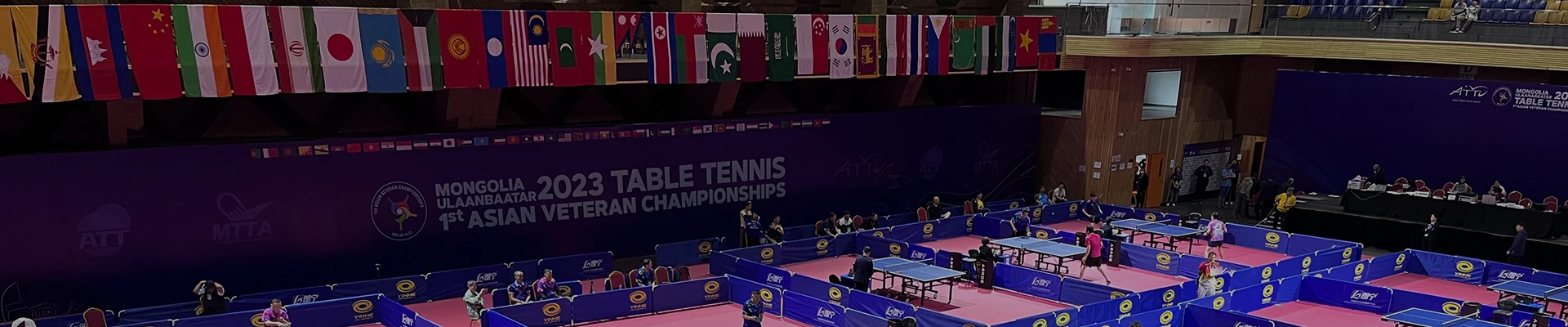
Comprehensive Guide to Floor Mats for Table Tennis: Safety, Performance & Global Trends
Understanding Floor Mats for Table Tennis: Why They Matter Globally
At first glance, a floor mat for table tennis might seem like just an accessory—something you throw down before setting up your paddle and heading for a quick game. But, if you look closer, these mats play a crucial role in the sport’s safety, performance, and accessibility worldwide. Whether you're a community center in Tokyo or a school gym in Nairobi, having the right flooring can make or break the playing experience. This article dives into what makes these mats essential, explores their wide-ranging applications, and why understanding them benefits both enthusiasts and professionals globally.
Mini takeaway: Floor mats for table tennis aren’t just padding; they shape the future of how the sport is played, made available, and enjoyed everywhere from elite clubs to grassroots events.
Global Context: A Growing Need for Quality Floor Mats in Table Tennis
Table tennis is one of the fastest-growing sports globally. According to the International Table Tennis Federation (ITTF), over 300 million people play the game worldwide. Increasingly, countries across Asia, Europe, and the Americas are adopting table tennis both as a competitive sport and a recreational pastime.
However, a major issue that many organizers and venues face is installing flooring that supports player safety, ball bounce consistency, and venue adaptability. A recent ISO report found that improper flooring can cause up to 35% more injuries among amateur players during practice sessions. This problem is particularly pronounced in developing regions, where cost constraints often lead to subpar mats or none at all. That's where specialized floor mat for table tennis solutions step up—they address these challenges with innovation and economy.
Mini takeaway: The worldwide expansion of table tennis highlights the urgent need for floor mats that ensure safe, standardized play amid diverse economic and environmental conditions.
What Exactly Is a Floor Mat for Table Tennis?
Simply put, a floor mat for table tennis is a surface mat designed specifically to provide cushioning, improve player grip, and optimize ball bounce characteristics in indoor or outdoor table tennis settings. Typically made from materials like PVC, rubber, or vinyl composite, these mats aim to reduce wear on both players' joints and equipment.
More broadly, these mats represent a small but meaningful piece of the modern sports equipment industry—balancing cost, durability, and design. In humanitarian or community development contexts, such mats help create safe recreational spaces, improving public health and social cohesion.
Mini takeaway: These mats are a smart solution combining sports science with practical needs, bridging the gap between professional standards and community accessibility.
Key Traits That Make a Great Floor Mat for Table Tennis
Durability and Wear Resistance
Tables don’t move, but players sure do—jumping, lunging, shifting swiftly. Mats must endure continuous friction and impact without degrading quickly. Many manufacturers recommend mats that last 3-5 years under heavy use, factoring in UV resistance for outdoor settings.
Surface Grip and Slip Resistance
A major safety factor. I heard from several coaches that bad grip is the most common cause of foot slips and sprains. The mat’s texture and material composition affect how a player moves confidently without unnecessary fear.
Shock Absorption and Comfort
A soft but firm base means reduced impact on knees and ankles. Players report less fatigue after games played on properly cushioned mats. It’s kind of like the difference between running on concrete versus a rubber track.
Easy Installation and Portability
Especially important for community centers that frequently convert gym spaces. Lightweight, foldable styles with anti-slip backing often get the nod. They enable quick setups for tournaments or casual play alike.
Cost Efficiency
Prices vary widely, but balancing initial cost with mat longevity is key. Cheaper mats might save money upfront but often degrade quickly, creating replacement headaches down the line. Surprisingly, a slightly higher investment often pays off.
Environmental Impact
With sustainability top of mind, many newer mats are made with recycled materials or designed for easy recycling at end-of-life. Certifications from ISO or EU eco-labels cements trust with eco-conscious buyers.
Mini takeaway: In practical terms, you want a mat that’s tough, safe, comfy, economical, and—if possible—environmentally friendly.
Where Are Floor Mats for Table Tennis Used Around the World?
In places like China and Germany, where table tennis is almost a national obsession, venues typically invest heavily in professional-grade flooring. On the other hand, community programs in Africa or South America often rely on affordable but reliable mats to encourage youth participation.
International federations use specialized mats during official competitions to ensure standards are met worldwide. Even disaster relief zones have utilized modular sports mats for temporary recreational areas to boost morale.
Schools, recreation centers, and clubs benefit similarly by providing consistent playing conditions regardless of their geographic or socioeconomic situation.
Mini takeaway: The application of these mats spans from world-class arenas to improvised community gyms, each with their unique demands and benefits.
Advantages and Long-Term Value of Investing in Quality Mats
- Safety: Reduced injury risk translates to fewer game interruptions and more consistent training.
- Performance consistency: Uniform bounce and player footing improve game quality.
- Sustainability: Long-lasting materials and eco-certifications optimize environmental responsibility.
- Social impact: Access to decent sports surfaces encourages participation, health, and community bonding.
- Cost savings: Durable mats mean less frequent replacements — less hassle and expense over time.
Honestly, you can feel the difference when playing on a quality surface. It’s not just tech specs; it’s about passion, pride, and making the game accessible. For venues, this builds trust and positive reputation — especially crucial for emerging sports hubs.
Looking Ahead: New Trends in Floor Mats for Table Tennis
Innovation is bubbling up around biodegradable materials, antimicrobial coatings, and digital integration — like mats embedded with sensors to track player movement and footwork.
Sustainability continues to guide R&D. Manufacturers are exploring natural rubber blends and chlorine-free PVC alternatives to reduce environmental footprints. Some firms are even piloting solar-powered outdoor mats that integrate lighting for nighttime play.
Mini takeaway: The mat industry is quietly transforming, embracing technology and green principles, promising smarter and cleaner playfields soon.
Common Challenges and How the Industry Is Addressing Them
One ongoing headache is balancing affordability with quality—especially when importing to developing countries. Logistical constraints in shipping bulky mats also add to price pressures.
Innovative roll-up or interlocking mats that reduce freight size and enable modular installation have helped. Additionally, NGOs collaborate with manufacturers to subsidize costs and customize mats adapted to local climates.
Another challenge is storing mats properly to avoid warping or damage. Solutions include improved packaging and on-site storage protocols taught during installation training.
FAQ: Everything You Wanted to Know About Floor Mats for Table Tennis
- Q: What should I look for when choosing a floor mat for table tennis?
A: Focus on durability, slip resistance, shock absorption, and ease of installation. Also consider the mat’s thickness (usually 4-6mm is ideal) and whether it meets any safety or environmental certifications. - Q: Can these mats be used outdoors?
A: Some are specifically engineered for outdoor use with UV-resistant materials and stronger wear layers. But ensure compatibility since not all indoor mats tolerate weather well. - Q: How long does a typical floor mat for table tennis last?
A: Roughly 3-5 years under average gym use, though high-end mats can easily last longer if well maintained. - Q: Are eco-friendly floor mats for table tennis available?
A: Yes, manufacturers are producing mats with recycled materials and low-VOC content. Look for certifications like ISO 14001 or EU eco-labels when purchasing. - Q: How do I properly maintain my table tennis floor mat?
A: Clean regularly with mild detergent, avoid drag-heavy equipment across it, and roll mats when stored to prevent creasing. Proper maintenance extends lifespan significantly.
Conclusion: Why the Right Floor Mat Makes All the Difference
To sum it all up, a quality floor mat for table tennis is more than just a playing surface—it’s a quiet enabler of safety, performance, and inclusion. As the sport grows globally, investing in smart flooring is a small step with huge long-term returns, from reducing injuries to boosting grassroots interest.
Curious to find the perfect mat for your table tennis needs? Visit our website for expert advice, recommended products, and tailored solutions. Whether you're outfitting a competition hall or a community club, there’s a floor mat waiting to elevate your game.
Product Specification Table
| Feature | Standard Range | Remarks |
|---|---|---|
| Material | PVC / Rubber Mix | Balance of grip & durability |
| Thickness | 4-6 mm | Optimal cushioning and ball bounce |
| Weight | ~2.5 kg / m² | Portable yet stable |
| Surface Finish | Matte / Slightly textured | Slip resistance certification |
| UV Resistance | Up to 500 hours | For outdoor compatible mats |
| Eco Certification | ISO 14001 / EU Eco-label | Available in premium lines |
Vendor Comparison Table
| Vendor | Price Range (USD/m²) | Material Quality | Eco-Friendliness | Installation Options | Warranty |
|---|---|---|---|---|---|
| Langning Sports | $25 - $40 | High-grade PVC/Rubber | Certified ISO 14001 | Roll-up, modular | 5 years |
| SportPro Mats | $20 - $35 | Mid-tier vinyl composite | Limited eco options | Fixed panels | 3 years |
| Global Play Systems | $30 - $50 | Premium rubber blends | Emerging green line | Interlocking tiles | 7 years |
References
- International Table Tennis Federation (ITTF) – Global participation stats.
- International Organization for Standardization (ISO) – Flooring safety and environment standards.
- United Nations Sustainable Development Goals – Sports and community development.
-
Premium Outdoor Dance Floor for Sale Professional Event SurfacesNewsApr.16,2026
-
Premium Professional White Dance Floor for Sale and Buying GuideNewsApr.09,2026
-
Find Your Perfect Portable Dance Floor for Sale and Create Unforgettable EventsNewsApr.07,2026
-
Find High Quality Dance Flooring for Sale and Expert GuidanceNewsApr.04,2026
-
Comprehensive Guide to Durable Commercial Vinyl Solutions for BusinessesNewsMar.31,2026
-
Comprehensive Commercial Flooring Management for Business LongevityNewsMar.28,2026
-
Comprehensive Guide to Selecting the Right Commercial Flooring MaterialsNewsMar.26,2026