



Comprehensive Guide to Commercial Vinyl Flooring Installation and Selection
Commercial Vinyl Flooring Installation: A Comprehensive Guide
Choosing the right flooring for a commercial space is a significant investment. Commercial vinyl flooring offers durability, versatility, and cost-effectiveness, making it a popular choice for businesses. However, proper installation is crucial to maximize its lifespan and performance. This guide will cover everything you need to know about commercial vinyl flooring installation, from preparation to finishing touches. Understanding the process ensures a seamless and long-lasting result, minimizing disruptions to your business. We'll explore the different types of vinyl, necessary tools, and crucial steps for a successful installation.
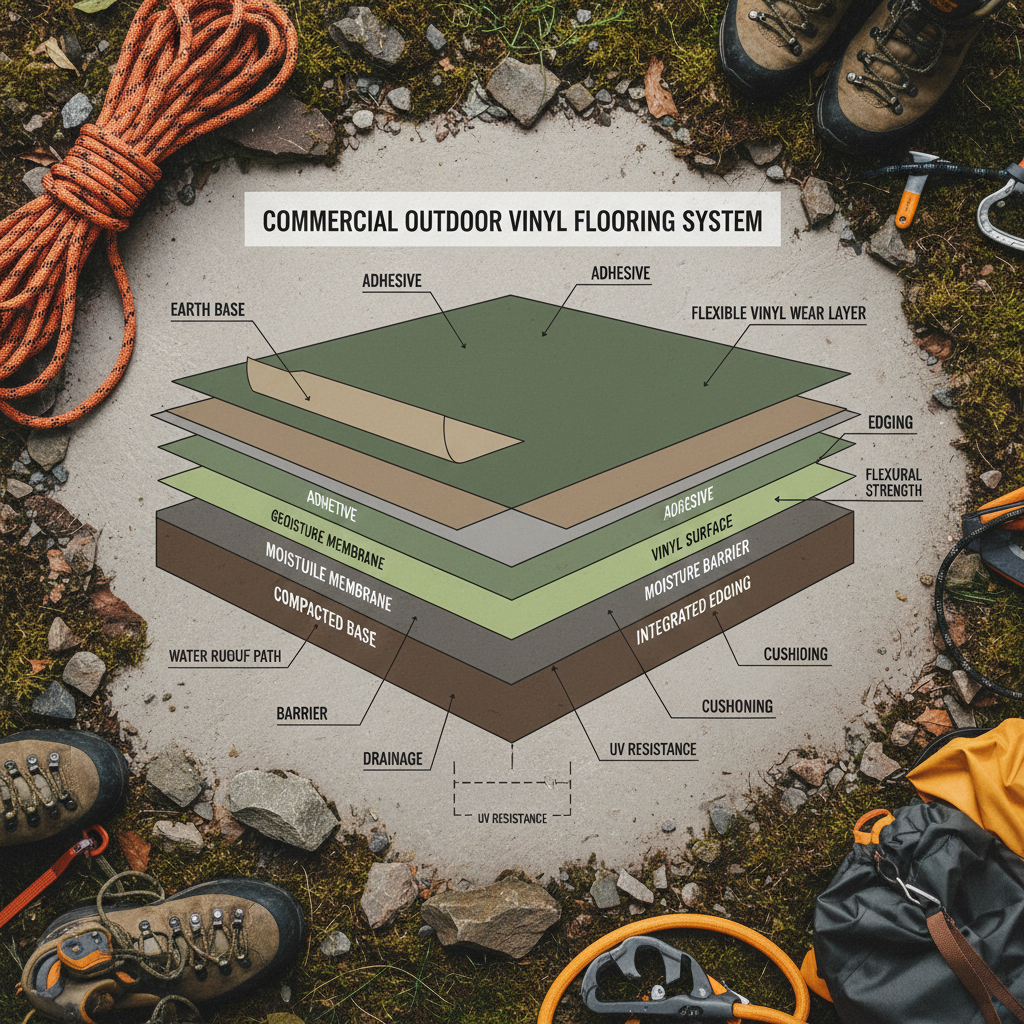
Types of Commercial Vinyl Flooring
Before diving into installation, it's important to understand the various types of commercial vinyl flooring available. Each type has unique characteristics and installation requirements. The main types include:
- Luxury Vinyl Tile (LVT): Designed to mimic the look of natural stone or wood.
- Luxury Vinyl Plank (LVP): Similar to LVT but shaped like planks for a more realistic wood floor appearance.
- Vinyl Composition Tile (VCT): A more traditional and cost-effective option, often used in high-traffic areas.
- Sheet Vinyl: Comes in large rolls, offering fewer seams and a waterproof surface.
The choice depends on your budget, aesthetic preferences, and the specific demands of your commercial space. Langning Sports offers a comprehensive range of commercial vinyl flooring options to suit diverse needs.
Key Considerations: Proper subfloor preparation is critical for all types of vinyl flooring. Ensure the subfloor is clean, level, and free of debris to prevent issues like bubbling or uneven wear.
Essential Tools for Commercial Vinyl Flooring Installation
Having the right tools can significantly streamline the installation process and ensure a professional finish. Here's a checklist of essential tools:
- Utility Knife
- Measuring Tape
- Straight Edge
- Tapping Block
- Rubber Mallet
- Vinyl Flooring Cutter
- Adhesive (specific to the type of vinyl)
- Notched Trowel
- Safety Glasses
- Knee Pads
Using high-quality tools will contribute to a more accurate and efficient installation, minimizing errors and maximizing the longevity of your flooring.
Tool Safety:
• Always wear safety glasses to protect your eyes from debris.
• Use a sharp utility knife with caution and replace blades frequently.
• Follow the manufacturer's instructions for adhesive application and ventilation.
Commercial Vinyl Flooring Installation: A Step-by-Step Guide
Here's a breakdown of the typical installation process:
- Subfloor Preparation: Clean, level, and dry the subfloor. Repair any imperfections.
- Acclimation: Allow the vinyl flooring to acclimate to the room temperature for at least 48 hours.
- Layout Planning: Plan the layout to minimize waste and ensure a visually appealing result.
- Adhesive Application: Apply adhesive according to the manufacturer's instructions using a notched trowel.
- Flooring Installation: Carefully position and press the vinyl flooring into the adhesive.
- Cutting and Fitting: Use a utility knife or vinyl cutter to cut the flooring to fit around obstacles.
- Rolling: Use a floor roller to ensure proper adhesion and remove air bubbles.
- Sealing (Optional): Apply a sealer to protect the seams and enhance durability.
Professional installation is recommended for large or complex projects to ensure optimal results.
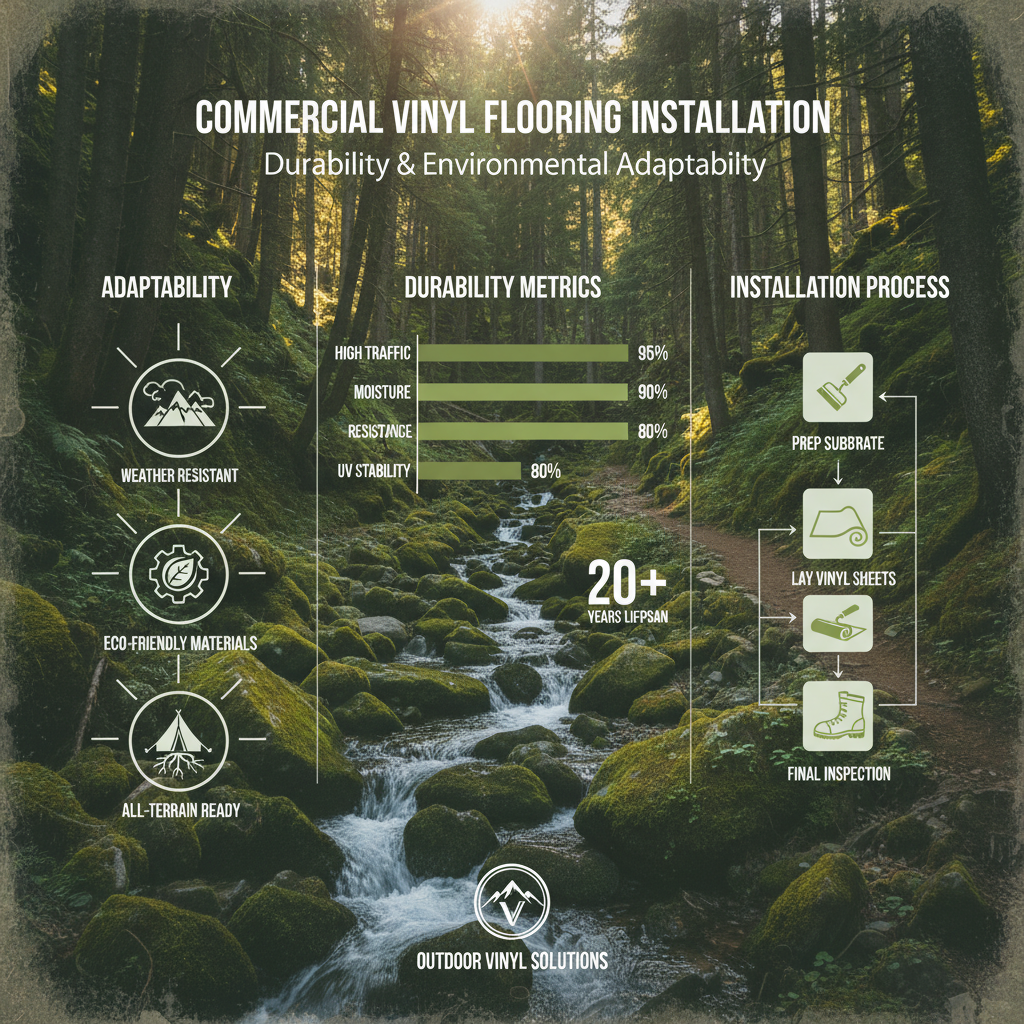
Comparing Installation Methods: Glue-Down vs. Click-Lock
Two common installation methods are glue-down and click-lock. Each offers advantages and disadvantages:
Maintaining Your Commercial Vinyl Flooring
Proper maintenance is essential to prolong the life of your vinyl flooring. Regular sweeping and mopping with a pH-neutral cleaner will remove dirt and grime. Avoid abrasive cleaners or scrubbing pads, as these can damage the surface. Promptly clean up spills to prevent staining. With proper care, your commercial vinyl flooring will maintain its appearance and performance for years to come. Langning Sports provides expert advice on maintenance best practices.
Conclusion: A Durable and Stylish Flooring Solution
Commercial vinyl flooring offers a cost-effective, durable, and aesthetically pleasing flooring solution for businesses of all types. By understanding the different types, installation methods, and maintenance requirements, you can make an informed decision and ensure a long-lasting, beautiful floor. Contact Langning Sports today to explore our wide selection and receive a free quote.
Frequently Asked Questions (FAQs)
How long does a commercial vinyl flooring installation typically take?
The installation time varies depending on the size of the area, the complexity of the layout, and the type of vinyl flooring being installed. A small office space might take a day or two, while a larger retail store could take several days or even weeks. Factors like subfloor preparation and the chosen installation method (glue-down vs. click-lock) also influence the timeframe. Proper planning and a skilled installation team can help minimize downtime. It’s best to get a detailed timeline from your installer before starting the project.
What is the best adhesive to use for commercial vinyl flooring?
The best adhesive depends on the type of vinyl flooring and the subfloor material. Always follow the adhesive manufacturer's recommendations. Generally, for glue-down LVT and LVP, a premium vinyl adhesive specifically designed for commercial applications is recommended. For VCT, a specialized cutback adhesive is often used. It’s crucial to choose an adhesive that provides a strong, permanent bond and is compatible with the flooring and subfloor.
Can commercial vinyl flooring be installed over existing flooring?
In some cases, yes, but it depends on the condition of the existing flooring. A smooth, level, and securely attached existing floor (like plywood or concrete) can be a suitable base. However, materials like carpet or damaged flooring must be removed. Proper subfloor preparation is still essential, even when installing over existing flooring. Consult with a professional installer to assess the existing floor and determine if it's suitable for a direct installation.
What are the benefits of choosing commercial vinyl flooring?
Commercial vinyl flooring offers numerous benefits, including exceptional durability, resistance to wear and tear, water resistance, ease of maintenance, and a wide range of design options. It’s also a cost-effective solution compared to other flooring materials like hardwood or stone. The comfort underfoot and noise reduction properties are also significant advantages for commercial environments.
-
Premium Outdoor Dance Floor for Sale Professional Event SurfacesNewsApr.16,2026
-
Premium Professional White Dance Floor for Sale and Buying GuideNewsApr.09,2026
-
Find Your Perfect Portable Dance Floor for Sale and Create Unforgettable EventsNewsApr.07,2026
-
Find High Quality Dance Flooring for Sale and Expert GuidanceNewsApr.04,2026
-
Comprehensive Guide to Durable Commercial Vinyl Solutions for BusinessesNewsMar.31,2026
-
Comprehensive Commercial Flooring Management for Business LongevityNewsMar.28,2026
-
Comprehensive Guide to Selecting the Right Commercial Flooring MaterialsNewsMar.26,2026