


Comprehensive Guide to Commercial Floor Sanding and Refinishing Solutions
Commercial Floor Sanding: A Comprehensive Guide
Maintaining the beauty and longevity of commercial flooring requires professional attention. Commercial floor sanding is a crucial service for revitalizing worn or damaged surfaces, enhancing aesthetics, and creating a safer environment. This article explores the process, benefits, considerations, and what to expect when choosing a floor sanding service. Investing in professional sanding extends the life of your floors, saving costs on replacements. Let's delve into the details of ensuring your commercial space boasts pristine, durable flooring.
Understanding the Commercial Floor Sanding Process
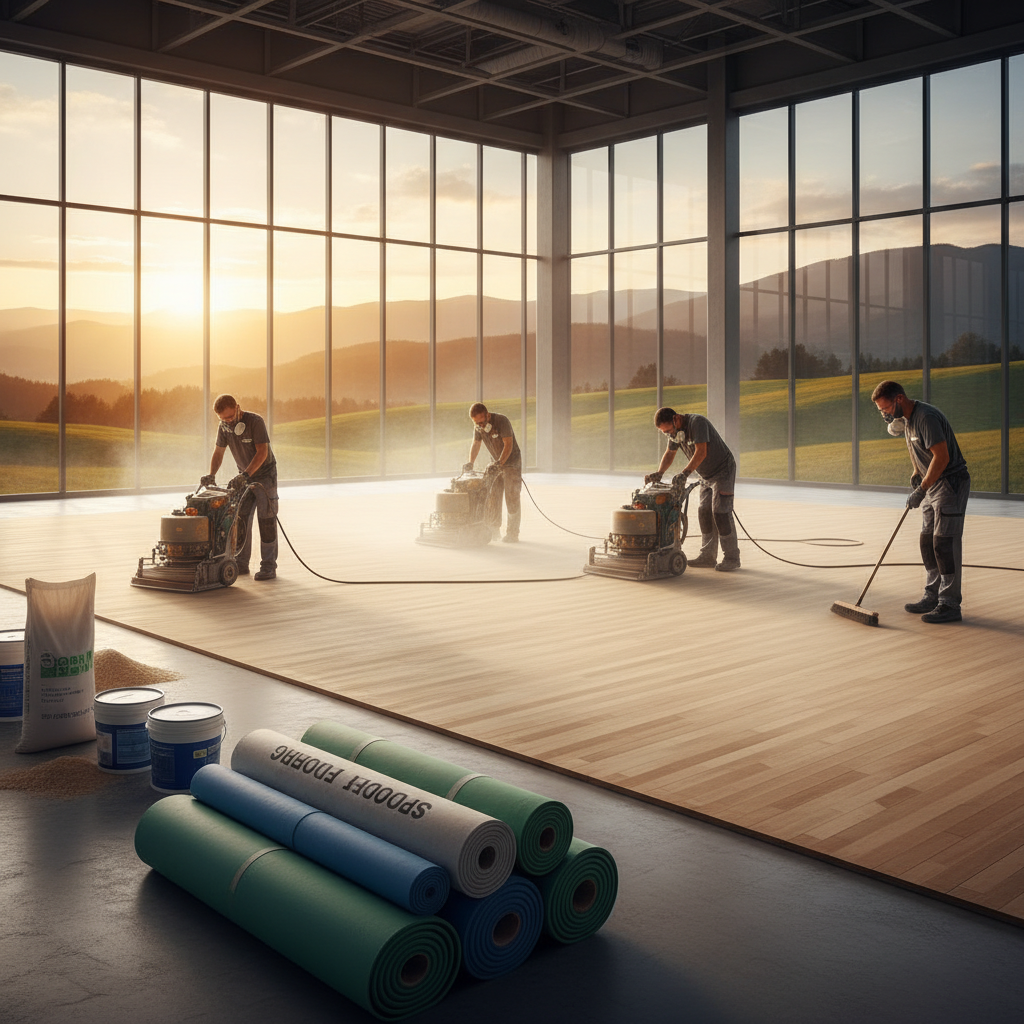
Commercial floor sanding isn't simply about smoothing a surface; it's a multi-stage process. It typically begins with assessing the floor's condition to determine the extent of damage and the appropriate sanding grit sequence. The process then involves using specialized sanding machines with progressively finer grits to remove old finishes, scratches, and imperfections. Following sanding, the floor is thoroughly cleaned to remove dust before the application of a new finish, chosen for durability and aesthetics. Understanding each step ensures a quality result.
Key Highlights: The process utilizes specialized sanding machines with progressively finer grits, followed by meticulous cleaning and application of a durable finish.
The Benefits of Professional Commercial Floor Sanding
Investing in professional commercial floor sanding offers numerous benefits. Restoring the floor’s natural beauty is a primary advantage, enhancing the overall aesthetic appeal of your business. It also eliminates scratches and imperfections, improving safety by reducing slip and fall risks. Furthermore, sanding prepares the floor for a new, durable finish, extending its lifespan and reducing the need for costly replacements. A well-maintained floor projects a professional image, contributing to a positive customer experience.
Benefits at a Glance:
• Restores the floor’s natural beauty
• Improves safety by reducing slip and fall risks
• Extends the floor’s lifespan
• Enhances the overall aesthetic of your business
Floor Types Suitable for Commercial Sanding
While many floor types benefit from sanding, some are more common in commercial settings. Hardwood floors are excellent candidates, capable of withstanding multiple sanding cycles throughout their lifespan. Engineered wood floors can also be sanded, but have a limited sanding capacity due to their thinner veneer. Other suitable options include parquet flooring and certain types of laminate. The feasibility of sanding depends on the floor's thickness and construction. Before commencing any work, a professional assessment is essential.
Choosing the Right Finish for Your Commercial Floor
Selecting the appropriate finish is as important as the sanding process itself. Polyurethane finishes are a popular choice for commercial spaces due to their durability, resistance to scratches and water damage, and low maintenance requirements. Water-based polyurethane finishes offer a more eco-friendly option with lower VOCs. Oil-based finishes provide a warmer tone and excellent penetration but require longer drying times. Your choice should align with your business's needs and foot traffic levels. Langning Sports can guide you in selecting the ideal finish.
Factors Affecting Commercial Floor Sanding Costs
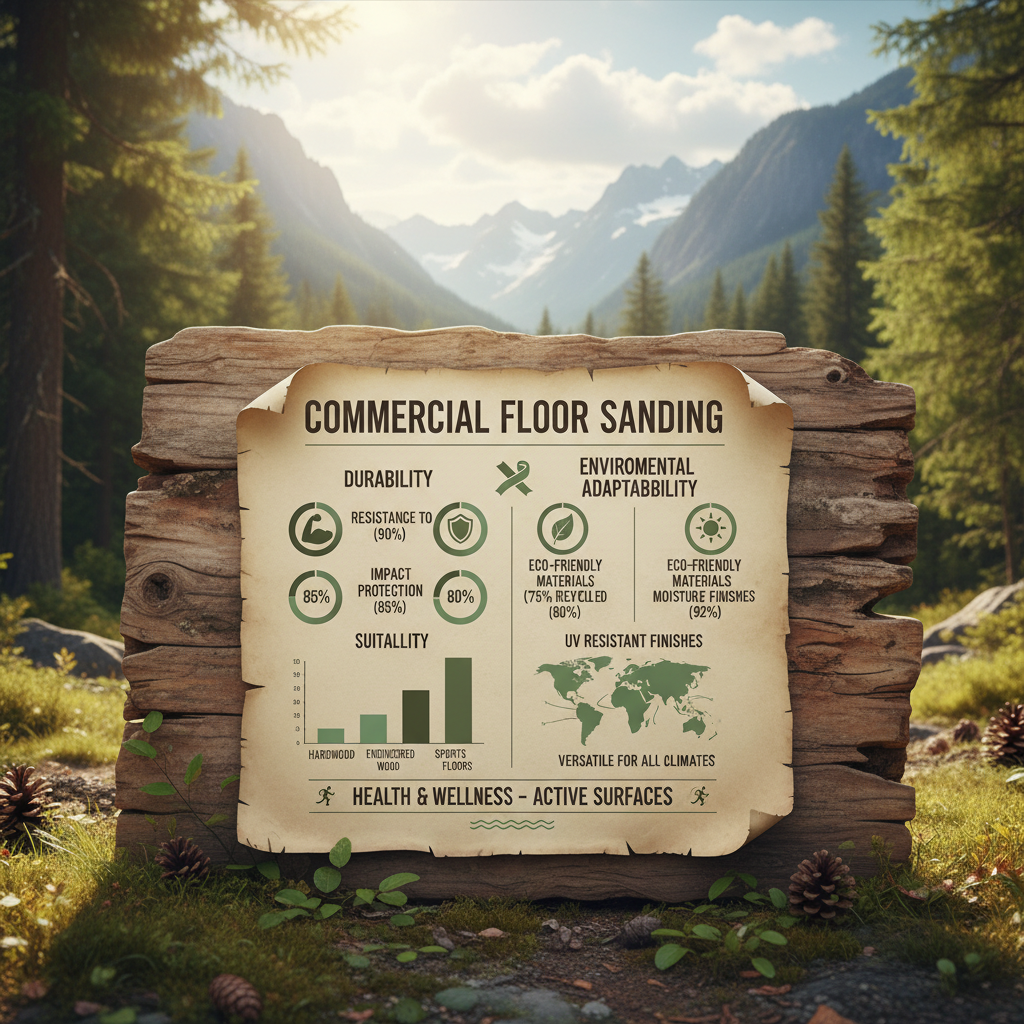
Several factors influence the cost of commercial floor sanding. The size of the area to be sanded is a primary determinant. The floor's condition – the amount of damage and the number of sanding passes required – also significantly impacts the price. The type of finish chosen and the complexity of the project, such as intricate patterns or borders, add to the cost. Labor costs, equipment rental, and travel expenses are also considerations. Obtaining multiple quotes from reputable companies is recommended.
Conclusion: Invest in a Beautiful and Durable Floor
Commercial floor sanding is a worthwhile investment that enhances the appearance, safety, and longevity of your floors. By partnering with a professional company like Langning Sports, you can ensure a high-quality result that meets your business's needs. Don't let worn floors detract from your professional image – revitalize them with expert sanding and finishing.
Frequently Asked Questions (FAQs)
How long does commercial floor sanding typically take?
The timeframe varies depending on the size of the area, the floor's condition, and the number of coats of finish applied. A typical sanding and refinishing project for a medium-sized commercial space can take 3-7 days. This includes sanding, cleaning, applying the finish, and allowing adequate drying time between coats. Minimizing disruption to your business operations is a priority, and a reputable company will work with you to establish a realistic timeline.
What precautions should be taken before floor sanding?
Before sanding commences, it's crucial to clear the area of all furniture, equipment, and obstructions. Ensure the space is well-ventilated, as sanding generates dust. Cover any sensitive equipment or areas that cannot be moved to protect them from dust. Inform employees and visitors about the ongoing work and any necessary safety precautions. A professional company will provide detailed instructions to help you prepare the area effectively.
How do I maintain my floors after sanding and refinishing?
Regular cleaning is essential to maintain the beauty of your newly sanded and finished floors. Sweep or vacuum frequently to remove dirt and debris. Use a pH-neutral floor cleaner specifically designed for finished wood floors. Avoid using abrasive cleaners or excessive water, as these can damage the finish. Place mats at entrances to trap dirt and moisture. Consider using furniture pads to protect the floor from scratches.
What sets Langning Sports apart as a commercial floor sanding provider?
Langning Sports provides high-quality commercial floor sanding services with a focus on minimizing disruption and delivering exceptional results. We employ skilled and experienced technicians, utilize state-of-the-art equipment, and offer a wide range of finishing options to suit your specific needs. Our commitment to customer satisfaction and attention to detail ensures a smooth and professional experience.
-
Premium Outdoor Dance Floor for Sale Professional Event SurfacesNewsApr.16,2026
-
Premium Professional White Dance Floor for Sale and Buying GuideNewsApr.09,2026
-
Find Your Perfect Portable Dance Floor for Sale and Create Unforgettable EventsNewsApr.07,2026
-
Find High Quality Dance Flooring for Sale and Expert GuidanceNewsApr.04,2026
-
Comprehensive Guide to Durable Commercial Vinyl Solutions for BusinessesNewsMar.31,2026
-
Comprehensive Commercial Flooring Management for Business LongevityNewsMar.28,2026
-
Comprehensive Guide to Selecting the Right Commercial Flooring MaterialsNewsMar.26,2026