


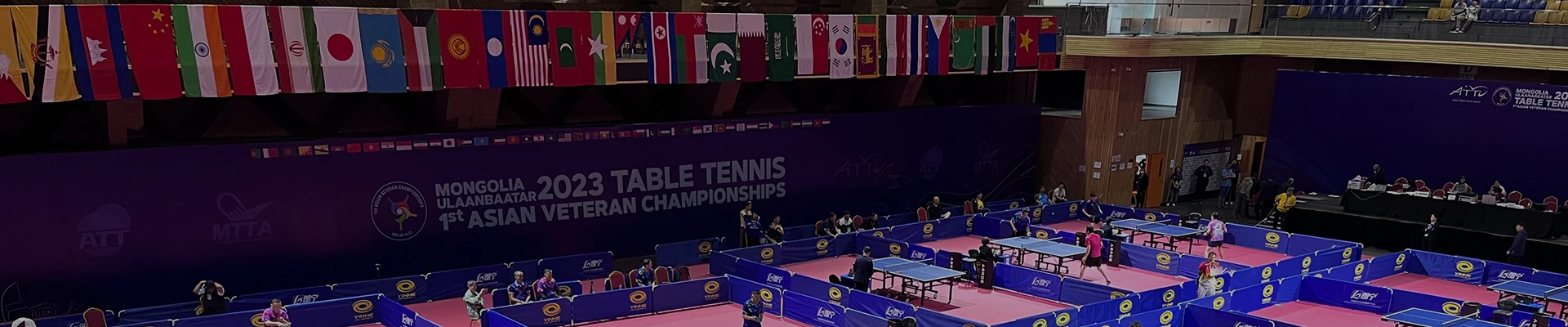
Basketball 3x3 Court: Design, Trends & Benefits for Urban Sports
Introducing the basketball 3x3 court: Why it truly matters today
Basketball's fast-paced cousin, the basketball 3x3 court, has exploded globally from a street game to a recognized international sport. But beyond the hoop and buzzer-beater thrills, understanding the space itself—the court—reveals why it's shaping communities and urban sports culture alike.
With 3x3 basketball set to feature prominently in global events like the Olympics and youth tournaments, cities and sports planners worldwide need to grasp its designs and demands. Proper courts equal better player experience, community engagement, and sustainable game growth. From vibrant city parks in Asia to grassroots projects in Africa, 3x3 courts carry benefits far beyond just sport — community building, accessible fitness, and even economic uplift.
Setting the stage: The global rise of the basketball 3x3 court
Oddly enough, the basketball 3x3 court reflects so much more than just sport trends; it mirrors shifts towards urbanization and active public spaces. The United Nations estimates over 55% of the world's population lives in cities—a figure climbing steadily—and urban planners are rethinking how to integrate sport facilities into tight spaces.
According to FIBA, the International Basketball Federation, 3x3 is the fastest growing form of basketball worldwide, with millions of players registered. Yet, a common challenge persists: how to design courts that fit limited urban space but still meet the high standards of competitive play and durability?
What exactly is a basketball 3x3 court?
Simply put, a basketball 3x3 court is a half-court setup designed specifically for the three-on-three basketball format. Unlike traditional full courts, it is smaller—roughly 15 meters wide by 11 meters long—and features a single hoop, making the game more intense and fast-moving with shorter shot clocks.
Its rise ties closely to an increasing appetite for less formal, more accessible sports. For humanitarian and educational programs, 3x3 courts offer an adaptable sports platform that fits tight urban areas or temporary installations where traditional courts wouldn’t fit.
Core components that make a great basketball 3x3 court
1. Court dimensions and surface quality
The official size is standardized but adaptable. Court surface materials can range from acrylic or modular polypropylene tiles to traditional wood or concrete. Durability and grip are crucial — many engineers say the wrong surface can lead to injuries or poor game flow.
2. Portability and modular design
In some contexts, courts need quick assembly and disassembly — say, for pop-up tournaments or community events. Modular designs allow organizers to reuse materials and shift locations easily, boosting cost efficiency and scalability.
3. Safety and player comfort
Good courts have clear markings, non-slip surfaces, and padding on posts. Considering how intense 3x3 basketball is (no breaks until 10 minutes or score limit), safety features greatly impact long-term player health and enjoyment.
4. Lighting and environmental resistance
Many 3x3 games happen outdoors, so courts require weather-resistant surfaces and good lighting solutions for evening games. LED setups are becoming increasingly popular because of their energy efficiency and low heat emission.
5. Cost efficiency and sustainability
From materials to installation, cost can vary wildly. Sustainable options, such as recycled plastics and low-impact paints, are slowly creeping into market offerings, aligning with broader environmental goals.
Mini takeaway:
Choosing the right court involves balancing performance, portability, and long-term sustainability. You kind of get the feeling this tightrope walk is what future urban sports will revolve around.
How basketball 3x3 courts are being used around the world
The courts aren’t just for pros. For instance, in South America, community projects deploy 3x3 courts in tight neighborhoods, encouraging youth engagement and neighborhood cohesion. In urban Asia, such courts fit into tiny parks or school grounds where full courts are impossible.
In remote and challenging places like certain African rural regions, portable courts enable NGOs to run tournaments that promote health, education, and community peacebuilding. Even disaster relief zones experiment with low-cost court setups to restore normalcy for displaced populations.
Why invest long term in basketball 3x3 courts?
- Cost savings: Smaller courts require less maintenance and lower initial investment than traditional full courts.
- Social impact: Creating safe, accessible play spaces promotes inclusion and reduces social isolation.
- Sustainability: Durable and eco-friendly materials improve lifespan and reduce waste.
- Reliable community hubs: Courts become local landmarks, hosting not just sports but social events and training.
Emotionally, these courts carry hope — they give young people a sense of pride and trust in their neighborhood’s future. Some coaches report kids finding renewed purpose and confidence after local tournaments hosted on these courts.
Product specification: Typical basketball 3x3 court features
| Feature | Specification | Benefit |
|---|---|---|
| Dimensions | 15m width x 11m length | Regulates space for 3x3 format play |
| Surface Material | Modular polypropylene tiles or acrylic coating | Durability & non-slip underfoot |
| Court Markings | FIBA standard lines and free-throw arc | Clear, official gameplay boundaries |
| Portability | Modular, snap-together components | Quick assembly & transport |
| Lighting | LED fixtures with adjustable brightness | Energy-efficient, all-hour play |
Comparing top providers of basketball 3x3 courts
| Vendor | Material Quality | Customization Options | Eco-Friendly Features | Price Range (USD) |
|---|---|---|---|---|
| Langning Sports | High-grade polypropylene tiles | Colors, logos, lighting | Recycled materials used | $6,000 - $12,000 |
| Global Court Solutions | Acrylic coated concrete | Standard only | Minimal | $5,500 - $10,000 |
| EcoCourt Systems | Recycled plastics & composites | High customization | Strong emphasis on sustainability | $7,000 - $13,500 |
Looking ahead: Future trends on basketball 3x3 courts
Some emerging ideas that I find quite exciting:
- Smart surfaces: Embedded sensors that track player movements and game stats, making training and officiating smarter.
- Renewable energy lighting: Solar-powered LED lights geared toward zero-carbon usage.
- Augmented reality court lines: Using AR glasses or apps to highlight play zones and strategies.
These innovations may sound like science fiction, but they’re already in pilot phases regionally. It’s fascinating seeing a 3x3 court turning into this layered tech playground — almost like merging street ball with digital sportscasting.
Tackling challenges: What to watch for when installing a 3x3 basketball court
Challenges haven’t vanished. From weather degradation to vandalism, to convincing city planners that small courts matter, there are bumps.
One practical insight from field experts: using modular tiles significantly reduces damage and allows damaged sections to be replaced instead of the entire surface. Another trick? Community ownership programs where locals help maintain the courts — that trust factor alone improves longevity.
FAQs about basketball 3x3 courts
- Q: How long does it take to set up a portable basketball 3x3 court?
- A: Most modular courts can be installed within a day by a small trained crew. Some compact systems even allow same-day assembly and disassembly, ideal for tournaments or temporary events.
- Q: Are 3x3 courts suitable for school playgrounds?
- A: Absolutely. Their smaller size requires less space and investment, and they encourage quick-paced physical activity. Many schools globally are incorporating them to promote inclusive sports.
- Q: What makes modular polypropylene tiles preferable to concrete surfaces?
- A: They provide better shock absorption, reducing injury risk, are weather resistant, easy to maintain, and can be replaced individually if damaged — unlike permanent concrete.
- Q: Is a basketball 3x3 court eco-friendly?
- A: It depends on the materials. Courts made with recycled plastics and low-VOC coatings significantly reduce environmental impact compared to traditional concrete and paint.
In summary: A court for the people and the future
The basketball 3x3 court isn’t just a sport surface — it’s a catalyst for youth development, urban innovation, and community vitality. If you’re thinking about investing or simply curious about how new forms of sport help shape healthy cities, these courts meet goals both hard and soft.
For more info and to explore quality options, check out Langning Sports — leaders in modular basketball 3x3 courts with a sustainable focus.
References
-
Premium Outdoor Dance Floor for Sale Professional Event SurfacesNewsApr.16,2026
-
Premium Professional White Dance Floor for Sale and Buying GuideNewsApr.09,2026
-
Find Your Perfect Portable Dance Floor for Sale and Create Unforgettable EventsNewsApr.07,2026
-
Find High Quality Dance Flooring for Sale and Expert GuidanceNewsApr.04,2026
-
Comprehensive Guide to Durable Commercial Vinyl Solutions for BusinessesNewsMar.31,2026
-
Comprehensive Commercial Flooring Management for Business LongevityNewsMar.28,2026
-
Comprehensive Guide to Selecting the Right Commercial Flooring MaterialsNewsMar.26,2026