


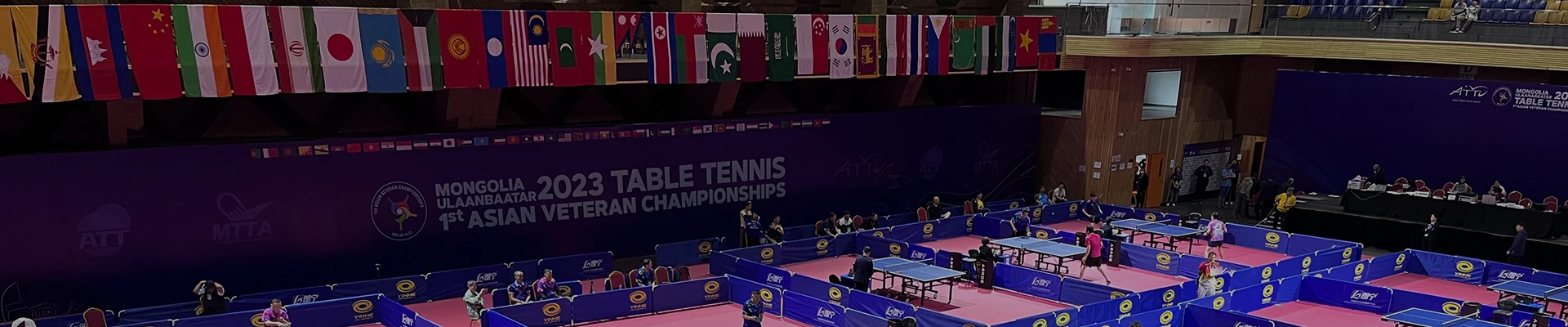
Vinyl Basketball Court Floor – Durable, Cost-Effective, and Sustainable Sports Surfaces
Why Vinyl Basketball Court Floors Matter Globally
When you think of a basketball court, chances are you picture glossy hardwood and echoing sneakers. But vinyl basketball court floors are increasingly gaining traction worldwide—not just for their looks, but their practicality, affordability, and sustainability. Whether it’s a community center in Nairobi or a high school gymnasium in Texas, these floors are changing how spaces accommodate sport, safety, and even social cohesion.
The growing popularity is more than aesthetic. According to the United Nations statistics, global urbanization and recreational infrastructure needs are rising faster than ever before, especially in emerging markets. Vinyl court floors address these demands with cost-effective durability and easy installation, making basketball more accessible. Understanding these floors isn’t just for architects or facility managers—it’s a peek into how sport can be made sustainable and inclusive worldwide.
Introducing the Vinyl Basketball Court Floor: What It Really Is
In the simplest terms, a vinyl basketball court floor is a synthetic, flexible surface designed specifically for basketball play. Unlike traditional hardwood, vinyl flooring is made from polyvinyl chloride (PVC) compounds, which can be engineered with different textures and thicknesses to optimize grip, shock absorption, and durability.
The vinyl surface also reflects modern industry trends where modularity and sustainability matter. Manufacturers often produce these floors in interlocking panels, making installation quicker than pouring concrete or laying timber. Plus, the material can be recycled or repurposed—important connections to global environmental goals like those set by the International Organization for Standardization (ISO).
Key Components That Make a Vinyl Court Floor Tick
Durability
Many engineers say vinyl floors stand up remarkably well to wear and tear. The material is resistant to moisture, abrasions, and even chemical spills—things an ordinary hardwood floor would struggle with. This makes vinyl courts perfect for multipurpose gyms where basketball shares space with other activities.
Scalability & Flexibility
Vinyl flooring can be scaled up or down easily. Whether a street basketball setup or a large arena, sheets or tiles can adapt to almost any size or shape. Plus, it can be rolled out and put away, offering flexibility for multi-use environments.
Cost Efficiency
When budgets tighten, these floors shine. Vinyl installation is faster and cheaper than hardwood—both in materials and labor. Long-term, maintenance costs are lower; no frequent sanding or resealing needed.
Safety & Comfort
Players and coaches alike appreciate how vinyl floors absorb impact and reduce joint stress. The slightly cushioned surface lowers injury risk, which is crucial in youth and amateur sports.
Aesthetics & Customization
From bright team colors to complex court markings, vinyl offers customization that traditional wood can’t match easily or cheaply. Branding and logos pop, and the surface can stay vibrant for years.
Quick Summary:
- Vinyl court floors combine durability, cost savings, and safety.
- Highly adaptable for different venues and uses.
- Environmentally friendlier than many traditional options.
Real-World Applications of Vinyl Basketball Court Floors
Oddly enough, vinyl basketball floors aren’t just indoor gym staples—they have popped up in all sorts of global contexts. In post-disaster relief operations, for example, relief organizations use portable vinyl courts to create safe, communal spaces for children to play, which helps mental health recovery.
Meanwhile, some emerging economies in Asia and Africa are adopting vinyl floors to upgrade urban sports infrastructure at a fraction of the cost of hardwood. Governments and NGOs alike recognize that sports spaces can elevate community engagement, youth development, and even educational outcomes.
In industrial zones or remote areas where transporting heavy materials like wood is a logistical nightmare, vinyl floors offer a workable, relatively lightweight alternative that still meets safety standards for sports.
Vinyl Basketball Court Floor Specifications
| Specification | Standard Range | Notes |
|---|---|---|
| Material Thickness | 4-8 mm | Varies by use intensity |
| Surface Finish | Matte or Glossy | Affects grip and aesthetics |
| Shock Absorption | 20-30% | Reduces player injuries |
| Installation Time | 1-3 days (typical gym) | Faster than traditional flooring |
| Lifespan | 10-15 years | With regular maintenance |
How Leading Vendors Compare
| Vendor | Material Quality | Price Range | Customization Options | Installation Services |
|---|---|---|---|---|
| SportFloor Co. | High-end | $$$ | Full Color & Logo Prints | Turnkey Installation |
| FlexSport | Medium-grade | $$ | Limited Color Choices | Guidance Only |
| EcoCourt Solutions | Eco PVC Blend | $$$ | Sustainable Material Options | Full Installation & Maintenance |
Long-Term Advantages of Vinyl Court Floors
Frankly, the benefits go beyond the obvious price tag. Vinyl floors combine sustainability (reduced wood use, recyclable materials) with social benefits like safer play environments and quicker community facility setups. Players appreciate the softer impact, reducing fatigue and injury risk. Facility managers love the ease of cleaning and durability, meaning fewer disruptions and budget surprises.
There’s also a bigger picture here: investing in resilient sports infrastructure promotes social well-being, community pride, and even supports youth sports programs that can be springboards for careers and healthier lifestyles.
Looking Ahead: Innovations in Vinyl Basketball Court Floors
The future of vinyl courts feels pretty exciting. R&D teams are exploring bio-based PVC, embedding sensors in floors for injury prevention analytics, and using rapid installation systems to shrink downtime further. Sustainability remains center stage with emphasis on circular economy models, where worn floors get recycled into new products.
And let’s not forget smart courts linked to apps measuring ball impact, player movement, and game data—a fusion of sports tech and playing surface innovation that will surely unlock new insights and engage players deeper.
Challenges and How to Overcome Them
Of course, vinyl floors aren’t perfect. Some complain about heat retention or chemical sensitivities. Others worry about the perceived “plastic” feel compared to traditional wood. But many manufacturers tackle these with improved ventilation underlays, adding organic fillers, or hybrid designs that marry flexibility with warmth.
From a logistics standpoint, shipping large vinyl rolls internationally can bump costs—but modular panel systems easing customs and packing woes help counter this.
FAQs: Your Vinyl Basketball Court Floor Questions Answered
Q1: How durable is a vinyl basketball court floor compared to hardwood?
A1: Vinyl floors typically last 10-15 years with good maintenance. While hardwood may last longer, vinyl stands out in moisture resistance and requires less upkeep, making it ideal for multi-use or humid environments.
Q2: Are vinyl basketball floors safe for youth players?
A2: Yes. Vinyl surfaces offer shock absorption that reduces stress on joints and lowers injury chances. Their slip-resistant texture also helps prevent falls common in fast-paced games.
Q3: Can vinyl floors be customized with team logos and colors?
A3: Absolutely. Vinyl panels or rolls can be printed with vibrant, durable graphics. This customization option is more cost-effective and long-lasting than painting traditional floors.
Q4: How quickly can a vinyl basketball court floor be installed?
A4: Installation typically takes 1-3 days for standard gym sizes, far faster than wood which can require weeks for curing and finishing.
Q5: What environmental standards do vinyl court manufacturers follow?
A5: Leading vendors comply with ISO sustainability standards and often use recyclable materials or eco-friendly PVC formulations to reduce carbon footprints.
Wrapping Up: Why Vinyl Basketball Court Floors Are a Smart Choice
So, when it comes down to building or upgrading a basketball facility, vinyl basketball court floors offer a compelling mix of affordability, durability, safety, and eco-friendliness. They’re flexible enough for diverse global needs—from urban centers to remote villages. If you want to explore quality options and detailed guidance, be sure to check out vinyl basketball court floor specialists, where innovation meets real-world sports.
Feel free to dive in and see what the future of basketball surfaces looks like—it’s more than just a game after all.
References
-
Premium Outdoor Dance Floor for Sale Professional Event SurfacesNewsApr.16,2026
-
Premium Professional White Dance Floor for Sale and Buying GuideNewsApr.09,2026
-
Find Your Perfect Portable Dance Floor for Sale and Create Unforgettable EventsNewsApr.07,2026
-
Find High Quality Dance Flooring for Sale and Expert GuidanceNewsApr.04,2026
-
Comprehensive Guide to Durable Commercial Vinyl Solutions for BusinessesNewsMar.31,2026
-
Comprehensive Commercial Flooring Management for Business LongevityNewsMar.28,2026
-
Comprehensive Guide to Selecting the Right Commercial Flooring MaterialsNewsMar.26,2026