


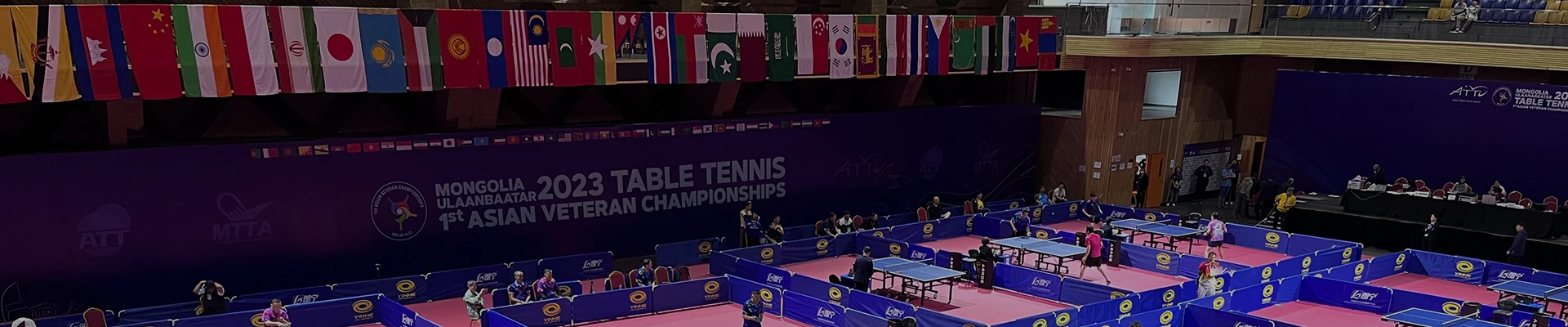
Understanding Basketball Flooring Cost: Global Insights & Trends for Smarter Investment
Understanding Basketball Flooring Cost: Why It Matters Globally
When it comes to building sports facilities, the basketball flooring cost often plays a starring role in the budgeting and design process. But, more than just numbers on a spreadsheet, these costs reflect a broader reality impacting sports infrastructure worldwide. From community gyms in Minneapolis to state-of-the-art arenas in Europe and Asia, basketball flooring is foundational—not just physically, but economically and culturally. Understanding the price points and what drives them helps architects, facility managers, and even NGOs make wiser, longer-term investments.
Plus, there’s the sustainability angle. Choosing the right basketball floor doesn’t just save money upfront; it can reduce maintenance, improve player safety, and even contribute to environmental goals. In a world where sports unite communities and foster youth development, getting flooring right is more than a detail—it’s a commitment.
The Big Picture: Basketball Flooring Cost in a Global Context
The global sports flooring market is expected to grow significantly over the next decade. According to reports from the International Organization for Standardization (ISO) and the World Bank’s sports infrastructure data, investments in quality flooring can enhance athlete performance and reduce injuries. Yet, many facilities—especially in developing countries—struggle to afford proper hardwood or synthetic surfaces, often opting for cheaper, subpar alternatives that become safety hazards.
This challenge shines a light on why understanding basketball flooring cost isn’t just an issue for sports enthusiasts or construction managers—it’s relevant for policymakers and international bodies interested in promoting physical health and accessibility worldwide.
So, What Exactly Is Basketball Flooring Cost?
Simply put, the basketball flooring cost refers to the total expense involved in purchasing, installing, and maintaining the playing surface designed specifically for basketball. This can range from traditional hardwood floors—like maple—to modern synthetic and modular flooring systems that promise faster installation and better shock absorption.
Its connection to modern industry is clear. In construction, material innovation and installation logistics drive pricing. Meanwhile, from a humanitarian perspective, durable and affordable flooring options can enable communities in disadvantaged areas to build safe, inclusive spaces that support youth education and health.
Key Components That Influence Basketball Flooring Cost
1. Material Quality and Type
Hardwood remains the classic choice, prized for its durability and feel, but it’s not cheap. Synthetic alternatives—vinyl, polyurethane, or rubber composites—can lower upfront costs but vary in longevity and performance.
2. Durability and Maintenance
Costs don't stop at installation. Maintenance includes refinishing, repairs, and cleaning. Durable floors may cost more initially but save money in the long run.
3. Installation Complexity
Installation costs fluctuate based on how easily the flooring system can be assembled, subfloor requirements, and labor local rates. Modular floors often reduce labor time.
4. Safety and Compliance Features
Modern basketball floors integrate shock absorption to reduce injury risks. Meeting international safety standards usually adds to the expense but is vital for player protection.
5. Environmental Impact
Eco-friendly materials or recycled components might cost more upfront, but growing demand for sustainability is shifting the market toward greener, cost-efficient solutions.
Where Basketball Flooring Cost Impacts Real Life
In the United States and Europe, professional and scholastic programs prioritize high-quality hardwood floors. Conversely, in developing nations across Africa and parts of Asia, synthetic or modular floors offer a cost-effective and quicker solution for community centers.
Interestingly, humanitarian organizations in disaster-hit zones sometimes deploy portable, durable synthetic flooring to quickly rebuild sports facilities, supporting youth morale and social cohesion. Industrial zones even use these floors in employee wellness areas to prevent injuries during after-work games.
The Real Benefits Beyond the Price Tag
High-quality basketball flooring isn’t just about price. It’s about longevity, player safety, and the building's overall reputation. Better floors lead to reduced injuries, which fosters trust among athletes and teams. Plus, an aesthetically pleasing, well-maintained court attracts more events and community engagement over time, making the upfront investment pay off in social and economic terms.
Looking Ahead: Trends Influencing Basketball Flooring Costs
The near future promises exciting innovations. For example, digital integration enables “smart floors” embedded with sensors to monitor usage and wear, guiding timely maintenance—a predictive approach that reduces costs. Green manufacturing processes also reduce environmental footprints, aligning with stricter international carbon standards. And as automation advances, installation and repairs will become faster and potentially cheaper.
Challenges and How to Overcome Them
Despite progress, challenges remain. Many low-budget projects still opt for substandard materials, which compromise player safety and inflate long-term costs. Also, supply chain disruptions impact price stability, especially for hardwood imports.
Experts recommend a lifecycle cost analysis rather than just upfront pricing—considering durability, maintenance, and replacement cycles to make smarter choices. Vendors offering modular, eco-conscious options can strike a balance between quality and cost-efficiency.
Quick FAQ on Basketball Flooring Cost
- What factors most affect basketball flooring cost?
Material choice, installation complexity, maintenance needs, and safety compliance are the primary drivers. - Is hardwood flooring always better than synthetic?
Not necessarily. Hardwood offers superior performance but higher cost and maintenance; synthetics can be excellent for budget-conscious or multi-use facilities. - How long does a typical basketball floor last?
With proper care, hardwood floors last 20+ years; synthetic options vary from 8 to 15 years depending on quality. - Are there eco-friendly basketball flooring options?
Yes, many vendors now offer floors made from recycled materials or sustainably sourced wood with low VOC finishes. - Can basketball flooring be installed quickly?
Modular and synthetic floors often allow faster installation than traditional hardwood, which may require more drying and curing time.
Comparing Popular Basketball Flooring Products
| Product | Material | Installation Time | Price Range (per sq.ft.) | Durability (Years) |
|---|---|---|---|---|
| Pro Hardwood Classic | Maple Hardwood | 2-4 weeks | $8 - $14 | 20+ years |
| FlexSynthetic PlayPro | Polyurethane Composite | 1-2 weeks | $5 - $9 | 10-15 years |
| EcoFloor Modular | Recycled Plastic | 3-5 days | $4 - $7 | 8-12 years |
Vendor Comparison: Who Should You Buy From?
| Vendor | Range of Options | Warranty | Sustainability Practices | Customer Support |
|---|---|---|---|---|
| FloorMasters Inc. | High-end hardwood and composites | 10 years | Certified FSC wood, low VOC finishes | 24/7 technical help |
| GreenCourt Solutions | Modular recycled plastics | 5 years | 100% recycled content, carbon-neutral | Business hours only |
| PlaySafe Materials | Budget synthetics & hybrids | 3 years | Limited certifications | Email support only |
Bringing It All Together
Whether you’re planning a community school gym or a high-profile indoor arena, understanding the basketball flooring cost is pivotal. It’s about more than just the upfront expense—it touches on player safety, environmental responsibility, and long-term value. When we look at real-world applications and the evolving market, it’s clear that smart flooring choices build stronger communities and better futures.
If you’re in the market for basketball flooring solutions and want to explore cost options that balance quality, sustainability, and durability, don’t shy away from consulting trusted vendors and running a thorough lifecycle cost analysis. Sometimes, spending a bit more now means saving a lot later—and that’s a win worth investing in.
Explore detailed options and expert insights today — visit https://www.langningsportsfloor.com.
Mini Takeaways:
- Basketball flooring cost includes materials, installation, and upkeep; all critical for budgeting.
- Material quality and safety compliance are key cost drivers with direct impact on player welfare.
- Global trends push toward sustainable, smart, and modular flooring solutions.
- Choosing the right flooring has both economic and social benefits—think of it as an investment in people.
References
-
Premium Outdoor Dance Floor for Sale Professional Event SurfacesNewsApr.16,2026
-
Premium Professional White Dance Floor for Sale and Buying GuideNewsApr.09,2026
-
Find Your Perfect Portable Dance Floor for Sale and Create Unforgettable EventsNewsApr.07,2026
-
Find High Quality Dance Flooring for Sale and Expert GuidanceNewsApr.04,2026
-
Comprehensive Guide to Durable Commercial Vinyl Solutions for BusinessesNewsMar.31,2026
-
Comprehensive Commercial Flooring Management for Business LongevityNewsMar.28,2026
-
Comprehensive Guide to Selecting the Right Commercial Flooring MaterialsNewsMar.26,2026