


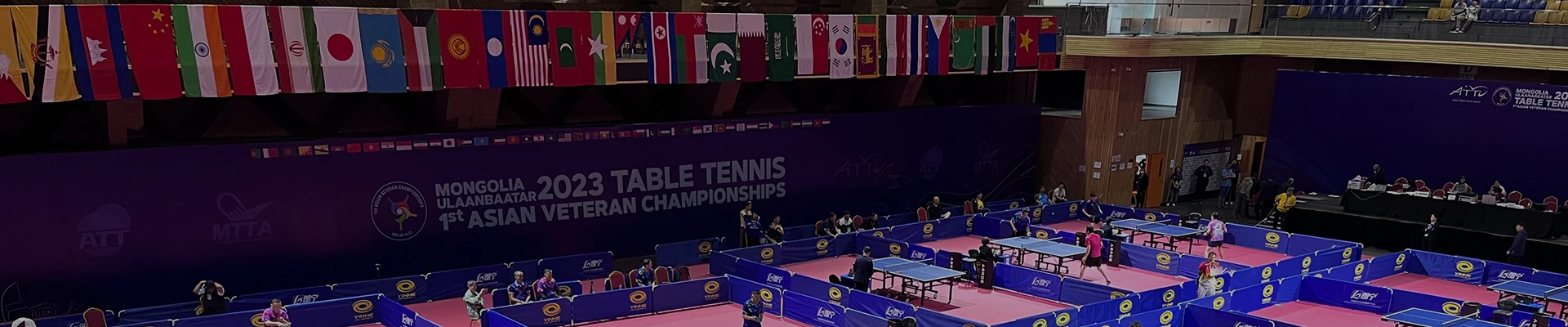
Understanding Basketball Court Flooring Indoor Cost – Materials, Installation & Trends
Nov . 27, 2025 08:40
Back to list
Understanding Basketball Court Flooring Indoor Cost – Materials, Installation & Trends
Understanding Basketball Court Flooring Indoor Cost: Why It Matters Globally
Basketball court flooring indoor cost is more than just a number on a budget sheet; it’s a crucial aspect shaping how athletic facilities perform, last, and support athletes worldwide. As indoor basketball continues to grow in popularity—from community centers in the U.S. to sports academies in Asia and Europe—knowing what drives the cost of installation and maintenance helps facility managers, sports organizations, and investors make smarter, long-term decisions. Globally, the sports flooring market is booming, projected to grow at a steady pace. According to the International Organization for Standardization (ISO) and industry reports, flooring quality affects not only the athlete’s safety but also the longevity of the venue itself. So factoring in basketball court flooring indoor cost isn’t just about dollars; it’s about safeguarding investment while enhancing player experience. ---Why Is Basketball Court Flooring Indoor Cost a Key Concern Today?
In many countries, public and private investments in sports infrastructure have surged. Yet, budgeting for basketball court flooring indoor cost remains a challenge. The World Bank’s 2022 sports investment data notes that nearly 30% of facility failure issues stemmed from inadequate flooring choices or poor installation. This creates a cycle of costly repairs and downtime—something no gym owner wants. Plus, as sustainability gains traction (ISO 14000 guidelines coming to mind), facility managers face pressure to pick materials that balance upfront cost with eco-responsibility. That’s where understanding the nitty-gritty of basketball court flooring indoor costs comes in: it lets you navigate price, performance, and environmental impact all at once. ---What Exactly Does Basketball Court Flooring Indoor Cost Mean?
Simply put, basketball court flooring indoor cost refers to the total expenses involved in selecting, acquiring, installing, and maintaining suitable flooring specifically designed for indoor basketball courts. It includes materials like hardwood, synthetic surfaces, installation labor, underlayment, subfloor preparation, and upkeep. This cost matters deeply because the right floor not only ensures player safety but also affects how the sport is perceived and practiced at community, professional, and Olympic levels. Modern indoor courts need to harmonize performance (think: bounce, traction) with durability and aesthetic appeal, while respecting budgets that can vary wildly from city gymnasiums to top-tier arenas. ---Key Factors Influencing Basketball Court Flooring Indoor Cost
1. Material Quality and Type
The choice between maple hardwood, vinyl, polyurethane, or modular sports tiles makes a big price difference. Hardwood floors usually cost more upfront but can last decades with proper care. Synthetic surfaces might be cheaper initially but often have shorter lifespans.2. Installation Complexity
Installation isn’t just “laying down a floor.” It’s precise work—sometimes requiring moisture barriers, leveling layers, and moisture testing (which, oddly enough, gets overlooked but can wreck a court’s foundation if ignored).3. Maintenance and Longevity
Higher upfront costs sometimes translate to less frequent repairs and refinishing. For example, a hardwood court might be refinished every 5–7 years, extending total lifespan to 30+ years, while cheaper alternatives could need complete replacement in 10 years.4. Scale and Location
Large-scale venues can negotiate better bulk pricing—but shipping and labor costs vary wildly by region. For example, indoor basketball court flooring indoor cost in urban U.S. areas can be higher than in developing markets but also comes with advanced service options.5. Sustainability Features
Increasingly, flooring brands include environmentally friendly materials or manufacturing methods, which might add to cost initially but reward with certifications and public goodwill. ---Mini takeaway: Understanding the interplay between material, installation, upkeep, and sustainability can help balance basketball court flooring indoor costs smartly. It’s a juggling act, but one worth mastering.
---Real-World Applications: Who Uses Indoor Basketball Flooring and How?
Indoor basketball courts aren’t just in shiny pro arenas. Schools, community centers, military bases, and rehab centers all depend on cost-efficient and safe flooring solutions. - In North America, school districts invest heavily in durable hardwood courts that withstand years of heavy use. - European sports clubs often opt for modular synthetic tiles for flexibility—they can quickly re-purpose courts for multiple sports. - In developing countries, NGOs have introduced portable indoor sports floors in refugee camps to bring recreation and a sense of normalcy. - Industrial companies build courts on-site as part of employee wellness programs, balancing cost and quick install times since downtime is expensive. One interesting note: In post-disaster relief efforts, temporary indoor courts have helped local youths maintain social ties and cope emotionally, showcasing that basketball court flooring indoor cost is not just logistical but deeply human too. ---The Benefits of Investing Wisely in Basketball Court Flooring
Let’s be frank: nobody wants to replace floors every few years. Spending more upfront often yields significant long-term savings and benefits: - Safety: Proper flooring reduces injuries—this is both a direct human benefit and a liability reducer. - Durability: Investing in quality means fewer replacements, less waste, and better ROI. - Sustainability: Newer materials contribute to eco-goals—critical in global construction standards. - Aesthetics and Prestige: Well-maintained floors make a facility shine, attracting players and sponsors. - Player Experience: Bounce, grip, and shock absorption can affect athlete performance and morale—you want a floor that feels like home. ---Looking Forward: Trends Shaping Basketball Court Flooring Indoor Cost
Innovation is alive and well in sports flooring: - Eco-Friendly Composites: New bio-based resins and recycled materials are trimming costs while raising green credentials. - Smart Flooring: Embedded sensors can now track player movement and flooring wear—helping facilities optimize maintenance. - Modular Flooring: Prefabricated, snap-together designs cut installation times dramatically. - Digital Design Tools: VR and CAD enable customized court plans that streamline ordering and reduce waste. All this points toward a future where basketball court flooring indoor cost is more predictable, flexible, and aligned with global sustainability initiatives. ---Addressing Challenges: What Makes Indoor Basketball Flooring Costs Tricky?
Common pain points persist: fluctuating raw material prices, regional labor shortages, and balancing budget with performance requirements. Sometimes suppliers overpromise, leading to costly reworks. Solutions that many managers swear by include: - Early-stage consultation with flooring experts - Considering whole lifecycle costs, not just initial price - Exploring financing options or grants (many governments support sports infrastructure initiatives) - Keeping an eye on sustainable innovations that may reduce running costs ---Frequently Asked Questions About Basketball Court Flooring Indoor Cost
Q1: What are the main materials used in indoor basketball court flooring, and how do they impact cost?A: The main materials include hardwood (especially maple), synthetic vinyl, and modular sport tiles. Hardwood tends to be pricier upfront but more durable, synthetic floors cost less initially but may require frequent replacement, impacting long-term cost efficiency. Q2: How does installation complexity affect the overall cost?
A: Installation can add 20–40% to material costs. Preparing the subfloor, moisture barriers, and ensuring proper leveling are labor-intensive but critical. Skipping steps can cause costly damage later. Q3: Are eco-friendly flooring options more expensive?
A: Usually yes, at least initially. However, these materials often have certifications that can improve funding opportunities and lower environmental impact, which is a financial plus long term. Q4: How often does indoor basketball court flooring need maintenance or replacement?
A: Hardwood floors typically need refinishing every 5–7 years and can last 20–30 years with care. Synthetic floors might require replacement in under 10 years depending on usage. Q5: Can I get cost estimates online or do I need an onsite visit?
A: Initial estimates can be provided online with court dimensions and preferred materials. But a site inspection is essential before final numbers are firm due to variables like subfloor condition. ---
Product Specification Table: Typical Basketball Court Flooring Indoor Options
| Feature | Hardwood (Maple) | Synthetic Vinyl | Modular Sport Tiles |
|---|---|---|---|
| Initial Cost (per sq. ft.) | $8 - $12 | $4 - $7 | $6 - $9 |
| Expected Lifespan | 25-30 years | 8-12 years | 10-15 years |
| Maintenance Frequency | Every 5-7 years refinishing | Regular cleaning, occasional repairs | Easy replacement of tiles as needed |
| Environmental Impact | Moderate, forestry impact | Variable, emerging eco options | Often made from recycled materials |
Vendor Comparison: Pricing & Features
| Vendor | Material Options | Average Cost (per sq. ft.) | Warranty (years) | Installation Time |
|---|---|---|---|---|
| Duraflex Sports | Hardwood, Vinyl | $7.5 | 10 | 4-6 weeks |
| FloorTech Solutions | Vinyl, Modular Tiles | $6.2 | 8 | 2-3 weeks |
| ProCourt Systems | Hardwood, Modular Tiles | $8.1 | 15 | 5 weeks |
Wrapping Up: Why Basketball Court Flooring Indoor Cost Is Worth the Attention
Thinking through basketball court flooring indoor cost feels like juggling many balls at once—quality, budget, safety, and future-proofing all vying for attention. But done right, it’s an investment in more than just sport; it’s about community health, sustainability, and longevity of legacy. If you’re planning your next indoor basketball court project, now might be a perfect time to dive deeper. For more insights and detailed cost breakdowns, check out basketball court flooring indoor cost resources and expert consultations. Remember, it’s not just flooring. It’s the foundation of players’ dreams—and sometimes, the secret behind that perfect game. ---References & further reading:
Latest news
-
Premium Outdoor Dance Floor for Sale Professional Event SurfacesNewsApr.16,2026
-
Premium Professional White Dance Floor for Sale and Buying GuideNewsApr.09,2026
-
Find Your Perfect Portable Dance Floor for Sale and Create Unforgettable EventsNewsApr.07,2026
-
Find High Quality Dance Flooring for Sale and Expert GuidanceNewsApr.04,2026
-
Comprehensive Guide to Durable Commercial Vinyl Solutions for BusinessesNewsMar.31,2026
-
Comprehensive Commercial Flooring Management for Business LongevityNewsMar.28,2026
-
Comprehensive Guide to Selecting the Right Commercial Flooring MaterialsNewsMar.26,2026