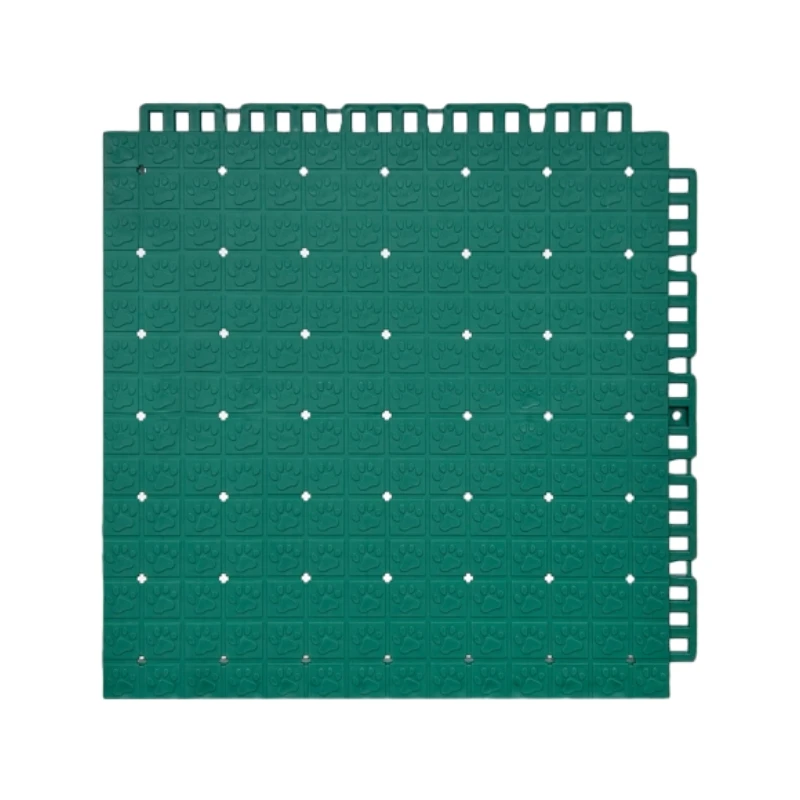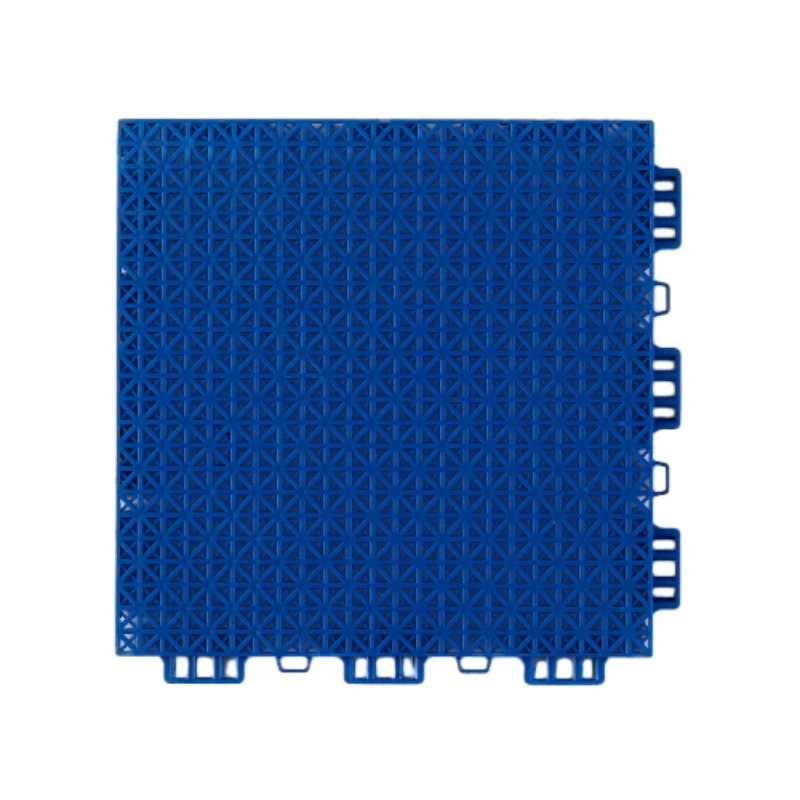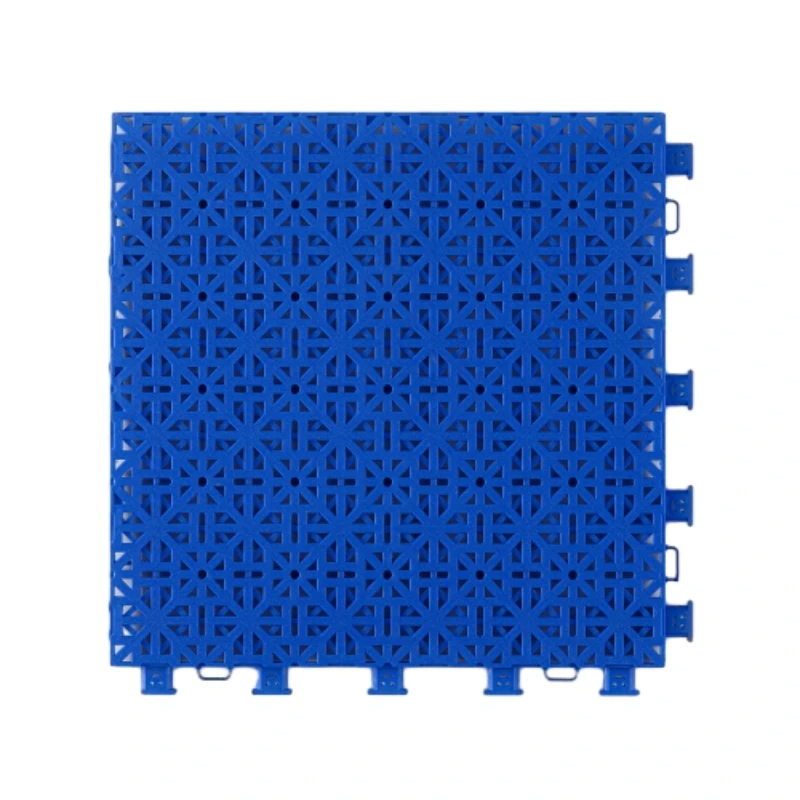
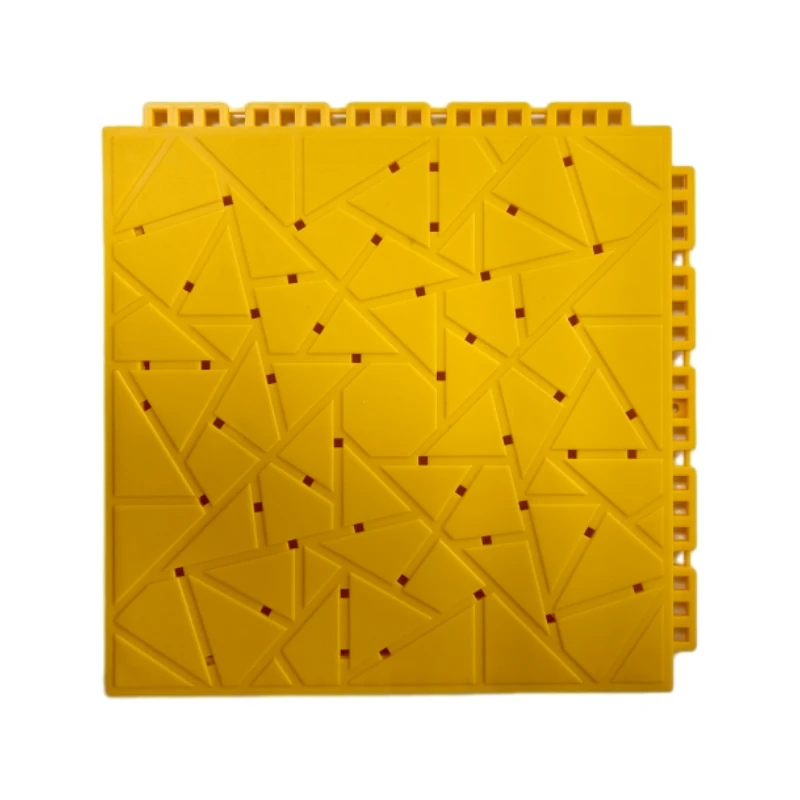
The sports infrastructure in the United States is characterized by a vast diversity in climate, from the humid subtropics of Florida to the freezing winters of the Midwest. This geographical variance necessitates specialized materials, particularly for outdoor sport court tiles that can expand and contract without cracking. Commercial developers and educational institutions across the country increasingly prioritize materials that reduce joint impact and maintenance costs while maintaining consistent ball bounce.
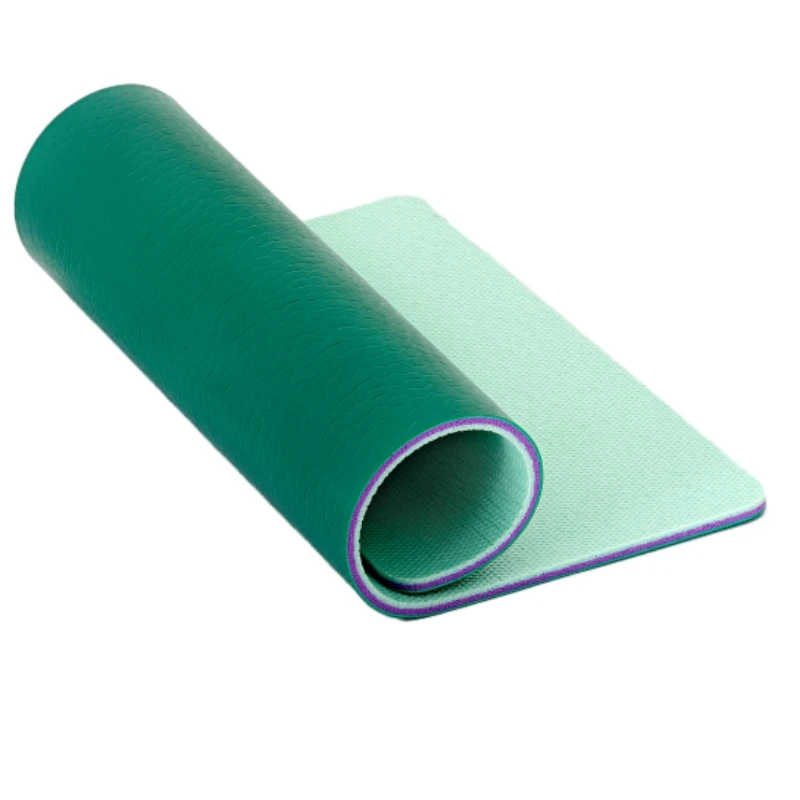
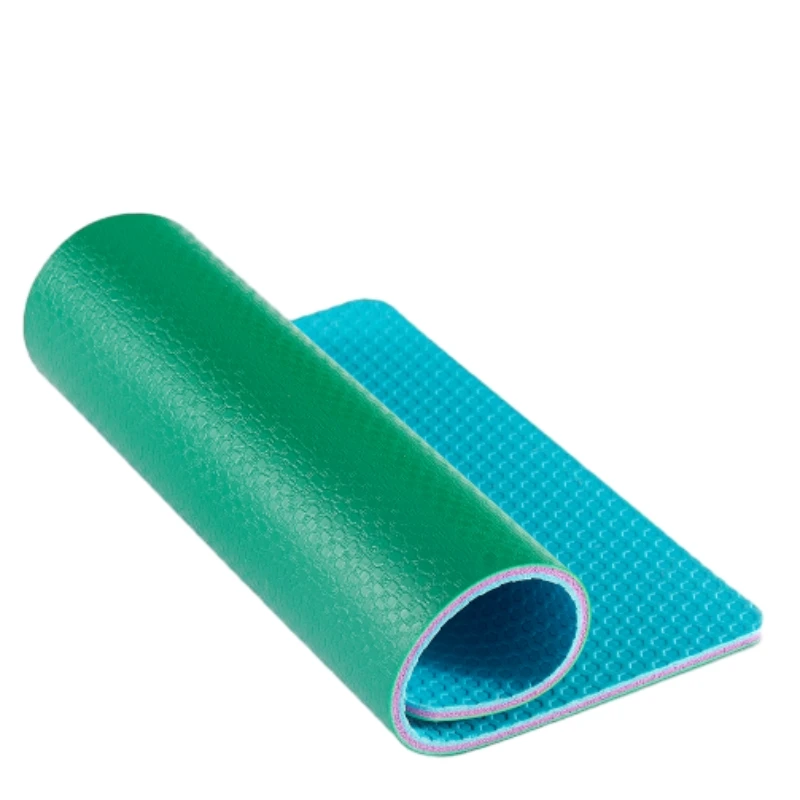
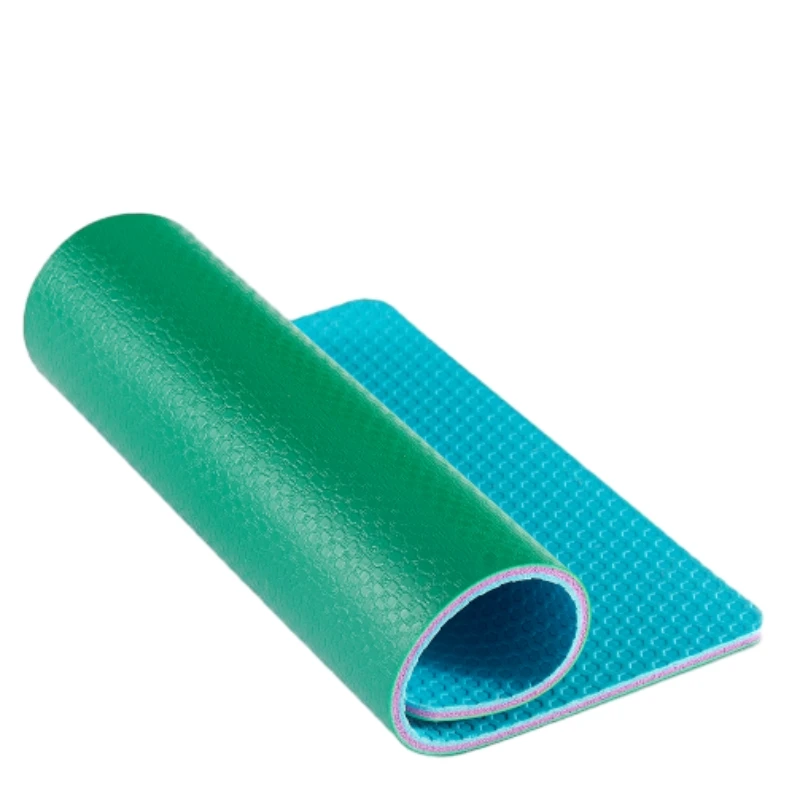
In high-traffic urban areas and community centers, the shift toward a versatile pvc sport floor has become evident. These surfaces offer a superior blend of resilience and hygiene, making them ideal for multi-purpose facilities that transition between volleyball, dance, and fitness training. The US market's emphasis on "all-in-one" facility utility drives the demand for flooring that meets strict safety certifications and aesthetic flexibility.
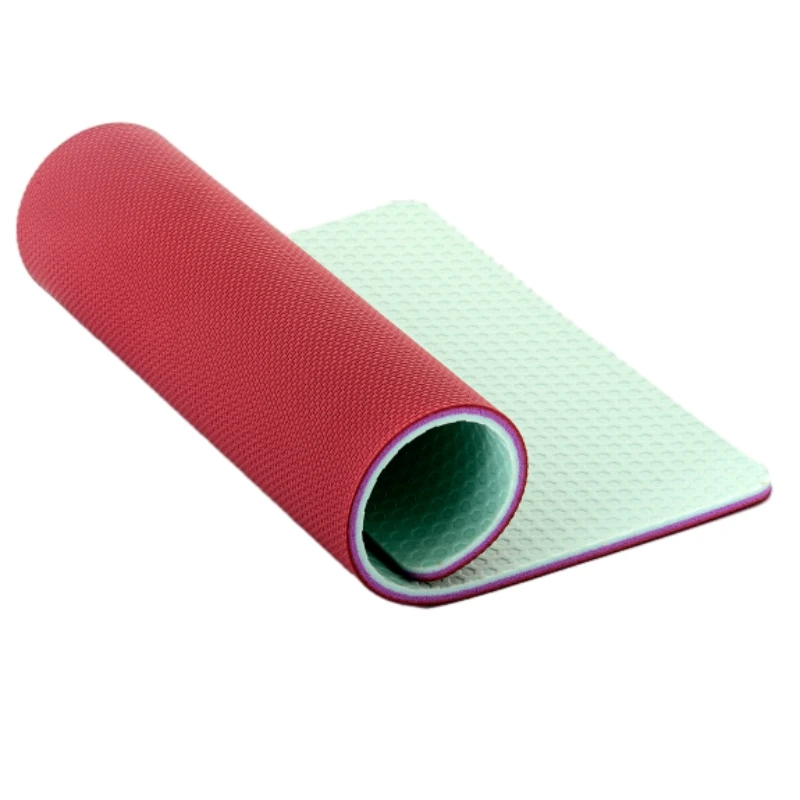
Moreover, the professionalization of youth sports in North America has led to a surge in the installation of high-grade basketball gym flooring. Facility managers are moving away from traditional hardwoods in secondary gyms in favor of synthetic solutions that offer comparable performance with significantly lower long-term maintenance. This evolution reflects a broader industry trend toward sustainable, long-lifecycle materials that optimize the total cost of ownership for municipal and private entities.