


Regional Analysis
The Sports Infrastructure Landscape in Peru
Understanding the intersection of urban growth and athletic demand in the Peruvian market.
The sports infrastructure market in Peru is characterized by a significant push toward urban wellness and the professionalization of community sports. In cities like Lima and Arequipa, there is an increasing number of private sports academies and public municipal courts. However, the geographical diversity of Peru—ranging from coastal humidity to Andean altitude—creates a challenging environment for traditional flooring materials. Consequently, there is a growing demand for materials that can withstand high traffic and variable weather conditions without frequent replacement.
Current trends indicate a shift away from basic concrete or asphalt courts toward high-performance synthetic surfaces. Facility managers are increasingly prioritizing "multi-sport" versatility, where a single area can transition between basketball, volleyball, and pickleball. This shift is driven by the need to maximize the ROI of available urban space. Additionally, the rise of private fitness studios and dance academies has expanded the demand for specialized basketball gym flooring and non-slip PVC options that prioritize shock absorption and aesthetic appeal.
Despite this growth, the primary constraint remains the availability of certified, industrial-grade flooring that can be installed quickly. The opportunity lies in integrating modular systems that reduce installation labor and provide guaranteed safety standards. As Peru continues to host more regional athletic events, the requirement for FIBA and BWF compliant surfaces will only increase, positioning high-quality PVC and interlocking tile systems as the primary choice for sustainable sports development in the region.
Industry Progress
Evolution of Athletic Surface Technology
From rudimentary surfaces to high-tech, energy-returning polymer systems.
Early Stage
Traditional Hard-Courts
Dependence on concrete and asphalt surfaces which offered high durability but zero shock absorption, leading to frequent athlete injuries and high surface wear.
Adoption Phase
Introduction of PVC
The shift toward synthetic PVC flooring brought better grip and aesthetics, allowing for indoor sports standardization and the first wave of professional gym surfaces.
Current Era
Modular Intelligence
Integration of UV-resistant, interlocking outdoor badminton court mat systems that combine rapid installation with extreme climate resilience.
From Static to Dynamic Surfaces
Modern flooring is no longer just a passive base; it is now engineered to return energy to the athlete. By optimizing the density of the PVC foam core, modern surfaces reduce the force exerted on joints while maintaining the ball bounce required for professional play.
Climate-Adaptive Material Science
The industry has moved toward polymers that expand and contract at rates synchronized with the sub-base. This prevents the buckling and cracking common in previous generations of plastic flooring when exposed to temperature extremes.
Eco-Conscious Manufacturing
There is a strong trend toward using recyclable polymers and low-VOC (Volatile Organic Compound) adhesives, ensuring that sports environments are safe for children and environmentally sustainable for the long term.
Future Outlook
Global Trends in Sports Flooring Technology
Identifying the key drivers that will shape the next decade of athletic environments.
Hyper-Customization of Aesthetics
Facilities are moving toward unique color palettes and integrated branding within the flooring itself to create a distinctive "home court" identity for professional teams and private clubs.
Hybrid Modular Systems
The integration of different flooring types—such as combining PVC for high-impact zones and interlocking tiles for peripheral areas—to optimize both cost and performance.
Low-Impact Installation
A shift toward "dry-fit" installations that require no glues or chemicals, making them ideal for temporary tournaments or facilities that need to be converted quickly.
Integration with Smart-Tech
The emergence of flooring that can integrate sensors for athlete performance tracking and heat-mapping to analyze court usage and wear patterns in real-time.
The convergence of material science and athletic demand is leading toward surfaces that are essentially "tuned" for specific sports. For instance, the friction coefficient of a badminton court is fundamentally different from that of a basketball court. The trend is toward precision-engineered textures that provide the exact amount of grip needed for lateral movements while preventing "stick-slip" injuries.
Furthermore, sustainability is becoming a non-negotiable requirement. In the South American market, there is a growing preference for flooring that can be refurbished rather than replaced. Modular tiles perfectly align with this trend, as only the worn-out sections of a court need to be swapped, reducing waste and lowering the total cost of ownership for the facility manager.
Practical Applications
Implementation Scenarios in the Peruvian Market
How our flooring solutions solve real-world problems in diverse local environments.
01
Municipal Outdoor Courts in Lima
In coastal Lima, high humidity and salty air can corrode traditional surfaces. By deploying UV-stabilized interlocking tiles, municipal parks can provide high-traction, fast-draining courts that resist corrosion and require zero painting or sealing, ensuring the facility remains open and safe for community use year-round despite the humid coastal air.
02
Professional Basketball Academies in Arequipa
High-intensity training requires surfaces that minimize joint fatigue. For an academy in Arequipa, installing a multi-layer PVC sports floor provides the necessary shock absorption for repetitive jumping and sprinting. This reduction in impact force directly translates to fewer injuries for youth athletes and a higher standard of professional training environment.
03
Multi-Sport Community Centers in Cusco
In the Andean highlands, temperature fluctuations are extreme. Traditional flooring often cracks under these conditions. Our modular tile systems allow for natural thermal expansion and contraction. By creating a multi-purpose area for badminton and volleyball, the center maximizes its space efficiency while ensuring the floor remains flat and stable regardless of the altitude-related temperature swings.
04
Private Dance and Ballet Studios in Lima
Dance studios require a precise balance between slip resistance and glide. Utilizing our non-slip PVC series with a specialized finish provides the necessary grip for ballet and contemporary dance. The high-density foam underlay protects dancers' ankles during jumps, while the customizable aesthetics allow the studio to maintain a high-end, professional look.
05
Kindergarten Play Areas in Urban Centers
Safety is the priority for childcare facilities. By implementing colorful, soft-touch PVC flooring, schools can create vibrant play zones that are hypoallergenic and easy to sanitize. The high impact-absorption rating ensures that falls are cushioned, providing a safe environment for children's motor skill development in a densely populated urban setting.
Deployment Insights
Representative Implementation Perspectives
Illustrating the operational impact of our flooring solutions in typical professional environments.
The transition to modular outdoor tiles has completely eliminated our rainy-day downtime. Previously, we had to wait 24 hours for the concrete to dry after a storm; now, the water drains instantly, and the court is ready for play. The ease of replacing a few damaged tiles without tearing up the whole court has also significantly reduced our annual maintenance budget.
For our professional academy, the shock absorption of the PVC flooring was the deciding factor. We noticed a decrease in joint-related complaints from our athletes within the first season. The FIBA compliance gives us the confidence to host regional tournaments, knowing that the surface meets international standards for ball bounce and athlete safety.
The customization options allowed us to integrate our corporate colors directly into the flooring, which has enhanced our brand image. More importantly, the durability against UV rays has been impressive. Even with constant exposure to the midday sun, the colors remain vibrant and the material hasn't become brittle, which was a major problem with our previous provider.
Our Legacy
Langning Sports Flooring
A dedicated partner in creating world-class athletic environments through innovation and quality control.
Foundation
Establishing Quality Standards
Langning began its journey with a focus on providing reliable sports flooring solutions. By implementing a strict quality control team and pursuing certifications such as ISO and CE, the company established a foundation of trust and technical excellence.
Expansion
Diversifying Product Range
The company expanded its offerings to include five major series and nearly 100 different products, encompassing PVC sports flooring, gym flooring, and non-slip series, catering to diverse needs from dance studios to professional stadiums.
Global Reach
International Market Presence
Through a commitment to competitive pricing and professional OEM/ODM services, Langning successfully expanded its footprint globally, establishing a robust distribution network across Southeast Asia and beyond.
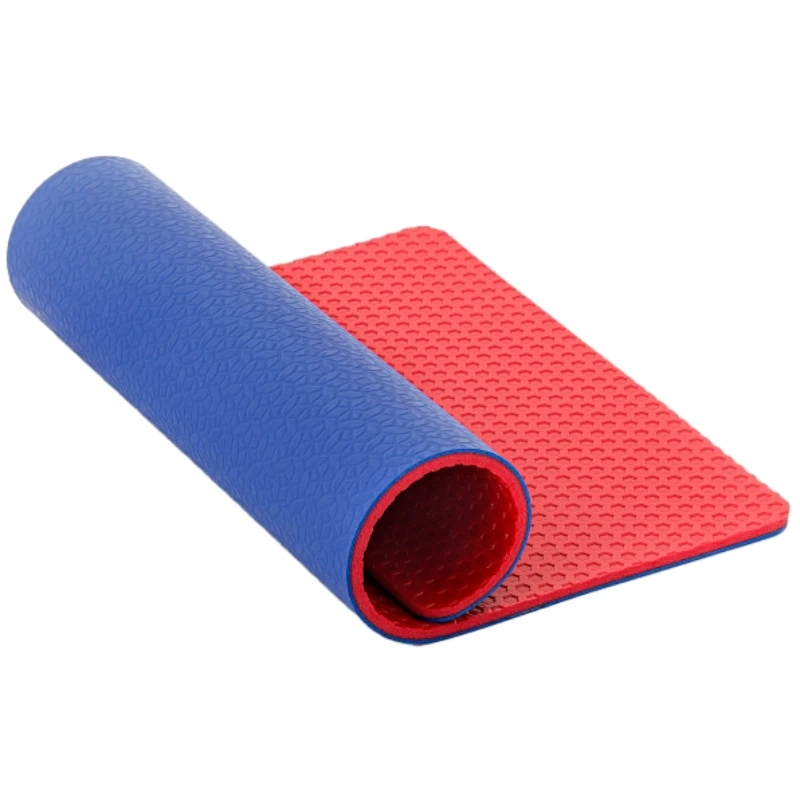
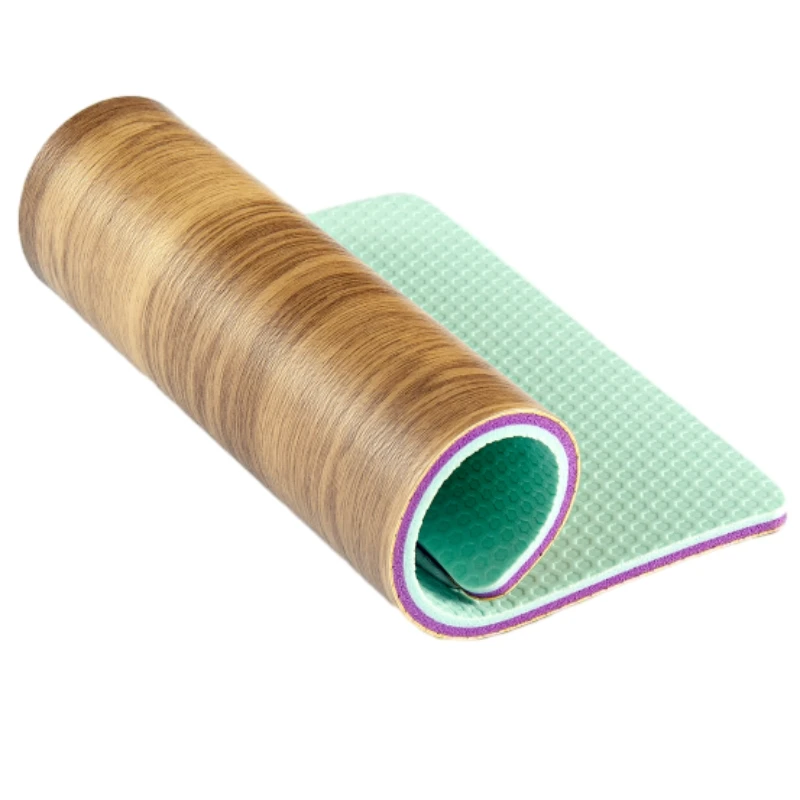
Exquisite Stone Pattern Tennis Flooring
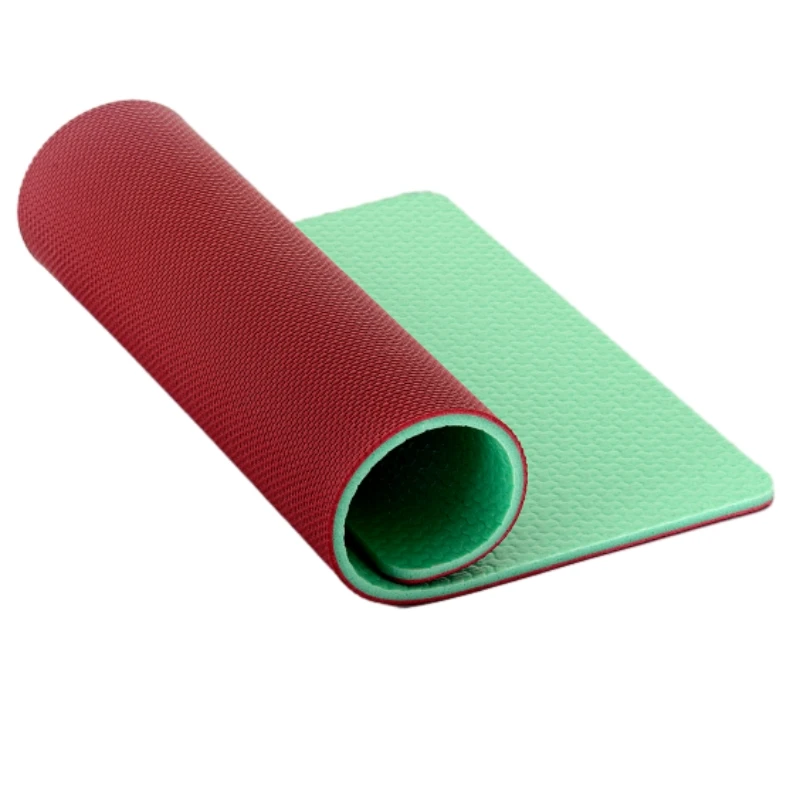
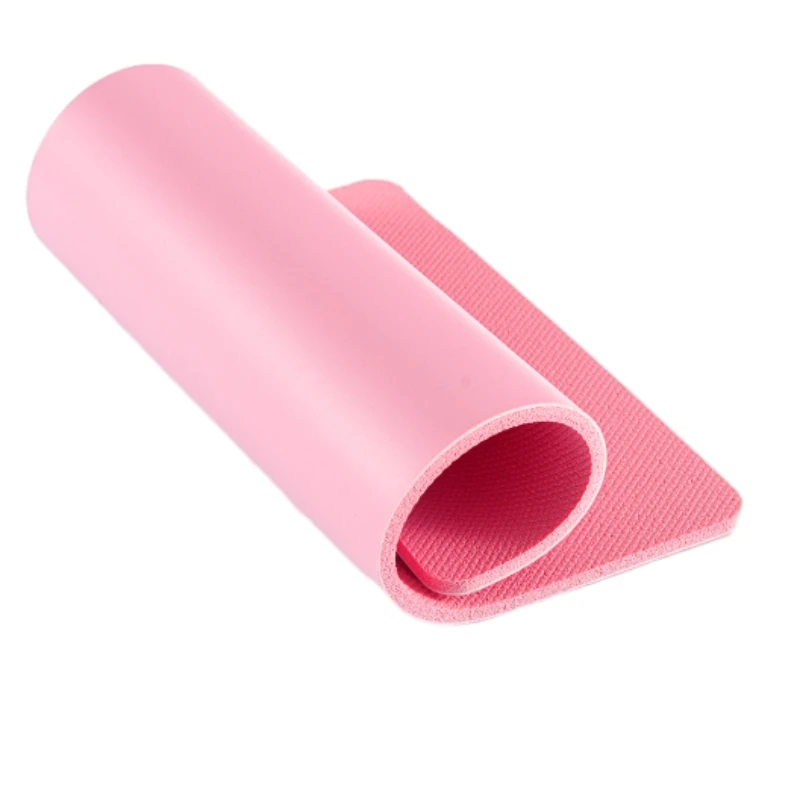
Weaving 4.8mm Sports Flooring
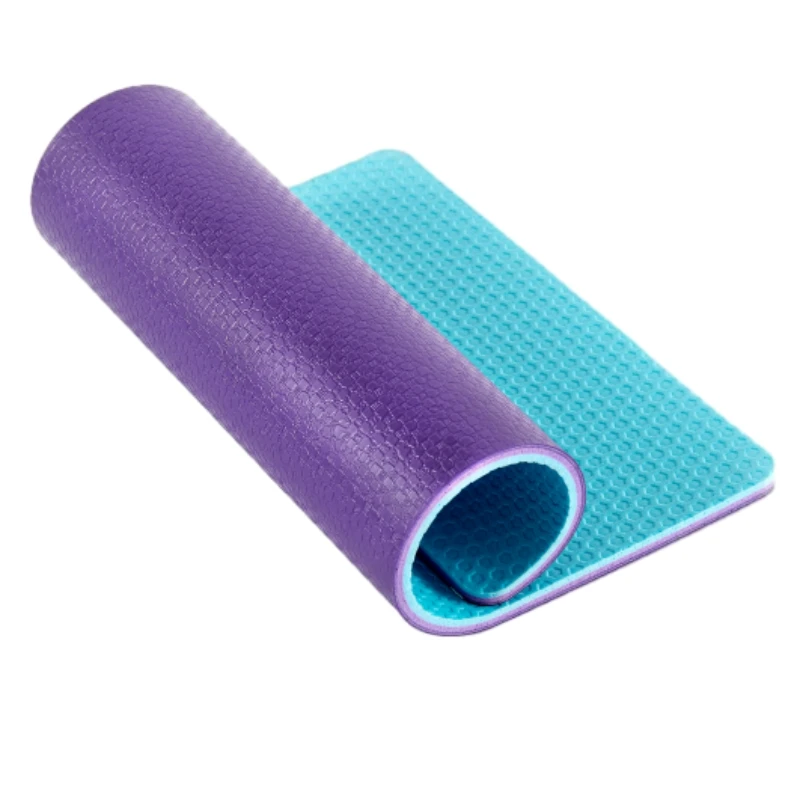
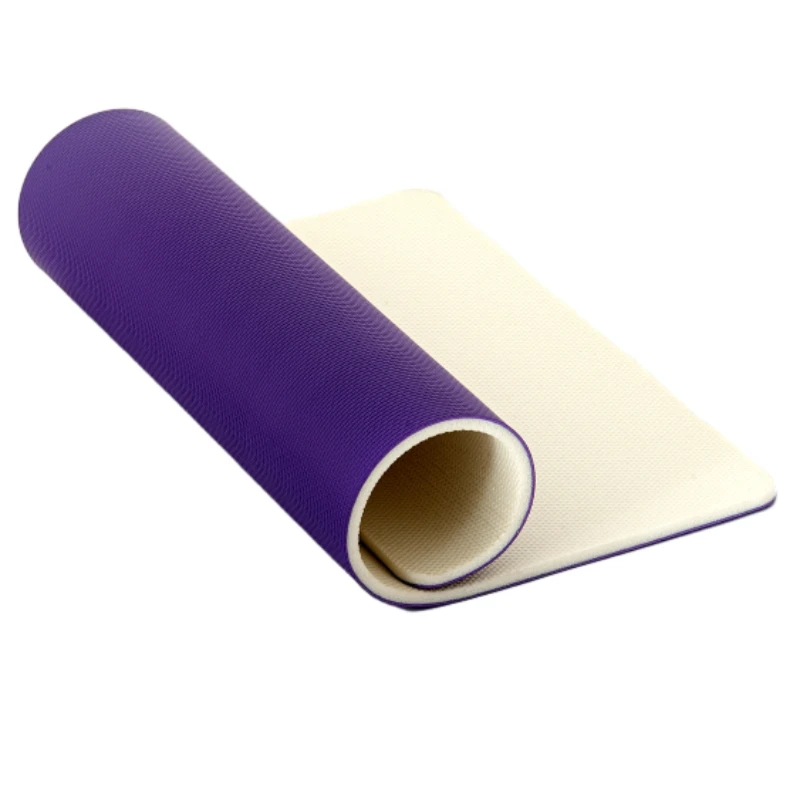
Colored Stone Pattern 6.0mm Sports Flooring
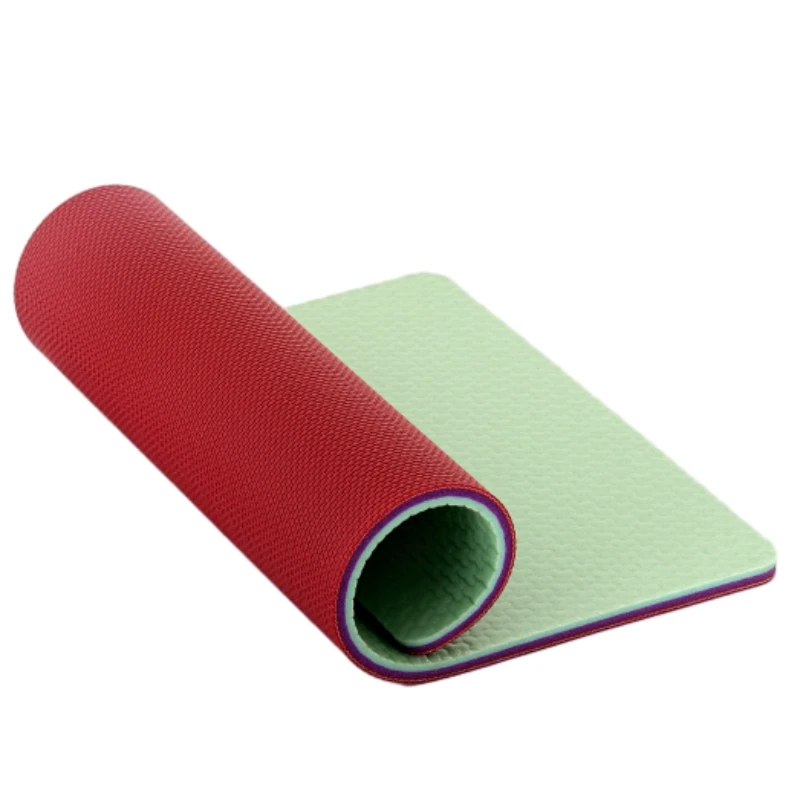
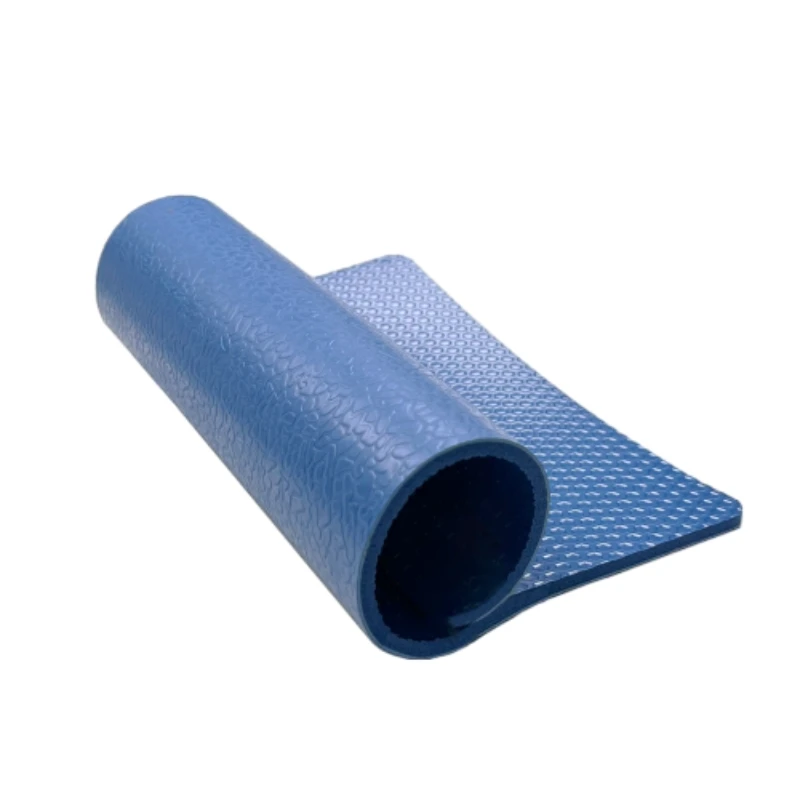
PET Weaving 6.0mm Table Tennis Flooring
Buyer's Guide
Frequently Asked Questions
Clear answers to help you select the optimal flooring for your sports facility.
What is the main difference between PVC sports flooring and interlocking tiles for outdoor use?
The primary difference lies in drainage and installation. Interlocking tiles are designed with perforations that allow water to drain vertically, making them ideal for completely outdoor, unsheltered courts. PVC flooring is typically a seamless surface that provides superior shock absorption and is better suited for indoor gyms or sheltered outdoor areas. For Peruvian venues exposed to heavy seasonal rain, interlocking tiles are recommended to prevent water pooling and slip hazards.
How does the cost of modular tiles compare to traditional poured acrylic or concrete surfaces?
While the initial material cost of modular tiles may be higher than basic concrete, the total cost of ownership is typically lower. Modular systems eliminate the need for expensive surface preparation and long curing times. Furthermore, maintenance is significantly cheaper because you only replace specific damaged tiles rather than resurfacing the entire court. This avoids the high labor costs and facility downtime associated with traditional poured surfaces.
Can these sports floors be installed on existing concrete in Peru without removing the old surface?
Yes, one of the biggest advantages of our modular systems is that they can often be installed directly over a stable, level concrete sub-base. This "overlay" approach saves significant demolition costs and time. We recommend a brief assessment of the existing surface to ensure there are no major structural cracks or severe unevenness that could affect the final level of the court.
What specific certifications should I look for to ensure the court is professional-grade?
For professional athletics, look for BWF (Badminton World Federation) and FIBA (International Basketball Federation) certifications. These ensure the floor meets strict requirements for friction, ball rebound, and shock absorption. Additionally, ISO and CE certifications guarantee that the manufacturing process and materials meet international safety and quality standards, which is critical for reducing athlete injury risks.
How do I maintain the flooring to ensure it lasts for many years in a high-traffic environment?
Maintenance for our PVC and interlocking floors is minimal. For outdoor tiles, regular sweeping or pressure washing with water is usually sufficient to remove debris from the drainage holes. For indoor PVC, a damp mop with a pH-neutral cleaner is recommended to avoid damaging the wear layer. The most critical factor is ensuring that no sharp objects or abrasive chemicals are used on the surface to preserve the non-slip texture.
What is the first step to get a customized flooring solution for my facility in Peru?
The first step is to define your court dimensions, the intended sports, and whether the installation is indoor or outdoor. Once you provide these details, we can recommend the specific product series (PVC or Interlocking) and suggest a color palette. From there, we provide a technical proposal including estimated lead times and shipping options to Peru to ensure a smooth project rollout.
Ready to Upgrade
Build a Professional Sports Environment in Peru
Whether you are designing a municipal complex, a professional academy, or a private wellness center, our certified flooring solutions provide the perfect balance of safety, durability, and performance. Let our technical team help you select the right system to withstand the local Peruvian climate and maximize your facility's operational life. Contact us today to discuss your specific requirements and receive a tailored proposal.
Discuss Your Requirements