


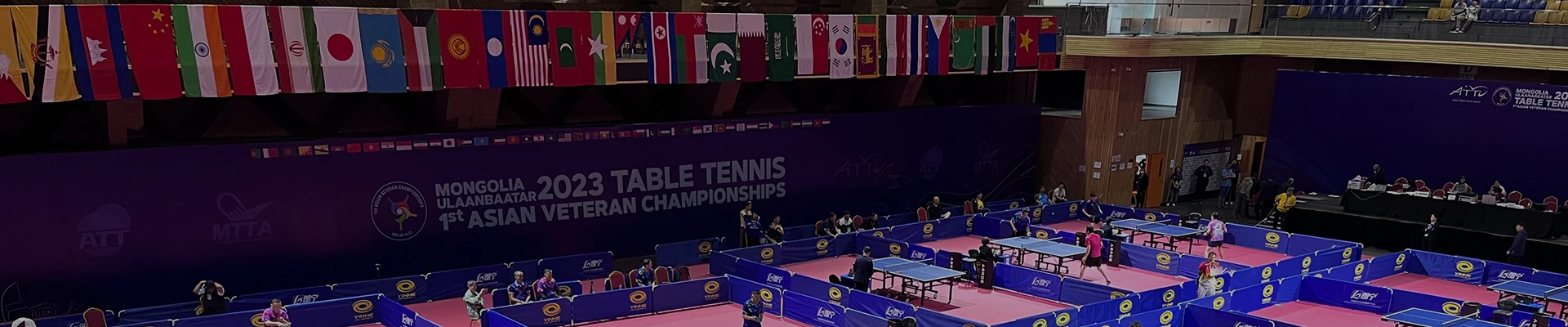
Portable Tennis Court Flooring: Durable, Rapid Installation & Global Uses
Understanding Portable Tennis Court Flooring: Durable, Versatile Solutions for Global Play
Portable tennis court flooring might sound niche at first, but it’s surprisingly crucial worldwide. Where permanent courts aren’t feasible—whether due to temporary events, disaster relief, or remote areas—these innovative floors open spaces for sport, recreation, and even community building. They offer fast setup, reliable performance, and adaptability that traditional surfaces just can’t match.
Introduction: Why Portable Tennis Court Flooring Matters Globally
Sport is a universal language, and tennis has become a global favorite. According to the International Tennis Federation, over 87 million people play tennis worldwide. However, the infrastructure to support play is unevenly distributed. That’s where portable tennis court flooring steps in. It’s estimated by market analysts that flexible sports flooring solutions are growing at a rate exceeding 7% annually, driven by increasing demand in urban planning, event management, and humanitarian aid.
In fact, portable courts allow cities and organizations to expand access quickly without the lengthy construction and high costs of permanent courts. They also fill a unique role in disaster zones or areas recovering from conflict, where rebuilding permanent recreation facilities could take years. Frankly, portable flooring provides not just a surface for play—it offers dignity, normalcy, and community health benefits.
What Is Portable Tennis Court Flooring?
Put simply, portable tennis court flooring consists of detachable, modular panels designed to create a safe, resilient tennis surface that can be assembled and disassembled rapidly. Usually made from high-grade plastics or composite materials, these sections lock together to form a uniform court mimicking professional play conditions without permanent installation.
Beyond tennis, these floors serve multi-sport functions and are widely used in event spaces, temporary training camps, and even humanitarian relief—such as creating safe playgrounds or sports zones. It’s modern engineering meeting real-world needs, combining portability with performance in a way that’s rare.
Key Factors of Portable Tennis Court Flooring
1. Durability
These floors endure intense play—impact, slides, and weather extremes. Materials are UV-resistant, non-slip, and shock-absorbing to reduce injury risk and extend surface lifespan.
2. Scalability & Modularity
The panel system means courts can be built in standard or customized sizes. Need a half-sized court for kids or a full pro-level setup? Just add or subtract panels. This scalability is a game-changer for varied environments.
3. Ease of Installation
Setup time ranges from a few hours to a day with minimal tools and unskilled labor, unlike concrete or asphalt which require specialized crews and curing times.
4. Cost Efficiency
Though upfront costs vary, the lower installation and maintenance expenses coupled with reusability mean long-term savings.
5. Surface Performance
Designed to replicate clay, grass, or hardcourt playing characteristics, many portable floors offer consistent ball bounce and traction.
Specification Table: Typical Portable Tennis Court Flooring
| Feature | Specification | Benefit |
|---|---|---|
| Material | High-density polypropylene or composite | Weatherproof & durable |
| Panel Size | Typically 30cm x 30cm (12″ x 12″) | Modular, scalable for custom layouts |
| Weight | Approx. 2.5 kg per panel | Easily carried & installed by few people |
| Installation Time | 4-8 hours for full 20m x 10m court | Rapid deployment |
| Surface Texture | Non-slip, perforated for drainage | Safety and all-weather playability |
Mini takeaway: Durable, modular, and fast to deploy — portable court flooring empowers organizers with unmatched flexibility and performance.
Global Applications & Use Cases of Portable Tennis Court Flooring
Globally, portable tennis courts have found homes in some unexpected places. They feature heavily in:
- Urban Pop-Up Events: Cities lacking permanent courts use portable floors to host tournaments or community programs in plazas or parking lots.
- Remote & Rural Areas: Places where building a concrete court is cost-prohibitive benefit from these flexible courts to boost sports access.
- Disaster Relief Zones: NGOs and relief agencies use them to restore recreational spaces quickly, which improves the mental health of displaced communities.
- Schools & Camps: Temporary schools or summer camps use portable courts for multi-use play surfaces, optimizing limited space.
For example, after the 2015 Nepal earthquake, relief organizations installed portable sports courts to provide kids with safe play areas — “it felt like giving back a little piece of normal life,” one volunteer recounted.
Advantages & Long-Term Value
The advantages go beyond the obvious portability:
- Cost Savings: Low upfront labor and no lengthy construction yield impressive ROI, especially when courts are needed temporarily or moved frequently.
- Sustainability: Many manufacturers use recyclable materials and incorporate water drainage to reduce environmental impact.
- Social Impact: Providing safe spaces for sport fosters community cohesion, healthy life choices, and youth engagement.
- Reliability: With tested durability and performance, users trust the surface for competitive play or casual use alike.
Emotionally, it feels good to know a tennis court’s ready wherever and whenever. For players and organizers alike, that trust and innovation breed deeper engagement.
Vendor Comparison: Top Portable Tennis Court Flooring Brands
| Brand | Material | Installation Time | Customization | Warranty |
|---|---|---|---|---|
| Langning Sports | Polypropylene composite | 6 hours for standard court | Full color & size options | 5 years |
| ModuPave | High-density plastic | 8 hours | Limited custom sizes | 3 years |
| FlexiCourt | Polyurethane surface | 4-6 hours | Custom colors, modular panels | 4 years |
Mini takeaway: Choosing a vendor depends on your need for custom features, budget, and deployment time — but overall, the market has strong and reliable options.
Future Trends & Innovations
Oddly enough, the future of portable tennis court flooring ties in closely with tech and sustainability trends. Think lightweight composite materials that incorporate recycled plastics or biodegradable composites. Innovations are pushing flooring toward embedded sensors measuring court usage or wear in real time—ideal for maintenance planning.
Sustainability-wise, improved drainage systems and coatings resistant to harsh climates reduce water damage and energy waste. Digitally, augmented reality (AR) could integrate with courts for training or entertainment purposes.
Challenges & Solutions
Of course, no solution is perfect. Some portability trade-offs include lower shock absorption compared to permanent courts or panels shifting under intense play if improperly installed. But advances in locking mechanisms and hybrid cushioning inserts are closing these gaps.
Also, transportation logistics can be tricky given bulky panel sizes. Here, modular pack designs and optimized stacking have helped drastically reduce shipping volumes and costs.
FAQ: Portable Tennis Court Flooring
- Q: How long does it take to set up a portable tennis court?
A: Usually between 4 to 8 hours with a small team — much faster than permanent court construction, which can take weeks or months. - Q: Are portable tennis courts safe for competitive play?
A: Yes, most meet international standards for slip resistance and bounce, making them suitable for training and amateur competition. - Q: Can portable tennis floors be reused indefinitely?
A: While durable, floors typically last 5-10 years depending on usage and maintenance. Panels can be replaced individually to extend lifespan. - Q: Are these floors environmentally friendly?
A: Many manufacturers use recyclable materials and design for reduced water use, but it varies by brand. Always ask for eco-certifications. - Q: How do I transport and store portable court panels?
A: Panels are stackable and lightweight to facilitate transport in trucks or containers and should be stored indoors to prevent damage when not in use.
Conclusion: Why Portable Tennis Court Flooring Makes Sense Long-Term
In real terms, investing in portable tennis court flooring is investing in flexible, accessible sport and community spaces. They overcome geographic, economic, and temporal constraints, bringing tennis—and all its social and health benefits—to more people. Whether you want to launch a pop-up tournament, equip a remote camp, or assist post-crisis communities, these floors deliver.
Ready to explore your options? Visit our website: https://www.langningsportsfloor.com to find out how portable tennis solutions can serve your needs.
It sort of feels like the courts are coming to us, rather than the other way around—and that’s pretty exciting.
References:
-
Premium Outdoor Dance Floor for Sale Professional Event SurfacesNewsApr.16,2026
-
Premium Professional White Dance Floor for Sale and Buying GuideNewsApr.09,2026
-
Find Your Perfect Portable Dance Floor for Sale and Create Unforgettable EventsNewsApr.07,2026
-
Find High Quality Dance Flooring for Sale and Expert GuidanceNewsApr.04,2026
-
Comprehensive Guide to Durable Commercial Vinyl Solutions for BusinessesNewsMar.31,2026
-
Comprehensive Commercial Flooring Management for Business LongevityNewsMar.28,2026
-
Comprehensive Guide to Selecting the Right Commercial Flooring MaterialsNewsMar.26,2026