


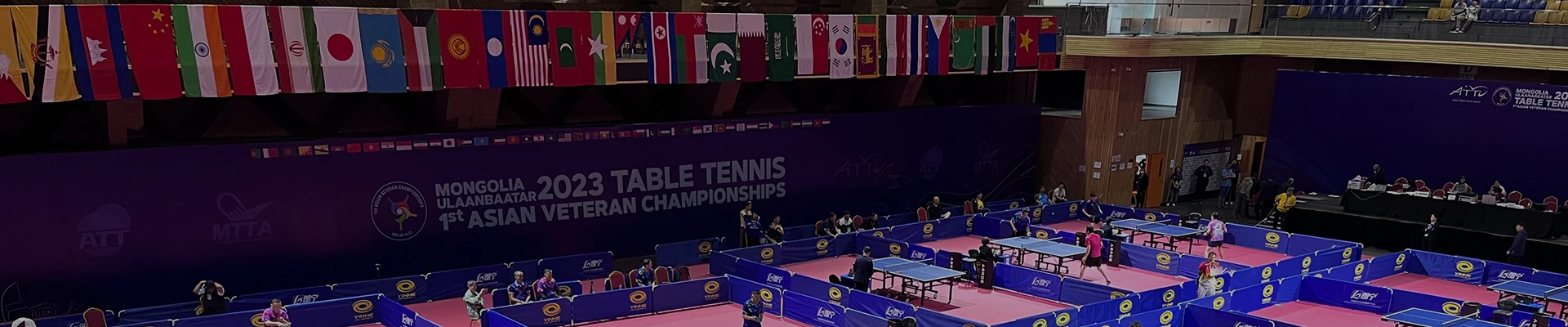
Indoor Tennis Court Flooring: Durable, Safe, and Sustainable Surfaces for Modern Facilities
Indoor Tennis Court Flooring: The Backbone of Modern Sports Facilities
When you think of an indoor tennis court, what comes to mind? Probably the swift movement of players, precise ball bounces, and, if you’re lucky, the soothing shelter from unpredictable weather. But beneath all that action lies a crucial element that’s often overlooked: indoor tennis court flooring. This surface isn’t just about aesthetics or comfort; it governs playability, safety, and longevity of the facility. Understanding it can unlock key benefits for players, venue operators, and architects worldwide.
Globally, indoor sports facilities have surged in popularity. According to reports from the International Tennis Federation (ITF) and sports infrastructure studies, the demand for year-round tennis play in climates from snowy Scandinavia to tropical Singapore hinges heavily on the quality of the indoor surface.
Why Indoor Tennis Court Flooring Matters Globally
The World Bank estimates that the global sports facility construction market will grow by nearly 5% annually over the next decade, driven by urbanization and health awareness. Indoor tennis courts particularly benefit regions experiencing extreme weather conditions — whether it’s severe winters in Canada or the sticky humidity of Southeast Asia. The right flooring helps maintain consistent ball behavior, player comfort, and injury prevention, making it an indispensable investment.
Oddly enough, while many people expect indoor courts to be “just like outdoor ones,” the flooring technology used indoors demands very different characteristics. We’re talking about shock absorption, moisture control, and surface uniformity—all critical for modern competitive play and recreational enjoyment.
Defining Indoor Tennis Court Flooring
In plain terms, indoor tennis court flooring refers to the material system installed inside an enclosed space that creates the playing surface specifically designed for table tennis and lawn tennis variants played indoors. These floors combine a supporting sub-base with specialized surface layers, optimized to control ball bounce, surface friction, and player traction.
Beyond sports, such flooring systems intersect with industry trends in sustainable material usage and modular construction—which are crucial for fast-growing urban centers and humanitarian projects where multi-use indoor courts also serve as community hubs or temporary shelters.
Key Features of Indoor Tennis Court Flooring
1. Durability
Indoor flooring undergoes intense wear, from foot traffic to equipment movement. High-quality flooring like cushioned acrylic or polyurethane coatings resist abrasion and UV damage, ensuring longevity often exceeding 15 years with proper maintenance.
2. Playability
The bounce of the ball, player movement, and overall court responsiveness are non-negotiable. Factors like surface friction and energy absorption are engineered for consistency indoors, where factors like sunlight or dampness can't affect performance as outdoors.
3. Safety
Proper shock-absorbing layers reduce injury risk by cushioning impacts on knees and ankles. This includes using materials compliant with ASTM (American Society for Testing and Materials) safety standards, a vital aspect for professional and school courts alike.
4. Cost Efficiency
It might surprise you, but initial installation costs vary widely, influenced by sub-floor prep needs and material choice. Yet well-chosen indoor court flooring often provides excellent lifecycle value versus cheaper alternatives that degrade rapidly or require frequent refinishing.
5. Environmental Sustainability
As green building standards grow, so does interest in eco-friendly flooring options—using recycled polymers or low-VOC (volatile organic compound) finishes is trending, aligning sports infrastructure with broader environmental goals.
Product Specification Table
| Specification | Typical Values | Unit |
|---|---|---|
| Surface Material | Cushioned Acrylic | – |
| Shock Absorption | 15–20 | % |
| Coefficient of Friction | 0.4–0.6 | (Static) |
| Expected Lifespan | 15–20 | years |
| Installation Time | 7–14 | days |
Global Applications & Use Cases
Indoor tennis courts cater to diverse settings—from professional sports complexes in the US and Europe to community centers in Asia-Pacific. For instance, Scandinavian countries invest heavily in indoor facilities to combat short outdoor playing seasons, while urban areas in India choose indoor courts for multi-use sports gyms.
We’ve even seen innovation in remote industrial camps, where indoor courts help workers maintain fitness in extreme climates. Notably, organizations building rural sports programs in Africa leverage lower-cost cushioned vinyl floors as they balance budgets and facility needs.
A quick note: if you want to learn more about specific flooring types, you might visit trusted suppliers of indoor tennis court flooring to explore detailed product lines and services.
Vendor Comparison for Indoor Tennis Flooring Solutions
| Vendor | Material Options | Lead Time | Warranty | Price Range |
|---|---|---|---|---|
| SportCourt | Modular Tiles, Acrylic | 2–4 weeks | 10 years | $$$ |
| Action Floor Systems | Cushioned Acrylic | 1–2 weeks | 15 years | $$ |
| Connor Sports | Wood & Synthetic | 3–5 weeks | 12 years | $$$ |
Why Investing in Indoor Tennis Court Flooring Pays Off
In practical terms, indoor tennis court flooring offers more than meets the eye. You get:
- Enhanced player safety through shock absorption and anti-slip surfaces.
- Reliable performance regardless of external weather, promoting consistent play all year.
- Cost benefits as durable materials reduce repair and resurfacing frequency.
- Environmental advantages linked to sustainable materials and lower energy use for maintenance.
Plus, venues with superior flooring often attract more players and events, which means better revenue streams and community engagement.
Emerging Trends in Indoor Tennis Flooring
The future looks promising. Innovations such as recycled composite materials reduce environmental footprints. Some manufacturers are experimenting with digital monitoring of floor conditions to schedule maintenance before damage becomes visible. And, sustainability isn’t just a buzzword—the incorporation of low-VOC finishes and recyclable components is rewriting what “high-performance” really means.
Additionally, modular and quick-install flooring kits are becoming popular for multi-use sports centers, adding flexibility that frankly feels like a game-changer in the industry.
Challenges and Expert Solutions
No solution is without challenges. Indoor tennis court flooring installation requires precise subfloor preparation; uneven or moisture-damaged substrates can cause premature failure. Cost barriers still exist, especially in developing regions where lower-cost options might sacrifice quality.
Experts suggest adopting layered flooring systems that allow phased upgrades, extending useful life and controlling costs over time. Also, regular professional inspections can catch issues early, protecting your investment.
FAQ: Answers to Common Questions on Indoor Tennis Court Flooring
- Q: What’s the best flooring for competitive indoor tennis?
A: Cushioned acrylic surfaces are ideal for consistent ball bounce and player safety, widely approved by tennis federations. - Q: How often should indoor tennis courts be resurfaced?
A: Typically every 7–10 years, but this depends on usage intensity and climate control within the facility. - Q: Can indoor tennis court flooring be eco-friendly?
A: Yes, many manufacturers now offer products made with recycled materials and low-emission coatings compliant with ISO environmental standards. - Q: How long does installation usually take?
A: Professional installation typically requires 1–2 weeks, including curing time for surface coatings before play.
Conclusion: A Lasting Investment in Sport and Community
Indoor tennis court flooring is more than just a surface to play on—it’s a strategic investment that enhances player experience, operational efficiency, and community health. As demands for year-round, safe, and sustainable indoor sports spaces grow, understanding this vital component is essential for facility managers, architects, and players alike.
For practical insights, product guidance, or installation support, I invite you to explore the comprehensive offerings at Langning Sports, your partner in creating exceptional indoor tennis courts.
After all, the right floor makes every match—not just playable, but memorable.
Mini takeaway: Indoor tennis court flooring fuses science, sustainability, and sport to create safe, durable, and high-performance play surfaces that matter worldwide.
References
-
Premium Outdoor Dance Floor for Sale Professional Event SurfacesNewsApr.16,2026
-
Premium Professional White Dance Floor for Sale and Buying GuideNewsApr.09,2026
-
Find Your Perfect Portable Dance Floor for Sale and Create Unforgettable EventsNewsApr.07,2026
-
Find High Quality Dance Flooring for Sale and Expert GuidanceNewsApr.04,2026
-
Comprehensive Guide to Durable Commercial Vinyl Solutions for BusinessesNewsMar.31,2026
-
Comprehensive Commercial Flooring Management for Business LongevityNewsMar.28,2026
-
Comprehensive Guide to Selecting the Right Commercial Flooring MaterialsNewsMar.26,2026