


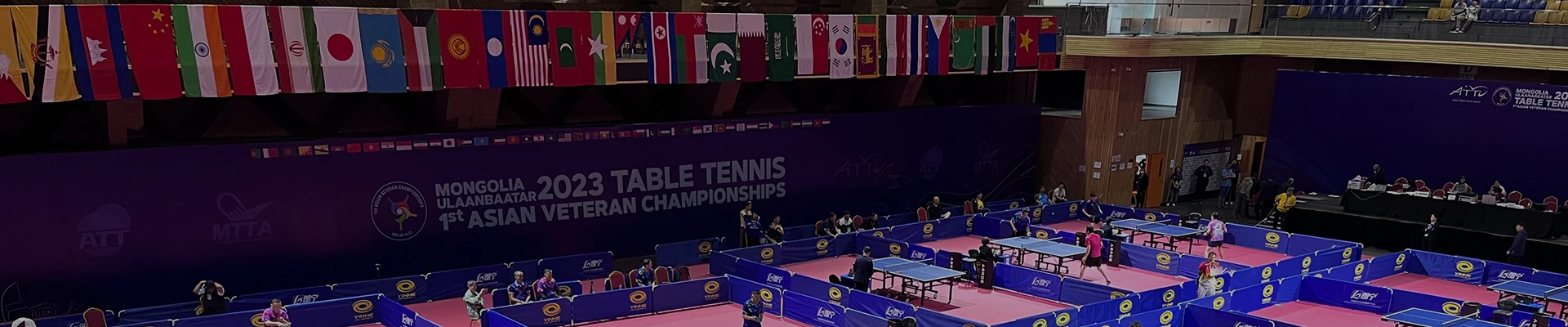
Indoor Basketball Flooring Prices – A Comprehensive Guide to Smarter Investment
Nov . 27, 2025 13:55
Back to list
Indoor Basketball Flooring Prices – A Comprehensive Guide to Smarter Investment
Understanding Indoor Basketball Flooring Prices: Why It Matters Today
If you’ve ever stepped inside a basketball court and wondered why some floors feel __just right__, while others seem off, you’re not alone. Indoor basketball flooring prices aren’t just numbers on a spreadsheet—they tell a bigger story about safety, performance, and lasting value in sports infrastructure. Globally, investing wisely in quality basketball flooring fosters athlete wellbeing, reduces injury risks, and even enhances game quality. Knowing the ins and outs of indoor basketball flooring prices can help schools, gyms, and sports centers make smarter choices that pay off long-term. At first glance, flooring prices might sound mundane, but the ripple effects are significant—especially as basketball’s popularity climbs worldwide. From small-town courts in the US to multi-use arenas in Europe and Asia, the quest for optimal indoor court floors has industry leaders thinking about durability, eco-friendliness, and cost-effectiveness in entirely new ways. ---The Growing Importance of Indoor Basketball Flooring Prices Globally
Globally, sports facility investments have surged. According to the International Olympic Committee (IOC), about 70% of new sports venues constructed over the last decade include specialized indoor courts. Yet, there is a pressing challenge—many facilities struggle balancing upfront costs with maintenance and long-term performance, especially in regions where budgets are tight. Indoor basketball flooring prices become key variables in this balancing act. Interestingly, the global sports flooring market is expected to exceed $7 billion by 2026, driven largely by indoor applications. The World Bank’s data on infrastructure spending correlates with this trend, underscoring a growing focus on sustainable and cost-efficient materials. But costs vary drastically due to material choices, labor, location, and technology integration. So, what’s the real hurdle? Many decision-makers find it tricky to decode the jargon and hidden fees embedded in flooring prices, not to mention the technical specs that spell the difference between high-performance maple courts and cheaper vinyl alternatives. This article aims to clear up the fog. ---What Are Indoor Basketball Flooring Prices, Exactly?
The phrase “indoor basketball flooring prices” essentially covers the total cost to acquire and install flooring designed specifically for indoor basketball courts. This includes raw materials, specialized underlayment, labor, finishing, and often maintenance projections. These prices reflect much more than a simple surface. They tie deeply into modern demands—sports biomechanics, durability under heavy use, and environmental considerations. For example, some premium floors use engineered hardwood with shock-absorption layers to reduce joint stress, while budget variants might opt for synthetic tiles prioritizing cost-efficiency over feel. In humanitarian and educational contexts, affordable and safe basketball flooring often supports community programs aiming to promote youth engagement and physical activity, especially in underfunded areas. ---Key Factors Shaping Indoor Basketball Flooring Prices
1. Material Quality and Type
Wood, vinyl, polyurethane, or modular tiles each carry different price tags. Hardwood—usually maple—is prized for aesthetics and performance but can be costly. Vinyl flooring is cheaper but less durable.2. Durability and Maintenance Requirements
Even the best floors demand upkeep. Some pricier options include coatings to resist scratches and moisture, which save money over years despite a higher initial spend.3. Installation Complexity
Costs often spike with intricate designs or unique venue shapes. Floors with advanced shock absorption or integrated heating systems require specialist teams, impacting labor fees.4. Environmental and Sustainability Credentials
Eco-certified materials and low-VOC finishes are becoming more common, sometimes increasing costs—but also attracting grants or subsidies.5. Vendor Services and Warranty
Long-term warranties and post-installation services can add upfront costs but minimize risk.6. Geographic Location
Import duties, shipping, and local labor costs vary widely. In remote areas, prices can jump due to logistics. Mini takeaway: Indoor basketball flooring prices reflect a nuanced blend of material choice, craftsmanship, and market factors. It’s not as straightforward as picking the cheapest tile. ---How Indoor Basketball Flooring Prices Translate Around the World
Indoor courts are found everywhere—from universities in Canada to sports clubs in Japan and community centers in Kenya. Each has unique demands inflating or reducing prices. In North America and Europe, premium hardwood tends to dominate due to tradition and athlete expectations. Meanwhile, emerging markets might prioritize synthetic options that balance quality and affordability. For instance, in post-disaster relief efforts, quick-install modular flooring solutions are preferred because of their speed and cost efficiency. Similarly, schools in economically challenged regions might use vinyl surfaces that offer basic safety and performance at a lower price. One vivid example: a basketball court upgrade in a Sydney community center swapped out old concrete for eco-friendly, engineered wood flooring. Though the upfront price was high, players noticed improved traction and less foot fatigue immediately, highlighting how spending upfront can enhance social impact and user satisfaction. ---Advantages and Long-Term Value of Smart Flooring Investment
Opting for well-planned indoor basketball flooring isn’t just about today’s budget line item. It’s about safety, sustainability, and reputation. - Cost Efficiency over Time: Durable, easy-to-maintain floors reduce repair expenses and downtime. - Enhanced Athlete Safety: Shock absorption technology reduces injury risk. - Sustainability: Eco-friendly floors lower carbon footprints and attract conscious consumers. - Community and Social Impact: Quality surfaces encourage physical activity, supporting wellness and social inclusion. - Reliability and Warranty: Investing in respected brands often means peace of mind. Emotionally speaking, these factors also build trust among players, coaches, and fans—there’s pride in a well-kept, professional court. ---Future Trends Shaping Indoor Basketball Flooring Prices
Innovation is buzzing here. Expect to see more: - Smart Surfaces: Embedded sensors tracking wear patterns and player impact to schedule smart maintenance. - Eco-conscious Materials: Bamboo and recycled composites lowering environmental impact. - Digital Ordering and Design Tools: Allowing custom prints and patterns without extra cost. - Integration with Underfloor Heating or Cooling: Enhancing comfort for all climates. - Automated Installation Technologies: Dropping labor costs where site access is tricky. Simply put, tomorrow’s courts likely blend performance with tech and sustainability, potentially redefining indoor basketball flooring prices on a new playing field. ---Common Challenges & How to Get Smart About Them
Of course, hurdles remain: - Price Transparency: Vendors sometimes package essential costs as add-ons. - Quality Variability: Low-cost floors risk faster degradation, offsetting savings. - Technical Expertise Gaps: Not all contractors understand specialized installation nuances. - Supply Chain Disruptions: Material shortages can push prices unpredictably. The smart approach? Work with well-reviewed companies, ask for detailed quotes, and consider total cost of ownership over just upfront price. Sometimes chatting with other facility managers can reveal hidden costs or vendor strengths. ---Indoor Basketball Flooring Prices: Frequently Asked Questions
Q1: How much does it typically cost to install an indoor basketball court floor?Costs vary from $6 to $15 per square foot, depending on material and installation complexity. Hardwood floors tend to be on the higher end, while vinyl or rubber tiles are more budget-friendly. Q2: Are synthetic basketball floors as good as hardwood?
Synthetic floors offer durability and lower cost but generally don’t provide the same ball bounce and feel as hardwood. They’re great for multi-use or budget setups. Q3: What maintenance factors affect indoor basketball flooring prices after installation?
Routine cleaning, refinishing (especially hardwood), and immediate repair of scratches or dents influence long-term expenses and should be factored into your initial budget. Q4: Can environmental certifications influence pricing?
Yes, floors meeting standards like GREENGUARD or FSC certification often carry additional costs but can benefit from subsidies and appeal to eco-conscious users. Q5: How do location and shipping impact flooring prices?
Remote sites or import-heavy regions naturally see higher prices due to transport fees and customs duties, sometimes adding 10–25% to overall cost. ---
A Practical Indoor Basketball Flooring Product Specification Table
| Specification | Engineered Maple Floor | Vinyl Modular Tile |
|---|---|---|
| Cost per sq. ft. | $12–$15 | $6–$9 |
| Durability | 15+ years (with maintenance) | 8–10 years |
| Shock Absorption | Excellent | Moderate |
| Environmental Rating | FSC Certified, Low VOC | Recyclable Material |
| Installation Time | 4–7 days | 1–3 days |
Vendor Comparison: Indoor Basketball Flooring Providers
| Vendor | Price Range | Warranty | Eco Options | Notable Clients |
|---|---|---|---|---|
| ProCourt Floors | $10–$16 / sq.ft. | 10 Years | FSC Certified Wood | NYC Public Schools |
| FlexTile Solutions | $5–$9 / sq.ft. | 5 Years | Recycled PVC | Community Centers in Canada |
| GreenSport Flooring | $8–$14 / sq.ft. | 7 Years | Bamboo Composite | European Sports Complexes |
Final Thoughts and Where to Go from Here
Indoor basketball flooring prices might not grab headlines like a buzzer-beater shot, but in the world of sports infrastructure, they quietly underpin every great game. Whether you’re a facility manager, a school administrator, or just someone curious about the nuts and bolts of court building, understanding this topic ensures smarter spending, safer athletes, and more enjoyable games. In this journey, remember: the cheapest floor often isn’t the best investment, and durable, eco-conscious options yield rewards beyond the scoreboard. Want to explore the latest in court flooring and get custom quotes? Visit our website: indoor basketball flooring prices to dive deeper. Because when it comes to courts, the right floor is really the foundation of the game. ---References
Latest news
-
Premium Outdoor Dance Floor for Sale Professional Event SurfacesNewsApr.16,2026
-
Premium Professional White Dance Floor for Sale and Buying GuideNewsApr.09,2026
-
Find Your Perfect Portable Dance Floor for Sale and Create Unforgettable EventsNewsApr.07,2026
-
Find High Quality Dance Flooring for Sale and Expert GuidanceNewsApr.04,2026
-
Comprehensive Guide to Durable Commercial Vinyl Solutions for BusinessesNewsMar.31,2026
-
Comprehensive Commercial Flooring Management for Business LongevityNewsMar.28,2026
-
Comprehensive Guide to Selecting the Right Commercial Flooring MaterialsNewsMar.26,2026