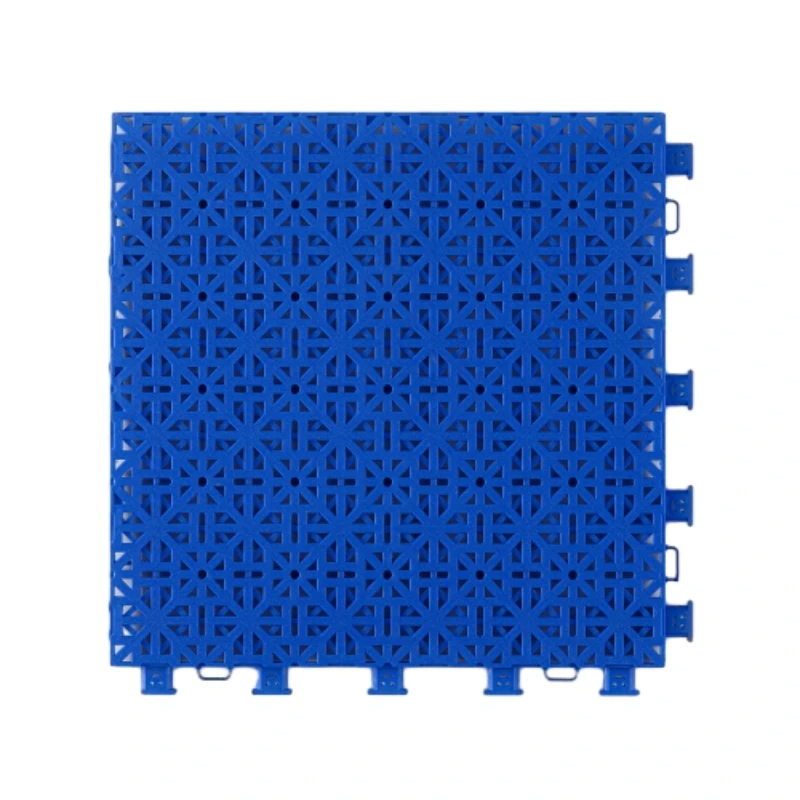
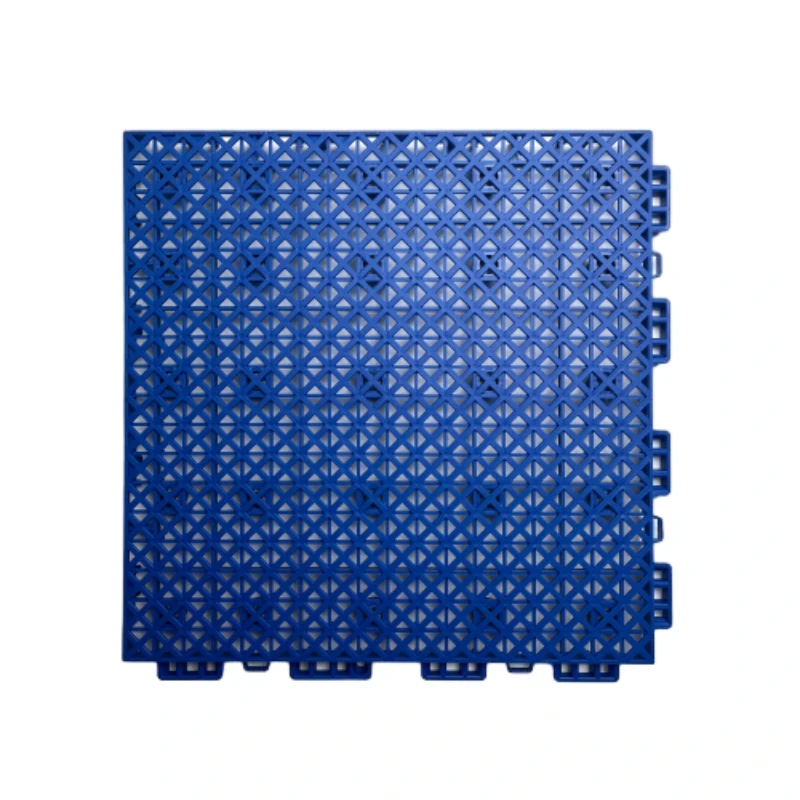
In Mali, the development of sports infrastructure faces significant challenges due to extreme temperature fluctuations and high UV exposure. Traditional surfaces often degrade rapidly under the Sahelian sun, leading to cracking and safety hazards. To counter this, the adoption of outdoor sport court tiles has become essential. These interlocking systems provide the necessary thermal expansion capacity and drainage, ensuring that community courts remain functional and safe throughout the year despite the harsh climate.
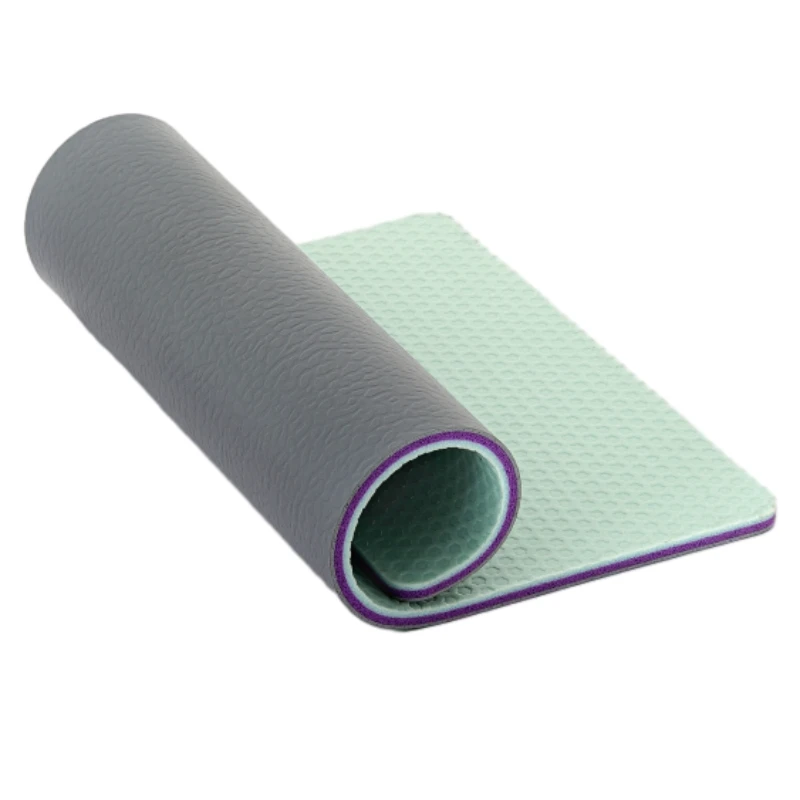
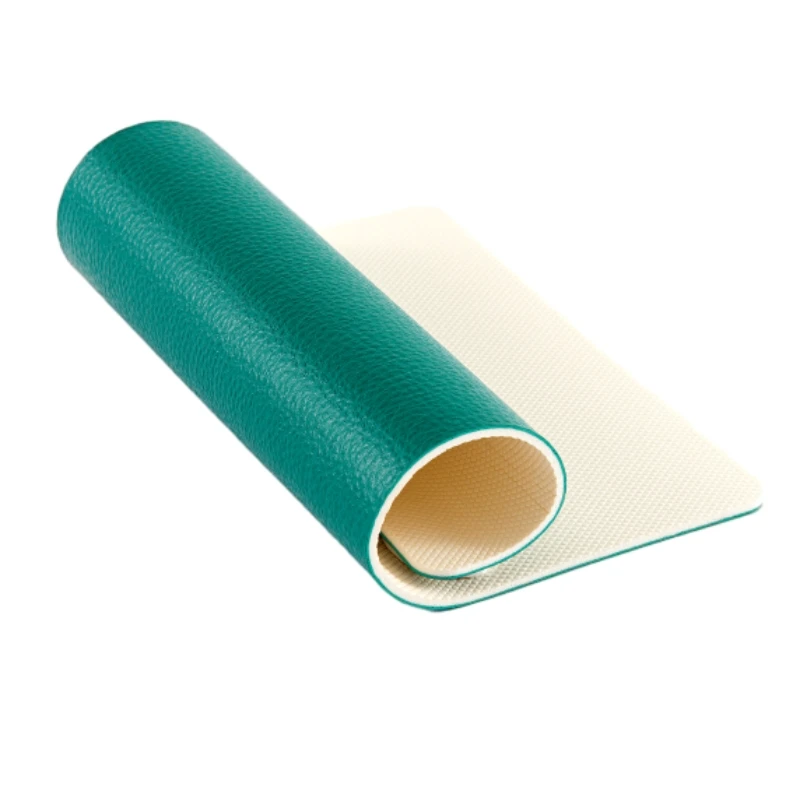
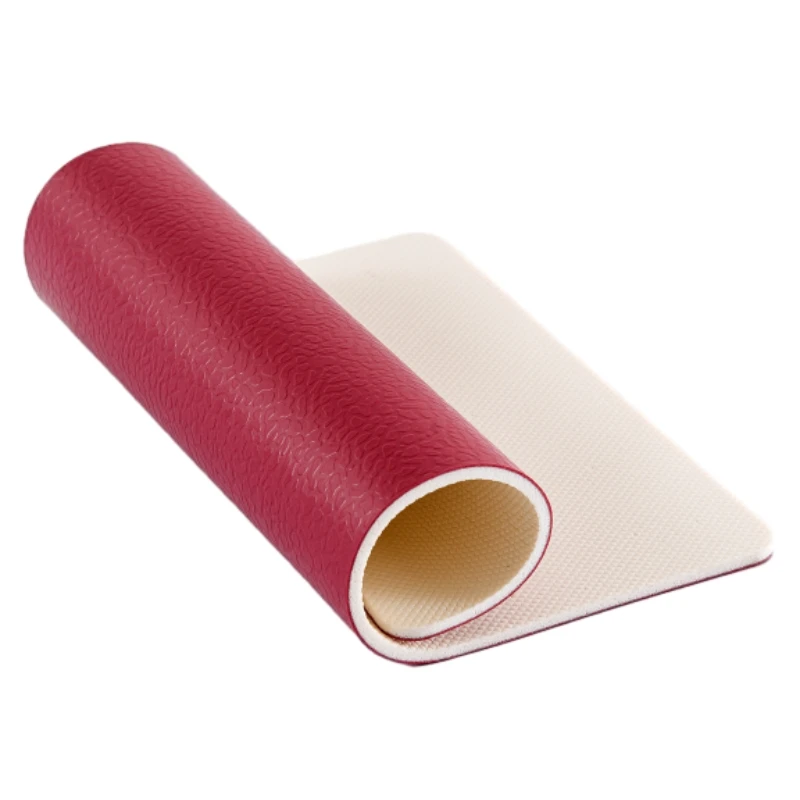
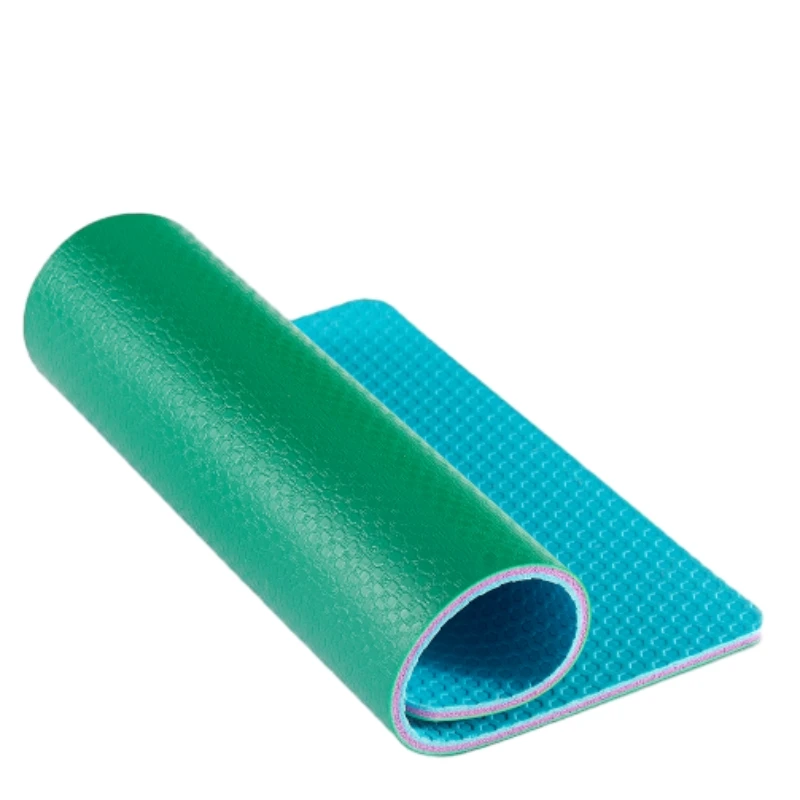
The regional demand is shifting toward multi-functional spaces that can accommodate various disciplines. The integration of a high-quality pvc sport floor allows institutions to pivot between basketball, volleyball, and indoor training without compromising athlete safety. As urban centers expand and sports academies grow, there is a heightened focus on shock absorption and traction to reduce injury rates among young athletes, moving away from basic concrete surfaces toward professional-grade synthetic polymers.
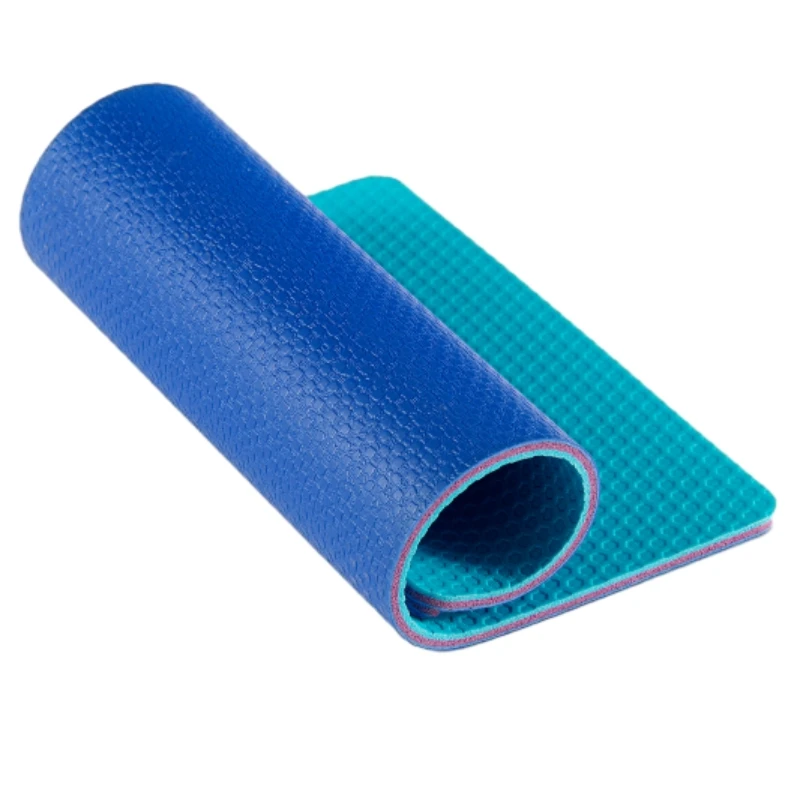
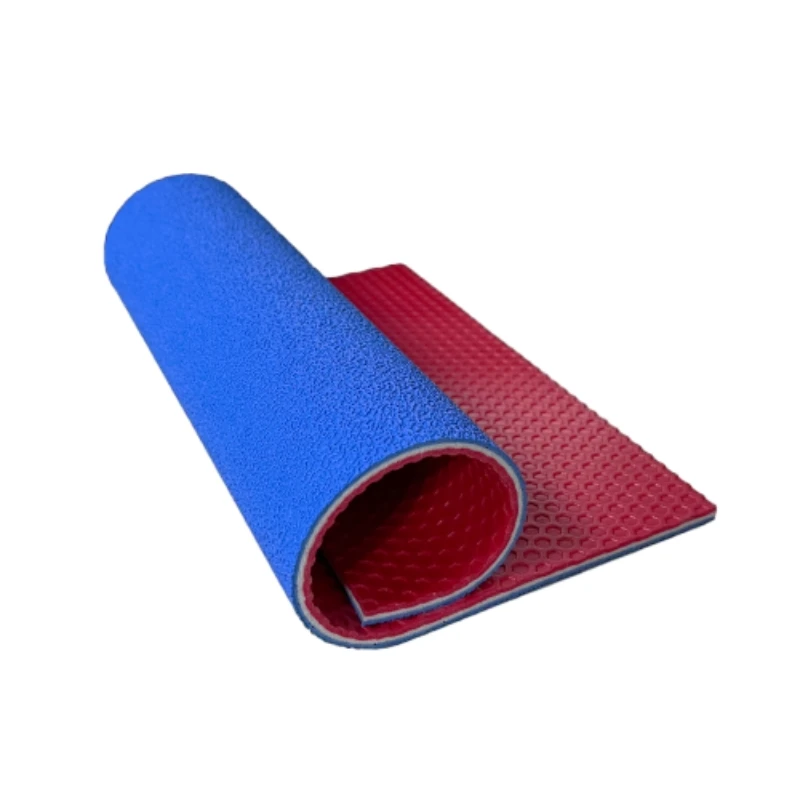
From a procurement perspective, the priority for Malian developers is now a balance between long-term lifecycle cost and initial installation efficiency. By implementing modular and durable systems, such as a specialized basketball court floor, operators can reduce maintenance downtime. This strategic shift toward industrial-grade plastic and rubber composites reflects a broader trend of upgrading public health and leisure facilities to meet international competitive standards.