Securing high-performance athletic surfaces often feels like a trade-off between professional grade and budget constraints. For facility managers and homeowners, finding basketball court tiles cheap doesn't have to mean sacrificing the safety or longevity of the playing surface.
The modern sports flooring market has evolved beyond expensive hardwood, introducing modular polymer systems that offer similar shock absorption and energy return at a fraction of the installation cost. These interlocking systems allow for rapid deployment and easy maintenance, making them an ideal choice for versatile athletic spaces.
Understanding the variables that drive cost—such as material density, wear layer thickness, and installation methods—is key to optimizing your investment. This guide analyzes how to balance affordability with performance to create a durable, competition-ready environment.

Deconstructing the Cost of Modular Basketball Flooring

When users search for basketball court tiles cheap, they are often looking for the "sweet spot" where initial expenditure meets acceptable durability. The cost of modular flooring is primarily driven by the raw material—typically high-impact polypropylene or PVC—and the complexity of the interlocking mechanism.
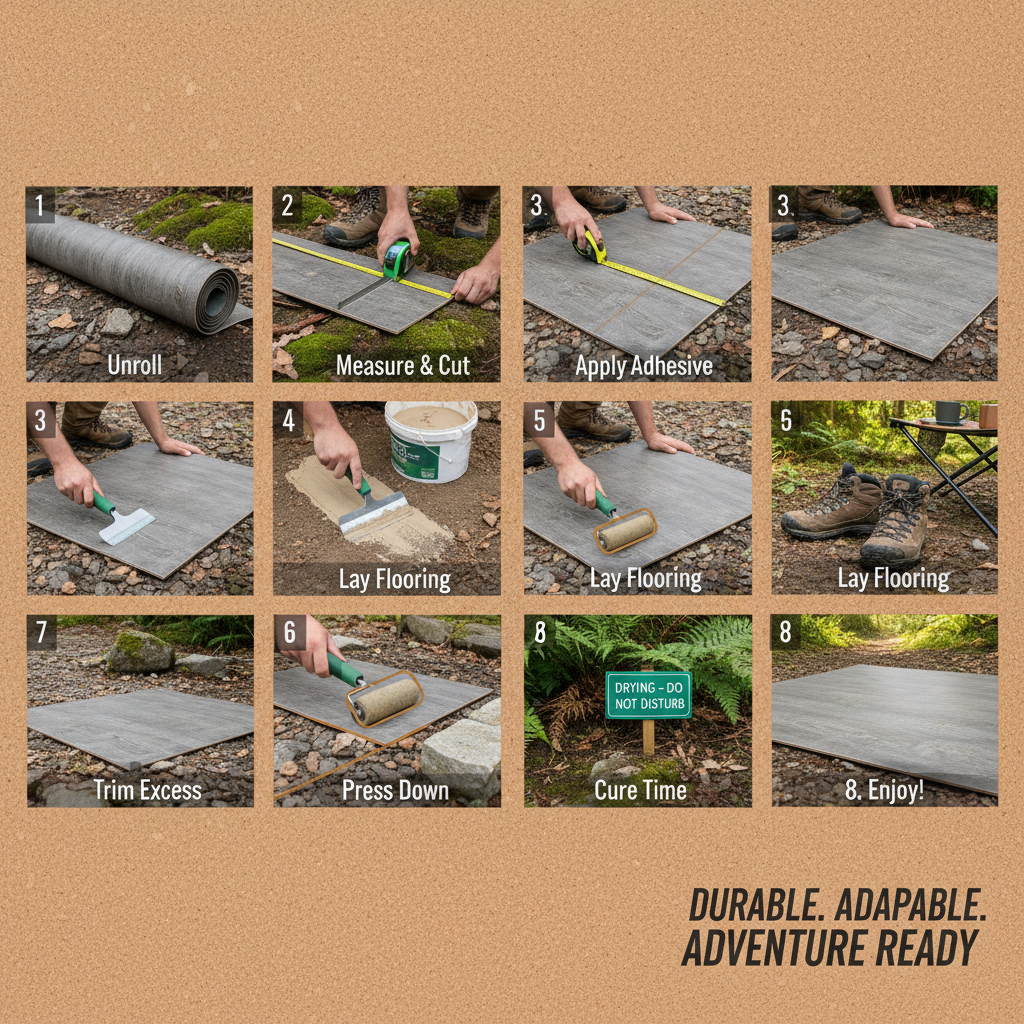
Affordability in this sector is achieved through manufacturing efficiencies and the elimination of professional glue-down labor. Unlike traditional maple courts that require specialized sanding and finishing, modular tiles are "dry-installed," which drastically reduces the total cost of ownership by removing the need for expensive adhesives and long curing times.
However, "cheap" should be measured by the lifecycle value. A tile that costs less upfront but warps under thermal expansion or lacks a proper wear layer will eventually cost more in replacements. The goal is to identify a solution that optimizes material density and UV stabilization while remaining within a strict budget.
Core Technical Attributes of Affordable Court Tiles
Professional-grade affordable flooring relies on a multi-layer architecture to simulate the feel of hardwood. For instance, wood-grain PVC flooring utilizes a transparent wear layer with matte technology to achieve diffuse reflection, reducing glare for athletes while maintaining a high-definition aesthetic.
Stability is another critical factor. High-quality budget tiles often incorporate a black polyester fiber mesh and fiberglass non-woven fabric layer. This reinforcement prevents the thermal expansion and contraction that typically leads to bulging or gaps in lower-tier plastic flooring, ensuring the court remains flat regardless of temperature shifts.
Furthermore, the underside design plays a vital role. Using a concave hexagonal suction-cup principle, advanced tiles enhance adhesion to the subfloor. This prevents the displacement of tiles during high-intensity pivots and sprints, providing a secure experience without the need for permanent bonding agents.
Versatile Application Scenarios for Budget-Friendly Tiles
Modular flooring is not limited to professional arenas; its versatility makes it ideal for a range of settings. Training-level basketball courts benefit from the ease of installation, allowing facilities to convert existing concrete slabs into safe playing zones without structural modifications.
In educational environments, such as school playgrounds or kindergartens, these tiles provide essential cushioning. Because they can be cut to size according to actual site requirements, they can fit irregularly shaped spaces, ensuring that every square inch of the venue is utilized for physical activity.
Beyond basketball, the versatility of the system allows for multi-sport integration. By drawing badminton or volleyball lines over the existing basketball markings, a single venue can serve multiple athletic purposes. This multipurpose approach maximizes the ROI of the facility by increasing its utility for different sports and age groups.
Performance Benchmarks Across Different Thickness Levels
Thickness is one of the most direct indicators of performance and cost. In the range of PVC and PP flooring, thicknesses typically vary between 4.5mm and 8.0mm, each serving a specific intent from casual recreation to tournament-level competition.
A 4.5mm floor is often sufficient for light training and multipurpose use, focusing on affordability and easy cleaning. However, as thickness increases to 6.0mm and 8.0mm, the foaming layer becomes more dense, providing superior energy return and joint protection for athletes.
basketball court tiles cheap Performance Metrics
The data illustrates that while thinner tiles are more economical, the jump to 8.0mm significantly enhances cushioning and wear resistance. The 1.6mm wear layer found in premium-tier budget options ensures that the surface can withstand high-traffic use without losing its friction characteristics or aesthetic appeal.
Procurement Strategies to Minimize Long-Term Expenses
Avoiding the "cheap trap" requires a shift from looking at the price per square meter to the cost per year of service. The most economical procurement strategy involves selecting a flooring system with high modularity, allowing for the replacement of individual damaged tiles rather than the entire court.
When evaluating suppliers, focus on certifications like BWF or FIBA compliance, and ISO/CE standards. These markers indicate that the materials have undergone rigorous testing for toxicity, fire safety, and structural integrity, reducing the risk of unforeseen regulatory costs or safety liabilities.
Additionally, consider the "versatility factor." By opting for a multipurpose interlocking tile system, you can use the same surface for basketball, pickleball, or volleyball. This effectively divides the initial cost across multiple sports programs, maximizing the utility of the investment.
Future Trends in Sustainable Polymer Sport Surfaces
The trajectory of sports flooring is moving toward a blend of high performance and environmental responsibility. We are likely to see an increase in the use of virgin materials combined with advanced recycling processes to maintain structural integrity while reducing the carbon footprint of production.
Innovation in foaming technology is expected to further enhance energy return, potentially allowing thinner tiles to provide the same joint protection as current 8mm options. This could lead to further reductions in material cost without compromising athlete safety.
Furthermore, the integration of smart materials—such as tiles with embedded sensors for performance tracking—may become more accessible. While currently a premium feature, the modular nature of these tiles makes them the perfect candidate for incremental technology upgrades as costs decrease.
Comparative Analysis: Budget Tiles vs Traditional Flooring
Choosing between modular tiles and traditional hardwood depends on the primary goal of the facility. While hardwood is the gold standard for professional leagues, modular polymer tiles offer a compelling value proposition for training centers and recreational hubs.
The primary difference lies in the maintenance cycle and installation speed. Modular systems can be installed in days and cleaned with simple moisture-based methods, whereas hardwood requires constant polishing and a complex sub-structure.
| Feature | Budget Modular Tiles | Traditional Hardwood | Painted Concrete |
|---|---|---|---|
| Installation Time | Very Fast (Days) | Slow (Weeks) | Medium (Days) |
| Initial Cost | Low to Medium | Very High | Low |
| Joint Protection | High (Foamed) | Excellent | Very Low |
| Maintenance | Easy (Replace Tile) | High (Sanding) | Medium (Repaint) |
| Versatility | Multi-Sport Ready | Basketball Only | General Purpose |
| Lifespan | 10-15 Years | 20+ Years | 5-8 Years |
For those seeking a balance of professional aesthetics and budget control, the wood-grain PVC series provides the visual appeal of maple or oak with the durability of industrial polymers. This makes it a strategic choice for commercial gyms and school facilities.
Frequently Asked Questions
Conclusion
Finding basketball court tiles cheap is not about selecting the lowest price point, but about optimizing the technical specifications—thickness, wear layer, and material stability—to match the intended use of the venue. By leveraging modular polymer technology, facility managers can achieve a professional-grade surface that balances initial affordability with long-term durability.
Whether you are designing a community center, a school gym, or a home court, focusing on certified materials and versatile designs ensures a safe and high-performing environment. Readers evaluating these options can review the relevant product and company information available through www.langningsportsfloor.com to find a tailored flooring solution.