Determining the total investment for outdoor basketball court surfaces prices requires a detailed understanding of material durability, installation complexity, and long-term maintenance costs. For facility managers and homeowners, the choice of surfacing directly impacts not only the initial budget but also the safety of the players and the lifespan of the court in exposed environments.
The primary challenge in budgeting for outdoor surfaces is the trade-off between upfront costs and operational longevity. Many buyers struggle to balance the need for a high-performance, professional-grade surface with the constraints of a fixed budget, often overlooking hidden costs like base preparation and thermal expansion management.
This guide provides a comprehensive analysis of the cost drivers for various outdoor surfaces, evaluating the financial and technical implications of different materials to help you make an informed procurement decision based on your specific usage intensity and environmental conditions.

Understanding the Cost Structure of Outdoor Surfaces

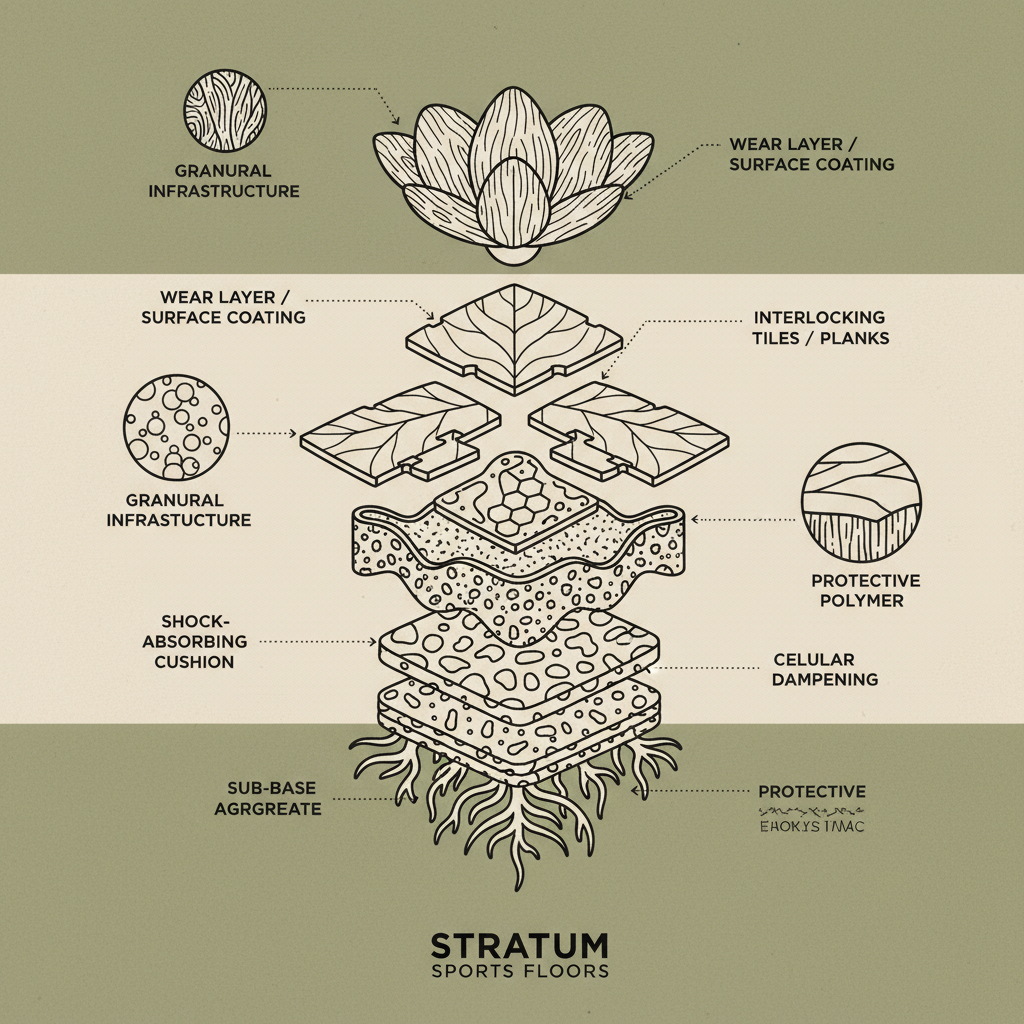
The overall cost of an outdoor basketball court is rarely just the price of the surfacing material itself. It is a composite of three main layers: the sub-base preparation, the surface material, and the professional installation labor. Sub-base costs vary significantly depending on whether the court is being installed over existing concrete or requires a fresh compacted gravel and asphalt foundation.
From a procurement perspective, understanding these layers prevents "sticker shock" during the project phase. While the surfacing material is the most visible component, the quality of the base determines if the surface will remain level or develop cracks over time, which can lead to expensive repairs within the first few years of use.
Material Analysis: PP Modular Tiles vs. Traditional Options
Polypropylene (PP) interlocking tiles have emerged as a cost-effective and high-performance alternative to poured acrylic or asphalt. These modular systems, such as the XHTD series, utilize food-grade high-performance PP raw materials that are non-toxic and moisture-resistant. Their lock-type design allows for rapid installation and easy replacement of individual tiles if damage occurs, reducing the need for full-court resurfacing.
Unlike rigid poured surfaces, modular PP tiles often feature soft connection structures and high-toughness spring pads (such as 64 TPE pads) to enhance elasticity. This technical architecture alleviates bulging deformation caused by thermal expansion and contraction—a critical factor for outdoor courts subject to extreme temperature swings, thereby extending the product's operational life.
Key Factors Influencing Price Fluctuations
Several variables directly affect the final quote for outdoor basketball court surfaces prices. First is the surface area and complexity of the layout; larger areas may benefit from bulk material pricing but require more labor. Second is the specification of the material, such as the thickness of the tiles (e.g., 1.6cm) and the presence of specialized granular frosted anti-slip treatments to improve surface friction.
Customization also plays a role in pricing. Selecting standard colors like red, green, or blue is typically more economical than requesting bespoke color schemes or integrated branding. Additionally, the geographic location of the project impacts shipping and logistics costs, especially for heavy-duty plastic and rubber products transported internationally.
Comparative Investment Analysis by Surface Type
When comparing different surfacing technologies, the investment can be viewed through a normalized score reflecting the balance between initial cost, durability, and installation speed. This conceptual framework allows buyers to visualize which material provides the most value relative to their specific priorities.
The illustrative data above indicates that while poured acrylic may have a moderate initial cost, modular PP tiles often score higher in terms of installation efficiency and long-term flexibility, making them a preferred choice for multipurpose sports venues and schools.
Evaluating Long-term ROI and Maintenance Costs
Return on Investment (ROI) for a sports surface is measured by the "cost per year of usable life." Poured surfaces often require complete stripping and recoating every 3 to 5 years, which represents a recurring high cost. In contrast, modular PP interlocking tiles are designed for longevity and minimal maintenance, as they do not crack or peel under UV exposure.
Maintenance for modular systems is primarily focused on debris removal and occasional cleaning. If a specific section of the court is damaged by external impact, only the affected tiles need to be replaced. This targeted maintenance approach significantly lowers the total cost of ownership compared to traditional surfaces where a single crack can compromise the entire court's integrity.
Avoiding Common Budgetary Pitfalls in Procurement
One of the most frequent mistakes in procuring outdoor courts is selecting the cheapest available material without verifying the raw material grade. Low-quality plastics may degrade rapidly under sunlight, leading to brittleness and safety hazards. Ensuring the use of high-performance, food-grade PP ensures the surface remains non-toxic and durable.
Another pitfall is neglecting the drainage requirements. A surface that does not allow water to migrate away quickly will lead to puddling and potential sub-base erosion. Investing in perforated modular tiles can mitigate this risk, as they allow water to flow through the surface, reducing the need for expensive specialized drainage installations.
Strategic Selection Framework for Surface Procurement
To determine the best surface, buyers should evaluate options based on their specific application—whether it is for a professional stadium, a school playground, or a residential backyard. The following table provides a qualitative comparison of common outdoor basketball surfacing approaches.
| Surface Type | Installation Speed | Durability Factor | Best Use Case |
|---|---|---|---|
| PP Modular Tiles | Very High | High (UV Resistant) | Schools & Multi-sports |
| Poured Acrylic | Moderate | Moderate (Peels) | Professional Courts |
| Asphalt/Concrete | Low | Very High | Basic Residential |
| Rubberized Coating | Moderate | Moderate | Safety-focused areas |
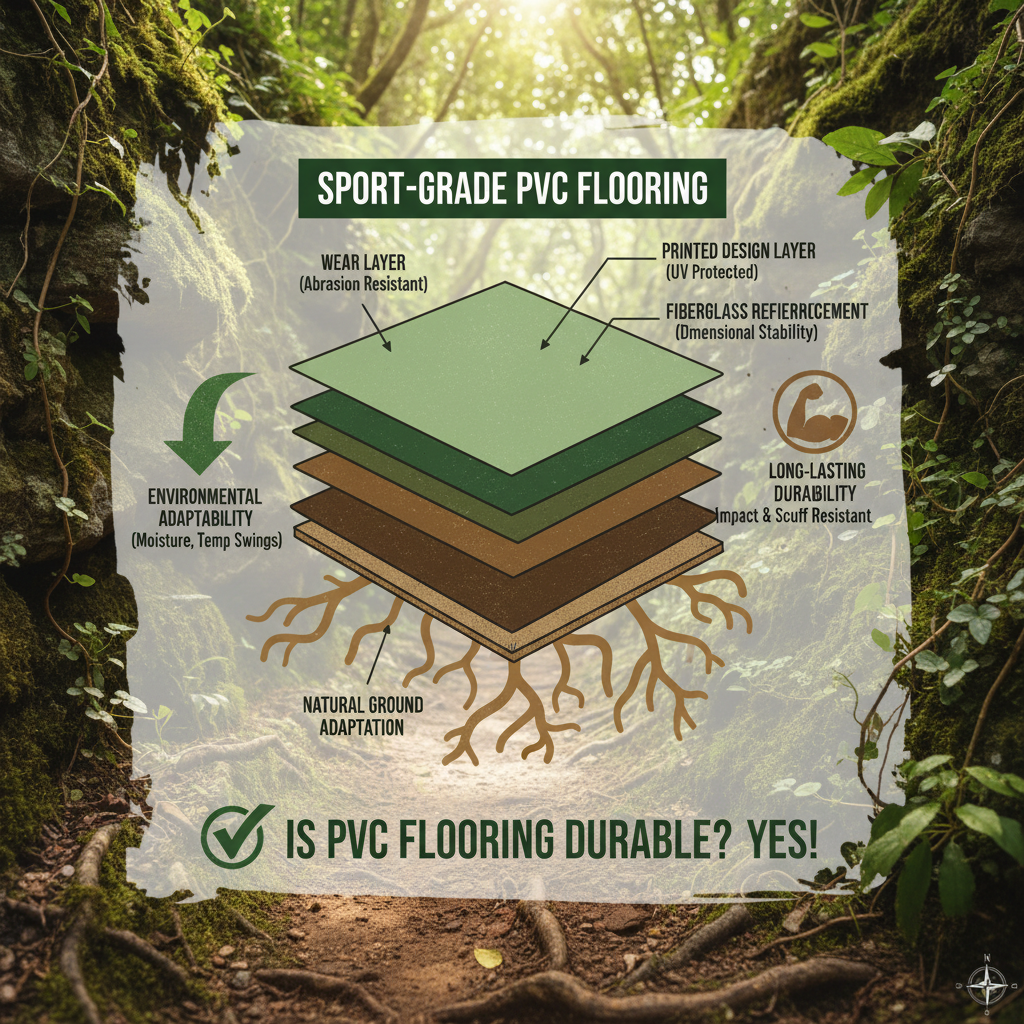
| PVC Outdoor Mix | High | Moderate | Temporary Events |
| Hybrid Systems | Moderate | High | High-traffic Hubs |
Ultimately, the decision should be based on the balance between the desired performance level and the available budget, keeping in mind that a slightly higher initial investment in high-quality modular systems often results in lower total spending over a ten-year horizon.
Frequently Asked Questions
PP interlocking modular tiles are generally the most cost-effective over time due to their low installation cost, rapid deployment, and the ability to replace individual tiles rather than the entire surface.
Extreme temperatures can cause materials to expand and contract. Surfaces with soft connection structures and TPE spring pads manage this better, reducing the risk of bulging and lowering long-term repair costs.
Yes, provided they are made from high-performance polypropylene (PP) that is UV-stabilized and waterproof. They are ideal for basketball, volleyball, and badminton venues in various climates.
Hidden costs typically include site leveling, sub-base compaction, drainage installation, and the cost of transporting materials to the site.
When manufactured from high-grade, non-toxic PP, these tiles are designed for long-term outdoor use and can last many years with minimal maintenance, depending on the usage intensity.
Due to the lock-type design, modular tiles are easier to install than poured surfaces. However, professional installation is recommended to ensure the sub-base is perfectly level and the edges are secured.
Conclusion
Selecting the right outdoor basketball court surface is a balance between immediate budgetary constraints and the long-term operational costs of the facility. While poured surfaces offer a traditional feel, modular PP interlocking systems provide superior flexibility, easier maintenance, and better resilience against thermal expansion, making them a strategic choice for modern sports infrastructure.
For detailed specifications and tailored quotes based on your project dimensions, you can review the available product information at www.langningsportsfloor.com to find the most suitable surfacing solution for your venue.