


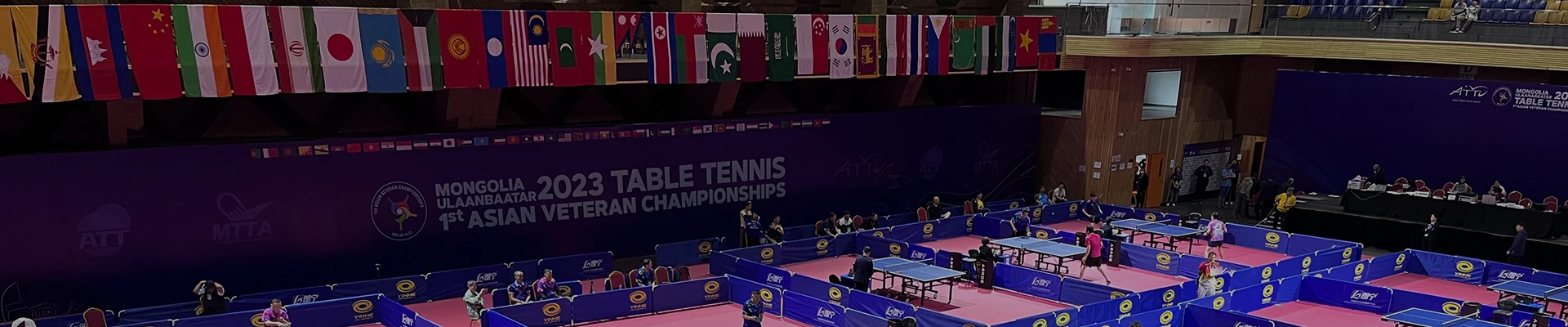
Everything You Need to Know About FIBA 3x3 Court Size
Understanding FIBA 3x3 Court Size: Why It Matters Globally
When we talk about basketball's evolution, one can't ignore the surge of 3x3 basketball — a faster, tighter, and surprisingly strategic variant of the sport. The FIBA 3x3 court size plays a starring role in this evolution. Knowing its dimensions and design intricacies matters beyond just sport; it shapes how cities create public spaces, how tournaments are standardized worldwide, and even influences youth programs globally. In short, understanding the size and layout of this court unlocks better infrastructure planning, fair play, and accessibility. And while basketball fans and urban planners might care the most, it also reveals a lot about broader themes like space efficiency and international sports governance.
Mini takeaway: The FIBA 3x3 court size is not just about basketball; it’s an intersection of sport, city planning, and global standardization that’s reshaping how we think about courts and community spaces.
The Global Context Behind the FIBA 3x3 Court Size
3x3 basketball's rise is spectacular—its inclusion as an Olympic sport since Tokyo 2020 underscores that momentum. This rapid growth means more courts popping up globally—from urban parks in Europe to schoolyards in Asia and Africa. With over 350 million people playing basketball worldwide, according to the International Basketball Federation’s (FIBA) recent stats, standardized court sizes ensure everyone plays on a level field, literally and figuratively.
But here's the catch: before FIBA formalized the 3x3 court dimensions, local organizers improvised, making tournaments inconsistent. This inconsistency created challenges in training, broadcasting, and even talent development.
From a broader, almost UN-style lens, sports like 3x3 support social inclusion, peaceful community engagement, and youth empowerment—the UN even highlights sport’s role in sustainable development. A clearly defined court size matters because it safeguards these goals, promoting fairness and accessibility everywhere.
Mini takeaway: The FIBA 3x3 court size isn’t just a measurement—it’s a global tool fostering inclusiveness, standardization, and development through sport.
What Exactly is the FIBA 3x3 Court Size?
Simply put, the FIBA 3x3 court size is the specified playing area for official 3x3 basketball games, determined by FIBA to provide uniformity worldwide. Unlike traditional full-court basketball, this one’s smaller, more compact, designed for three players on each side, with no substitutions.
To be precise, it's a single basketball half-court measuring:
- 15 meters wide
- 11 meters long
It includes a 6-meter radius semi-circle known as the three-point line and a restricted area around the basket called the free-throw line and key. These dimensions fit neatly into urban spaces, school campuses, and multi-use sports complexes.
Beyond just a game measure, this size reflects a modern demand: quick, accessible sport in places where space is a premium. For industries like sports equipment, urban development, and event management, knowing these specs is critical—because how you build matters almost as much as what you play.
fiba 3x3 court size sets the baseline for all this.
Mini takeaway: The FIBA 3x3 court size is a lean, efficient half-court configuration reflecting modern sports demands for accessibility and standardization.
Core Components That Define the FIBA 3x3 Court Experience
1. Dimensions and Markings
The strict 15x11 meter layout isn't arbitrary; it balances space for agility and spectator viewing. Markings like the three-point arc and the free throw line are precise to maintain game integrity. For instance, the three-point circle is exactly 6 meters from the basket's center.
2. Surface Material
Durability and grip are crucial. Most official courts use synthetic surfaces optimized for outdoor conditions—consistent bounce quality, weather resistance, and player safety. I’ve seen some tournaments use modular floor panels for fast assembly or even recycled textured rubber.
3. Hoop Specifications
The basket height is the standard 3.05 meters (10 feet), but the backboard and rim are designed for rapid gameplay, with spring tension rims often used to reduce injuries.
4. Boundary Equipment
In official settings, padded boundaries, adjustable lighting, and scoreboards are common considerations, ensuring player safety and enhancing viewer experience.
Mini takeaway: The core components, from exact dimensions to surface and equipment, work in sync to deliver fast-paced, safe, and uniform 3x3 basketball experiences.
Real-World Uses and Global Impact of the FIBA 3x3 Court Size
We've seen the FIBA 3x3 court size adopted everywhere from sprawling metropolitan parks in New York to newly developed sports hubs in Nairobi. Urban planners love it for its space efficiency, allowing multi-purpose spaces where a single half-court fits perfectly.
In schools, 3x3 courts promote quick games during short breaks, making sports more accessible to kids with limited space or time. NGOs use standardized courts when organizing youth outreach programs in refugee camps or post-conflict zones, where set dimensions help optimize limited resources.
The sports event industry benefits too—with easier setup and teardown of temporary courts allowing tournaments across continents without hassles.
| Component | Specification | Notes |
|---|---|---|
| Court Dimensions | 15x11 meters | Half-court layout |
| Three-Point Line Radius | 6 meters | Measured from hoop center |
| Basket Height | 3.05 meters (10 feet) | Standard basketball hoop height |
| Surface Material | Outdoor synthetic or modular panels | Durable & weather-resistant |
| Key Line Marking | 5.8x3.6 meters | Free-throw lane area |
Mini takeaway: The compact, durable, and standard-centric nature of the FIBA 3x3 court size makes it ideal for diverse applications worldwide.
Why the FIBA 3x3 Court Size Offers Long-Term Value
There’s a lot of buzz about the size's economic and social sensibility. With urban land getting pricier, fitting the entire game on half a court means less construction cost and less maintenance—win-win for municipalities and schools. Plus, the standardized size restores fairness to competitions, making international ranking and scouting simpler.
On the emotional side, having a smaller court intensifies the action, keeping players constantly engaged. Spectators love it too — the intimacy of a smaller arena creates electric atmospheres.
Sustainability enters the conversation as well, as compact courts require fewer materials and less energy for lighting and upkeep, aligning with green building practices.
Mini takeaway: The FIBA 3x3 court size balances cost-efficiency, player engagement, and sustainability — a smart, forward-thinking package.
Emerging Innovations & Future Trends in FIBA 3x3 Court Design
Digital tech is creeping in. Smart courts are becoming a thing, equipped with sensors to track player movement and ball trajectory. These innovations improve coaching and fan engagement, adding layers of data to this already fast-paced sport.
Material science is also evolving. New eco-friendly synthetic floors made from recycled biomaterials are gaining traction. Lighting increasingly leverages solar power or responsive LEDs to optimize energy use.
We might soon see courts with modular, easy-to-deploy surfaces that pack into backpacks for quick setup at grassroots events.
Mini takeaway: The FIBA 3x3 court size is ready to integrate with smart technology and sustainability innovations, enhancing the sport and the infrastructure alike.
Challenges with FIBA 3x3 Court Implementation and How to Overcome Them
Oddly enough, although it’s a simple half-court, challenges hide in the details. Local governments sometimes struggle with funding or prioritizing these courts amid other urban needs. Weather poses problems too—uneven surfaces or water pooling can disrupt play. Some communities face a learning curve understanding the strict layout and equipment requirements.
Expert recommendations include:
- Using modular, weather-resistant flooring to speed installation and reduce maintenance
- Partnering with NGOs and sports federations for funding and community engagement
- Offering training sessions that familiarize local organizers with official court specs
These approaches turn potential hurdles into springboards for sustainable sports development.
FAQ about FIBA 3x3 Court Size
- What is the exact size of a FIBA 3x3 basketball court?
- The official court measures 15 meters wide and 11 meters long—essentially a half-court space designed to fit fast-paced 3x3 gameplay with all regulation markings.
- Can the FIBA 3x3 court be installed indoors and outdoors?
- Yes, the court is versatile and can be set up in both indoor gyms and outdoor spaces using suitable surface materials designed to withstand weather conditions when outside.
- Are the markings on a 3x3 court different from regular basketball courts?
- Yes. While sharing similarities, 3x3 courts have unique markings for the three-point line (6m radius) and a smaller key area, conforming to the game's faster and more compact nature.
- How long does it take to set up a FIBA 3x3 court?
- Depending on resources, modular courts can be assembled in a few hours. Permanent installations typically take a few weeks but provide long-term use benefits.
- Why is standardization of the 3x3 court so important?
- Standardization ensures fairness in competitions worldwide, enables clear training protocols, and helps organizers create consistent event experiences anywhere.
Wrapping Up: The Bigger Picture behind FIBA 3x3 Court Size
So there you have it—the FIBA 3x3 court size is more than just numbers on a blueprint. It’s a key enabler of a global sports movement, blending athleticism with space-efficiency and social impact. From local playgrounds to international arenas, these courts are quietly transforming how basketball is played, watched, and experienced.
If you're curious to see how the right fiba 3x3 court size can fit your space or event needs, check out our comprehensive resources and products. There’s something here for communities, schools, and seasoned organizers alike.
After all, court design is a bit like strategy in 3x3 basketball—small details make a huge difference.
References
| Vendor | Material Type | Installation Time | Weather Resistance | Price Range (USD) |
|---|---|---|---|---|
| CourtPro Sports | Modular Synthetic Panels | 6-8 hours | High (UV & Water Repellent) | 12,000 - 18,000 |
| UrbanSport Solutions | Outdoor Acrylic Surface | 2-3 Weeks (Permanent) | Moderate (Needs Maintenance) | 15,000 - 25,000 |
| EcoPlay Flooring | Recycled Rubber Tiles | 1 Day (Portable) | High (Eco-Friendly) | 10,000 - 14,000 |
-
Premium Outdoor Dance Floor for Sale Professional Event SurfacesNewsApr.16,2026
-
Premium Professional White Dance Floor for Sale and Buying GuideNewsApr.09,2026
-
Find Your Perfect Portable Dance Floor for Sale and Create Unforgettable EventsNewsApr.07,2026
-
Find High Quality Dance Flooring for Sale and Expert GuidanceNewsApr.04,2026
-
Comprehensive Guide to Durable Commercial Vinyl Solutions for BusinessesNewsMar.31,2026
-
Comprehensive Commercial Flooring Management for Business LongevityNewsMar.28,2026
-
Comprehensive Guide to Selecting the Right Commercial Flooring MaterialsNewsMar.26,2026