


Comprehensive Guide to Table Tennis Flooring: Choosing the Right Surface for Your Game
Dec . 01, 2025 18:45
Back to list
Comprehensive Guide to Table Tennis Flooring: Choosing the Right Surface for Your Game
What Is Table Tennis Flooring and Why Does It Matter Globally?
Table tennis might often be thought of as a casual pastime, but any seasoned player—whether at a neighborhood club or Olympic venue—knows that the flooring beneath their feet is just as vital as the paddles and balls. Worldwide, the interest in quality table tennis flooring has surged dramatically, aligned with the sport’s growing popularity and professionalization. But it’s not just about aesthetics or player comfort; understanding what makes great table tennis flooring can impact player performance, injury prevention, and the long-term sustainability of sports facilities globally. The benefits of proper table tennis flooring extend from increased traction and shock absorption to durability and ease of maintenance. In a sport demanding fast footwork and quick pivots, having the right floor means fewer slips, less fatigue, and ultimately, a better game for everyone involved. ---Global Context: How Table Tennis Flooring Fits Into the Sport’s Expansion
Table tennis is one of the most widely played sports worldwide, boasting an estimated 300 million regular participants, spanning from amateur enthusiasts to top-tier Olympians. According to data from the International Table Tennis Federation (ITTF), over 222 countries and territories are affiliated, underscoring the global demand for proper playing surfaces. However, as the sport expands, so does the challenge: lots of venues, especially in emerging markets or community centers, lack access to proper, durable flooring designed specifically for table tennis. Common flooring types—like hardwood used for basketball courts or generic vinyl sheets—often fall short of the sport's unique demands. This can cause a ripple effect of injuries, lower play quality, and accelerated wear on flooring, all of which impact the sport’s growth and sustainability. Consequently, manufacturers and sports facility managers are increasingly focusing on table tennis flooring designed with the right specifications—eventually pushing international standards and certifications forward to safeguard athletes’ health and optimize play. ---Defining Table Tennis Flooring: What Is It Exactly?
At its core, table tennis flooring refers to specially engineered floor surfaces designed specifically to accommodate the sport’s fast, agile movements. These floors often come with features like: - Absorbent shock pads to cushion intense footwork - Non-slip surfaces to prevent falls during quick lateral moves - Consistent ball bounce characteristics reflected through minimal rebound or vibration - Durable materials that withstand frequent use without losing texture or grip Unlike multipurpose gym floors, table tennis floors are tailored to reduce fatigue and injury risks, allowing players—be they casual or competitive—to perform at their peak. The flooring ties into the larger sports infrastructure, connecting with needs around venue construction, maintenance logistics, and player safety regulations. ---Key Features of Quality Table Tennis Flooring
1. Durability
Table tennis venues often see heavy daily use. The flooring must resist abrasions, impacts, and repeated stress, preserving the surface finish and structural integrity across seasons. Materials like high-grade vinyl or engineered wood with specialized coating fit well here.2. Player Safety and Shock Absorption
Rapid foot movements translate to considerable stress on joints. Flooring with embedded shock-absorbing layers translates to fewer injuries and longer playing careers. This is particularly critical in professional setups but shouldn’t be overlooked in community spaces.3. Consistent Surface Traction
Too slick and you slip, too grippy and the foot catches awkwardly. Balancing traction is an art in flooring design. The surface needs to provide reliable grip without compromising movement fluidity.4. Ease of Installation & Maintenance
Venues require floors that allow for fast setup, particularly in multiuse arenas where tables might need shifting regularly. Maintenance-wise, flooring should resist stains and be easy to clean without special chemicals.5. Environmental Sustainability
Newer flooring solutions incorporate recyclable materials and low-VOC finishes, appealing to venues aiming for green certifications or reduced environmental footprint. ---Product Specifications at a Glance
| Characteristic | Typical Range / Value | Importance |
|---|---|---|
| Surface Material | High-Grade Vinyl, Laminated Wood | Affects durability and maintenance |
| Shock Absorption Layer Thickness | 4-8 mm | Key for injury prevention |
| Surface Traction Coefficient | 0.4-0.6 (CEN Standards) | Optimal grip without sticking |
| Maintenance Requirements | Low; routine sweeping & mopping | Keeps costs and downtime down |
| Eco Certification | ISO 14001 / LEED Compliant Options | Supports sustainability goals |
Who’s Using Table Tennis Flooring? Real-World Applications
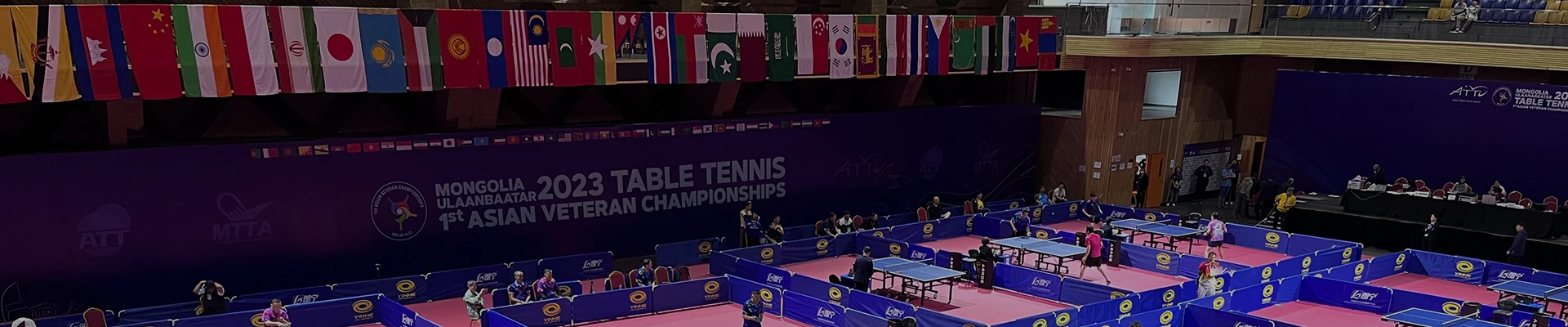
The use of professional-grade table tennis flooring spans across: - Sports arenas and Olympic centers focused on high precision and safety. Venues in China, Germany, and Japan have popularized floors that meet ITTF standards. - Community recreation centers where the focus is cost-effective durability and easy upkeep. - Schools and universities, integrating multipurpose flooring that suits both table tennis and other indoor sports. - Rehabilitation clinics utilizing the flooring’s shock absorption for therapy while playing. Oddly enough, some post-disaster community centers in parts of Southeast Asia have also installed modular, portable table tennis flooring systems as part of recreation therapy facilities, boosting morale and encouraging social cohesion. ---Advantages: Why Investing in Specialized Flooring Pays Off
A quality table tennis floor means: - Better player performance thanks to stable footing and surface consistency. - Reduced injury risks, especially for knees and ankles. - Cost savings over time, since durable flooring reduces replacement frequency. - Enhanced venue prestige, attracting higher-tier athletes and competitions. - Sustainability benefits, for venues tracking carbon footprints. From an emotional standpoint, a good floor fosters trust—players feel safer and appreciated. From an investment perspective, it pays dividends in longevity and reputation. ---What’s Next? Innovations On The Horizon
Looking forward, we’re seeing: - Smart flooring embedded with sensors measuring player movements and impacts. - Bio-based and recycled materials, progressing towards zero carbon footprints. - Modular, quick-install designs to support multi-purpose venues. - Integration with augmented reality (AR) for enhanced coaching and training aids. - Enhanced antimicrobial and dirt-repellent coatings—very handy in a post-pandemic world. If you’re eyeing a new facility, these trends may soon become the baseline expectations. ---Common Challenges (And How Experts Suggest Overcoming Them)
Challenge: High upfront costs deter some venues. Solution: Lifecycle cost analyses show long-term savings often justify initial spend. Challenge: Inconsistent installation leads to uneven surfaces. Solution: Professional certified installers and clearer guidelines by bodies like ITTF help. Challenge: Balancing multi-use requirements (gym, court, table tennis). Solution: Innovative modular flooring can switch configurations without damage. ---FAQ: Your Top Questions on Table Tennis Flooring
Q1: What makes table tennis flooring different from regular gym flooring? A: Table tennis flooring is specifically designed for quick, agile footwork with enhanced shock absorption and surface traction. Gym floors prioritize durability but might not offer the precise grip or cushioning table tennis demands. Q2: How often should table tennis flooring be replaced? A: With regular use, high-quality flooring can last 5–10 years, depending on maintenance and venue usage. Damage or surface wear can cue earlier replacement. Q3: Can I install table tennis flooring over existing floors? A: Many products are designed for overlay installation, but proper subfloor assessment is critical to avoid unevenness or moisture issues. Q4: Are eco-friendly table tennis flooring options actually effective? A: Yes, recent advances mean sustainable materials perform equally well and often carry certifications like ISO 14001 or LEED. ---In Wrap-Up: Why Table Tennis Flooring Deserves Your Attention
The flooring beneath your paddle and feet sets the stage for every thrilling rally or deft spin. By choosing the right table tennis flooring, you’re investing not just in a surface but in player safety, performance, and the longevity of your sports space. Curious to explore top-notch options? Visit our website: table tennis flooring for tailored solutions and expert advice. ---Vendor Comparisons for Table Tennis Flooring Solutions
| Vendor | Material Types | Installation | Eco Certifications | Price Range (per m²) |
|---|---|---|---|---|
| ProSport Floors | Vinyl & Laminated Wood | Glue-Down / Modular | ISO 14001 Certified | $30 - $50 |
| GreenPlay Surfaces | Recycled Bio-based Polymers | Modular Click System | LEED & FSC Accredited | $45 - $70 |
| CourtTech Pros | Engineered Wood | Professional Installation Required | None | $55 - $85 |
Mini Summary: Flooring’s Role Won’t Be Overlooked
Looking across the board, table tennis flooring is an often unseen but crucial component that sets the stage for every bounce and volley. Its increasing specialization is a subtle but vital trend as the sport grows in scale and ambition. ---References
Latest news
-
Premium Outdoor Dance Floor for Sale Professional Event SurfacesNewsApr.16,2026
-
Premium Professional White Dance Floor for Sale and Buying GuideNewsApr.09,2026
-
Find Your Perfect Portable Dance Floor for Sale and Create Unforgettable EventsNewsApr.07,2026
-
Find High Quality Dance Flooring for Sale and Expert GuidanceNewsApr.04,2026
-
Comprehensive Guide to Durable Commercial Vinyl Solutions for BusinessesNewsMar.31,2026
-
Comprehensive Commercial Flooring Management for Business LongevityNewsMar.28,2026
-
Comprehensive Guide to Selecting the Right Commercial Flooring MaterialsNewsMar.26,2026