


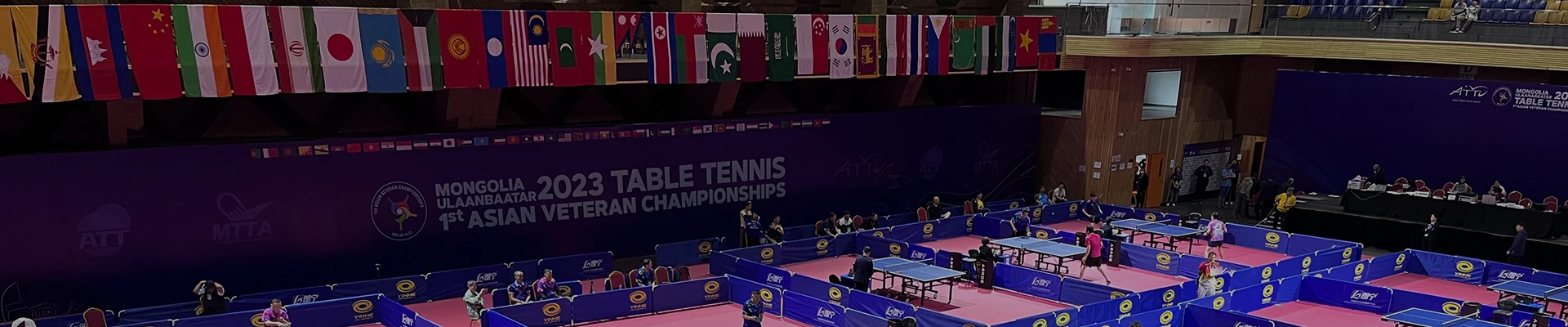
Comprehensive Guide to Table Tennis Floor: Features, Benefits & Global Trends
Understanding the Importance of Table Tennis Floor: A Global Perspective
Table tennis may be seen as a leisurely indoor game for many, but the floor beneath it often remains an unsung hero—often overlooked yet critically important to performance and safety. The table tennis floor doesn’t just support the players physically; it shapes the game’s dynamics, longevity of equipment, and overall user experience. Globally, from local community centers in Asia to elite international sports arenas in Europe, quality flooring affects athlete performance and injury prevention. In short, understanding what makes a good table tennis floor is key for players, event organizers, and facilities managers alike.
Why It Matters Globally
According to the International Table Tennis Federation (ITTF), the sport enjoys over 300 million players worldwide, spanning amateur to Olympic levels. Most competitions, especially at professional ranks, strictly regulate the playing surface, demanding floors that deliver consistent bounce and player traction. There’s a ripple effect here: good floor standards lead to longer careers, safer play, and higher quality competitions. Oddly enough, despite this, many community venues still use conventional flooring that doesn’t meet sport-specific criteria, which can cause performance issues or injuries.
Doing it right is both a technical and environmental challenge. Brands and facility owners must balance durability with comfort, safety, and increasingly, sustainability. It’s not simply about installing a surface — it’s an intersection of sports science, material technology, and ecological thinking.
Defining Table Tennis Floor
Put simply, a table tennis floor is a specially designed playing surface engineered for the unique demands of table tennis. Unlike multi-purpose gym floors, it offers optimized grip, shock absorption, and consistent ball bounce. Materials range from vinyl to wood composites, often with anti-slip coatings. This tailored surface ensures players can make quick lateral movements without slipping, while protecting their joints.
The connection to modern industry is pretty direct: manufacturers must innovate materials that promote player safety and have a low environmental footprint. The humanitarian side is subtler—sports can be a powerful tool for community-building and youth development. Providing access to quality floors improves inclusivity and sports participation worldwide.
Core Components and Key Characteristics of Table Tennis Flooring
Durability
Table tennis floors must withstand prolonged foot traffic and repetitive impacts without degrading. High-quality materials resist wear, scratches, and moisture intrusion. This reduces maintenance costs and extends facility life.
Safety & Grip
Anti-slip properties are paramount. Players constantly shift direction swiftly, so flooring must offer reliable traction to prevent falls. Shock absorption cushions impact to minimize joint strain and reduce injuries.
Ball Bounce Consistency
The floor chemistry affects the ball’s bounce behavior—too hard and the ball rebounds unpredictably, too soft and it feels sluggish. The ideal surface balances firmness with resilience for fair play.
Ease of Installation & Maintenance
Modular flooring options and roll-out vinyl surfaces allow fast setup or relocations for temporary events. Maintenance-friendly surfaces resist dirt and sweat stains which are common in sport venues.
Sustainability
Eco-friendly materials and recycling programs are trending. Manufacturers focus on low-VOC (volatile organic compounds) flooring to create healthier indoor air quality, plus recyclable or biodegradable components.
Table Tennis Floor Product Specifications
| Feature | Requirement/Value | Industry Standard |
|---|---|---|
| Surface Material | PVC Vinyl / Hardwood Composite | EN 14904 (Sports Floor Standards) |
| Shock Absorption | 40-60% | ITU/ITTF Norms |
| Friction Coefficient | 0.4 – 0.6 (dry conditions) | IS 11238 |
| Thickness | 4-7 mm | Manufacturer Specific |
| Installation Type | Interlocking / Glue-Down / Roll | Varies |
Global Use Cases and Applications
Across continents, the table tennis floor plays a silent but vital role. In Asia, especially China and Japan, where table tennis is nearly a national pastime, venues prioritize professional-grade flooring to nurture Olympic champions. European countries adopt sustainable flooring in community halls to drive youth engagement and social inclusion.
In emerging economies, portable or modular table tennis floor systems are helping NGOs bring sports programs to remote schools and refugee camps. Oddly enough, even corporate offices are investing in high-quality recreational tables with proper flooring to boost employee wellness.
Advantages and Long-Term Value
- Cost Efficiency: Durable floors reduce maintenance and replacement frequency, saving money.
- Safety: Proper flooring decreases injuries, which can be costly and disruptive.
- Sustainability: Environmentally conscious materials support green building goals.
- Social Impact: Quality floors support programs that foster community health and youth development.
- Performance: Players experience consistent playing conditions, improving fairness and competition levels.
Emotionally, knowing the floor supports your moves safely can boost player confidence, trust, and enjoyment. The line between athlete and surface is surprisingly intimate.
Comparing Leading Table Tennis Floor Vendors
| Vendor | Material | Installation | Eco-Friendly | Price Range (per m²) |
|---|---|---|---|---|
| SportFloor Pro | High-Density PVC | Glue-Down | Yes | $25 - $35 |
| EcoPlay Mats | Recycled Wood Composite | Modular Interlocks | High | $30 - $40 |
| QuickLay Sports | Roll-Out Vinyl | Roll | Medium | $15 - $22 |
Future Trends and Innovations in Table Tennis Flooring
The future’s bright with emerging tech. Manufacturers are experimenting with bio-based polymers that blend environmental stewardship with enhanced performance. We also see smart floors with embedded sensors to analyze player movement and optimize training. Digital transformation is slowly entering courts with data-driven insights.
Additionally, anti-microbial coatings are becoming standard to improve hygiene — especially relevant post-pandemic. Green certifications like ISO 14001 guide producers toward greater sustainability, reflecting a global shift in sports infrastructure.
Challenges & Expert Solutions
Not everything is rosy. Some challenges include balancing cost with high performance and sustainability. Also, installation can become tricky with diverse subfloor conditions. One practical expert tip? Use modular panels for flexibility and quick repairs. Plus, ongoing maintenance education for facility managers minimizes premature wear.
FAQ: Frequently Asked Questions About Table Tennis Floor
- What features should I prioritize when choosing a table tennis floor?
- Focus on safety (anti-slip properties), shock absorption to protect joints, and consistent ball bounce. Also consider durability and ease of maintenance depending on usage frequency.
- Can table tennis floors be installed over existing surfaces?
- Yes, many floors are designed for overlay installation on concrete or wood subfloors—though it's crucial to ensure the base is level and dry to prevent damage.
- How does a vinyl floor compare to hardwood for table tennis?
- Vinyl floors tend to be more durable and require less upkeep, ideal for multi-sport venues. Hardwood offers natural bounce and aesthetic appeal but can be costlier and require more care.
- Are eco-friendly table tennis floors significantly more expensive?
- While initial costs may be slightly higher, the long-term benefits in health, environmental impact, and durability often offset the price difference.
- Where can community centers source quality table tennis flooring?
- Reputable vendors specialize in sports flooring with options tailored for various budgets and needs. Check online platforms like Langning Sports for certified options.
Conclusion
Ultimately, the table tennis floor is more than just a surface; it’s the foundation of performance, safety, and enjoyment in this global sport. Whether you’re outfitting a professional arena or a community hub, investing in the right floor pays off in durability, player satisfaction, and peace of mind. With innovation pushing sustainability and technology forward, the future looks promising for this quietly critical component of table tennis.
If you’re ready to upgrade or install a high-quality floor, visit https://www.langningsportsfloor.com to explore top solutions tailored to your needs.
To wrap up, I’ve noticed how far dedicated flooring has come in merging tech and tradition — the game feels different on good floors, like a secret ingredient unlocked. You might not always see it, but you surely feel it.
- International Table Tennis Federation (ITTF) - ittf.com
- European Standard EN 14904 - Sports Flooring
- ISO 14001 Environmental Management
-
Premium Outdoor Dance Floor for Sale Professional Event SurfacesNewsApr.16,2026
-
Premium Professional White Dance Floor for Sale and Buying GuideNewsApr.09,2026
-
Find Your Perfect Portable Dance Floor for Sale and Create Unforgettable EventsNewsApr.07,2026
-
Find High Quality Dance Flooring for Sale and Expert GuidanceNewsApr.04,2026
-
Comprehensive Guide to Durable Commercial Vinyl Solutions for BusinessesNewsMar.31,2026
-
Comprehensive Commercial Flooring Management for Business LongevityNewsMar.28,2026
-
Comprehensive Guide to Selecting the Right Commercial Flooring MaterialsNewsMar.26,2026