


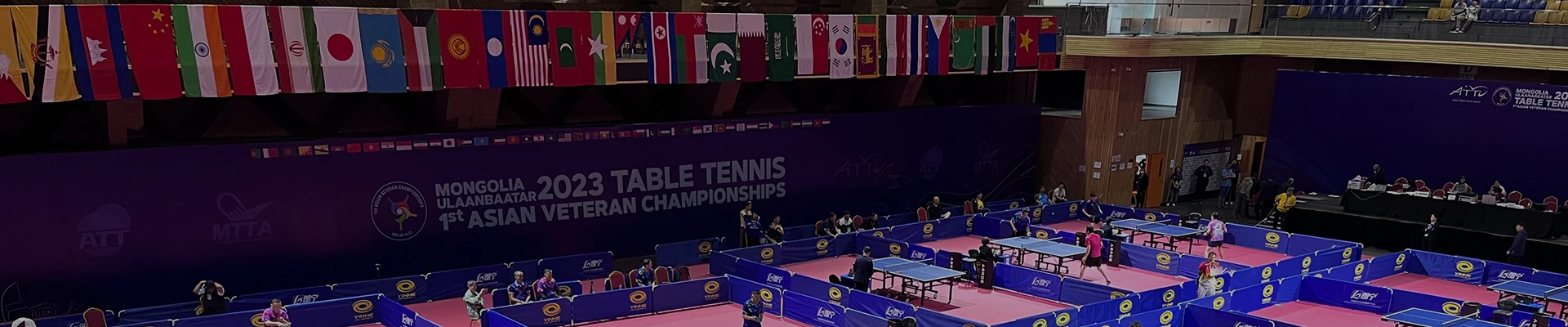
Comprehensive Guide to FIBA 3x3 Court Specifications and Global Trends
What Exactly is a FIBA 3x3 Court, and Why Should You Care?
If you've been to a basketball event lately or scrolled through some sports highlights, you might have noticed a new buzz around the compact, fast-paced game called 3x3 basketball. At the heart of this trend is the FIBA 3x3 court, the official playing field designed specifically for this electrifying half-court variant of basketball. But beyond the fast breaks and slam dunks, why is understanding this court's design and specs globally important?
Well, the FIBA 3x3 court isn't just about a smaller space for basketball — it symbolizes accessibility, urban sports culture, and international standardization in a sport that's officially recognized by the International Olympic Committee (IOC). In places ranging from dense city plazas to fancy sports arenas, this court type enables communities worldwide to engage in competitive and recreational play without needing a traditional full-sized basketball court. So, mastering what makes a FIBA 3x3 court tick is essential for cities, sports brands, facility managers, and event organizers alike.
Key benefits include flexible installation, promoting youth engagement in sports, and fostering a new global sport culture. Let’s unpack the full picture.
Global Context: Why the FIBA 3x3 Court is a Growing Phenomenon
FIBA 3x3 basketball declared its Olympic debut at Tokyo 2020, and since then, its popularity soared globally. According to FIBA, over 200 countries have embraced 3x3 basketball to some degree — a testament to the sport's rapid growth. What’s fascinating is how this mode of basketball helps overcome classic space and cost challenges that plague traditional basketball courts.
Urban areas face significant real estate constraints; fitting full-scale courts is often impractical. A 3x3 court perfectly fits in smaller urban pockets, like community parks or schools, increasing accessibility for youth from diverse socioeconomic backgrounds. The World Bank also emphasizes the importance of sports infrastructure in social cohesion and youth employment, areas where FIBA 3x3 courts often play a critical role.
At the same time, standardization had to be nailed to enable international competitions — hence, FIBA’s official 3x3 court dimensions and rules. But the challenge remains unsolved in many developing regions due to costs and lack of proper materials.
Mini takeaway: The FIBA 3x3 court is more than a basketball surface—it’s an enabler of urban sports culture and inclusivity worldwide.
Understanding the FIBA 3x3 Court
Simply put, a FIBA 3x3 court is a half-sized basketball court designed for 3-on-3 games, following strict dimensions and specifications set by the International Basketball Federation (FIBA). The official measurements are 15 meters wide by 11 meters long (about 49 x 36 feet) with a single hoop, compared to a full court’s 28x15 meters (roughly 92x49 feet).
Why is this important? Well, the compact size intensifies the game’s pace, allows more tournaments in limited spaces, and simplifies construction and maintenance.
It’s essentially a specialized sports flooring system with specific markings for key zones such as the 3-point arc, free-throw line, and the restraining area. The court surface itself must consider grip, shock absorption, and weather resistance, especially since many of these courts are installed outdoors.
Core Components of a FIBA 3x3 Court
1. Court Dimensions & Markings
Precision matters here. The 15m by 11m size includes a 3x3 arc set at 6.75m radius from the hoop's center, a free throw line at 5.80m, and a restricted area painted. The markings must be visible enough for players and referees but comply with FIBA regulations.
2. Surface Material and Durability
Most official courts use modular polypropylene tile flooring that offers grip and water drainage, vital for quick turnovers and player safety. Weather-resistant acrylic coatings or outdoor-suitable wood variants are common—each with pros and cons on longevity and cost.
3. Hoop and Equipment Specifications
The hoop is FIBA-approved with a rim height at exactly 3.05 meters. Backboards typically use tempered glass or acrylic for safety and rebound consistency, mounted on portable or fixed supports depending on venue needs.
4. Portability and Scalability
One brilliant aspect is that many courts are designed for easy assembly and disassembly—perfect for outdoor festivals or pop-up events. This flexibility is growing in demand globally.
5. Safety Elements
Cushioned underlays and anti-slip coatings are mandatory to reduce injury risks. Some venues also add padding around poles and perimeter fencing for crowd control and player safety.
Mini takeaway:
Every inch and material choice of a FIBA 3x3 court plays a role in fast-paced, safe, and consistent gameplay worldwide.
FIBA 3x3 Court in Action: Real-World Applications
These courts have become staples in diverse settings:
- Urban Community Centers: Cities such as Paris and New York have integrated portable 3x3 courts in public plazas to promote youth engagement and social inclusion.
- Professional Tournaments: The FIBA 3x3 World Cup and Olympic stages showcase these courts, inspiring countries to build national 3x3 leagues around them.
- Schools and Universities: Where space is limited but basketball enthusiasm is high, 3x3 courts enable more frequent play and training.
- Corporate and Festival Events: Pop-up courts add an interactive experience for attendees with minimal setup time.
Africa’s urban spaces have seen grassroots innovation in adapting local materials for 3x3 surfaces, contributing to sports development despite budget constraints. Similarly, in Asia-Pacific, the courts fuel growing 3x3 leagues with a strong community vibe around them.
fiba 3x3 court setups often blend sport with cultural engagement — kind of a win-win on multiple levels.
Mini takeaway: FIBA 3x3 courts have real social impact, from local parks to Olympics, uniting people through sport.
FIBA 3x3 Court Specification Table
| Specification | Details |
|---|---|
| Court Dimensions | 15m x 11m (49ft x 36ft) |
| Surface Material | Modular polypropylene tiles / Acrylic coating |
| 3x3 Arc Radius | 6.75m from hoop center |
| Hoop Height | 3.05m (10 ft) |
| Base Type | Portable or Fixed |
| Safety Features | Anti-slip surface, cushioned underlay, pole padding |
Comparing Top Vendors of FIBA 3x3 Courts
| Vendor | Court Type | Material | Portability | Price Range |
|---|---|---|---|---|
| Langning Sports | Modular Tile | Polypropylene | High (easy assembly) | Mid to high |
| Sport Court | Interlocking Tiles | Polypropylene | High | Mid |
| Gerflor | Roll-Out Flooring | Vinyl | Medium (requires prep) | High |
| GreenSet | Modular Tiles | Polypropylene Composite | High | Mid to High |
Advantages and Why It’s Here to Stay
In real terms, the FIBA 3x3 court offers numerous benefits. It dramatically reduces space requirements, allowing more courts in tighter areas. This translates to higher community access and greater opportunities for youth sport involvement. Cost-wise, constructing a 3x3 court is roughly 30–50% cheaper than a full-size court.
It also lends itself to sustainability : modular tiles can be reused or moved, and many surface materials are recyclable. Emotionally, these courts foster a sense of community and empowerment — “the court on the block” becomes a rallying point. And from a gameplay perspective, the standardized dimensions ensure fairness and consistency at local and international levels.
Emerging Trends & What’s Next?
Technology is creeping in—with smart courts featuring embedded sensors measuring player movement, shot arcs, and scorekeeping in real-time. Added to that, the push for sustainable materials is increasing focus on recycled polymers and biodegradable coatings to reduce environmental footprints.
Digital integration with AR (augmented reality) and virtual coaching might soon enrich the 3x3 basketball experience, making training and fan engagement more immersive. And lastly, new policies by FIBA continually refine court specs for global inclusivity and safety, potentially shifting design norms in the next decade.
Common Challenges and Solutions
- Challenge: Weather resilience for outdoor courts often causes surface wear and safety concerns.
- Solution: Using modular polypropylene with anti-UV and water-drain coatings helps courts not only last but improve play in wet conditions.
- Challenge: Initial installation cost can deter smaller communities.
- Solution: Offering scalable and portable court solutions, grants, and community partnerships lower entry barriers.
- Challenge: Lack of awareness or standard compliance in some regions.
- Solution: FIBA workshops and certification programs help communities understand and adopt official 3x3 court standards.
FAQ: Your Most Pressing Questions about FIBA 3x3 Courts
Q1: How big is a FIBA 3x3 court compared to a traditional basketball court?
A standard FIBA 3x3 court measures 15 meters by 11 meters, roughly half the size of a full basketball court (28m x 15m). This size allows for faster, more intense play focused on quick decision-making.
Q2: Can I install a FIBA 3x3 court outdoors, and how weatherproof is it?
Absolutely. Most official FIBA courts use modular polypropylene tiles designed for outdoor use, with features resisting UV damage, rain, and temperature fluctuations. However, regular maintenance helps prolong lifespan.
Q3: What materials offer the best balance of durability and cost for these courts?
Polypropylene modular tiles are generally favored: they’re durable, affordable, and easy to maintain. Acrylic coatings on concrete also work well but may require more upkeep.
Q4: How portable are 3x3 courts for event use?
Many manufacturers provide modular systems that assemble and disassemble within hours, making them ideal for pop-up events, festivals, or temporary competitions.
Q5: Where can I find reliable FIBA 3x3 court vendors?
Trusted suppliers such as Langning Sports, Sport Court, Gerflor, and GreenSet are recognized globally for delivering FIBA-compliant 3x3 courts with a range of materials and price points.
Wrapping it Up
To circle back, the FIBA 3x3 court is reshaping how basketball fits into our tight urban and community spaces — making the sport more accessible, exciting, and inclusive. Whether you’re a city planner, coach, or passionate player, understanding the court specifications, materials, and vendors is the first step in riding this growing wave.
For those ready to get started, or dreaming of hosting your own 3x3 tourney, let Langning Sports guide you—with quality solutions and expert know-how that always keep the game running smooth.
Keep an eye out — 3x3 isn’t just a sport; it’s a global community on the rise.
References
-
Premium Outdoor Dance Floor for Sale Professional Event SurfacesNewsApr.16,2026
-
Premium Professional White Dance Floor for Sale and Buying GuideNewsApr.09,2026
-
Find Your Perfect Portable Dance Floor for Sale and Create Unforgettable EventsNewsApr.07,2026
-
Find High Quality Dance Flooring for Sale and Expert GuidanceNewsApr.04,2026
-
Comprehensive Guide to Durable Commercial Vinyl Solutions for BusinessesNewsMar.31,2026
-
Comprehensive Commercial Flooring Management for Business LongevityNewsMar.28,2026
-
Comprehensive Guide to Selecting the Right Commercial Flooring MaterialsNewsMar.26,2026