


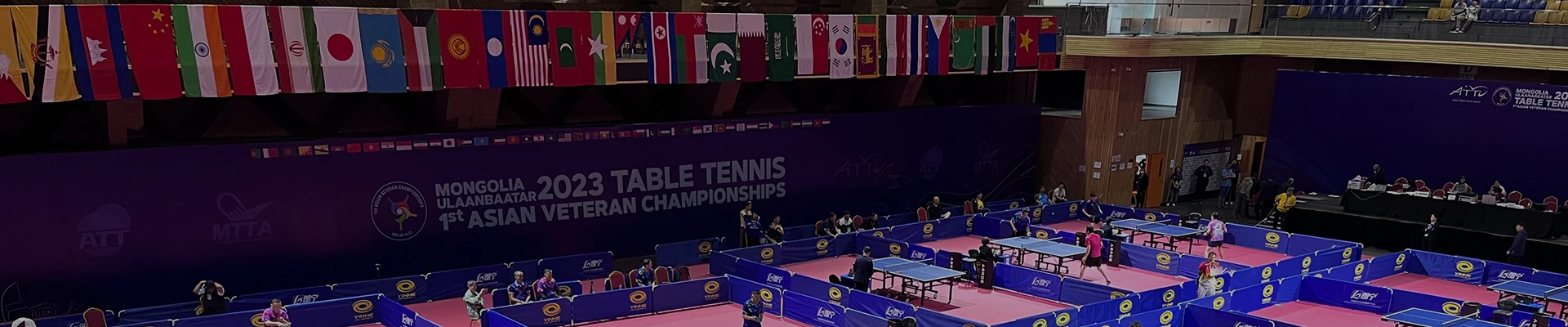
Comprehensive Guide to Basketball Gym Floor Designs for Safety & Style
Why Basketball Gym Floor Designs Matter More Than You Think
When we hear "basketball gym floor designs," most picture polished hardwood courts glowing under bright gym lights. But these designs aren't merely aesthetic—they influence player safety, game dynamics, maintenance costs, and even community pride on a global scale. Understanding the ins and outs of basketball gym flooring can mean the difference between a facility that thrives for decades and one that struggles with frequent repairs and dissatisfied users.
Globally, basketball's popularity has soared, with over 450 million active players worldwide according to FIBA data. As more arenas rise from New York to Nairobi, the demand for optimal basketball gym floor designs grows both as an industry and a social catalyst. From urban high schools to international sports complexes, flooring decisions impact environmental sustainability, athlete performance, and economic viability.
The Broad Landscape: Basketball Gym Floor Designs in a Global Context
Governments and sports organizations are investing billions into infrastructure that supports basketball development. The global indoor flooring market, valued in the billions according to the International Organization for Standardization (ISO), reflects a surge driven by sports and recreation sectors. Yet, challenges linger — many gyms suffer from floor surfaces that fail prematurely or don’t meet safety standards, leading to costly revisions and, worst of all, athlete injuries.
Take, for instance, the rise of multi-use gymnasiums in urban America, where budget constraints push designers toward cheaper flooring solutions. The problem? These surfaces may not absorb impact well, causing wear or skittering hazards for players.
What Exactly Are Basketball Gym Floor Designs?
In simple terms, basketball gym floor designs refer to the comprehensive planning and selection process involving the materials, structure, and aesthetic layout of the playing surface. This covers:
- The type and quality of surface material (hardwood, synthetic, or vinyl).
- Sub-floor engineering that affects shock absorption and stability.
- Markings and finishes tailored for regulatory standards.
- Environmental considerations like moisture control and sustainability.
It's more than just wood planks—these designs bridge engineering, sports science, and even cultural preferences. In humanitarian or educational contexts, the choice of floor might also reflect durability needs and ease of maintenance.
Key Components That Define Great Basketball Gym Floors
Durability
Durability is king. Basketball courts endure constant, heavy traffic paired with sudden impacts and scrapes. Hardwood floors using maple or engineered layered products are often preferred for their ability to withstand pressure yet remain visually appealing. Many manufacturers now offer specifically treated surfaces resistant to moisture and swelling.
Shock Absorption
An often overlooked factor is shock absorption. Properly designed subfloor systems reduce the impact on players’ joints, reducing injury risks. Advanced polyurethane or rubber pads underneath can add this cushioning effect without sacrificing bounce responsiveness.
Maintenance & Cost Efficiency
Floor selection also boils down to how easy and affordable maintenance is. Hardwood floors generally need routine sanding and refinishing every few years, whereas synthetic floors may require less upkeep but sometimes at the cost of feel and player preference.
Environmental Considerations
Sustainability is edging its way into gym floor designs. Bamboo and reclaimed wood options draw growing interest due to environmental concerns. Meanwhile, synthetic options with recycled content also appear, highlighting an industry trend toward greener materials.
Design & Customization
Beyond function, floor aesthetics and branding are vital. Custom court designs—logos, colors, boundary styles—can represent a school or community's identity. That personal touch is gaining traction alongside scalable floor solutions that can be upgraded or modified quickly.
Real-World Applications: Where Basketball Gym Floor Designs Shine
From community centers in Europe to collegiate arenas in Asia, quality floor design is a global priority. For example:
- In Japan, flexible, shock-absorbent floors address limited indoor space and high population density, enhancing athlete safety.
- In sub-Saharan Africa, durable synthetic floors provide a cost-effective alternative in environments where hardwood upkeep is tough.
- Many American schools are adopting modular flooring to quickly transform spaces for multi-sport use, balancing cost and versatility.
Interestingly, the design principles behind basketball flooring are increasingly influencing other sports facilities and even emergency shelter setups, where durable, safe surfaces are critical.
Mini Summary:
Practical basketball gym floor designs must balance durability, comfort, cost, and environment. The best solutions vary widely depending on regional needs and budgets.
Advantages and the Lasting Value of Smart Basketball Floor Choices
Smart investments in floor design pay off over time. Physically, superior floors reduce injury occurrences, lower maintenance costs, and retain their aesthetic charm longer. Socially, they can elevate community spirit, providing attractive facilities that serve as hubs for youth engagement.
On the environmental front, newer materials and sustainable harvesting create less waste and carbon footprints. Emotionally speaking, a well-kept, visually striking court offers pride and motivation for players and fans alike. Reliability breeds trust—from school administrators to tournament organizers, good floors become a non-negotiable foundation for success.
Looking Ahead: Trends Shaping the Future of Basketball Gym Floor Designs
The coming years will bring:
- Smart Floors: Embedded sensors to monitor impact, wear, and performance data in real time.
- Eco-conscious Materials: Increased use of bioplastics, recycled composites, and faster-growing woods like bamboo.
- Modular Systems: Floors that can be disassembled and reinstalled to accommodate multi-purpose venues or relocations.
- Advanced Finishes: Coatings that offer self-healing properties or antimicrobial surfaces to enhance hygiene and longevity.
All these innovations promise safer, greener, and more adaptive gym floors fit for the 21st century.
Common Challenges and How Experts Are Tackling Them
Cost often tops the list. Premium hardwood floors can strain budgets, especially in developing regions.
Environmental conditions—humidity, temperature fluctuations—pose threats to traditional wood floors, leading to warping or buckling. The solution often involves enhanced sealing techniques or hybrid materials.
Another frequent hurdle is installation time disrupting facility usage. This is where modular or pre-fabricated floor designs have disrupted the status quo by drastically speeding deployment and reducing downtime.
Experts also suggest regular monitoring and preventive maintenance practices as straightforward but critical strategies to extend floor lifespan.
Basketball Gym Floor Designs FAQ
- Q: What types of surfaces are best for high school basketball gyms?
- A: Most high schools opt for solid maple hardwood floors due to durability and player preference, but synthetic flooring offers budget-friendly alternatives with easier maintenance.
- Q: How often should a basketball gym floor be refinished?
- Typically, hardwood floors require refinishing every 3–5 years, but this depends on usage levels. Regular cleaning helps extend this interval.
- Q: Are synthetic basketball floors safe for competitive play?
- Yes, modern synthetic floors meet most regulatory standards and provide good shock absorption, but some players find them less responsive than traditional wood.
- Q: Can basketball gym floors be customized with logos and designs?
- Absolutely. Custom paints and inlaid designs are common and add team branding and identity to gym floors, creating a unique experience for players and fans.
- Q: How does humidity affect basketball gym floors?
- High humidity can cause wood to swell and warp, so controlling indoor climate or using engineered wood with moisture barriers helps preserve the floor’s integrity.
Product Specification: Comparing Popular Basketball Gym Floor Materials
| Material | Durability | Maintenance | Cost | Shock Absorption | Eco Impact |
|---|---|---|---|---|---|
| Solid Maple Hardwood | High (20+ years) | Requires sanding/refinishing | High | Excellent | Medium (sourced timber) |
| Engineered Wood | Moderate (10–15 years) | Less frequent refinishing | Moderate | Good | Lower than solid wood |
| Synthetic/Vinyl | Variable (5–15 years) | Easy upkeep | Low to Moderate | Fair | Variable (some recycled content) |
Vendor Comparison: Basketball Gym Floor Providers
| Vendor | Material Options | Customization | Installation Time | Warranty | Price Range |
|---|---|---|---|---|---|
| Langning Sports | Maple, Engineered Wood, Synthetic | Full court logo/design | 2–4 weeks | 10 years | $$$ |
| ProCourt Floors | Engineered Wood, Synthetic | Standard colors & lines | 3–6 weeks | 7 years | $$ |
| SafePlay Solutions | Synthetic Only | Limited | 1–3 weeks | 5 years | $ |
Final Thoughts on Basketball Gym Floor Designs
Choosing the right basketball gym floor design is rarely straightforward, but the long-term payoff more than justifies the effort. From enhancing safety and performance to cultivating pride and sustainability, these floors become the literal foundation of a community’s athletic dreams.
If you're involved in gym design, renovation, or new builds, exploring smart flooring options and trusted vendors like Langning Sports can make all the difference. Seriously, it’s worth the time and research.
References & Resources
-
Premium Outdoor Dance Floor for Sale Professional Event SurfacesNewsApr.16,2026
-
Premium Professional White Dance Floor for Sale and Buying GuideNewsApr.09,2026
-
Find Your Perfect Portable Dance Floor for Sale and Create Unforgettable EventsNewsApr.07,2026
-
Find High Quality Dance Flooring for Sale and Expert GuidanceNewsApr.04,2026
-
Comprehensive Guide to Durable Commercial Vinyl Solutions for BusinessesNewsMar.31,2026
-
Comprehensive Commercial Flooring Management for Business LongevityNewsMar.28,2026
-
Comprehensive Guide to Selecting the Right Commercial Flooring MaterialsNewsMar.26,2026