Understanding basketball court flooring prices requires a comprehensive look at material science, installation complexity, and long-term durability. Whether you are developing a professional arena, a school gymnasium, or a community outdoor court, the cost of the flooring is rarely a flat fee but rather a variable based on the performance specifications required for athlete safety and ball bounce consistency.
Many facility managers struggle with the trade-off between initial capital expenditure and the ongoing maintenance costs of different flooring systems. From traditional hardwood to modern interlocking polymer tiles and PVC sports surfaces, the price variance reflects the technology used to reduce joint impact and increase the lifespan of the surface under high-intensity use.
This guide provides a detailed analysis of the factors influencing basketball court flooring prices, comparing different material types and providing procurement insights. By the end of this article, you will be able to evaluate the ROI of various flooring solutions and select a surface that balances budget constraints with professional athletic standards.

1Analysis of Flooring Cost Drivers

When evaluating basketball court flooring prices, the most significant driver is the raw material composition. High-polymer rubber and PO-based elastomers offer superior shock absorption compared to standard plastics, which typically commands a premium price. These materials are engineered to protect athletes' joints from repetitive impact, reducing the risk of long-term injury.
Beyond materials, the structural design of the flooring plays a role. For example, products featuring vertical buffer support points—such as the 196-point dense structure—provide higher load-bearing capacity (often 1.2 times that of ordinary floors), which increases the initial cost but lowers the replacement frequency.
Installation labor also varies based on the system. Interlocking designs reduce the need for specialized adhesives and long curing times, effectively lowering the installation component of the total pricing compared to poured resin or glued PVC systems.
2Material Comparison: PVC vs. Interlocking Tiles
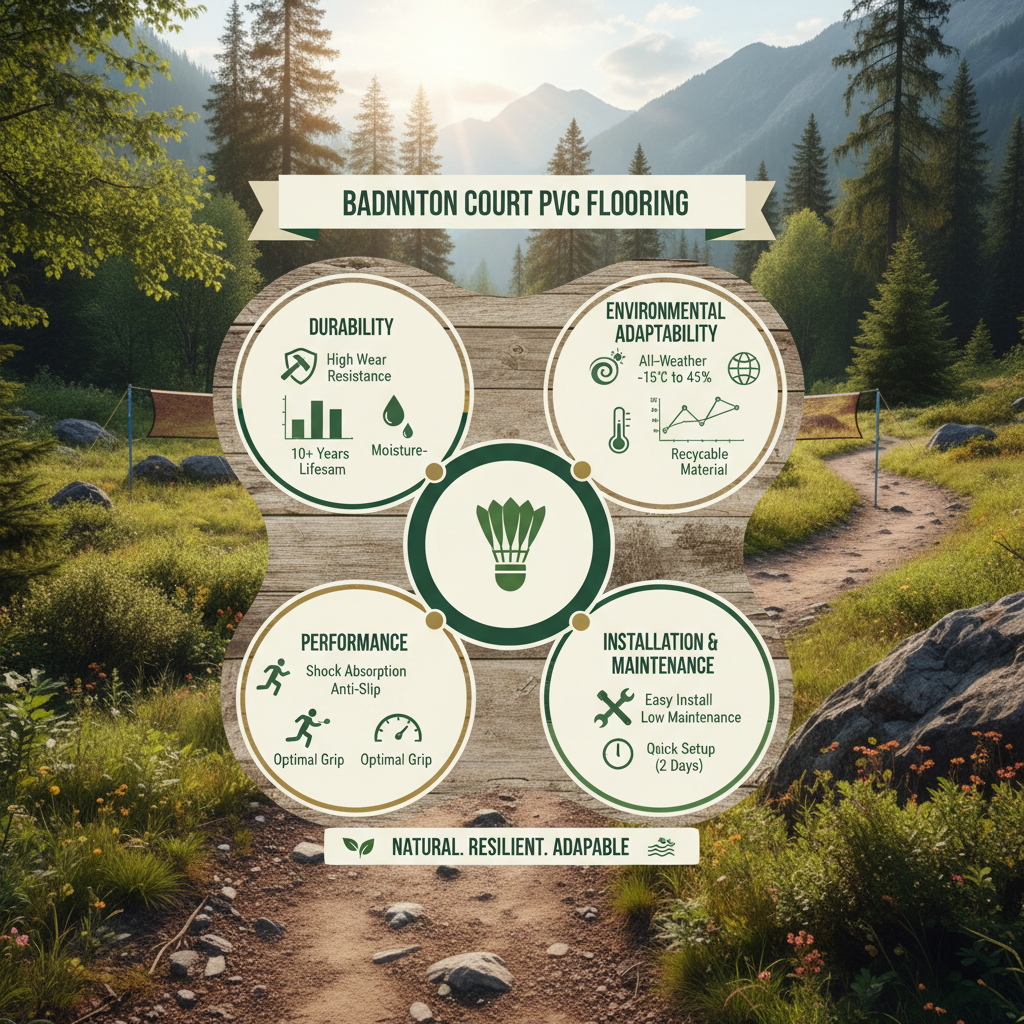
PVC sports flooring is widely recognized for its seamless finish and excellent elasticity, making it a preferred choice for indoor multipurpose halls. Its pricing is often tied to the thickness of the wear layer and the complexity of the foam cushioning beneath the surface.
In contrast, PP interlocking tiles, such as the N100 series, offer a modular approach. These tiles are often more cost-effective for outdoor applications due to their integrated drainage channels and UV resistance, which prevents the material from becoming brittle under direct sunlight.
While PVC provides a "softer" feel, interlocking tiles provide a "snappier" response and are significantly easier to repair; a single damaged tile can be replaced without tearing up the entire court, offering a long-term cost advantage in high-wear environments.
3Application Scenarios and Site Requirements
The environment dictates the flooring choice and subsequently the price. For collegiate or professional basketball courts, the focus is on FIBA or BWF compliance, where precision in ball rebound and surface friction is non-negotiable, leading to higher investment in certified materials.
School playgrounds and kindergartens have different priorities, focusing more on impact safety and vibrant aesthetics. Here, soft plastic elastomers are used to minimize injuries, and the costs are often optimized by using multipurpose tiles that can accommodate various sports.
Public leisure and fitness centers often opt for a hybrid approach, using highly durable PVC in primary areas and cost-effective interlocking tiles in secondary training zones to balance the total budget.
4Performance Metrics and Value Evaluation
To understand if basketball court flooring prices are justified, one must look at performance metrics such as shock absorption, friction coefficients, and load-bearing capacity. A floor that offers 1.2x the load capacity of a standard floor reduces the frequency of sagging or deformation in high-traffic areas.
The integration of anti-slip surface treatments and anti-displacement fixing holes further adds value. These technical features ensure that the flooring remains stable even during high-intensity lateral movements, which is critical for preventing ankle sprains.
basketball court flooring prices Performance Metrics
When comparing the "Industry Average" to high-specification solutions like those from Langning, the increase in cost is offset by significant gains in installation speed and drainage efficiency, particularly for outdoor sports venues.
5Procurement Guide for Facility Managers
Procurement should not be based on the lowest per-square-meter price but on the Total Cost of Ownership (TCO). This includes the initial purchase, installation labor, and the projected maintenance costs over a 10-year period.
When requesting quotes, specify the intended use case—such as "outdoor futsal and basketball"—to ensure the supplier provides the correct polymer grade. For instance, using indoor PVC outdoors will lead to rapid peeling and UV damage.
Effective OEM and ODM services can also help in reducing costs by tailoring the product specifications to the exact needs of the venue, avoiding the payment for "over-engineered" features that are not required for the specific application.
6Innovation Trends in Sports Surfaces
The industry is moving toward "Silent Series" flooring, which incorporates advanced sound-dampening layers. This is particularly important for multi-story sports complexes where the noise of basketballs can disrupt other activities in the building.
Another trend is the use of recycled high-polymer materials that maintain the performance of virgin plastics while reducing the environmental footprint. This shift is often driven by government procurement requirements for "green" building certifications.
Digital customization is also influencing pricing; the ability to integrate complex branding, team logos, and precise line markings directly into the flooring material during production is replacing traditional post-installation painting.
7Decision Matrix for Flooring Selection
Choosing the right flooring requires balancing budget, durability, and performance. For high-budget, professional indoor environments, the investment in certified PVC or hardwood is standard. For community-driven outdoor projects, the focus shifts to durability and rapid installation.
The following table compares the primary options available in the current market to help procurement teams make an informed decision based on their specific constraints.
| Flooring Type | Best Use Case | Main Strength | Price Point |
|---|---|---|---|
| PVC Sports Floor | Professional Indoor | Shock Absorption | Premium |
| Interlocking Tiles | Outdoor/Multipurpose | Fast Install | Moderate |
| Polymer Rubber | High-Impact Areas | Joint Protection | High |
| Standard Plastic | Budget Playgrounds | Low Cost | Economical |
| Silent Series | Multi-story Gyms | Noise Reduction | Premium |
| Hybrid Modular | Temporary Courts | Portability | Moderate |
Ultimately, the most cost-effective solution is the one that minimizes long-term maintenance and maximizes athlete safety. For those seeking tailored solutions, reviewing certified product lines at www.langningsportsfloor.com can provide clarity on the available technical options.
Frequently Asked Questions
Conclusion
Navigating basketball court flooring prices requires a shift in perspective from focusing on the lowest initial cost to evaluating the long-term athletic and operational value. By considering material science, installation efficiency, and the specific requirements of the venue, facility managers can implement a solution that ensures both athlete safety and financial sustainability.
Whether opting for the high-performance elasticity of PVC or the modular durability of interlocking polymer tiles, the key is to align the technical specifications with the actual usage intensity. For those seeking professional-grade sports flooring solutions, detailed product specifications and customization options can be explored at www.langningsportsfloor.com.